Your plunge pool’s depth typically varies between 4 to 5 feet this is the ideal range for both safety and immersive comfort. The measurement is taken from the deepest point, but factors such as your preference, intended use, and local safety regulations can impact the final depth. A deeper pool may give you more flexibility in use, but it’ll also increase excavation costs and ongoing water expenses. Understanding these specifications can help enhance your plunge pool experience, but there’s still much more to uncover about these compact aquatic gems to guarantee you make the most informed decision.
Understanding Plunge Pools
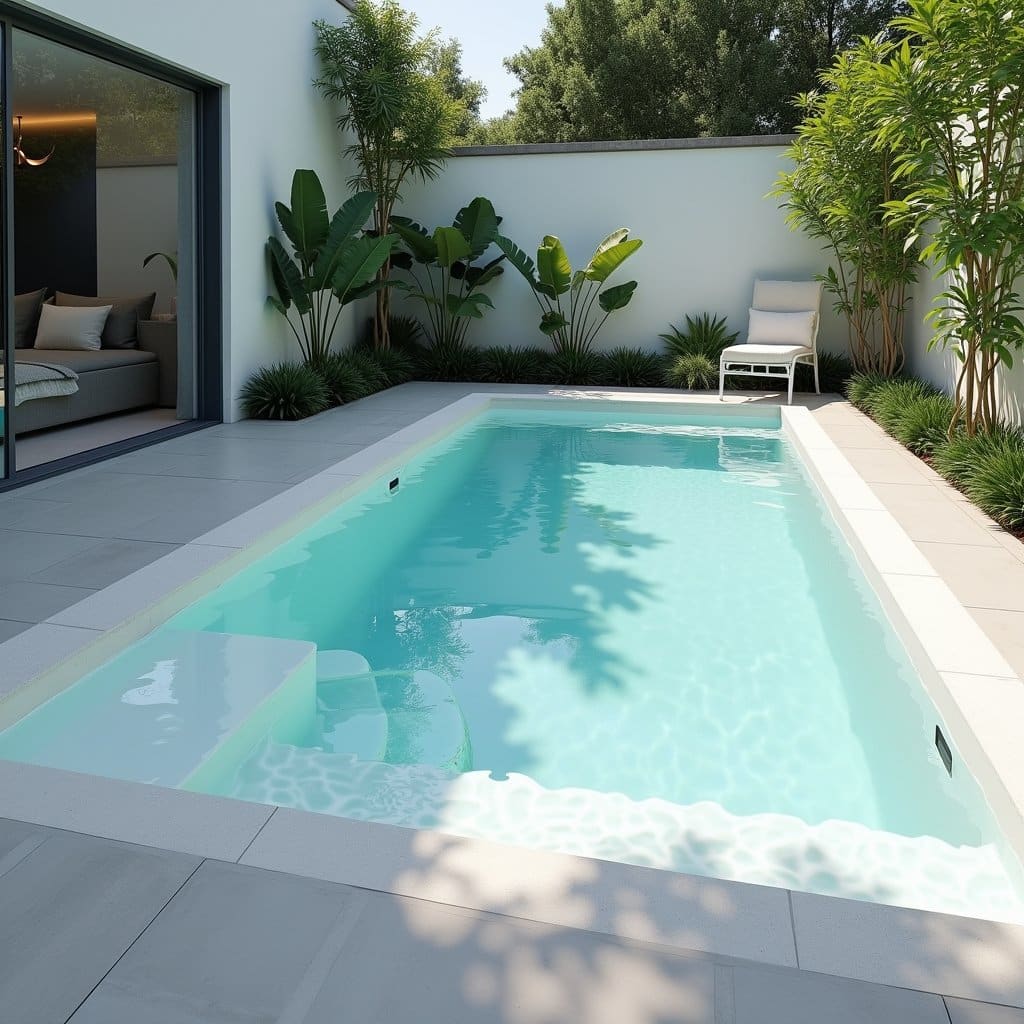
Although they’re often viewed as a luxury, plunge pools serve a specific function. Their design and materials are carefully chosen to fulfill that function.
Plunge pool design is typically compact and shallow, focusing on offering a revitalizing dip rather than a swimming experience. You’ll find them in backyards, spas, and fitness centers, providing a cool retreat or aiding in muscle recovery.
Plunge pool materials vary from concrete to fiberglass, each offering different benefits. Concrete, while more expensive, offers customization, longevity, and a high-end look. Fiberglass, on the other hand, is affordable, quick to install, and easy to maintain.
Understanding the purpose and construction of plunge pools can help you make an informed decision if you’re considering adding one to your space.
Standard Plunge Pool Depths
Let’s now turn our attention to standard plunge pool depths.
You’ll find that these depths can vary considerably, each offering its unique benefits.
Defining Plunge Pool Depth
While you may be familiar with the concept of a plunge pool, understanding its standard depth is essential for safety and ideal use.
The depth of a plunge pool isn’t arbitrary. It’s usually determined by the plunge pool dimensions and the purpose of the pool. The ideal plunge depth typically ranges between 4 to 5 feet. This depth allows for a comfortable immersion, without being too deep for safety concerns.
However, the depth can be customized per user preference and needs. A depth of 4 feet is ideal for relaxing and cooling off, while a 5 feet deep pool allows for more vigorous activities.
It’s important to evaluate these factors when planning the depth of your plunge pool.
Variations in Depth
Moving from the general depth of plunge pools, it’s worth noting that variations do exist in standard plunge pool depths. These variations are often dictated by your depth preferences and design considerations. You may opt for a shallower pool if you have children or if your primary use is relaxation. Alternatively, a deeper pool may suit your needs if you plan to incorporate diving or more vigorous exercise.
Here’s a basic table showcasing common depth variations:
| Depth (feet) | Best For |
|---|---|
| 3-4 | Children, relaxation |
| 4-5 | General use, exercise |
| 5-6 | Diving, vigorous exercise |
Benefits of Differing Depths
Understanding the benefits of different plunge pool depths is vital when deciding which pool depth is right for you.
Shallow plunge pools, typically around 4 feet, offer safety for children and non-swimmers, promoting relaxation. They also provide a rejuvenating cool-down spot without the need for swimming, one of the notable plunge pool benefits.
On the other hand, deeper pools, usually up to 7 feet, have depth advantages like enabling full-body immersion, which is effective for therapy and exercise. They also offer a greater sense of privacy.
It’s important to evaluate these benefits and how they align with your intended pool use. Remember, the right depth enhances your plunge pool experience.
Factors Influencing Plunge Pool Depths
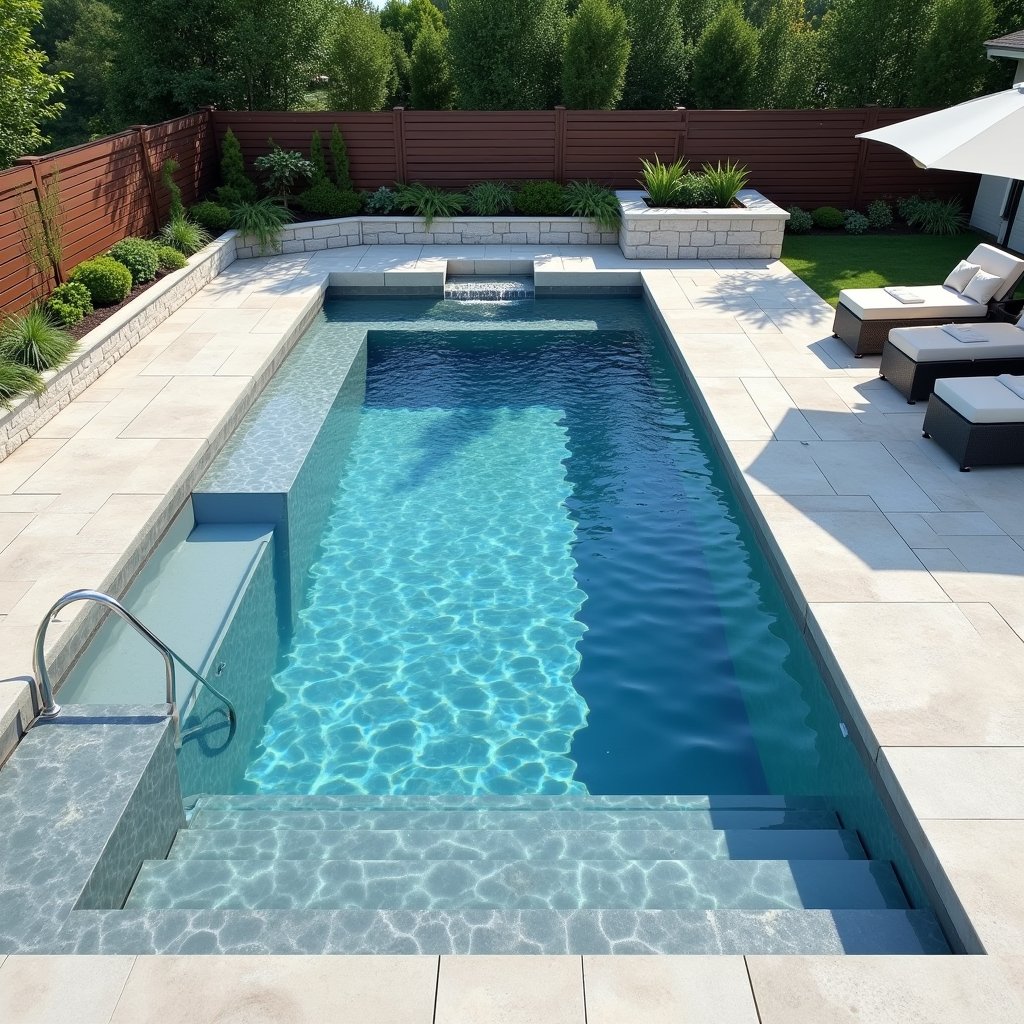
Although it may seem straightforward, the depth of plunge pools is determined by an array of factors. Your design preferences, for instance, largely dictate the pool’s depth.
Whether you dream of a calming retreat or a lively water feature, your vision shapes the pool’s final depth.
The presence of water features also impacts depth. Waterfalls, jets, or bubblers need deeper sections for their proper functioning.
Safety regulations too, play a significant role. Given the smaller size of plunge pools, you must guarantee the depth doesn’t pose a safety risk, especially for children.
Finally, it’s essential to take into account the intended use. Are you looking to use it for low-impact exercise or simply for cooling off? Each purpose demands a different depth.
Comparing Plunge Pools and Swimming Pools
As you consider your options for a pool, understanding the differences between plunge pools and swimming pools is vital.
Take note of the depth differences as it will play a significant role in how you use your pool.
Let’s compare the benefits of each type, to aid you in making an informed decision.
Depth Differences Explored
Comparing the depths of plunge pools and swimming pools reveals significant differences.
These disparities arise not just from their respective functionalities but also from plunge pool designs and depth aesthetics.
- Plunge pools often range from 4 to 5 feet deep, designed for cooling off and relaxing rather than extensive swimming.
- In contrast, swimming pools have varying depths, commonly starting from 3 feet and can reach up to 10 feet or more. This is to accommodate different swimming styles and abilities.
- Plunge pool designs tend to focus on depth aesthetics, creating an intimate and cozy environment.
- Swimming pool designs, on the other hand, prioritize accommodating a range of activities from wading to diving.
Understanding these differences helps in making informed decisions that suit your needs.
Benefits of Each Type
Knowing the depth differences between plunge pools and swimming pools is just the beginning. You must also consider the benefits of each type, namely plunge pool aesthetics and plunge pool safety.
When it comes to aesthetics, plunge pools often win hands down. They’re compact, elegant, and can be customized to suit any backyard design. Safety-wise, plunge pools have a uniform depth which eliminates the risk of diving accidents.
| Plunge Pools | Swimming Pools | |
|---|---|---|
| Aesthetics | High | Varies |
| Safety | High | Varies |
| Space Efficiency | High | Low |
Swimming pools, however, offer more room for swimming exercises. In the end, your choice will depend on your specific needs and preferences.
Benefits of Plunge Pool Depths
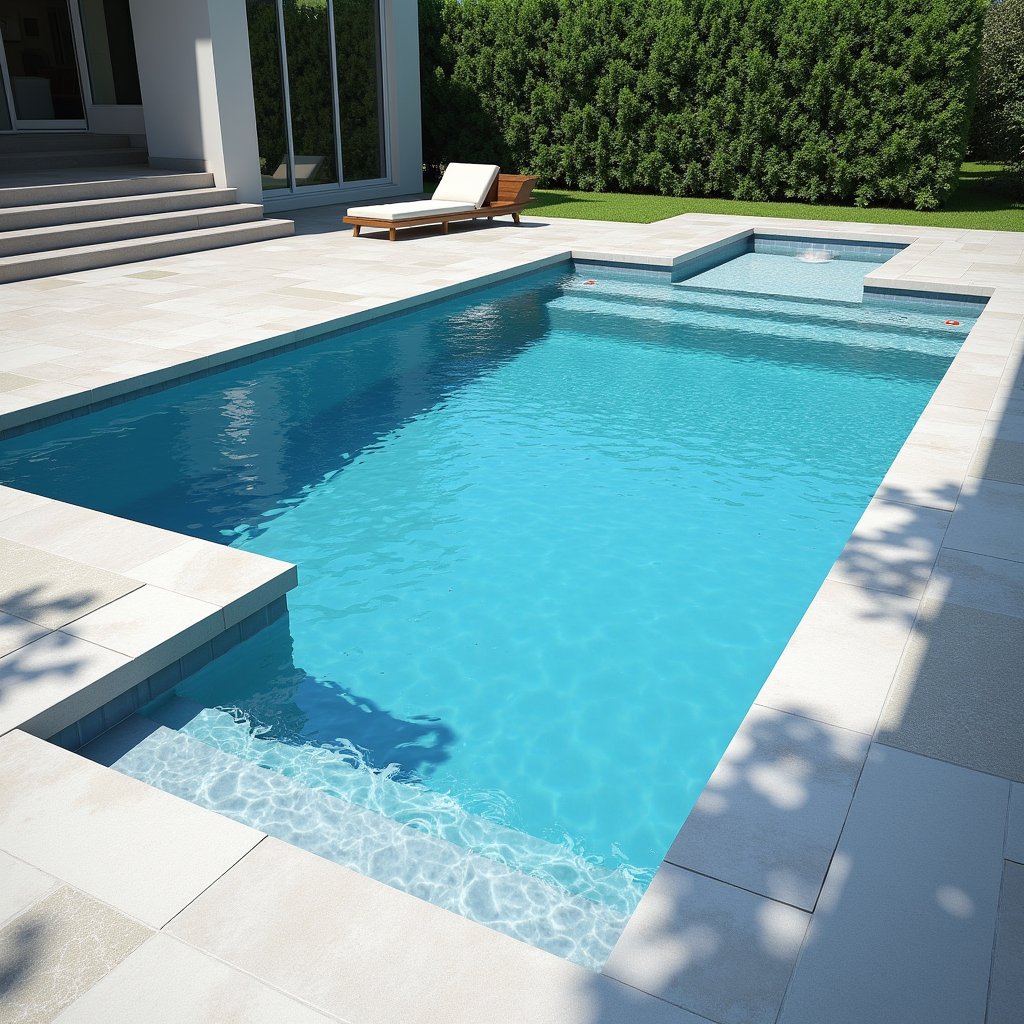
While you might think that plunge pools are just for cooling down, their depth can provide unexpected benefits.
The depth of a plunge pool can play a significant role in its aesthetic appeal and therapeutic benefits.
- A deeper pool can create a more striking visual impact, enhancing the overall aesthetic appeal of your space.
- Therapeutic benefits are magnified in deeper pools. The increased water pressure can aid in muscle relaxation and joint relief.
- Depth variation allows for different swimming and relaxation experiences in the same pool.
- A deeper pool can also provide a more challenging workout, enhancing the pool’s functionality.
Customizing Your Plunge Pool Depth
Ever considered how much control you have over your plunge pool’s depth? Custom designs allow you to tailor the depth to your personal preferences. Whether you’re looking for a shallow soak or a deep dip, you can customize your plunge pool’s depth to meet your specific needs.
Here’s a quick guide to help you understand the depth options:
| Pool Type | Average Depth |
|---|---|
| Shallow End | 0.9-1.2 meters |
| Deep End | 1.8-2.4 meters |
| Children’s Area | 0.6-0.9 meters |
| Therapy Pool | 1.2-1.5 meters |
| Lap Pool | 1.2-1.5 meters |
Regulations for Plunge Pool Depths
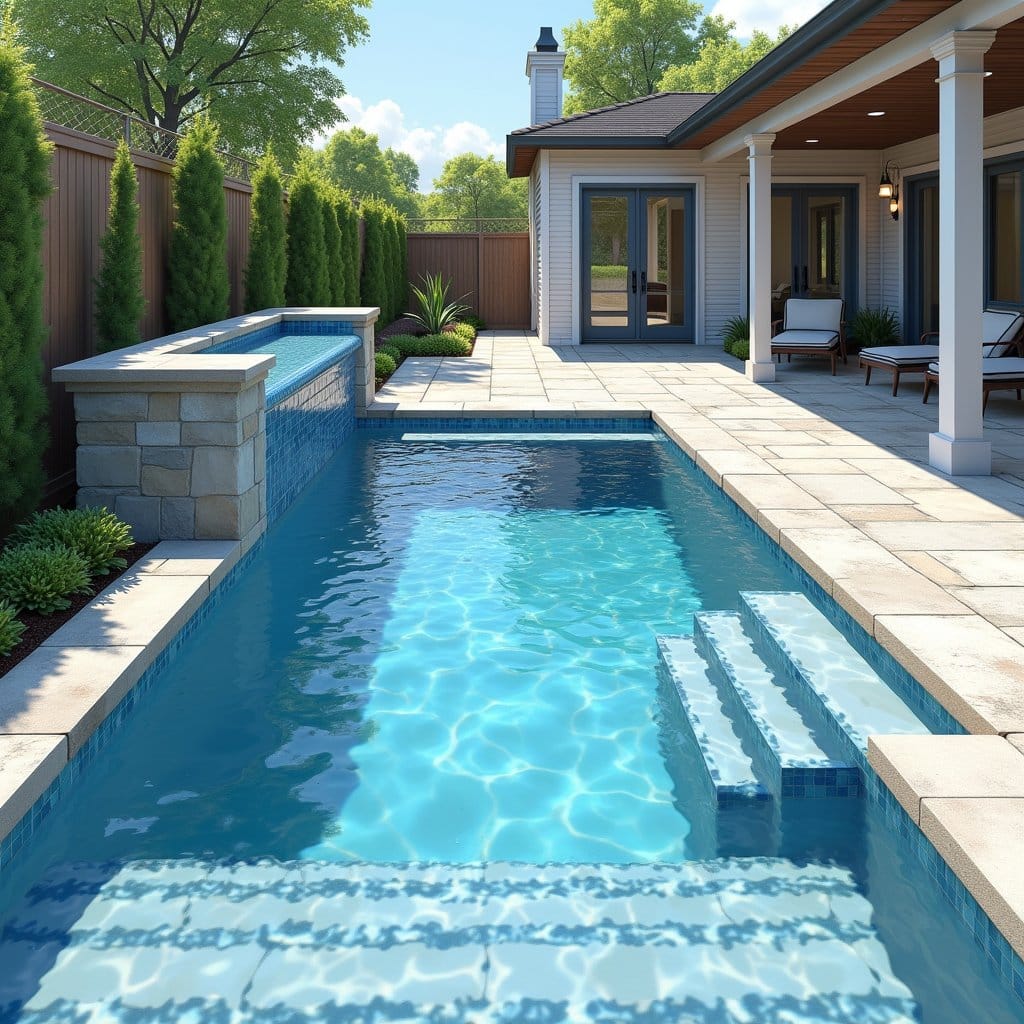
As you navigate the process of installing a plunge pool, it’s essential to understand the regulations concerning pool depths.
There are standard depth guidelines to adhere to, ensuring your pool is safe and compliant.
Let’s explore these regulations and the safety considerations you must account for in your design process.
Standard Depth Guidelines
Plunge pools, known for their compact design and invigorating waters, are governed by specific depth guidelines. This is essential for maximising the plunge pool advantages while ensuring safety and practicality.
Here are the standard depth guidelines you should be aware of:
- *Minimum depth*: Typically, plunge pools have a minimum depth of 1.2 meters. This depth is comfortable for most adults and facilitates the cooling effects.
- *Maximum depth*: The maximum depth generally doesn’t exceed 1.6 meters. This helps maintain the compact feature of plunge pools.
- *Depth measurement*: This is always done at the pool’s deepest point, excluding any area dedicated to seating or steps.
- *Variations*: Depth can vary based on individual needs or design preferences, as long as safety regulations are met.
Safety Considerations
While considering the depth of your plunge pool, safety regulations should be on top of your list. These regulations provide depth guidelines to guarantee you’re creating a safe environment.
The recommended depth for most plunge pools is between 4 to 5 feet, which is ideal for both relaxation and safety. You should also incorporate safety features like slip-resistant surfaces, grab bars, and pool covers.
It’s important to comply with local building codes, as they often specify safety requirements for plunge pool depths. If you’re unsure, consider consulting with a pool professional or your local regulatory agency.
Impact of Plunge Pool Depth on Cost
Although many factors affect the cost of plunge pools, depth is a significant one to contemplate. The deeper the pool, the more materials and labor are required, thereby increasing the price. This depth pricing directly impacts the cost implications of your plunge pool.
To give you a clearer picture, consider these factors:
- Deeper pools require more excavation, which increases labor costs.
- The need for additional materials like concrete, steel, and interior finish to accommodate the increased volume.
- More water is needed to fill a deeper pool, impacting ongoing costs.
- Safety features, such as ladders or steps, may need to be more extensive for deeper pools, adding to the overall cost.
Maintenance of Different Plunge Pool Depths
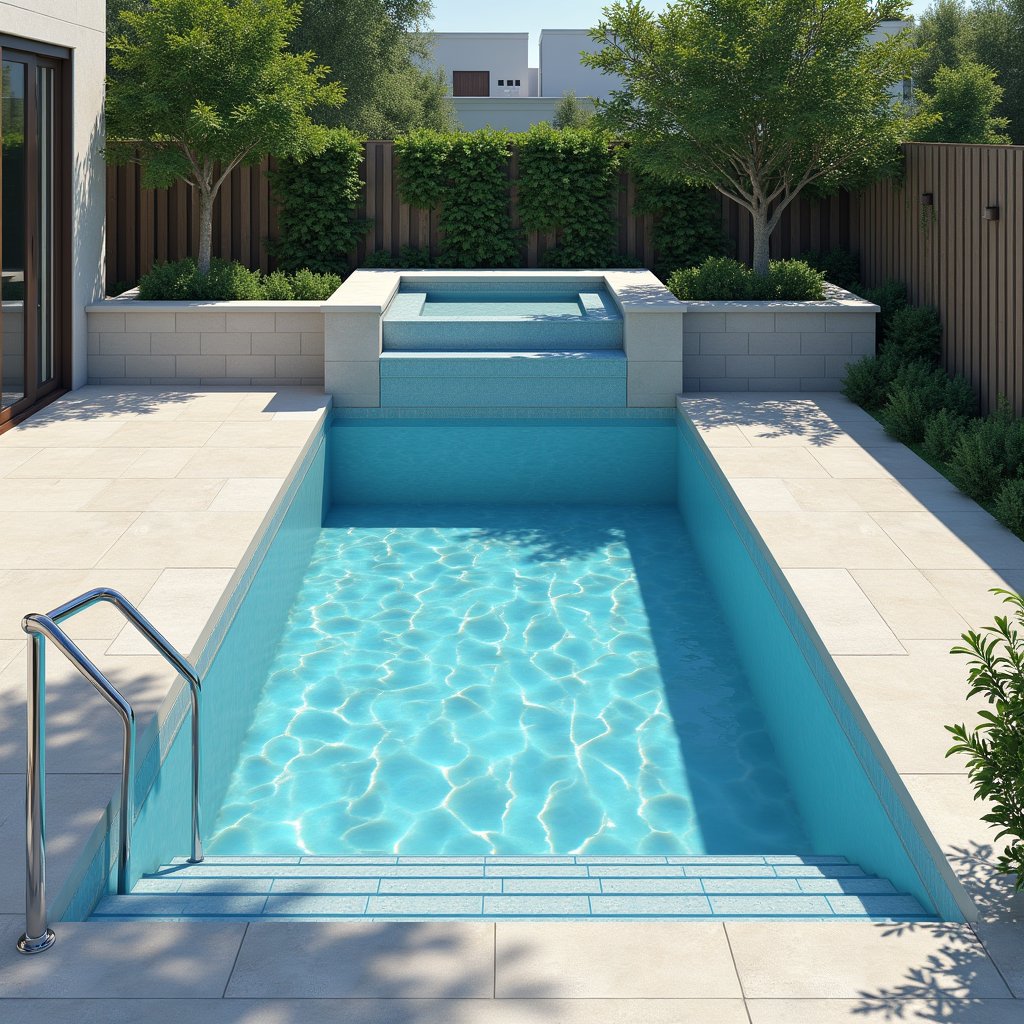
Given the different depths of plunge pools, the maintenance requirements can vary.
Deeper pools may require advanced cleaning techniques due to the larger volume of water. You’ll need to be familiar with different pool cleaning tools, such as pool brushes, skimmers, and vacuum cleaners.
The water chemistry also plays a significant role in the maintenance of plunge pools. It’s essential to regularly check the pH, chlorine, and alkalinity levels of your pool water to guarantee it’s safe for use. Remember, deeper pools may require more chemicals to maintain the right balance.
Also, the frequency of maintenance tasks can vary. For instance, shallower pools may require more frequent cleaning due to increased debris accumulation.
Selecting the Right Plunge Pool Depth
How do you choose the right plunge pool depth for your needs?
It’s vital to evaluate several aspects to guarantee you’re making the right decision. Here are a few factors to take into account:
- Plunge Pool Usage: It’s important to reflect on who’ll be using the pool and for what purpose. Is it for relaxation, exercise, or both?
- Safety: If children will frequently use the pool, a shallower depth is advisable.
- Plunge Pool Aesthetics: The depth of the pool can impact its overall look. Contemplate how the depth might enhance your pool’s visual appeal.
- Maintenance: Deeper pools can require more effort for cleaning and maintenance.
Selecting the right plunge pool depth is fundamental to maximizing enjoyment and usability.
Frequently Asked Questions
What Materials Are Commonly Used for Plunge Pool Construction?
When you’re constructing a plunge pool, you’ll commonly use materials like concrete or fiberglass.
Concrete’s biggest advantage is its versatility in design, allowing for customization. It’s sturdy and can handle wear and tear.
Fiberglass, on the other hand, has benefits like quicker installation times and lower maintenance needs. It’s also nonporous, so it doesn’t promote algae growth.
Both materials have unique benefits, so choose based on your specific needs.
How Long Does It Typically Take to Install a Plunge Pool?
Installing a plunge pool isn’t a quick dip. It’s a marathon swim.
Your installation timeline largely depends on project factors like design complexity and ground conditions. Typically, you’re looking at 2 to 3 weeks for the installation process, but it can stretch up to 6 weeks if you’ve opted for a custom design or if unexpected issues arise.
Are Plunge Pools Suitable for Children and Pets?
Yes, plunge pools can be suitable for children and pets with the right safety measures in place.
It’s essential you’re vigilant about child supervision and pet safety. Install safety features like pool covers, fences, and alarms.
Teach your children about pool safety and make sure pets can’t access the pool unsupervised.
What Are Some Eco-Friendly Options for Plunge Pool Maintenance?
For eco-friendly plunge pool maintenance, you’ve got options.
Using sustainable chemicals lessens your pool’s environmental impact. They’re gentler on your skin too.
Consider natural filtration systems as well. They use plants and minerals to clean the water, eliminating the need for harsh chemicals.
It’s not just about being green, it’s about creating a healthier, more natural swimming experience for you.
Think smart, act smart, and go green with your plunge pool maintenance.
How Does the Climate Affect Plunge Pool Installation and Use?
Climate factors greatly influence your plunge pool’s installation and use.
In colder climates, you’ll need to take into account pool heaters or insulation to use it year-round. Conversely, in hotter climates, you may want a shaded area to prevent the water from getting too warm.