In a plunge pool, the water is drawn into a filtration system by a pump, clearing any impurities. It’s then returned into the pool, creating a continuous water cycle. The plumbing system includes essentials such as water supply, drainages, pumps, filters, skimmers and returns. These components work together to maintain your pool’s water quality and circulation. Heating mechanisms use solar or electric heaters to regulate water temperature, offer comfort and guarantee energy efficiency. You’ll discover how integrating technology and understanding proper water chemistry can enhance your plunge pool experience if you stick around.
Understanding Plunge Pools
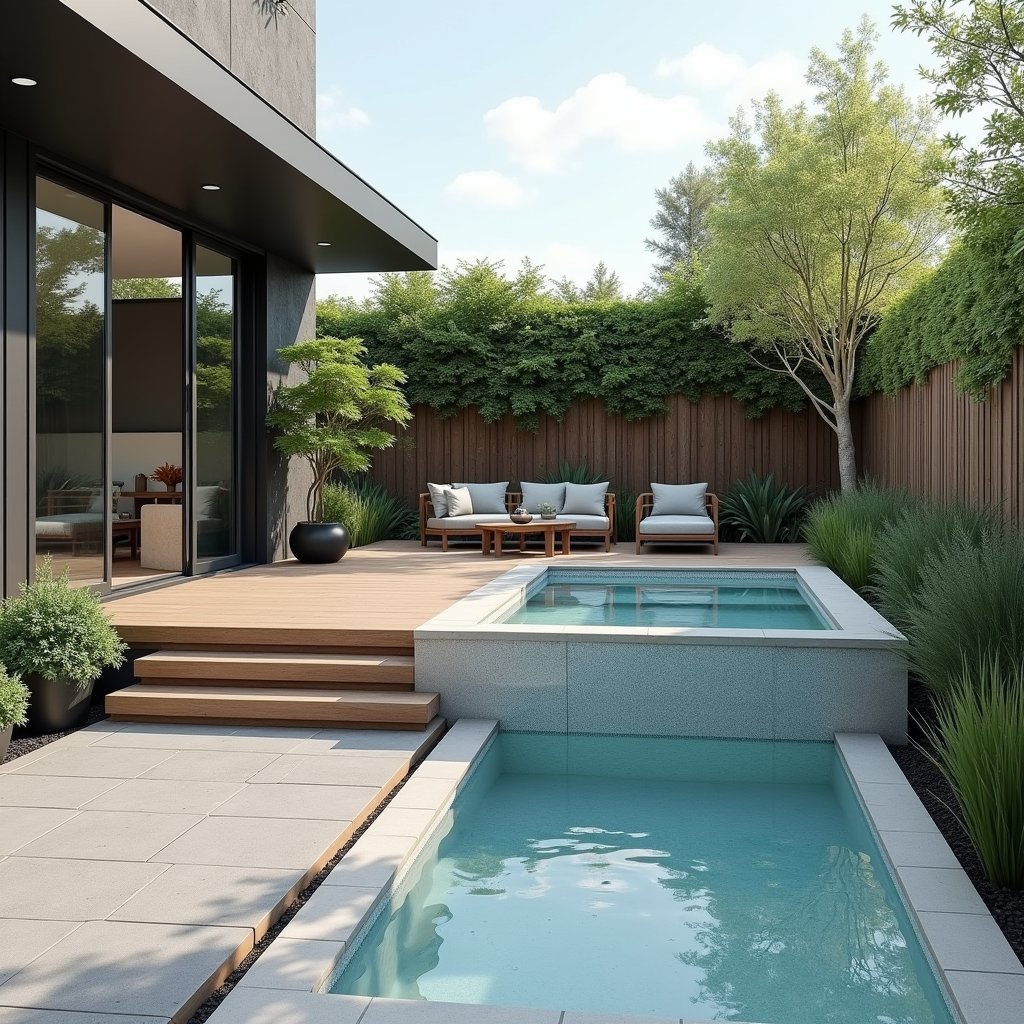
Though you might associate immersion pools with luxurious resorts, understanding their mechanical intricacies can make them a more accessible option for your home.
Immersion pool designs, while diverse, are typically compact, making them perfect for smaller spaces. They’re often deeper than regular pools, providing a more invigorating cool-down experience. This depth is a key immersion pool benefit, as it allows for a full-body submersion without requiring a large area.
The mechanical simplicity of immersion pools also contributes to their appeal. Unlike larger pools, they don’t require complex filtration or heating systems, making them easier and cheaper to maintain.
The Role of Plumbing Systems
Grasping the intricacies of plunge pool plumbing systems is essential to guarantee their efficient operation.
You must acquaint yourself with the key plumbing components that play a significant role in maintaining the pool’s functionality.
With this knowledge, you’re well-equipped to take proactive measures in preserving the integrity of these systems, consequently extending their lifespan and performance.
Understanding Plunge Pool Plumbing
As you explore the world of plunge pools, it’s important to understand the role of the plumbing systems involved. The plumbing system is a vital part of any plunge pool design, influencing both functionality and aesthetics.
It’s not just about getting water in and out; it’s also about creating a harmonious water feature.
The plumbing system in plunge pools involves different aspects:
- The water supply system, responsible for refilling the pool and maintaining its water level.
- The filtration system, ensuring the water is clean and safe for use.
- The drainage system, responsible for removing water from the pool when necessary.
Understanding these elements is fundamental to the successful operation and maintenance of a plunge pool.
Each component plays a key role in the overall experience and performance of the pool.
Key Plumbing Components
While you may not see them, essential plumbing components play an integral role in the operation of your plunge pool.
These components, crafted from specific plunge pool materials, guarantee efficient water circulation and filtration. The heart of these systems is the pump, which moves water from the pool to the filter, keeping your pool sparkling clean.
The filter, another vital component, removes debris from the water. Skimmers and returns, installed using precise techniques, maintain the water’s surface clean and distribute the filtered water back into the pool.
The drain, positioned at the pool’s deepest point, prevents water stagnation and helps in cleaning. Understanding these components’ purpose and installation can help you maintain your pool’s ideal function.
Maintaining Pool Plumbing Systems
Though you may rarely see them, your pool’s plumbing systems require regular maintenance to secure peak performance.
An efficient system not only guarantees a clean and rejuvenating pool but also prolongs its life, saving you time and costly repairs.
To maintain your pool’s plumbing system, consider the following steps:
- Regularly check for leaks: Even small leaks can lead to considerable water loss and damage over time.
- Clean the pool filter: A dirty filter can put unnecessary strain on your pool’s plumbing system.
- Schedule professional inspections: Experts can identify potential issues before they become expensive problems, and recommend plumbing upgrades if necessary.
As part of your overall pool maintenance, these steps can greatly extend the life of your pool’s plumbing system.
Water Circulation Mechanics

To fully understand the operation of plunge pools, you must first grasp the essential aspect of water circulation mechanics. This system guarantees water flow consistency, which is crucial for pool cleanliness and functionality.
A pool pump, the heart of the circulation process, propels water from the pool into the filtration system. Here, impurities get removed before the water is returned to the pool. This creates circulation patterns, which are fundamental for distributing chemicals evenly and preventing stagnant areas where algae may thrive.
Venturi jets, strategically positioned, enhance these patterns by creating a whirlpool effect, further boosting circulation efficiency.
You’ll notice that water is continuously on the move, directed by these mechanics, guaranteeing a clean, invigorating plunge pool experience.
Heating Mechanisms in Plunge Pools
Just as the circulation system keeps your plunge pool clean, the heating mechanisms guarantee the water temperature is perfect for your comfort.
There are primarily two types of heating mechanisms used in plunge pools – solar heating and electric heaters.
- Solar Heating: This eco-friendly option utilizes solar collectors installed near the pool. Water circulates through the collectors, gets heated by the sun, and returns to the pool.
- Electric Heaters: These work by using electricity to generate heat. Water passes through a heating element inside the unit, increasing its temperature before it’s pumped back into the pool.
Both systems have their own advantages.
Solar heating is energy-efficient and cost-effective in the long run, while electric heaters offer immediate heating, regardless of the weather.
Water Filtration Processes

Let’s shift our attention to the heart of keeping your plunge pool pristine – the water filtration process.
You must understand the intricacies of the plunge pool filtration system, how it operates to maintain water cleanliness.
We’ll dissect the filtration mechanism, shedding light on its technical details and how to guarantee its peak functioning.
Plunge Pool Filtration System
While you might think that a plunge pool’s main attraction is its cooling effect, it’s the filtration system that truly works wonders. This system is essential to maintaining the cleanliness and hygiene of the pool.
Understanding the plunge pool filtration system brings forth a few of the plunge pool benefits:
- It aids in waste removal, keeping the pool clean
- It helps keep the water chemistry balanced
- It enhances the overall pool appearance, impacting plunge pool designs positively
The filtration system’s primary function is to remove debris and microorganisms. By circulating water through a filter, it captures these contaminants, ensuring your plunge pool remains a safe and invigorating space.
It’s vital to understand that the effectiveness of this system can vary depending on the quality of the filter used.
Filtration Mechanism Explained
Although the concept of filtration may seem straightforward, the intricacies of its mechanism in plunge pools merit closer examination. Filtration technologies in these pools work tirelessly to maintain water clarity.
You’d find two primary steps in this process. To begin with, water flows through the filter, trapping larger particles. In addition, microscopic contaminants are removed through a process called coagulation. Substances clump together, forming larger particles that the filter can catch.
Here’s a simple breakdown of the process:
| Step | Description |
|---|---|
| Filtration | Water passes through a filter, trapping larger debris |
| Coagulation | Microscopic contaminants clump together, forming larger particles that can be filtered |
The mechanics behind water filtration in plunge pools aren’t as simple as they seem.
Maintaining Water Cleanliness
Ensuring the cleanliness of your plunge pool requires a keen understanding of the filtration processes at work.
Filtration technology is an essential part of water treatment in plunge pools. It’s what keeps your water crystal clear and safe for use.
Here’s a breakdown of the process:
- The pump draws water from the plunge pool into the filter system.
- The filtration technology then captures and removes contaminants from the water.
- Clean, filtered water is then returned back into the plunge pool.
Maintaining Water Chemistry
To maintain the health and clarity of your plunge pool, it’s critical to keep a close eye on its water chemistry. Achieving the right water balance involves regular monitoring and necessary chemical adjustments. Here’s a table to help you understand the key parameters:
| Parameter | Ideal Range | Role |
|---|---|---|
| pH | 7.2 – 7.6 | Protects pool equipment, optimizes sanitizer efficiency |
| Alkalinity | 80 – 120 ppm | Stabilizes pH levels |
| Calcium Hardness | 200 – 400 ppm | Prevents plaster damage |
| Chlorine | 1 – 3 ppm | Sanitizes water |
| Cyanuric Acid | 30 – 50 ppm | Protects chlorine from UV degradation |
Energy Efficiency of Plunge Pools
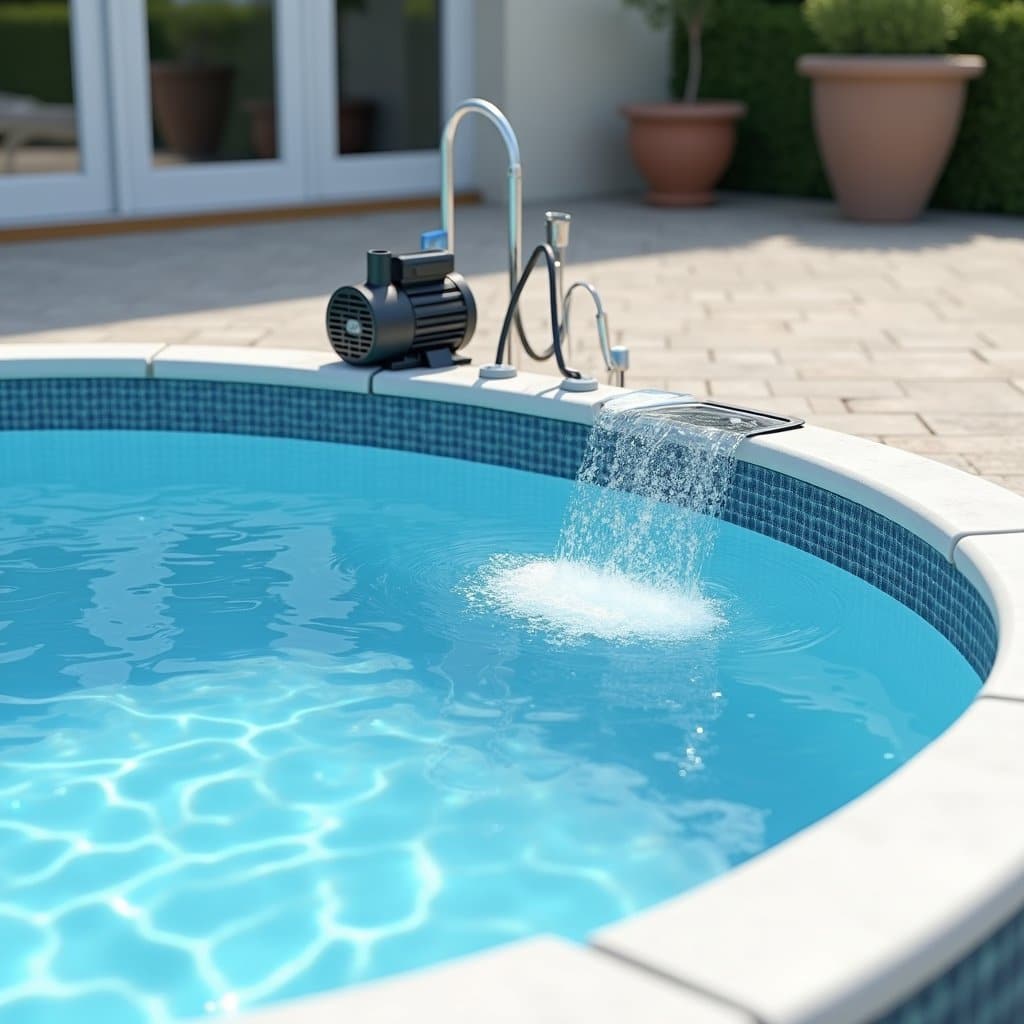
You’ll need to understand the plunge pool’s heating mechanism first, as it’s a significant component of overall energy consumption.
Then, consider the efficiency of the recirculation system, which can substantially affect energy usage.
Finally, don’t overlook the role of regular maintenance in achieving energy savings.
Plunge Pool Heating Mechanism
Ever wondered how plunge pools maintain a steady, comfortable temperature? The magic lies in their heating mechanism. A highly efficient heater is the heart of the system, but it’s the plunge pool insulation that’s the real star. It reduces heat loss, maintaining the plunge pool temperature, and saving energy.
Here’s how it works:
- The heater warms the water to your preferred temperature.
- The insulation traps this heat, minimizing energy loss to the surrounding environment.
- The water retains its warmth, providing a consistently comfortable plunge.
In essence, the insulation is a thermal barrier that keeps the heat where you want it – in your pool.
The result? A plunge pool that’s energy-efficient, cost-effective, and perfectly warm.
Recirculation System Efficiency
While the insulation of plunge pools plays an essential role in heat retention, it’s the efficiency of the recirculation system that truly optimizes energy use.
This system, central to plunge pool efficiency, works by filtering and redistributing water, maintaining a consistent temperature and reducing energy expenditure. The pump pushes water through the filter, where impurities are removed. Heated water is then returned to the pool, minimizing heat loss.
The system’s efficiency is determined by the speed and power of the pump, and the filter’s effectiveness. High-efficiency pumps with variable speeds allow for energy conservation, while quality filters guarantee minimal heat loss.
Optimizing your recirculation system, as a result, is key to enhancing the energy efficiency of your plunge pool.
Maintenance and Energy Savings
Although maintaining a plunge pool might seem challenging at first, it’s essential for ensuring energy efficiency and significant savings.
Regular upkeep aids in water conservation and effective energy management.
Consider these essential steps:
- Regular Cleaning: Keep the water and pool surfaces clean. This reduces the need for excessive chemical use, which can tax your pool’s mechanical systems.
- System Checkups: Regularly inspect your plunge pool’s mechanical components. Efficient operation of pumps and heaters can substantially reduce energy consumption.
- Cover Your Pool: When not in use, cover your plunge pool. This reduces evaporation, saving water and the energy used to heat it.
Plunge Pool Hydraulics
Despite the simplicity of their appearance, plunge pools have complex hydraulics that play an essential role in their function and maintenance. The core of plunge pool technology relies on intricate mechanisms and effective hydraulic systems.
These systems are carefully designed to guarantee smooth water flow and ideal energy usage. The table below presents the three key components of plunge pool hydraulics:
| Component | Function | Importance |
|---|---|---|
| Pump | Circulates water | Maintains water clarity and temperature |
| Filter | Cleans water | Guarantees pool hygiene |
| Heater | Heats water | Provides desired water temperature |
Each component contributes to the overall hydraulic efficiency of the plunge pool. Understanding these elements can help you appreciate the technological intricacies behind the soothing waters of your plunge pool.
Importance of Regular Maintenance
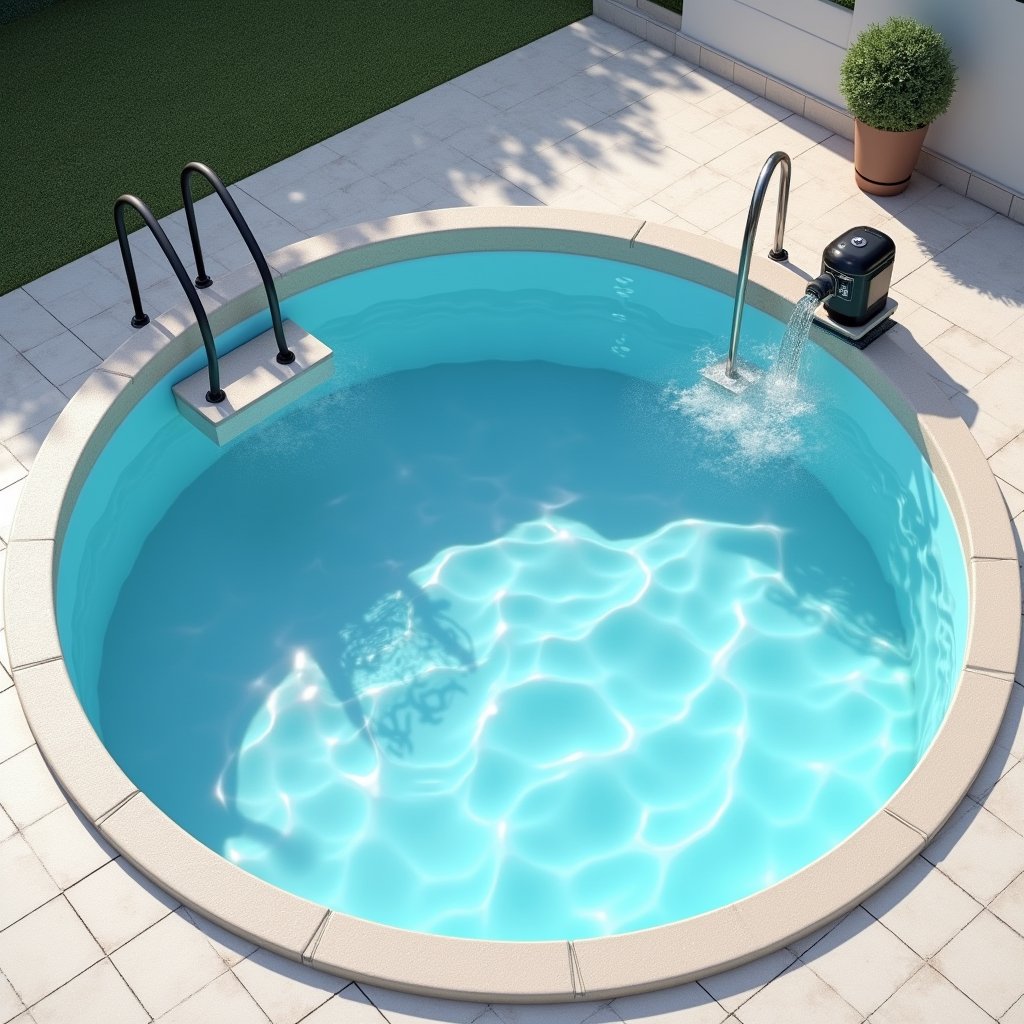
Understanding the intricate hydraulics that operate your plunge pool goes hand in hand with comprehending the importance of regular maintenance. A rigorous maintenance schedule is vital in guaranteeing long-lasting performance.
Plunge pool upkeep isn’t a tedious chore but an investment in your pool’s longevity. Here are three key aspects to take into account:
- Regular inspection of the pool mechanics can help spot potential issues before they escalate.
- Consistent water testing guarantees that the chemical balance is perfect, thereby preventing corrosion or buildup.
- Timely replacement of worn-out parts can save costly repairs later.
Neglecting regular maintenance can lead to unnecessary wear and tear, affecting your pool’s overall efficiency.
Future Trends in Plunge Pool Mechanics
As you explore deeper into the domain of plunge pool mechanics, it’s crucial to stay abreast with the emerging trends that are set to shape the future.
One major trend is the smart plunge, an integration of technology and mechanics that enhances user experience.
Smart plunge implements automated systems, allowing for effortless regulation of water temperature, pressure, and filtration. These systems use sensors and software to monitor pool conditions, making necessary adjustments and alerting users to any issues.
This advancement reduces the need for manual intervention, increasing efficiency and convenience.
It’s also eco-friendly, as smart plunge pools optimize energy consumption.
The future of plunge pool mechanics is certainly leaning in the direction of automation, with a focus on user-friendly, sustainable solutions.
Frequently Asked Questions
Can I Install a Plunge Pool Indoors?
Yes, you can install a plunge pool indoors.
You’ll need to take into account the space requirements, as plunge pools typically need a minimum of 6 square meters.
Make sure your indoor location can handle the weight and humidity.
It’s also essential to have a proper ventilation system to prevent mold growth.
Check with a professional to confirm your home’s suitability.
What Are the Health Benefits of Plunge Pools?
Did you know that a 10-minute dip in a plunge pool can boost your immune system? That’s one of the many health benefits you’ll enjoy.
The cold water stimulates your nerve endings, improving your circulation and releasing endorphins. It can also help reduce muscle inflammation and speed up recovery after a workout.
How Much Does It Typically Cost to Install a Plunge Pool?
You’re probably wondering about the cost of installing a plunge pool. It’s not as simple as one flat fee.
The type of materials you choose for your plunge pool can impact the cost considerably. More luxurious materials will raise the price.
The installation process itself also varies, as complex designs require more labor and time.
On average, you’re likely looking at a range of $20,000 to $30,000, but it can go higher depending on your preferences.
What Are the Safety Considerations for Using Plunge Pools?
When considering plunge pool safety, it’s vital to have clear emergency protocols.
You should make sure the pool’s depth is clearly marked to prevent diving accidents. Non-slip surfaces are fundamental to avoid slips and falls.
Regular water testing is also significant, keeping harmful bacteria at bay. Fence the pool area to keep unsupervised children out.
Always have a first-aid kit handy and proper lighting for night use. It’s all about prevention and preparedness.
Are Special Permits Required for Installing a Plunge Pool?
Yes, you’ll need special permits to install a plunge pool.
Permit requirements vary based on your location, but typically include building and electrical permits.
Your local government or council sets installation regulations to guarantee safety and compliance with local laws.
It’s essential to understand these regulations before starting your project.
Violating these can lead to fines or removal of your pool.