The cost of your plunge pool can vary broadly, typically falling between $10,000 – $20,000. This price range is primarily shaped by your pool’s size, material selection, level of design intricacy, and labor charges for installation. Prices can climb higher with customized features like special lighting, water features, or heating elements. Maintenance costs and necessary permits should also be factored into your budget. Local pool professionals can provide detailed quotes to help you understand your investment better, and financing options can assist in managing this purchase. Looking further into the matter will equip you with more insights into cost-effective alternatives and efficient financial planning.
Understanding Plunge Pool Pricing
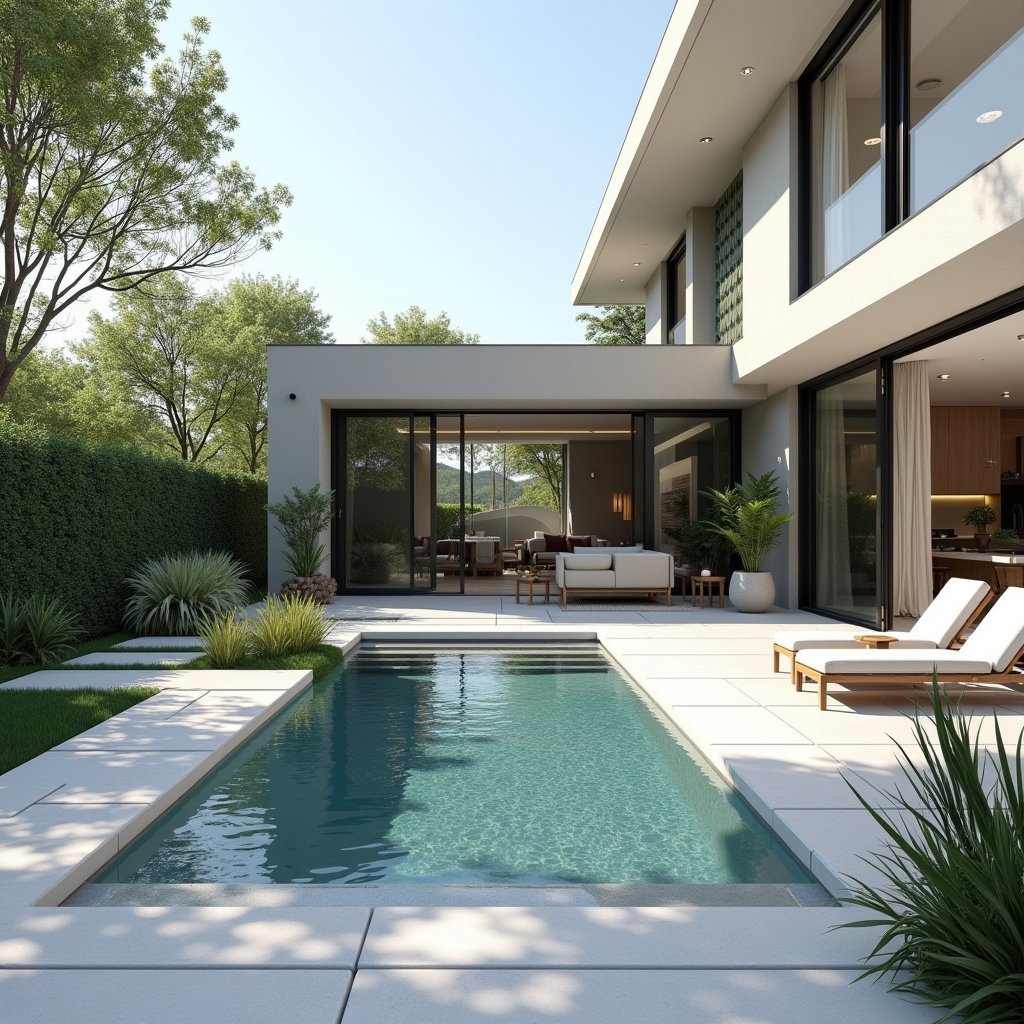
While you might be considering adding a plunge pool to your property, understanding the pricing of these luxurious additions is vital. The cost can vary considerably based on the plunge pool designs you choose.
Opting for a simple design will likely be more affordable than a more intricate, custom design. However, don’t let these costs intimidate you. The plunge pool benefits are plentiful and can often outweigh the initial investment.
They offer a revitalizing retreat during hot days, can enhance the overall aesthetic of your outdoor space, and may even increase your property value. So, when considering the cost, factor in these advantages.
It’s important to get a detailed quote from professionals, ensuring no hidden costs sneak up on you.
Basic Plunge Pool Costs
Diving into the basic costs of plunge pools, you’ll find that several factors can determine the final price.
One primary factor is the plunge pool sizes. Generally, larger pools will cost more due to the increased materials and labor required for installation.
Another significant determinant of cost is the plunge pool features you choose. Basic models may simply be a pool shell with a pump and filter system.
However, you can also opt for pools with additional features like heating systems, lighting, or water features. These will, of course, add to the overall cost.
While it’s challenging to provide an exact figure without specific details, you can expect basic plunge pool costs to range from $10,000 to $20,000.
Customization and Its Impact on Price
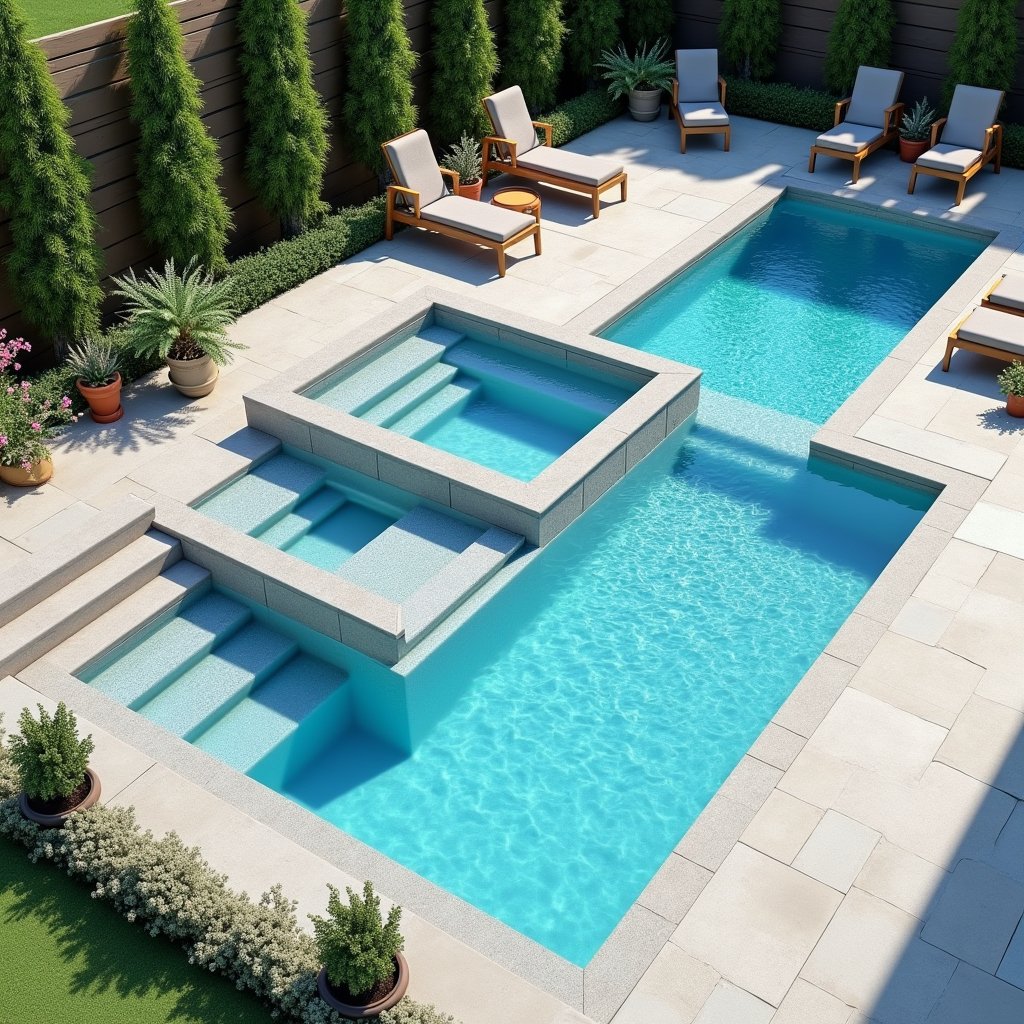
As you consider your plunge pool options, remember that customization can considerably impact the overall cost.
Personalization options are virtually limitless, from shape and size to design features like waterfalls or jets. Do you fancy an infinity edge or an attached spa? Each addition ramps up the price.
Decide what’s essential to your vision and what’s merely nice-to-have. Perhaps you want a unique tile pattern, but can live without the built-in seating.
Remember, while the initial costs might be higher, these choices can enhance your pool’s appeal and even boost your property value.
It’s all about achieving the perfect balance between your dream plunge pool and your budget.
Material Choices and Their Costs
When choosing a material for your plunge pool, it’s crucial to take into account both aesthetics and cost.
Concrete, fiberglass, and vinyl liner pools each have their own pricing structures and considerations.
In the following sections, we’ll break down the costs associated with each material, so you can make an informed decision on which is the best fit for your budget and style.
Concrete Plunge Pools Pricing
Choosing a concrete plunge pool comes with its own set of considerations, the most prominent being the pricing. Concrete pools are favored for their durability and design flexibility; however, these features come at a cost.
To give you an idea, consider the following factors affecting the price:
- Size and Depth: Larger, deeper pools require more materials, increasing costs.
- Design Complexity: Custom shapes or unique features like a waterfall or infinity edge will drive up the price.
- Finishes: Options like tiles or aggregate finishes can add considerably to the final cost.
- Concrete Durability: While a concrete pool may last longer, it requires regular maintenance, impacting long-term costs.
- Installation: The labor-intensive process of installing a concrete pool can inflate the initial price.
Fiberglass Pool Cost Considerations
While concrete plunge pools offer certain advantages, you might find fiberglass pools an appealing alternative, especially when considering cost.
Fiberglass benefits include lower initial costs and minimal maintenance expenses, making it a cost-effective choice in the long run.
Fiberglass pools are usually pre-manufactured and delivered in one piece, meaning installation is quicker and less labor-intensive. This not just reduces the upfront cost, but also the time it takes for you to start enjoying your pool.
Another consideration is the fiberglass longevity. With proper care, fiberglass pools can last for decades, offering excellent value for your investment.
However, remember to factor in the cost of occasional resurfacing, which will inevitably be required over time.
Vinyl Liner Pool Expenses
Exploring another option, let’s investigate vinyl liner pool expenses. Vinyl liner pools have both advantages and disadvantages that can impact your budget.
Here are some essential points to evaluate:
- Vinyl liner advantages include low initial cost, non-abrasive surfaces, and a wide variety of design possibilities.
- Vinyl liner disadvantages, however, encompass frequent liner replacements, potential for punctures, and less aesthetic appeal.
- Liner replacements typically cost between $3,000 to $5,000 and occur every 5 to 9 years.
- Vinyl liners can be susceptible to damage from sharp objects or pets.
- Resale value may be lower compared to concrete or fiberglass pools due to perceived quality.
Weigh these factors carefully before making your plunge pool material choice.
Installation Expenses to Consider
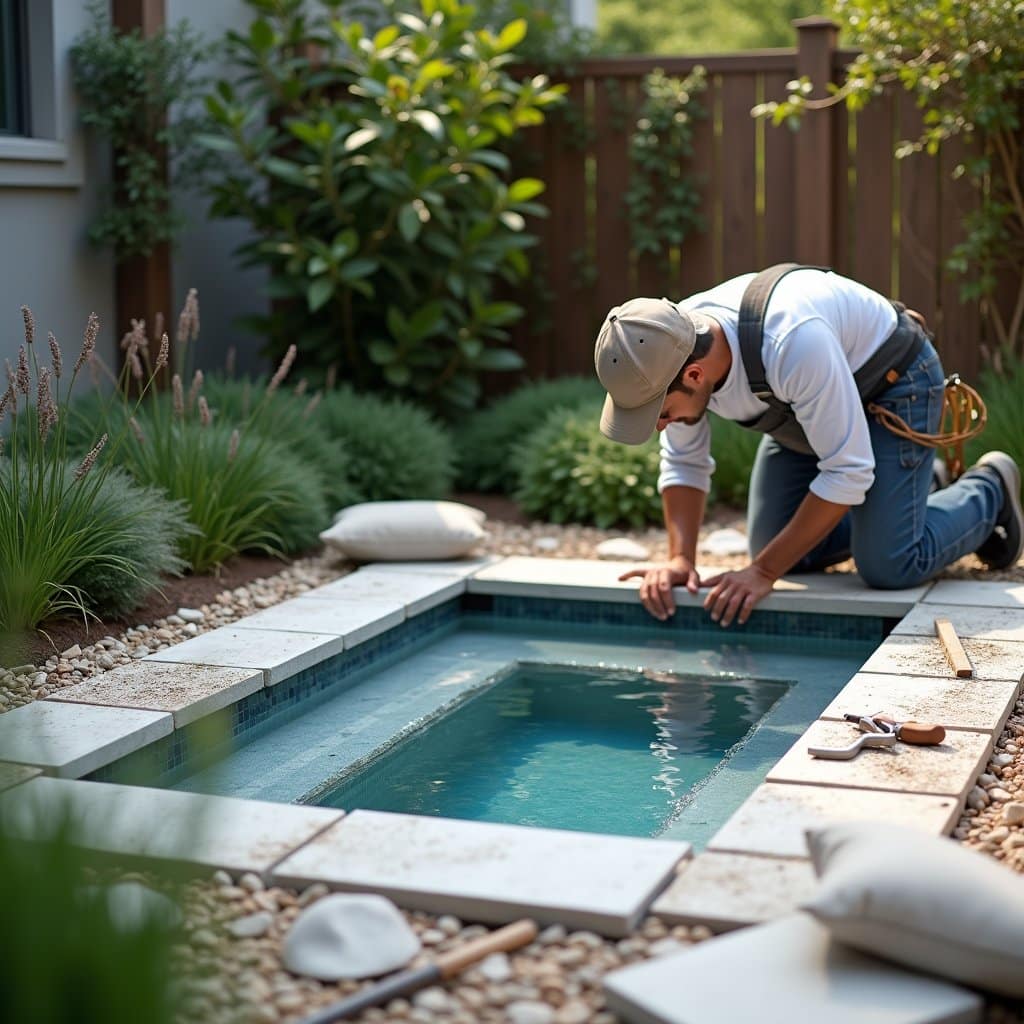
Before you immerse yourself in the inviting world of plunge pools, it’s crucial to have a grasp on the various installation expenses you’ll need to take into account.
Firstly, installation permits are a key expense. These permits guarantee your plunge pool complies with local building codes and regulations. Costs vary greatly by location but can’t be overlooked.
Site preparation is another significant cost. This involves clearing the area, excavating the ground, and setting up the necessary plumbing and electrical systems.
To give you a clearer picture, here’s a brief cost breakdown:
| Expense | Average Cost | Description |
|---|---|---|
| Installation Permits | $100-$800 | Varies by location |
| Site Preparation | $500-$2,500 | Includes excavation, plumbing, and electrical setup |
| Pool Installation | $20,000-$30,000 | Basic plunge pool installation |
Ongoing Maintenance Costs
After you’ve installed your plunge pool, it’s vital to factor in the ongoing maintenance costs to keep your pool in ideal condition.
Regular upkeep and seasonal maintenance are key in protecting your investment.
Here’s what you can expect:
- Regular Cleaning: This includes skimming, scrubbing, and vacuuming to keep your pool looking its best.
- Chemical Balancing: Regular testing and adjusting of your pool’s pH and chemical levels is fundamental.
- Filter Maintenance: Your filter needs to be checked and cleaned regularly to guarantee it’s working efficiently.
- Equipment Checks: Regular inspection of your pool’s pump, heater, and other equipment can prevent costly repairs.
- Seasonal Maintenance: Preparing your pool for the changing seasons is a must, especially in areas with harsh winters.
Cost-Effective Plunge Pool Alternatives
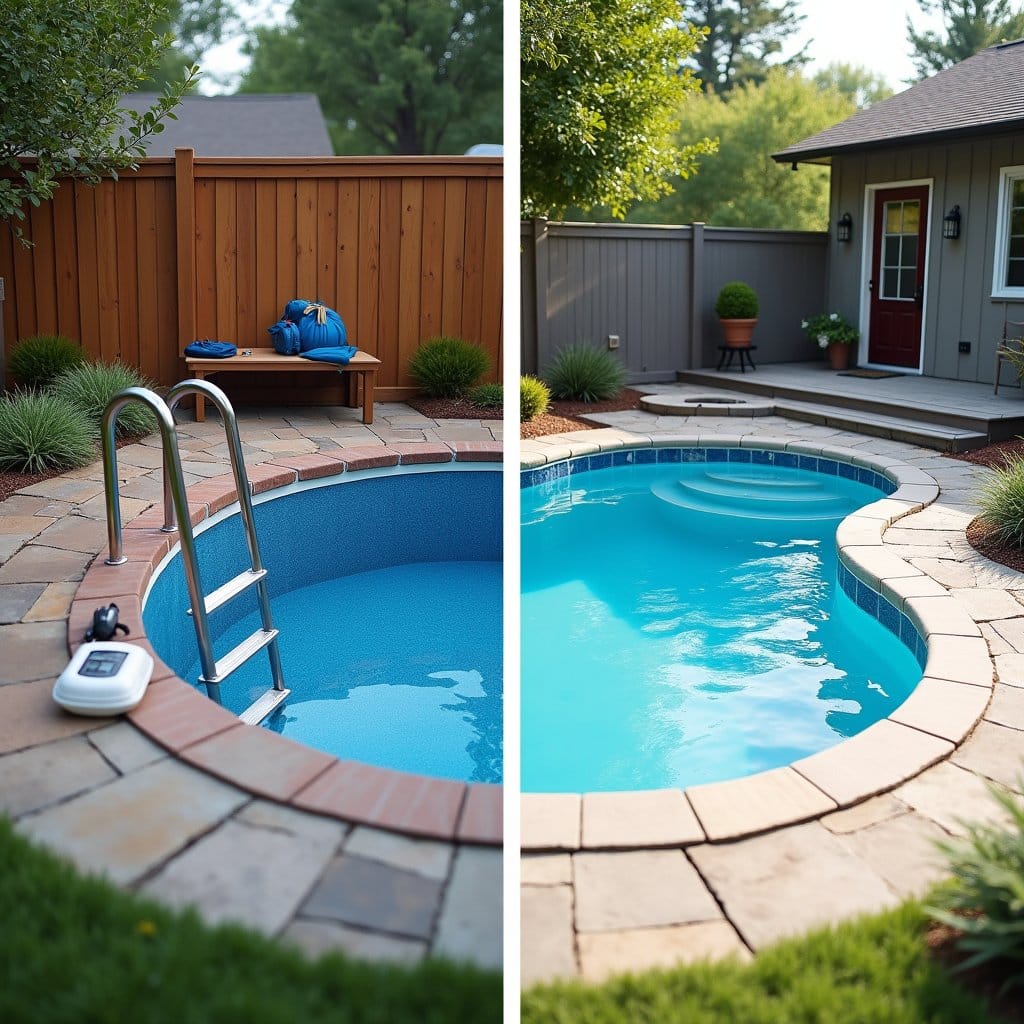
While plunge pools are a luxurious addition to any home, they’re not always the most cost-effective choice.
You’ll be glad to know there are affordable alternatives available that provide the same invigorating experience.
From pre-made options to DIY solutions, let’s explore the various paths to owning a budget-friendly plunge pool.
Affordable Plunge Pool Options
Though you may desire the luxury of a plunge pool, you might balk at the potential cost.
However, don’t let the potential price tag deter you. There are affordable materials and budget-friendly designs that can make your dream a reality.
Consider these cost-effective alternatives:
- Fiberglass pools: These are pre-formed and easy to install, reducing labor costs.
- Vinyl liner pools: They offer versatility in design and are less expensive than concrete.
- Above-ground pools: These require less excavation, reducing installation costs.
- Smaller pools: By simply reducing the size of your pool, you can save considerably.
- Minimalistic designs: Avoiding extravagant features and opting for a simple design can be a budget-friendly option.
DIY Plunge Pool Solutions
Beyond exploring affordable plunge pool options, you might even be considering going the DIY route. With careful budget planning, this can be a cost-effective solution.
First, you’ll need to secure DIY materials, including a sturdy pool liner, filtration system, and building materials for the pool’s structure. Pre-fabricated pool kits are also available that can simplify the process.
Next, you’ll need to allocate funds for potential installation help. Even if you’re handy, certain aspects, like electrical work, should be left to professionals.
Finally, factor in maintenance costs. DIY doesn’t mean free, but with careful planning and a bit of sweat equity, it can be a cost-saving plunge pool alternative.
Factors Influencing Plunge Pool Prices
Considering the cost of a plunge pool, several key factors come into play. Primarily, the plunge pool size and plunge pool location greatly impact the total price.
Here are five essential aspects you should consider:
- Size – Larger pools require more materials and labor, increasing the overall cost.
- Location – The accessibility of your chosen site can influence the installation expenses.
- Materials – The choice between concrete, fiberglass, or vinyl can affect the price.
- Design – Unique or complex designs will invariably cost more than simple, standard options.
- Extras – Features like heating, lighting, or waterfalls, while enhancing your pool, will add to the final tally.
Understanding these factors will help you make informed decisions and manage your budget effectively.
Hidden Costs to Beware Of
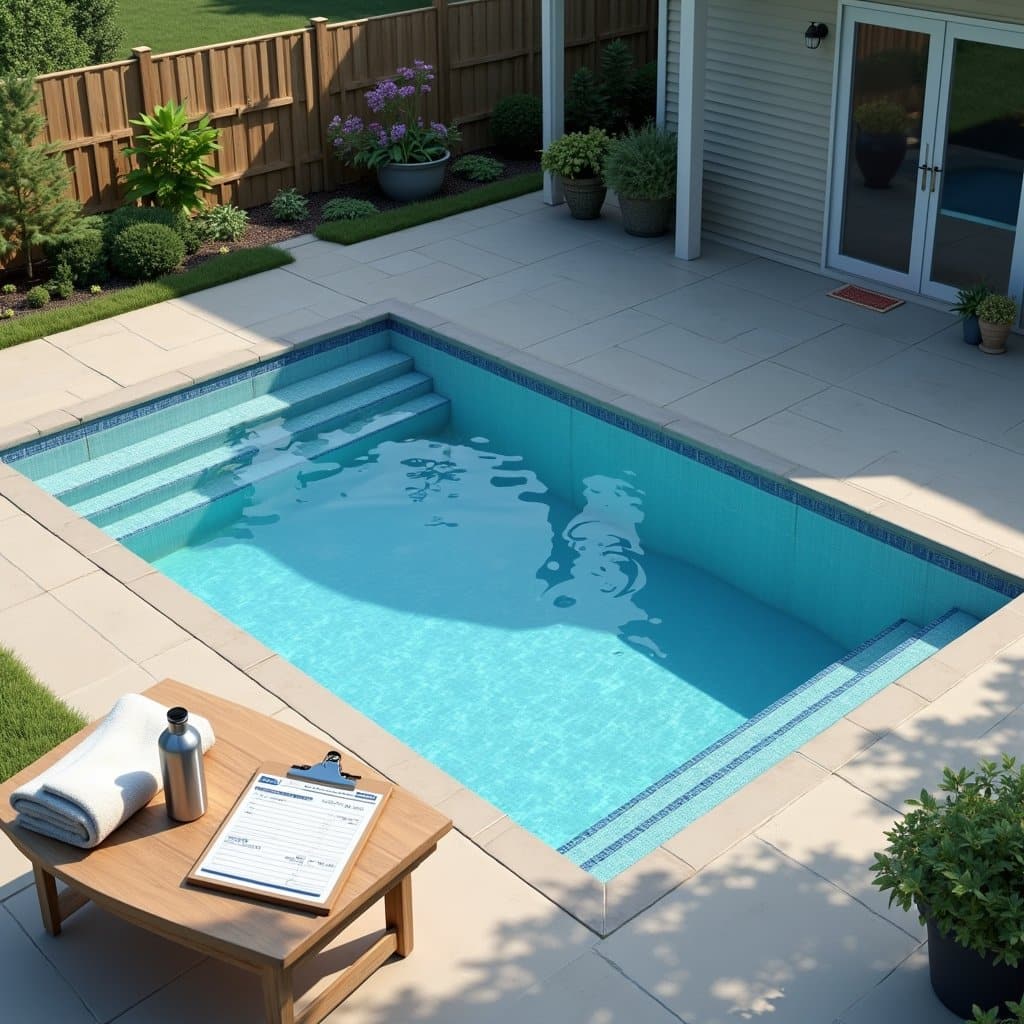
While you might be tempted by the allure of a plunge pool, it’s essential you’re aware of the potential hidden costs.
Installation and maintenance fees can add up quickly and often, additional expenses are underestimated.
It’s important to account for these hidden costs in your budget to avoid any unwelcome surprises down the line.
Installation and Maintenance Fees
Although you may be excited about the prospect of adding a plunge pool to your property, it’s important to reflect on all the associated costs.
A significant portion of these will be from the installation process and maintenance schedules.
Here are some fees to take into account:
- Installation: This process involves digging, plumbing, and finalizing the pool’s structure. Costs can vary depending on your pool’s specifications.
- Maintenance: Regular cleaning and chemical balancing are essential.
- Equipment: Pumps, heaters, and filters aren’t cheap and may need replacement over time.
- Energy: Pools use a lot of electricity. Remember to factor this into your budget.
- Repairs: Pools can get damaged. Set aside funds for potential repair costs.
Being aware of these costs guarantees you’re prepared for your plunge pool journey.
Underestimated Additional Expenses
Even if you’ve budgeted for the standard costs of a plunge pool, hidden expenses can sneak up on you. The desire for additional features can quickly inflate your initial expenditure. Aesthetic enhancements such as waterfalls, lighting, or high-end finishes aren’t cheap.
Furthermore, consider the ongoing costs of these features, including energy usage and maintenance. Unexpected repairs can also gouge your wallet. Despite the best care, pools can still suffer from cracks, leaks, or pump failures.
Regular inspections can help to catch issues early, but it’s wise to set aside a contingency fund for these unforeseeable expenses. Consequently, when planning your plunge pool budget, remember to factor in these underestimated additional expenses to avoid unpleasant financial surprises.
Ways to Finance Your Plunge Pool
Financing your plunge pool might seem intimidating at first, but there are several practical options you can consider.
Effective budget planning is key, and understanding the various financing options available is essential.
- Personal Savings: You can save up for the pool over time. It’s a slower method, but it’s straightforward and doesn’t carry the risk of debt.
- Home Equity Loan: If you have equity in your home, you can use it to finance your pool.
- Personal Loan: There are many lenders that offer personal loans for home improvements.
- Credit Card: Some choose to finance their pool using a credit card, but be aware of high interest rates.
- Financing through the Pool Company: Some companies offer financing options, which can be convenient.
Choose the option that best suits your financial situation.
Frequently Asked Questions
What Are the Health Benefits of Plunge Pools?
Did you know that 80% of professional athletes use plunge pools for muscle recovery?
That’s right, you can also reap the hydrotherapy benefits of these pools. Soaking in cold water helps your body recuperate, reducing inflammation and easing muscle soreness.
Additionally, it stimulates circulation, promoting better overall health. Immerse yourself in a plunge pool and feel the invigorating impact of cold-water therapy.
Experience a world of wellness benefits just by taking the leap!
Are Plunge Pools Suitable for All Climates?
Plunge pools aren’t suitable for all climates. If you’re in a colder climate, you’ll face installation challenges, like the need for heating and insulation to prevent freezing.
Warmer climates are more ideal. However, with proper planning and climate considerations, it’s possible to install and enjoy a plunge pool in many different climates.
Always consult with a professional to decide if a plunge pool is the right fit for your location.
How Much Space Is Needed for a Plunge Pool?
Considering the space requirements for a plunge pool, you’ll typically need a minimum of 10 to 15 square feet.
However, for a truly comfortable design, aim for 100 to 120 square feet.
It’s not just about fitting the pool in, it’s about creating a space that feels open, relaxing, and integrated with your property.
So, keep these design considerations in mind when planning.
What Is the Typical Lifespan of a Plunge Pool?
The typical lifespan of a plunge pool relies heavily on maintenance and materials used.
If you’re diligent with your plunge pool maintenance, it’ll likely last 10-20 years. High-quality materials also extend its lifespan.
But remember, it’s not just about longevity. Proper care enhances your pool’s performance and aesthetic appeal, giving you a comfortable and beautiful place to relax for years to come.
Is a Permit Required to Install a Plunge Pool?
Yes, you’ll generally need a permit to install a plunge pool.
Permit regulations vary depending on your local government, so it’s vital to check with them about specific installation requirements.
It’s not just about legality; permits guarantee your pool’s safe and structurally sound.
Skipping this step can lead to fines or removal orders.
Also, if you’re planning to hire a contractor for the job, they may be able to assist in acquiring the necessary permits.