



Create a year-round outdoor maintenance schedule by breaking tasks into seasonal blocks. You’ll need to focus on cleanup and growth preparation in spring, deep watering and equipment care during summer, leaf removal and winterizing in fall, and snow management plus protection in winter. Keep a monthly checklist for regular tasks like gutter cleaning, equipment checks, and pest control. Follow this structured approach to cut maintenance costs and prevent most common yard issues.
Why Every Yard Needs a Structured Maintenance Plan

A well-structured outdoor maintenance plan serves as your property’s foundation for long-term success. By implementing a thorough lawn care plan, you’ll guarantee your outdoor space remains safe, healthy, and visually appealing throughout the year.
Your maintenance schedule should account for your specific grass type and growing conditions, helping you identify potential issues before they become costly problems. When you’re following a structured approach to lawn maintenance, you’ll find it easier to track and complete essential maintenance tasks at the right intervals. This systematic method keeps your lawn healthy while saving you time and money in the long run.
Essential Tools and Equipment for Year-Round Care
You’ll optimize your yard maintenance efficiency by starting with a core set of power tools, like Stihl’s KombiSystem, which offers versatile attachments for edging, pruning, blowing, and cultivating from a single power source. Your basic hand tool collection should include pruning shears, a trowel, and a rake to complement your power equipment and handle detailed garden work. When selecting tools, prioritize quality battery-powered systems with consistent charging platforms to maintain long-term reliability and reduce the need for frequent replacements.
Must-Have Hand Tools
Whether you’re maintaining a small garden or managing a large property, having the right hand tools is crucial for effective outdoor maintenance. For cool-season and warm-season grasses alike, you’ll want to start with a straight edger to create clean borders along walkways, making your early spring lawn maintenance more efficient.
A pole pruner should be your go-to tool for managing overhead growth, allowing you to address your lawn needs safely from ground level. When it comes to post-mower maintenance cleanup, a blower will make quick work of grass clippings and fallen debris. Don’t forget a mini-cultivator for soil preparation and aeration, especially before watering new plantings. Consider investing in a versatile system like the Stihl KombiSystem, which combines multiple tools with a single power source, streamlining your tool storage and maintenance routine.
Power Equipment Basics
Building on your hand tool collection, power equipment adds muscle and efficiency to your outdoor maintenance tasks. You’ll want to start with a reliable lawn mower that maintains consistent grass blade height for healthy lawn maintenance. Pair this with a cordless two-speed leaf blower to quickly clear grass clippings after mowing.
For deep cleaning, an electric pressure washer is indispensable. It’ll restore your concrete surfaces, and when combined with Oxy Solve Cleaner, you’ll see dramatic improvements in your driveway’s appearance. Consider adding an aerator for better fertilizer absorption and weed control. Don’t forget about proper watering – installing an automated irrigation system can save time while ensuring consistent moisture levels. For evening maintenance and safety, integrate LED terrain disc lights to illuminate your work areas and highlight your property’s features.
Spring Tasks: Setting the Foundation
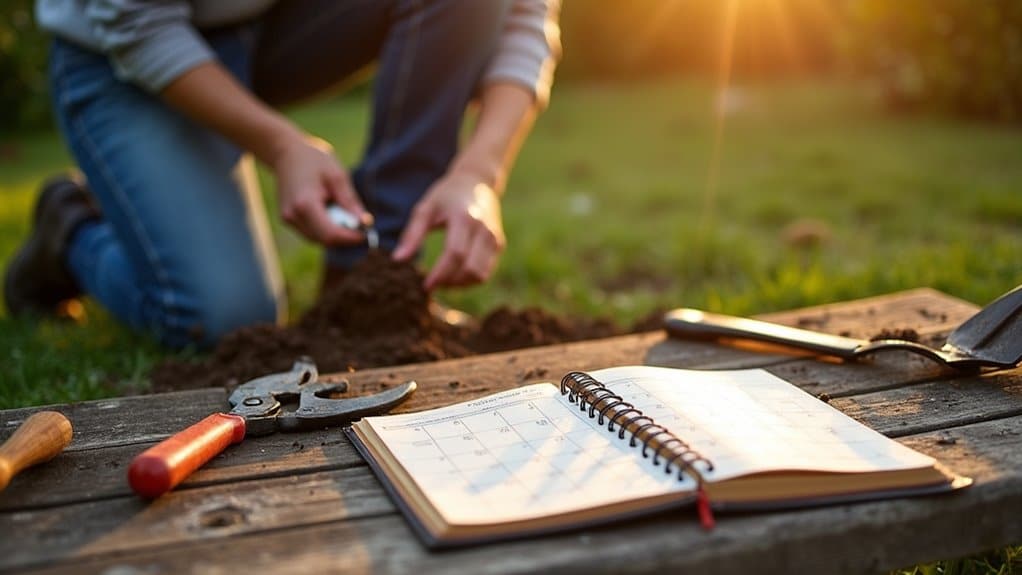
Once spring arrives, your lawn requires specific maintenance tasks to establish a strong foundation for the growing season. It’s critical to know that proper lawn maintenance during this ideal time sets the stage for healthy lawn development throughout the year.
The process involves thorough yard cleanup by raking leaves and removing dead grass and debris. Now’s the time to move forward with aeration, which improves soil quality and root growth. Select and apply appropriate fertilizer for your specific grass type to provide essential nutrients for spring growth. Don’t forget to overseed any thin or bare patches to guarantee uniform coverage. Before you begin these tasks, make sure your lawn equipment is properly maintained sharpen mower blades and tune up power tools to keep your yard in good condition all season.
Summer Maintenance: Peak Growth Management
Keep your garden thriving through summer’s intense heat by watering deeply during early morning hours and installing moisture sensors to optimize your irrigation schedule. You’ll want to maintain your equipment weekly, ensuring mower blades stay sharp and sprinkler heads remain unclogged for peak performance. Consider adding drought-tolerant varieties like sedum, lavender, and black-eyed susans to reduce water consumption while maintaining visual appeal in high-temperature areas.
Efficient Water Usage Tips
Smart water management during peak growth season can greatly reduce waste while maintaining a vibrant milieu. You’ll get the best results by watering deeply once or twice per week, which promotes stronger root development compared to frequent shallow watering.
Use a moisture meter to determine precise watering needs rather than following a rigid schedule. Schedule your watering for early morning or late evening when evaporation is minimal and absorption is ideal. Fine-tune your sprinkler patterns to guarantee water reaches only your grass, avoiding driveways and sidewalks. For maximum efficiency, install a smart irrigation controller that automatically adjusts watering cycles based on real-time weather data. This technology helps prevent overwatering during rainy periods and increases water output during dry spells, ensuring your landscape gets exactly what it requires.
Essential Equipment Maintenance Guide
During the peak growth season of summer, maintaining your lawn equipment becomes crucial for ideal performance and longevity. Creating a maintenance calendar for your essential tools will prevent costly repairs and keep your equipment working well throughout the season of rapid grass growth.
- Sharpen your mower blades every 20-25 hours of use to avoid damaging your lawn and guarantee clean cuts
- Clean the mower’s undercarriage weekly to maintain proper airflow and prevent premature wear
- Replace air filters after 50-100 hours of operation to optimize engine performance
- Follow manufacturer guidelines for lubricating moving parts on all power equipment
Don’t forget to check your spark plug regularly and keep your tools clean after each use. These simple maintenance steps will extend your equipment’s life while delivering consistent results throughout the growing season.
Heat-Resistant Plant Selection
When temperatures soar in summer, choosing heat-resistant plants becomes essential for maintaining a vibrant terrain with minimal water consumption. You’ll want to focus on succulents, cacti, and drought-tolerent shrubs and trees like lavender and sage to guarantee healthy growth throughout the season. To protect your garden beds from soil compaction and moisture loss, apply fresh mulch 2-4 inches deep using wood chips or shredded bark.
Position shade-loving plants strategically to shield them from intense afternoon sun, and remove excess leaves and debris to promote new growth. For your lawn’s survival, set your mower height to 3-4 inches and use a core aerator to improve root development. Water deeply once or twice weekly rather than daily, encouraging plants to develop stronger drought resistance and deeper root systems.
Fall Preparations: Transitioning to Dormancy
As temperatures begin to drop and daylight hours shorten, your lawn and garden require specific care to shift into winter dormancy. Taking time for proper fall maintenance now guarantees a healthy and beautiful lawn come spring. Your efforts during this pivotal period will promote strong root growth and protect your outdoor spaces through winter.
- Remove fallen leaves and debris from your lawn to prevent grass suffocation and maintain good air circulation
- Fertilize cool-season grasses to strengthen roots and prepare them for healthy spring growth
- Aerate your soil to improve water penetration and reduce compaction, setting the stage for sturdy growth
- Overseed thin areas and trim back perennials, then apply a protective layer of mulch to shield plant roots from winter damage
Winter Care: Protecting Your Investment
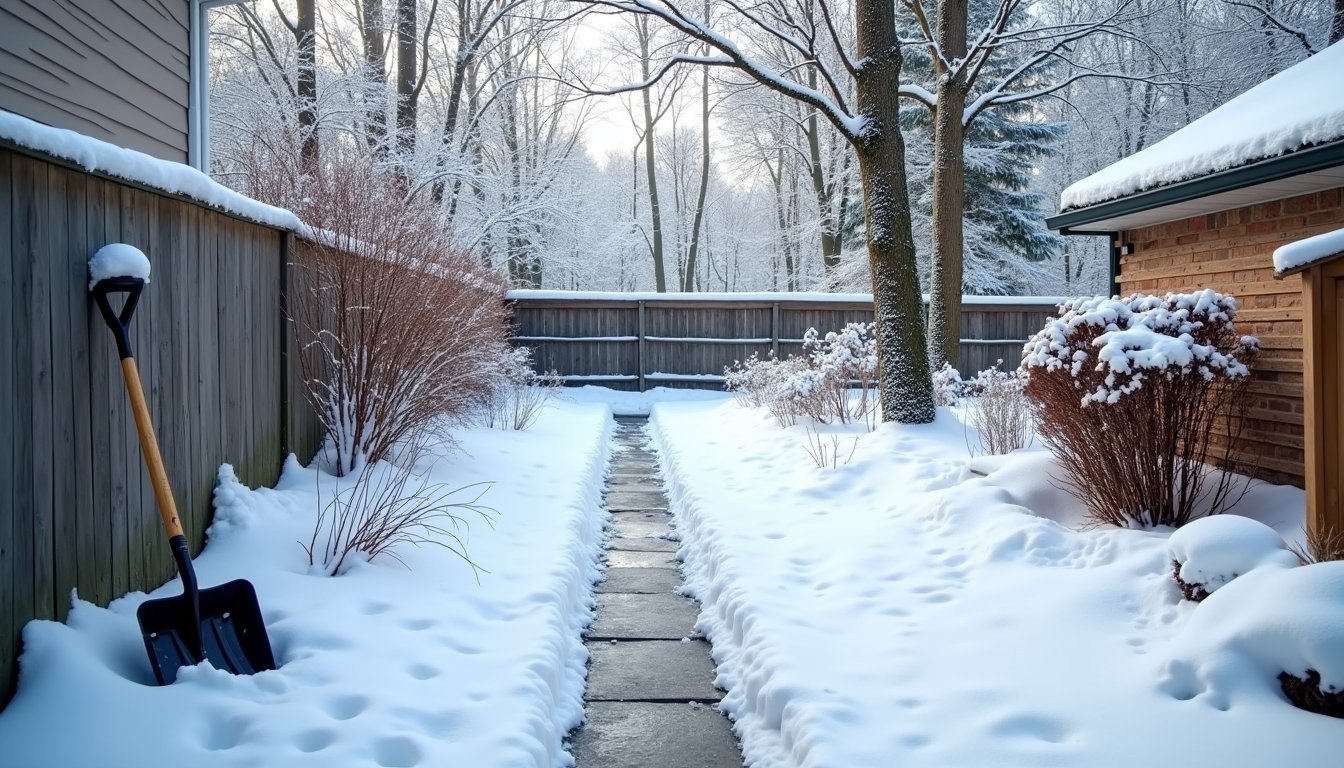
The harsh winter months can quickly damage your outdoor spaces without proper protection and ongoing maintenance. To prevent damage, apply a thick layer of mulch around plants and trees before the ground freezes they’ll be less likely to suffer from frost heave and winter kill.
Stay on top of snow and ice removal to protect your hardscaping. When using ice melt products, choose pet and plant-safe options that won’t damage the grass or harm concrete surfaces. Make sure to clear heavy snow from shrubs and tree branches to prevent breakage from excess weight.
Keep your gutters clear of ice dams by removing snow buildup from your roof’s edge. Monitor your irrigation systems and outdoor plumbing, ensuring they’re properly winterized to avoid burst pipes during freeze-thaw cycles.
Monthly Checklist for Success
Maintaining your outdoor spaces requires a systematic approach throughout the year. Your curb appeal depends on keeping your lawn and property in top condition from late spring through fall. The frequency of watering will depend on your type of grass and climate, but following a monthly checklist helps prevent problems before they start.
- Start in June by clearing gutters, which is the best time before summer storms arrive
- Check lawn equipment in July to guarantee proper mowing and maintenance
- Update outdoor lighting in August for heightened security and aesthetics
- Focus on pest control in September, followed by thorough leaf removal in October
This systematic approach transforms overwhelming maintenance tasks into manageable monthly projects, safeguarding your outdoor spaces remain beautiful and functional year-round.
Frequently Asked Questions
How to Create a Planned Maintenance Schedule?
Start by listing all your seasonal landscaping tasks and breaking them into monthly segments. You’ll want to include regular cleaning routines and monthly outdoor inspections. Create a checklist that covers winterizing equipment, spring yard cleanup plans, and summer gardening maintenance. Don’t forget to schedule bi-annual roof inspections and fall leaf removal strategies. Use a digital calendar or planner to set reminders, and you’ll stay on top of your maintenance duties year-round.
How to Create a Maintenance Calendar?
To create a maintenance calendar, you’ll need to map out your seasonal care tasks and preventative maintenance steps throughout the year. Start by listing facility upkeep routines for each month, then incorporate site preservation strategies and grounds management techniques. Use a digital or physical calendar to schedule your outdoor chore organization. You can color-code your year-round maintenance plan and set reminders for recurring tasks to guarantee your property maintenance calendar stays on track.
How Do I Make a Lawn Care Schedule?
Start by determining your grass type to establish proper mowing frequency and watering requirements. Create a monthly calendar marking fertilizer applications for spring and fall, and schedule aeration needs for compacted soil. Plan overseeding timing to coincide with your grass’s peak growing season. Set a regular trimming schedule for edges and a pruning cycle for nearby shrubs. Don’t forget to include seasonal pest control schedules to prevent infestations.
What Is Outdoor Maintenance?
Outdoor maintenance is your thorough approach to managing all yard tasks and seasonal chores around your property’s exterior. It includes your landscaping upkeep, gardening responsibilities, and outdoor cleaning duties that keep your home looking its best. You’ll need to handle home exterior care like gutter cleaning, property inspection requirements, and diverse curb appeal projects. These activities protect your investment, safeguard safety, and preserve your property’s value throughout the year.