Your custom outdoor signs in 2025 need to blend sustainable materials with smart technology integration for maximum impact. You’ll want to incorporate recycled metals, LED lighting, and QR codes while ensuring weather-resistant construction using marine-grade aluminum and UV-stabilized finishes. Position your signs strategically at eye level along high-traffic routes, and don’t forget to comply with local regulations. These key principles will set your signage up for long-term success and ROI.
Sustainable Materials and Eco-Friendly Design Trends
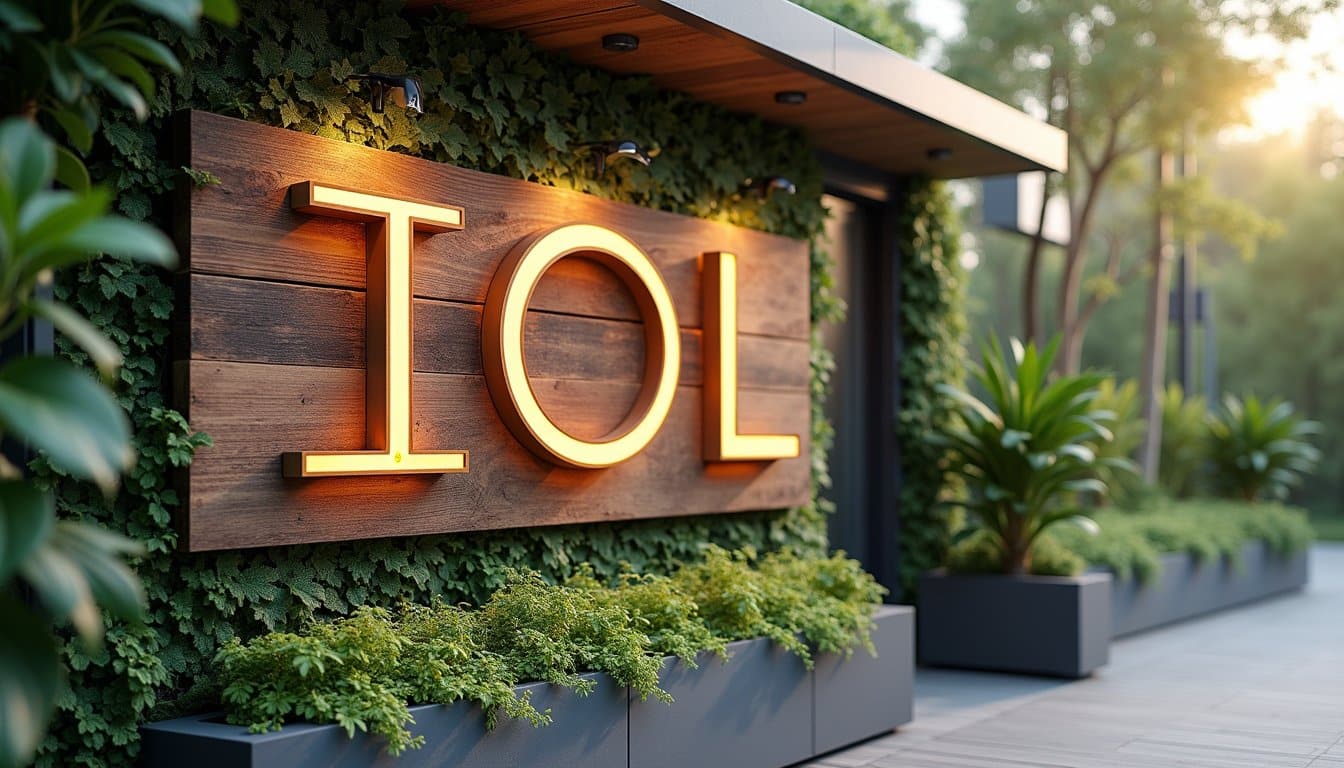
The sustainable revolution in outdoor signage is transforming how businesses communicate their brand identity while minimizing environmental impact. You’ll find cutting-edge sustainable materials at the forefront, with recycled metals and responsibly sourced woods leading the charge in eco-friendly design.
Energy-efficient LED lighting and solar-powered solutions offer you powerful visibility while reducing your carbon footprint. By incorporating clean lines and sleek typography into your minimalist design approach, you’re not just creating visually striking signage you’re demonstrating environmental responsibility that resonates with today’s conscious consumers.
These sustainable choices position your brand as a forward-thinking industry leader. When you combine recycled materials with energy-efficient technology, you’ll create impactful signage that reflects your commitment to both visual excellence and environmental stewardship.
Digital Integration and Smart Technology Features
As digital technology revolutionizes outdoor signage, your business can now harness powerful smart features that transform static displays into dynamic, interactive experiences. Integrate QR codes and NFC technology with your digital signage to create personalized customer touchpoints, while utilizing live content feeds and dynamic messaging to keep your displays fresh and engaging.
You’ll reduce operational costs by implementing energy-efficient LED lighting and solar power solutions. Advanced data analytics and AI-powered software optimize your content’s performance, ensuring maximum impact and visibility. The responsive interfaces make remote management seamless, allowing you to update content instantly from anywhere.
These smart features don’t just modernize your signage they create measurable engagement opportunities while delivering sustainable, future-proof solutions for your outdoor advertising needs.
Weather-Resistant Construction Methods

Modern weather-resistant construction methods revolutionize how your outdoor signs withstand nature’s harshest elements. By combining marine-grade aluminum with stainless steel hardware, you’ll safeguard your signage maintains structural integrity against extreme conditions. UV-stabilized inks and powder-coated finishes provide superior protection against corrosion, fading, and wear.
Your outdoor signs benefit from advanced waterproofing techniques, including seamless joints and weather-tight fasteners that prevent moisture infiltration. We utilize nonporous materials like acrylic and polycarbonate in wet climates, while reinforced structural designs keep your metal signs stable in high winds. Every component, from silicone gaskets to sealed edges, works together to create a thorough weather-resistant system. You’ll get long-lasting performance that maintains your sign’s professional appearance through rain, snow, and intense sunlight.
Strategic Placement and Visibility Optimization
Strategic placement transforms your outdoor signage into powerful marketing assets that capture attention and drive engagement. You’ll maximize your brand visibility by positioning custom signs at eye level near entrances and along high-traffic routes. Consider these placement strategies for ideal wayfinding and business exposure:
| Location Factor | Optimization Technique |
|---|---|
| Height | Eye-level mounting |
| Traffic Flow | High-volume pathways |
| Viewing Distance | Size-appropriate scale |
| Illumination | Backlit technology |
| Navigation | Directional systems |
Your outdoor signage requires regular assessment to maintain peak performance. Monitor changing traffic patterns and adjust placement accordingly. Implement illuminated solutions for 24/7 visibility, and make sure your signs are sized correctly for their intended viewing distance. Strategic wayfinding elements throughout your property will guide customers seamlessly while reinforcing your brand presence.
Regulatory Compliance and Local Guidelines
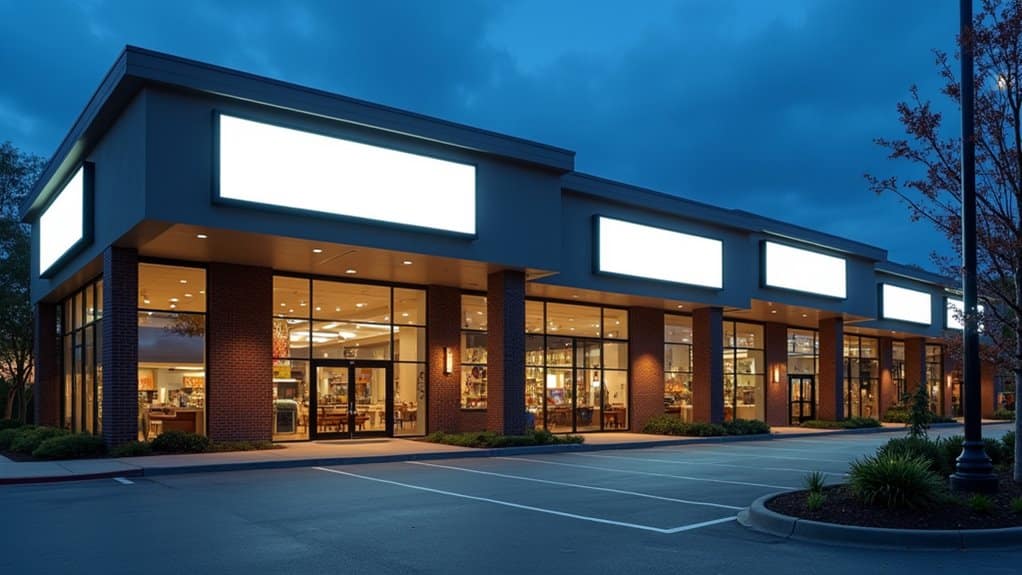
Understanding local regulations shapes every aspect of your outdoor signage strategy. You’ll need to partner with an experienced sign company that knows your area’s specific requirements for wayfinding signs and Durable Outdoor installations. Before mounting any displays, research municipal guidelines covering size restrictions, lighting standards, and environmental impact assessments.
Ensure your outdoor signage complies with building codes while maintaining a cohesive streetscape. You’ll need proper permits that verify structural integrity and public safety standards. Consider factors like height limitations, setback requirements, and material specifications when planning your installation. Regular maintenance checks help you stay compliant with regulatory compliance updates, potentially reducing long-term maintenance costs. Document all inspections and modifications to demonstrate your commitment to following local guidelines, as authorities frequently review signage standards to improve community aesthetics.
Frequently Asked Questions
How Long Does It Typically Take to Manufacture and Install Custom Outdoor Signs?
You’ll find that custom outdoor sign timelines vary based on several factors. Your sign production timelines typically range from 2-8 weeks, depending on materials procurement and manufacturing efficiency. Lead time estimation should account for design approval, construction timeline, and logistical planning. The installation process duration usually takes 1-3 days, though on-site installation challenges like weather and accessibility can extend this. Project management strategies help coordinate transportation considerations for a smoother process.
What Are the Average Maintenance Costs for Outdoor Signs per Year?
You’ll typically spend between $500-$2,000 annually on outdoor sign maintenance, depending on your sign material longevity and size. Plan for bi-annual seasonal cleaning schedules ($200-400), lighting system upgrades ($300-600), and professional inspection services ($150-300). You can reduce costs with DIY maintenance options, but don’t skip regular sign inspection frequency. Factor in potential compliance with local regulations and sustainable design principles to avoid unexpected expenses. Consider sign site preparation and eventual removal costs in your budget.
Can Existing Outdoor Signs Be Retrofitted With Newer Sustainable Materials?
Yes, you can retrofit your existing outdoor signs with sustainable materials through several cost-effective strategies. Consider upgrading to energy-efficient LED lighting systems, applying weather-resistant coatings, and implementing modular design options that allow for easy component replacement. You’ll find different material recycling programs that’ll help you shift to eco-friendly materials while maintaining your sign’s integrity. Reusable mounting systems and maintenance-friendly components can extend your sign’s lifespan while reducing environmental impact and operating costs.
Do Warranties Cover Damage From Extreme Weather Conditions or Vandalism?
Most sign warranties don’t automatically cover extreme weather or vandalism damage, but you’ll want to review your specific warranty coverage carefully. Weather-resistant coatings can extend your sign’s durability, while meeting local regulations for installation safety. Consider supplementing with business insurance for all-encompassing protection. You’ll find that many manufacturers offer tiered warranty options, and it’s smart to factor in vandalism prevention features and replacement planning when selecting your coverage.
What Financing Options Are Available for Large-Scale Outdoor Signage Projects?
You’ll find multiple financing paths for your large-scale signage projects. Traditional bank financing and small business loans offer structured payment options, while government grants can provide partial funding for qualifying businesses. Consider exploring sponsorship partnerships or crowdfunding campaigns to offset costs. Many sign manufacturers offer flexible leasing programs and installment plans. If you’re a nonprofit, you can tap into specialized funding sources or corporate donations. Vendor financing often provides competitive terms for immediate project starts.