
To lower high cyanuric acid fast, you’ll need to drain and refill your pool. Start with an accurate test to confirm your starting CYA level. Then dilute with fresh water using a simple rule: the percentage of water you replace roughly equals the reduction you’ll get. For 100 ppm, replacing about 60% brings you to ~40 ppm. Work in cycles, retest after circulation, and target 30–50 ppm. There’s more you’ll want to know below.
Key Takeaways
- Draining and refilling with fresh water is the fastest, most reliable way to lower cyanuric acid levels.
- Start with an accurate test, since the percentage of water replaced roughly equals the CYA reduction achieved.
- Replacing about 60% of water lowers CYA from 100 ppm to around 40 ppm.
- Work in cycles of no more than one-third water replaced, retesting after full circulation to hit 30–50 ppm.
- Stop using stabilized chlorine products like trichlor and dichlor to prevent CYA from climbing again.
How do you lower cyanuric acid in your pool
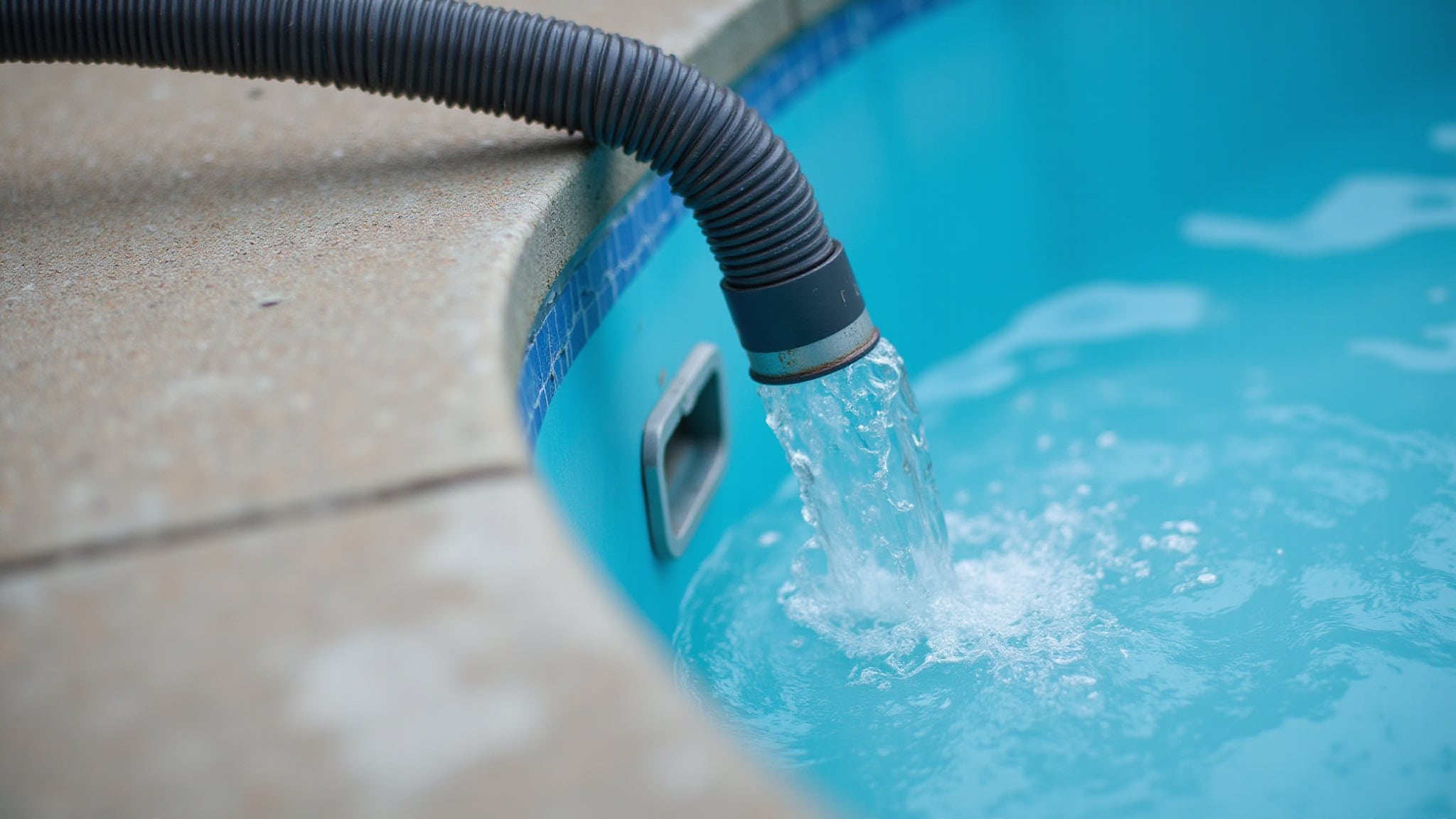
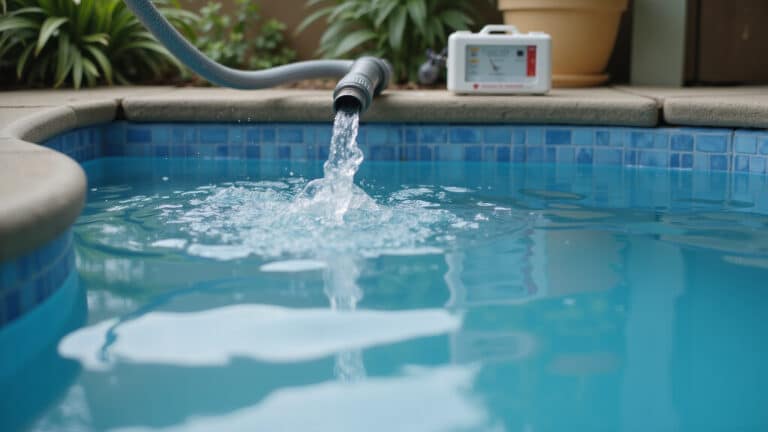
The fastest, most reliable way to lower cyanuric acid is partial drain-and-refill. This method relies on dilution: you replace CYA-laden water with fresh water, which immediately lowers the concentration once everything mixes.
Start by testing accurately so you know your exact starting point. Use a rule of thumb where the percentage of water you replace roughly matches the percentage reduction you need. For example, dropping cyanuric acid from 100 ppm to 40 ppm means replacing about 60% of the water.
Work in controlled chunks, no more than about one-third per cycle, refilling immediately after each drain. Run circulation long enough to mix thoroughly, then retest to confirm you’ve reached the 30–50 ppm target range.
What is cyanuric acid and why do levels get too high
Cyanuric acid works as a stabilizer, protecting free chlorine from rapid breakdown under sunlight. Without it, UV radiation destroys chlorine within hours, forcing you to add more and losing sanitizing capacity. That protective role makes cyanuric acid a core part of pool chemistry, but it doesn’t dissipate the way chlorine does. Levels climb because most stabilized chlorine products, like dichlor and trichlor, add cyanuric acid every time you dose. Each application layers more stabilizer into the water, and it accumulates steadily. Over weeks or months, concentrations drift well above the 30–50 ppm target, disrupting water balance and reducing chlorine effectiveness. Recognizing this buildup mechanism helps you diagnose the problem accurately before taking corrective action.
What problems does high cyanuric acid cause
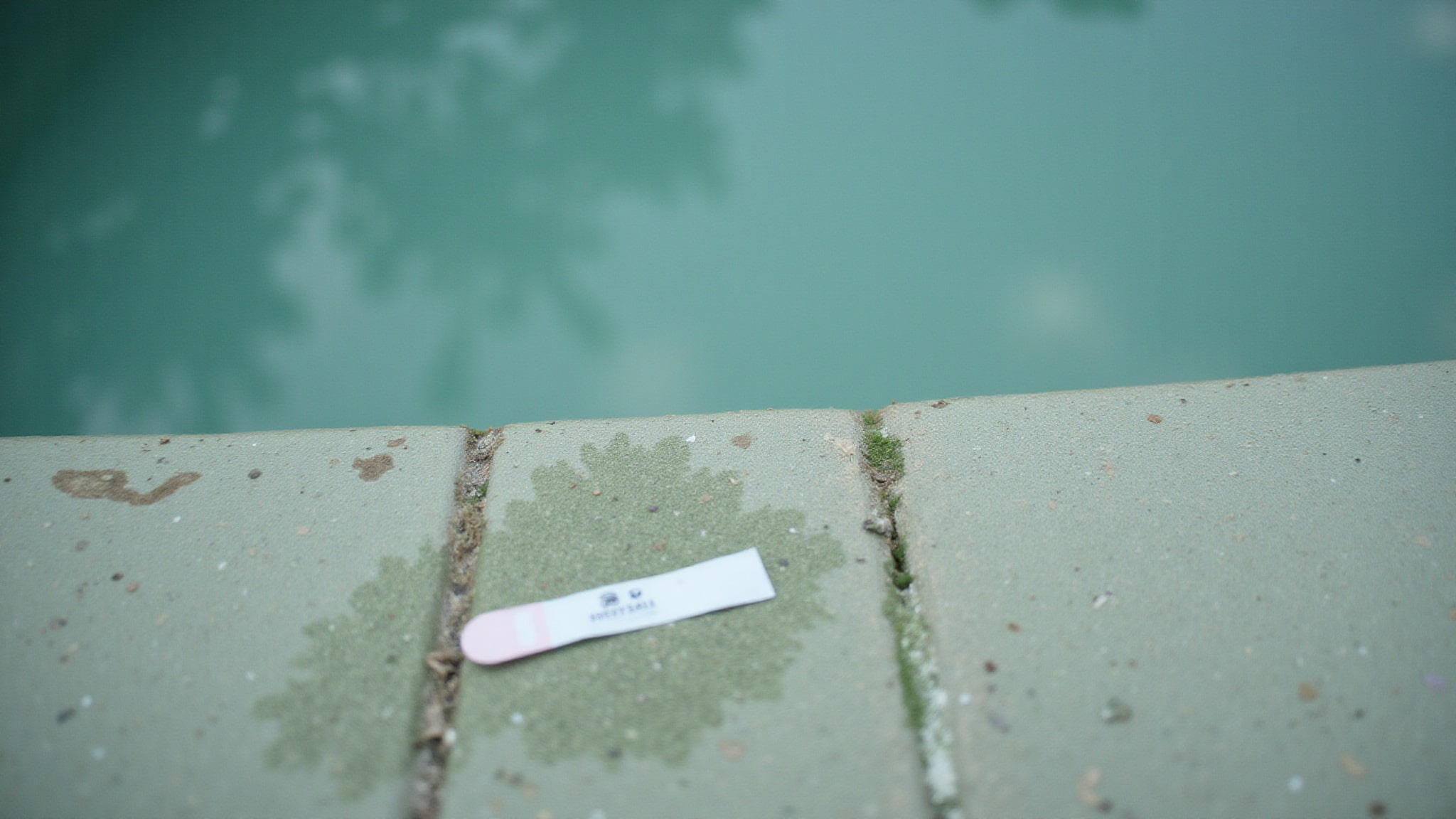
High cyanuric acid throttles the very chlorine it’s meant to protect once it climbs past the 30–50 ppm target. As CYA rises, it binds more free chlorine, slowing its ability to sanitize and oxidize contaminants. You’ll notice chlorine tests read normal while the water stays cloudy or algae takes hold, because the active chlorine fraction has dropped sharply. To compensate, you’d need to push chlorine far higher than usual, wasting product and money. High CYA also skews your chemistry readings, making it harder to maintain accurate balance. Left unchecked, weakened sanitation raises the risk of waterborne pathogens and persistent algae blooms. That’s why you should confirm elevated CYA through accurate testing before it compromises your pool’s safety and water quality further.
How does draining and diluting lower cyanuric acid
Draining and diluting lower cyanuric acid by physically removing some of the CYA-laden water and replacing it with fresh water. Cyanuric acid dissolves in your pool water and doesn’t break down, evaporate, or get consumed by normal chlorination, so this is the only way to lower its concentration. When you drain a portion of your pool and refill it, you’re diluting the remaining CYA across a larger volume of fresh water, which immediately lowers the concentration once everything mixes.
The percentage of water you replace roughly matches the percentage reduction you’ll achieve:
- Replacing 60% drops CYA from 100 ppm to about 40 ppm
- Replacing 50% cuts your CYA level roughly in half
- Replacing 25% reduces it by about a quarter
Always retest after full circulation to confirm your new level.
What products and filters reduce cyanuric acid
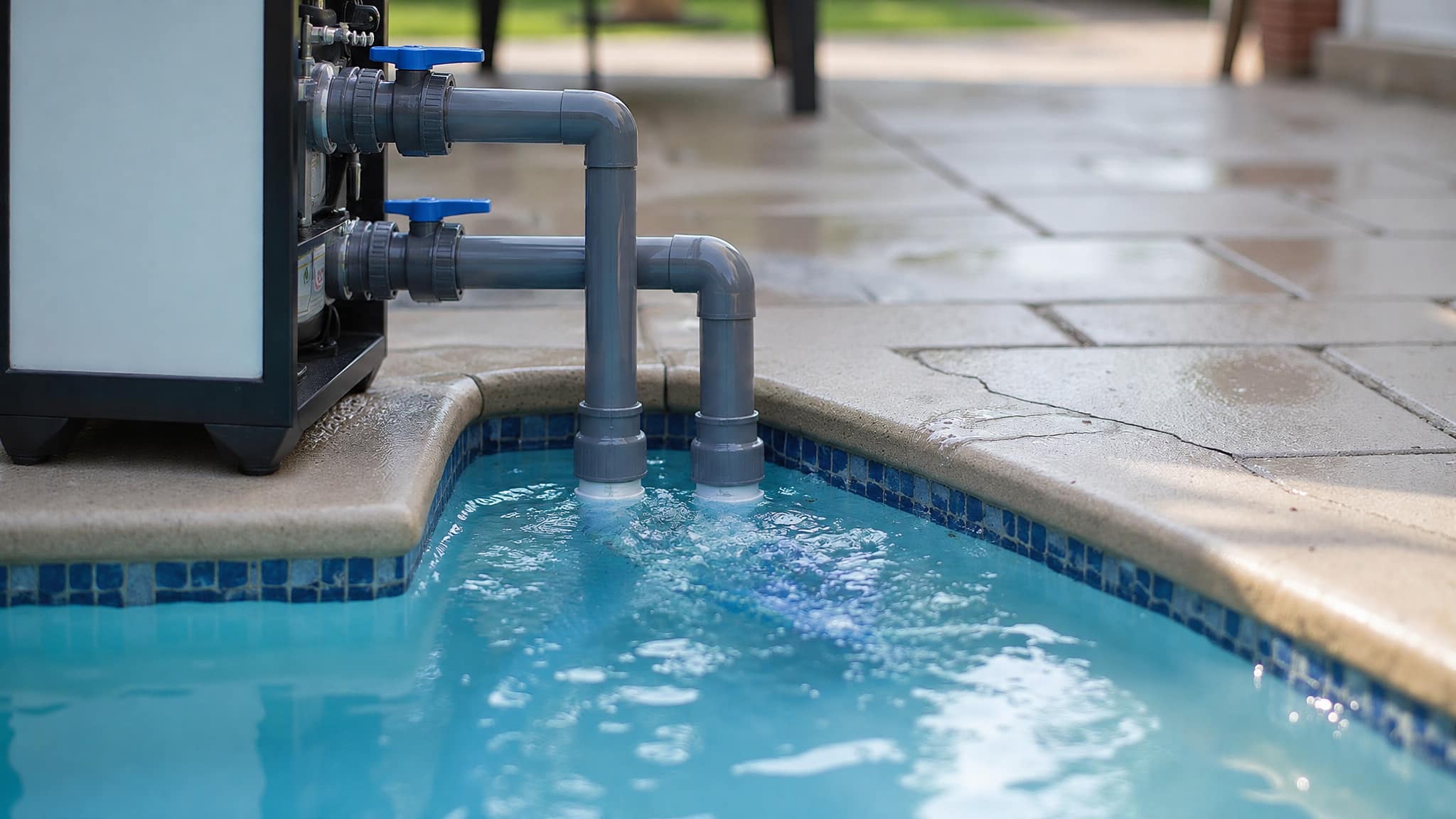
Reverse osmosis, aluminum sulfate (alum) treatments, and enzyme-based CYA reducers can bring CYA down without draining water, though none match dilution for reliability. Reverse osmosis ranks among the most effective options, filtering CYA molecules from your water while retaining most of it on-site. Expect specialized equipment and longer processing time. Aluminum sulfate (alum) treatments offer another non-drain route, binding contaminants so you can filter or vacuum them out. Enzyme-based CYA reducers are marketed for this purpose, but they aren’t a primary, dependable fix. Each alternative typically demands more setup, extra handling, or added time compared to a straightforward drain-and-refill. Test your starting CYA accurately before choosing any method, and verify results after adequate circulation to confirm you’ve hit your target range.
How do the lowering methods compare on cost and time
Drain-and-refill is the cheapest and fastest reliable method, costing only your water bill and a few hours per cycle. Reverse osmosis and alum add expense or setup time, while enzyme reducers offer uncertain returns.
| Method | Relative Cost | Time to Result |
|---|---|---|
| Partial drain-and-refill | Low (water only) | Hours per cycle |
| Reverse osmosis | High (service/rental) | One to two days |
| Alum treatment | Moderate | Days, plus vacuuming |
| Enzyme reducers | Moderate | Slow, inconsistent |
Choose based on your target reduction and pool size. For large drops, you’ll repeat drain cycles, so budget both water and circulation time. Retest after each step to confirm you’ve hit the 30–50 ppm range before stopping.
How do you keep cyanuric acid at the right level
Keep cyanuric acid at the right level by controlling what you add to the water once you’ve hit the 30–50 ppm target. Stabilized chlorine products, trichlor tablets and dichlor granules, add CYA with every dose, driving recurring buildup. If you’re battling repeat spikes, switch to unstabilized options like liquid chlorine or a saltwater system, which don’t contribute stabilizer.
Establish a routine monitoring schedule instead of waiting for levels to climb:
- Test CYA monthly, and more often during heavy chlorine use or after refills.
- Verify your source water’s baseline chemistry, since fill water can shift results.
- Rebalance chlorine, pH, and total alkalinity after any water addition.
Consistent testing and disciplined product selection keep CYA within range, avoiding the need for another drain-and-refill correction.
Conclusion
When cyanuric acid climbs too high, your chlorine stops working no matter how much you add, and the only reliable fix is dilution, draining and refilling in controlled cycles until you’re back in the 30 to 50 ppm range. Test accurately first, replace water in chunks of no more than a third at a time, and retest after each cycle once the water has circulated. Then keep it from climbing again by switching off stabilized trichlor and dichlor and testing monthly. Stay on top of it, and you’ll avoid the next big drain-and-refill altogether.
Rather Not Chase Your Pool Chemistry Yourself?
Lowering cyanuric acid is simple in theory, but the dilution cycles, retesting and rebalancing take time most pool owners would rather not spend. Keeping your water dialed in is what we do at Innovative Outdoor Living, handling CYA correction, testing and pool water balancing on weekly and seasonal plans. Contact us or call (561) 594-1495 to get your chemistry back in range
Frequently Asked Questions
Can Rain or Backwashing Accidentally Lower My Cyanuric Acid Levels?
Yes, both can lower your CYA unintentionally through dilution. When rain overflows your pool, it displaces stabilized water and drops concentration slightly. Backwashing removes water that you’ll replace with fresh fill, mimicking a partial drain-and-refill cycle. Neither method gives you precise control, so you can’t rely on them for targeted reduction. Always retest your CYA after significant rainfall or backwashing, run circulation thoroughly first, and confirm you’re within the 30–50 ppm range.
Is It Safe to Swim While Lowering Cyanuric Acid?
Yes, you can safely swim while lowering cyanuric acid through drain-and-refill, since dilution doesn’t introduce hazardous chemicals. Just verify your chlorine, pH, and total alkalinity stay within safe ranges before entering. If you’re using alum or enzyme-based reducers, follow the product’s specific handling instructions and wait times. Keep swimmers clear of active submersible pumps or drain equipment. Always retest after circulation to confirm your water’s chemistry remains balanced and safe.
Does Cyanuric Acid Affect Saltwater Pools Differently Than Chlorine Pools?
No, cyanuric acid doesn’t behave differently in saltwater pools. Your salt system generates the same chlorine that CYA protects and stabilizes, so the chemistry’s identical. You’ll target the same 30–50 ppm range regardless of pool type. If your CYA runs high, you’ll use the same drain-and-refill correction. Keep in mind salt systems don’t add CYA themselves, so you’ll monitor levels and confirm your source water’s contribution after each refill.
Can High Cyanuric Acid Damage Pool Equipment or Surfaces?
High cyanuric acid doesn’t directly corrode your equipment or surfaces, but it creates indirect risks you shouldn’t ignore. When CYA climbs too high, it reduces chlorine’s effectiveness, so you’re forced to run higher chlorine levels to maintain sanitation. That imbalance can stress surfaces and promote algae or scaling issues. Test accurately, keep CYA near 30–50 ppm, and balance pH and alkalinity to protect your pool’s long-term integrity.
Do Test Strips Accurately Measure Very High Cyanuric Acid Levels?
You shouldn’t rely on test strips for very high cyanuric acid readings, since they’re less precise and often top out below your actual level. For accurate results, use a turbidity-based CYA test kit, which gives you a measurable reading you can trust. If your CYA exceeds the strip’s range, dilute a sample with fresh water, retest, then multiply the result. Always confirm your starting number before draining and refilling.