
To drive iguanas far away naturally, you’ll need to make your whole yard unwelcoming. Start by removing attractants, pick up fallen fruit, cover trash, and pull out plants they love like hibiscus and orchids. Trim dense shrubs, clear brush piles, and fill empty burrows. Install wire fencing, wrap tree bases with sheet metal, and spray garlic- or capsaicin-based repellents. Layer these deterrents for the strongest results.
Key Takeaways
- Remove attractants by picking up fallen fruit daily, covering trash, and eliminating favored plants like hibiscus, roses, and melons.
- Reduce shelter by trimming dense shrubs, clearing brush piles, and filling vacant burrows with sand, rocks, or concrete.
- Install physical barriers such as wire fencing, plant cages, and sheet-metal guards on tree bases and dock pilings.
- Deter basking and movement using hose sprays, reflective CDs, garlic or capsaicin repellents, and noise disturbances.
- Layer multiple deterrents and maintain consistent yard upkeep to keep your landscape permanently unattractive to iguanas.
How do you keep iguanas out of your yard naturally
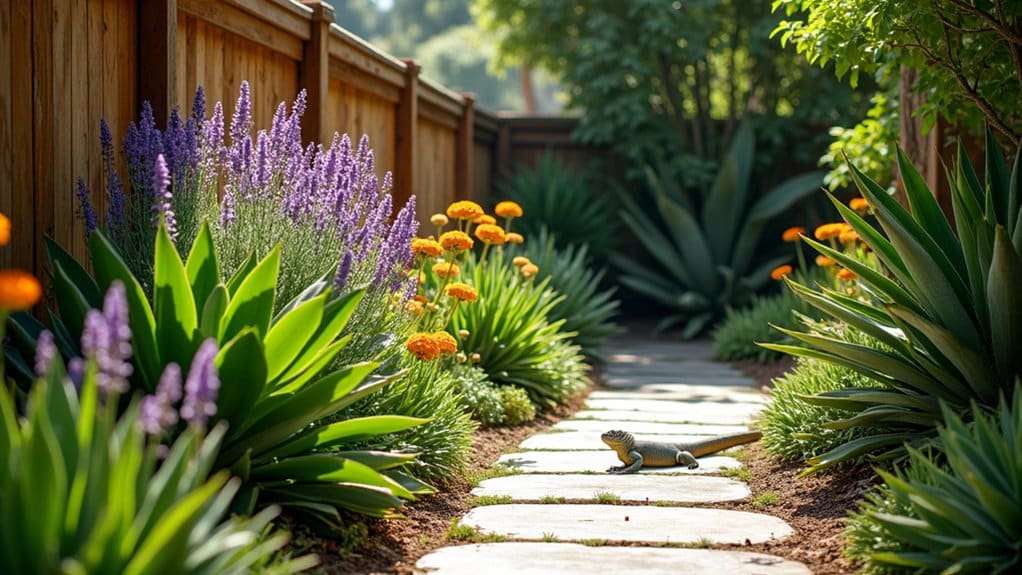
Keep iguanas out of your yard naturally by removing the food, shelter, and cover that attract them. The most effective natural pest control starts with habitat reduction. Pick up fallen fruit, flowers, and plant debris daily, and never leave pet food or trash uncovered. Trim dense shrubs, overgrown grass, and overhanging branches to eliminate hiding places, and clear brush piles, rock piles, and stacked timber that provide cover. Fill vacant burrows with sand, rocks, or concrete during daytime when iguanas are out. Then layer in deterrents: spray basking iguanas with a hose, hang reflective CDs, and apply garlic- or capsaicin-based repellents around plant borders. Combine several methods at once, and maintain your yard consistently so it stays unattractive to returning visitors.
Why are iguanas attracted to your yard
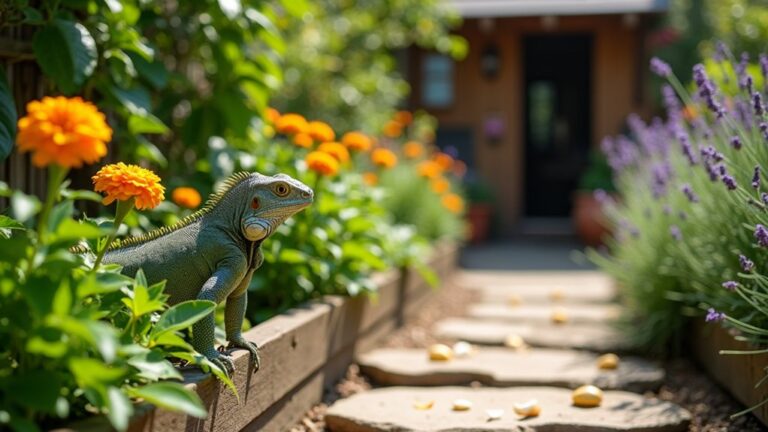
Iguanas are attracted to your yard because it provides food, shelter, and safe places to bask. Fallen fruit, flowers, and favored plants like hibiscus, roses, orchids, and impatiens draw them in for easy feeding. Dense shrubs, brush piles, overgrown grass, and vacant burrows give them cover and nesting spots. Seawalls, docks, and open sunny surfaces provide ideal basking zones. Uncovered pet food, trash, and edible scraps only sweeten the invitation. These triggers can be targeted directly with natural methods rather than guessing. Smart landscaping choices and well-placed iguana deterrents remove the appeal that keeps them coming back. Eliminating what attracts iguanas makes your yard far less inviting and much easier to protect long term.
What plants and scents naturally repel iguanas
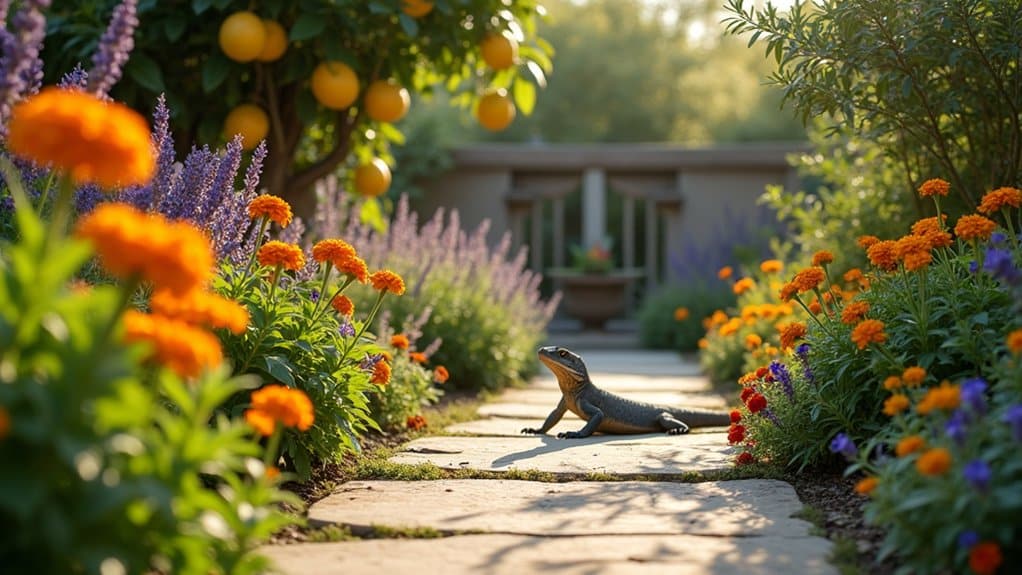
Iguanas are naturally repelled by tough, thick-leaved plants like citrus and milkweed, along with strong scents from garlic, hot peppers, and citrus oils. Swap out their favorites, hibiscus, roses, orchids, impatiens, melons, and leafy greens, for iguana-resistant options like citrus and milkweed. These tougher plants don’t tempt browsing, so they’ll leave your landscape alone.
Scents work just as hard. Mix a garlic-based spray to blanket plants and yard borders with an unpleasant odor. Capsaicin sprays made from habanero or cayenne peppers add a fiery deterrent, while citrus-based blends using lime juice or citrus oils build a strong-smelling barrier. Add a bit of dish soap so the mixture clings to surfaces. Just remember to reapply after rain or irrigation, since these natural repellents fade quickly outdoors.
How do physical barriers and deterrents keep iguanas out
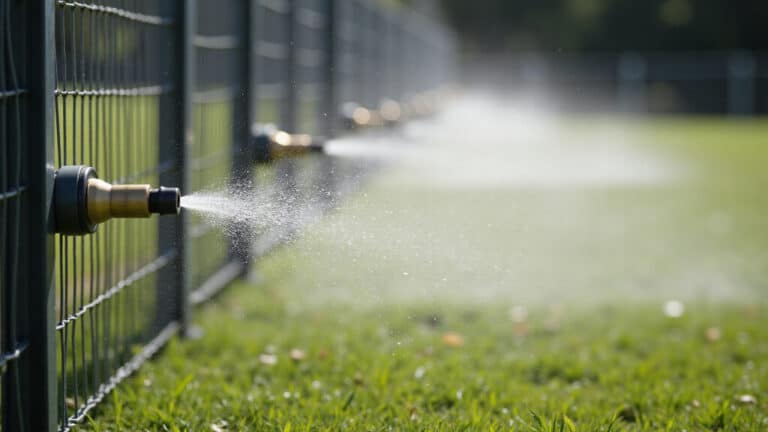
Physical barriers and deterrents keep iguanas out by blocking access to plants, burrows, basking spots, trees, and dock pilings while making the area feel unsafe or unpleasant. Install wire fencing or chicken wire where iguanas dig or burrow. Along seawalls and fixed edges, use L-shaped wire barriers to stop them from tunneling underneath. Protect your valuable plants with cages, screens, or mesh enclosures so browsing becomes impossible.
Climbing is another problem you can solve directly. Wrap sheet-metal cylinders around tree bases and add sheet-metal guards on dock pilings to block vertical access. These smooth surfaces give iguanas nothing to grip.
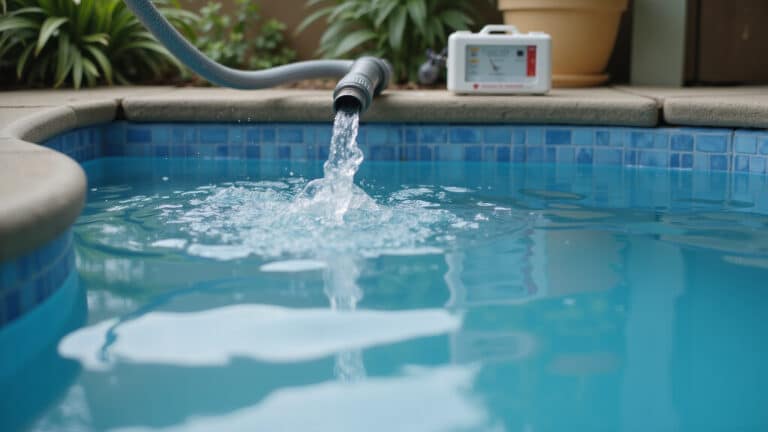
Pair barriers with disturbance. Spray basking iguanas with a hose, make loud noises, hang wind chimes, and place reflective CDs to keep them unsettled.
How do you remove food and water sources that draw iguanas
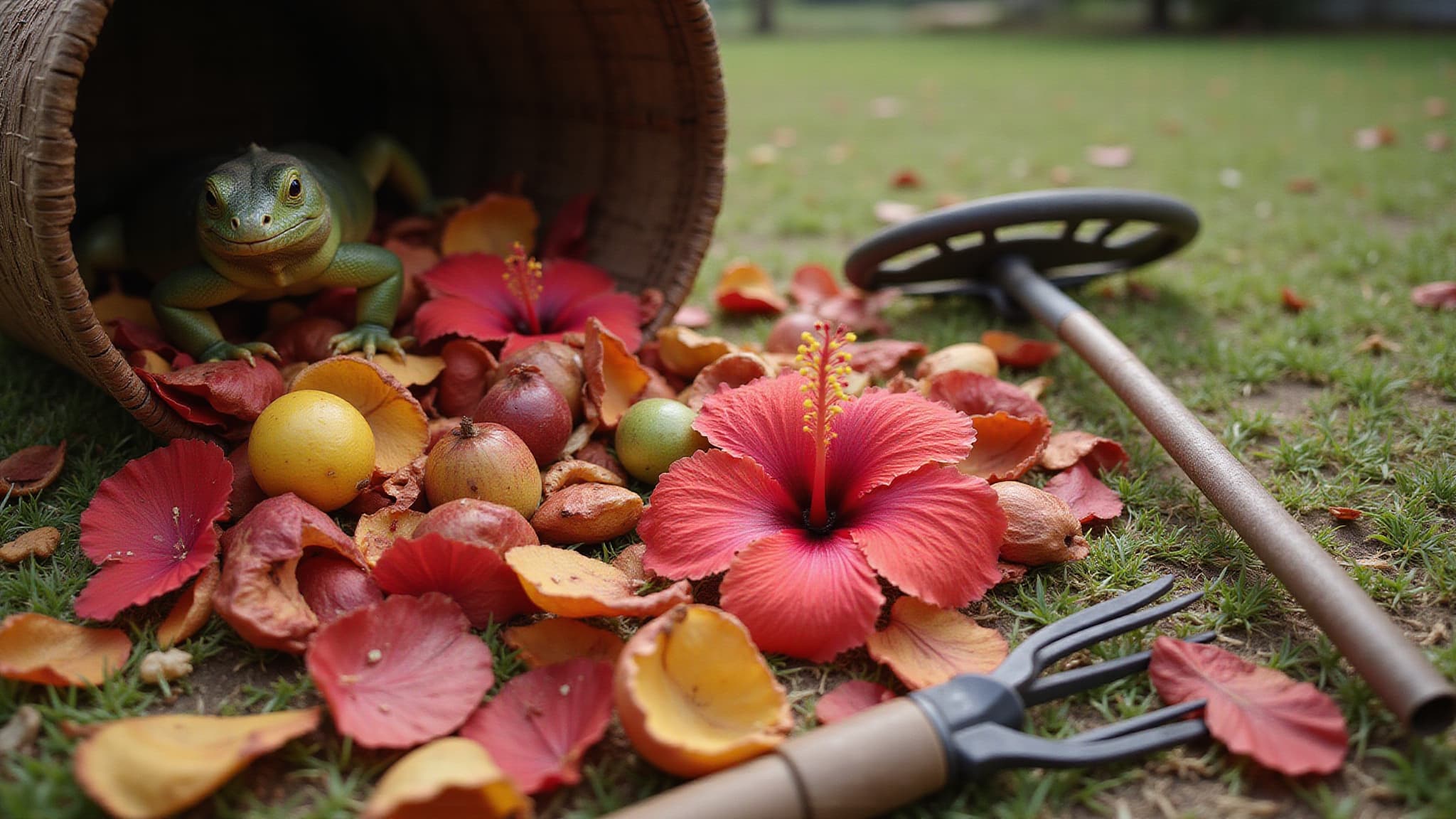
Remove food and water sources that draw iguanas by cleaning up fallen fruit, flowers, and plant debris daily, since these give iguanas easy meals. Keep pet food, outdoor food, and trash covered, and never feed iguanas intentionally or by leaving scraps outside. Remove the plants they love most, including hibiscus, roses, greens, melons, orchids, and impatiens. Replace heavily browsed plants with iguana-resistant choices like citrus, milkweed, and other thick-leaved species. Stay consistent, because neglected food or water quickly draws return visits. Focus your efforts on vulnerable spots like vegetable gardens and pool decks, where iguanas gather to feed and drink. Cut off these attractants, and you’ll make your yard far less inviting.
How do natural iguana deterrent methods compare
Natural iguana deterrent methods compare by how they target iguana behavior, how long they last, and how much maintenance they require. Sprays attack their sense of smell and taste, barriers block physical access, and disturbances make basking feel unsafe. No single approach solves everything, so you’ll get the strongest results by layering methods.
| Method | Strength | Limitation |
|---|---|---|
| Natural sprays | Cheap, easy to apply | Wash off in rain |
| Physical barriers | Long-lasting protection | Higher upfront effort |
| Noise and motion | Immediate deterrence | Iguanas may adapt |
Sprays need frequent reapplication after rain or irrigation, while barriers demand more setup but last far longer. Noise and reflective items work quickly, though iguanas eventually ignore them. Combine all three for consistent, lasting protection.
How do you keep iguanas from coming back
Keep iguanas from coming back by removing food, cover, and water sources consistently. Maintain the yard daily. Pick up fallen fruit, flowers, and plant debris every day, and never leave pet food, scraps, or uncovered trash outside. Neglected food, cover, or water sources will quickly pull return visits.
Keep your landscaping open and exposed. Trim dense shrubs, clear brush piles, and fill vacant burrows with sand, rocks, or concrete so nothing rests or nests again. Replace favored plants like hibiscus and orchids with iguana-resistant choices such as citrus and milkweed.
Reapply your natural sprays after rain or irrigation, since they lose strength outdoors. Combine several deterrents at once, and check local rules before adjusting your methods. Stay vigilant.
Conclusion
You can’t poison or trap your way to an iguana-free yard, but you can make the whole property unappealing to them. Clear the food and cover, pick up fallen fruit, trim dense shrubs, fill burrows, and swap their favorite plants like hibiscus and orchids for tougher, iguana-resistant choices. Back that up with barriers on trees, seawalls and prized plants, plus the occasional hose spray or reflective deterrent. Layer several methods and keep up the maintenance, and iguanas move on to easier yards.
Plant a Yard Iguanas Pass By
A big part of keeping iguanas away is the plants you choose and how open your beds stay. At Innovative Outdoor Living, we design and plant landscaping for Florida yards, swapping iguana magnets like hibiscus and orchids for tougher, less tempting choices. See our landscape planting options for your property. Contact us or call (561) 594-1495 to rework the planting around your home.
Frequently Asked Questions
Are Iguanas Dangerous to Humans or Pets in the Yard?
Iguanas rarely attack, but they can hurt you or your pets when they’re cornered or threatened. They’ll whip their tails, bite, and scratch with sharp claws to defend themselves. Their droppings can spread Salmonella, so you shouldn’t let kids or animals handle them. They also weaken structures by burrowing near seawalls and foundations. Keep your distance, discourage them with the methods above, and don’t let pets provoke them.
Is It Legal to Trap or Relocate Iguanas Myself?
Rules vary by area, so you’ll need to check your local regulations before trapping or relocating iguanas yourself. Wildlife handling and fencing requirements often differ depending on where you live, and relocation may be restricted or outright prohibited. Instead of risking legal trouble, prioritize humane, preventive yard management, focus on exclusion and habitat reduction rather than trapping or harming them. When in doubt, contact local authorities or a licensed professional for guidance.
What Time of Day Are Iguanas Most Active?
Iguanas are most active during daylight hours, especially mid-morning through late afternoon when temperatures climb and the sun’s out. They’re cold-blooded, so they rely on warmth to fuel movement, feeding, and basking. You’ll spot them sunning on seawalls, docks, and open landscaping during peak heat. Use this to your advantage, fill vacant burrows and spray basking iguanas with a hose during the day, when they’re outside and easiest to disrupt.
Can Iguanas Damage My Home’s Foundation or Structures?
Yes, iguanas can damage your home’s foundation and structures through their burrowing. They dig extensive burrows beneath seawalls, docks, patios, and foundations, weakening the soil and causing cracks or collapse over time. To protect these vulnerable areas, install L-shaped wire barriers along fixed edges and seawalls, and fill vacant burrows with sand, rocks, or concrete during daytime. Stay consistent, since neglected burrows quickly compromise the structures you’re trying to safeguard.
Do Iguanas Carry Diseases I Should Worry About?
Yes, iguanas can carry Salmonella bacteria in their droppings, which poses a real health risk if you touch contaminated surfaces and then your face or food. You’ll want to avoid handling iguanas or their waste directly, and always wash your hands thoroughly afterward. Keep droppings away from pool decks, patios, and garden produce. Wear gloves when cleaning affected areas, and disinfect any surfaces the iguanas have contaminated to protect your family.