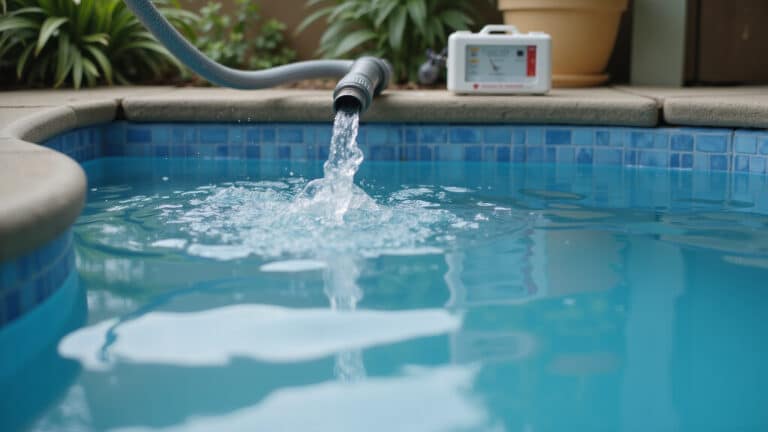


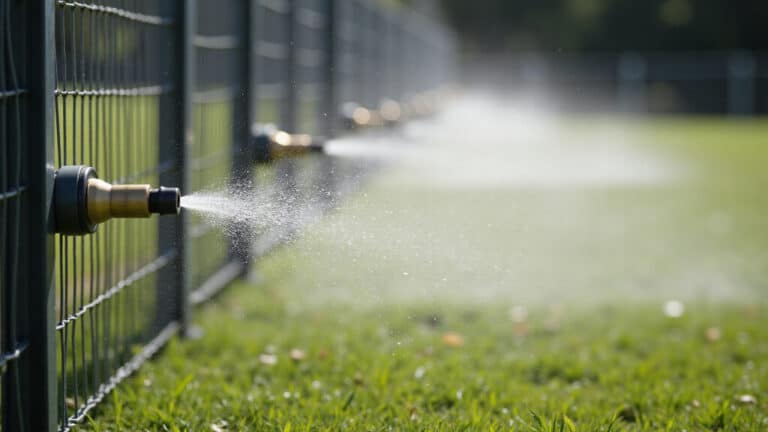

Mosquito misting systems work well for rapid knockdown in target zones like patios and pool decks, but they won’t reliably control your entire open yard. Early evaluations show 71%–98% reductions, yet one 35-week study dropped from 98% to 14%. Wind, yard layout, and brief, non-persistent cycles limit coverage. The EPA hasn’t scientifically proven these systems control mosquitoes or prevent West Nile virus. Understanding how they actually perform helps you decide if they’re worth it.
Key Takeaways
- Open-yard effectiveness varies widely, with one 35-week evaluation dropping from 98% to just 14% over time.
- Systems provide rapid knockdown and suppression in treated zones like patios, but not reliable property-wide control.
- The EPA has not scientifically proven these systems control mosquitoes or prevent West Nile virus.
- Wind disrupts open-yard coverage by pushing mist toward unintended areas and reducing effectiveness.
- Misting does not remove breeding sites or standing water, so it works best within broader mosquito management.
How effective are mosquito misting systems

Mosquito misting systems have mixed effectiveness. Studies report treated-yard reductions ranging from 71% to 98% in early periods, but one 35-week evaluation found weekly reductions swinging from 98% down to 14%. That variability tells you open yard effectiveness depends heavily on conditions, not just the equipment. The EPA states these systems haven’t been scientifically proven to control mosquitoes or prevent West Nile virus, and the CDC notes local authorities don’t collect performance data. What mosquito misting systems do well is kill exposed adults during the spray cycle, delivering rapid knockdown and short-term relief in target zones like patios and pool decks. Realistically, they’re suppression tools. They’ll cut activity noticeably, but they won’t reliably solve the problem alone.
How does a mosquito misting system work
A mosquito misting system works by releasing a fine insecticide spray through nozzles placed around your property, typically on timed cycles or via remote activation. During each cycle, the mist kills mosquitoes that are present and exposed, producing rapid knockdown in treated zones like patios and seating areas. That’s the core of mosquito misting, it targets adult mosquitoes directly during the spray window. But open yard effectiveness drops fast, because the system only affects insects contacted during that brief cycle. It doesn’t remove standing water or breeding sites, and mosquitoes re-enter within hours. That’s why experts classify these as suppression tools, they knock down current populations but don’t eliminate the underlying source.
What are the different types of misting systems
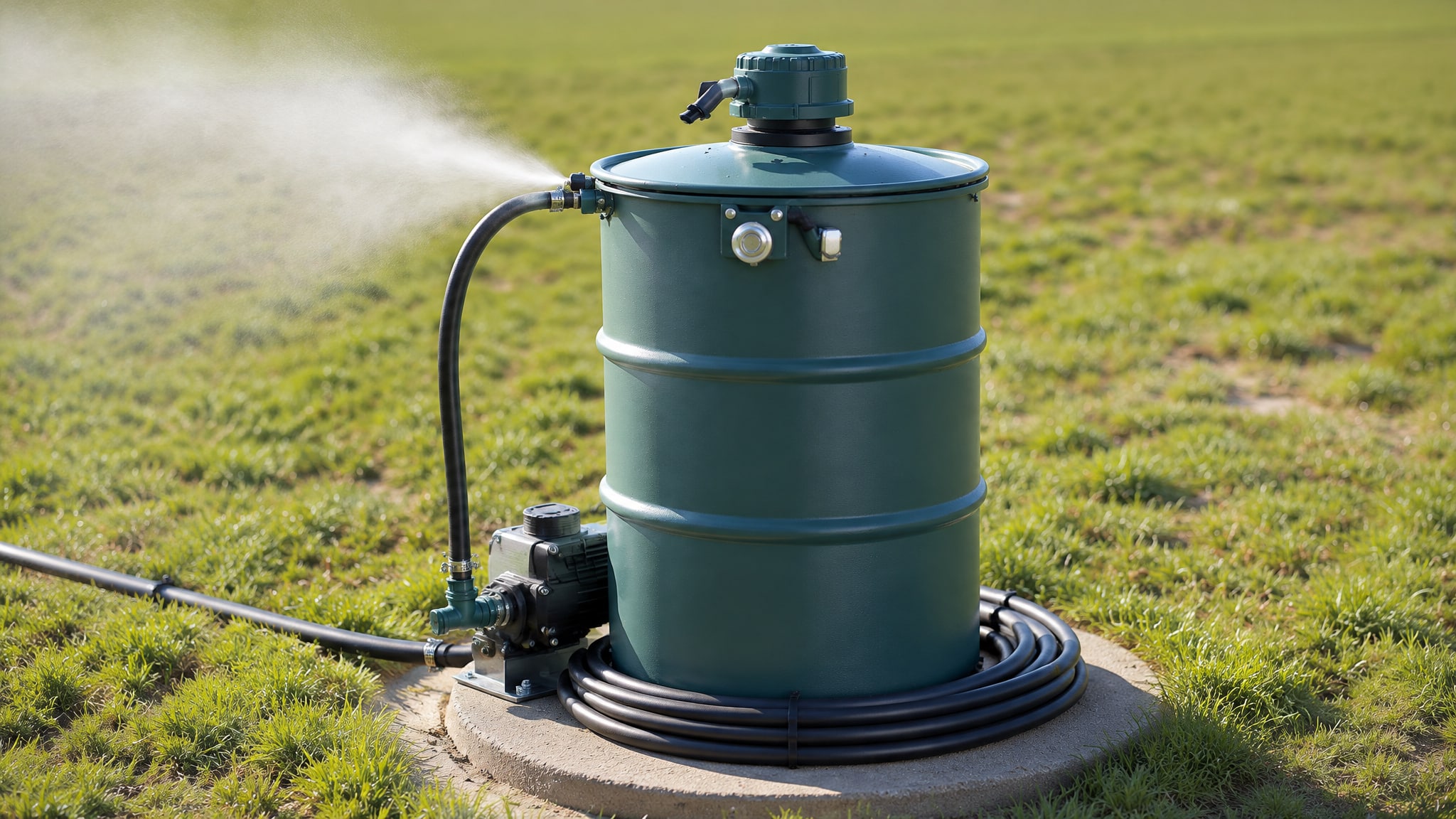
The different types of misting systems include drum-based systems, tankless systems, misting rings, portable units, and smart-controlled systems. You’ll encounter systems that differ by how they store, distribute, and release insecticide, and each affects coverage and pest control performance.
- Drum-based systems pull insecticide from a central reservoir and pump it through fixed nozzles on a timer, delivering consistent concentration.
- Tankless (drumless) systems mix concentrate with water on demand, reducing storage but requiring precise calibration.
- Misting rings and portable units target small zones like patios, offering localized effectiveness.
- Smart-controlled systems add remote or sensor-driven activation, letting you time sprays to mosquito activity.
Your chosen type shapes coverage, calibration accuracy, and how reliably the system suppresses adults.
How well do misting systems actually control mosquitoes
Misting systems provide rapid knockdown and short-term relief in treated zones like patios and pool decks, but they do not provide reliable, property-wide, long-term mosquito control. They can kill the mosquitoes present and exposed during a spray cycle, but their real-world effectiveness in an open yard remains poorly documented. The EPA hasn’t scientifically proven these systems control mosquitoes or prevent West Nile virus, and the CDC notes that mosquito control professionals don’t routinely evaluate them. Industry-cited studies report reductions ranging from 71% to 98% early on, but one 35-week evaluation found highly variable weekly results, dropping from 98% to 14%. Another summary reported 62% to 91% reductions for much of the summer. Outcomes vary sharply by site and conditions, so expect meaningful suppression in target areas rather than reliable, property-wide, long-term control.
What are the safety and environmental concerns

Safety and environmental concerns matter with misting systems because these systems repeatedly release insecticide into your open yard, which can affect non-target organisms and drift beyond intended zones. The active ingredient targets adult mosquitoes only, but wind can push mist away from target areas and toward unintended surfaces, people, or neighboring properties. You’ll want to weigh several factors:
- Non-target impact: Sprays can affect beneficial insects like pollinators, not just mosquitoes.
- Drift risk: Wind can carry mist beyond seating zones toward people or adjacent yards.
- Chemical calibration: Incorrect concentration can over-apply insecticide or waste product.
- Repeated exposure: Automated cycles release chemicals frequently, increasing cumulative use.
Since misting doesn’t remove breeding sites, you’re relying on chemicals rather than eliminating the source.
How do misting systems compare on cost and effectiveness
Misting systems are costly relative to their proven effectiveness because they provide automated, repeated insecticide application without proof of reliable long-term control. You get rapid knockdown during spray cycles, but the EPA hasn’t scientifically proven these systems control mosquitoes or prevent disease. Reported reductions vary widely, undercutting your return on investment.
| Factor | What You Pay For | What Evidence Shows |
|---|---|---|
| Effectiveness | Adult knockdown | 14%–98% weekly variability |
| Coverage | Target-zone spray | Wind disrupts open yards |
| Longevity | Repeated cycles | Re-entry within hours |
You’re funding suppression, not elimination. Because these systems target only exposed adults and ignore breeding sites, mosquitoes keep repopulating from surrounding habitat. Unless you pair them with source reduction, you’re spending on inconsistent, condition-dependent results rather than dependable protection.
How do you decide if a mosquito misting system is right for you
A mosquito misting system is right for you if your yard conditions allow consistent spray coverage and you understand it is a suppression tool, not a complete mosquito elimination method. These systems suppress adult mosquitoes during spray cycles, but they don’t remove breeding sites or block re-entry from neighboring habitat. Evaluate whether your site supports reliable coverage.
- Wind exposure: Assess prevailing wind speed, since strong wind reduces nozzle coverage and pushes mist off target.
- Yard layout: Identify structures or landscaping that block or redirect mist, creating untreated pockets.
- Breeding sources: Locate standing water, gutters, and puddles that keep replenishing the population.
- Maintenance capacity: Confirm you’ll clean clogged nozzles and calibrate chemicals to local mosquito pressure.
If you treat misting as one suppression tool within broader management, expectations stay realistic.
Conclusion
Mosquito misting systems can knock down adult mosquitoes fast in a treated zone like a patio or pool deck, but they don’t reliably control an open yard. Wind, layout and short spray cycles limit coverage, results vary widely over a season, and the EPA hasn’t proven they control mosquitoes or prevent disease. Most importantly, misting never touches the standing water where mosquitoes actually breed. Treat it as one suppression tool at best, and pair it with real source reduction, eliminating standing water and improving drainage, for results that actually last.
Cut the Standing Water Mosquitoes Breed In
Misting treats the symptom, but mosquitoes keep coming back from standing water on your property. Getting rid of that water is exactly what we do at Innovative Outdoor Living, our drainage and grading work moves rain off patios, low spots and beds instead of letting it pool where mosquitoes breed. Contact us or call (561) 594-1495 to fix the wet spots around your home.
Frequently Asked Questions
How Often Should Misting System Nozzles Be Cleaned or Replaced?
You should clean your nozzles regularly, ideally every few weeks, since clogged nozzles reduce effectiveness and weaken coverage. Inspect them often for buildup, debris, or spray distortion, and clear any blockage right away. Replace worn or damaged nozzles as soon as you notice uneven output or reduced spray contact. Consistent maintenance keeps your coverage accurate, so you’ll match resting and flight corridors and maintain reliable mosquito suppression in your target zones.
Can I Install a Mosquito Misting System Myself?
You can install a misting system yourself, but you’ll need precise nozzle placement to match mosquito resting areas and flight corridors, not just seating zones. You’ll also handle chemical calibration carefully, since the active ingredient and concentration must match local mosquito pressure. Poor layout and wind exposure reduce coverage, so you won’t get reliable results without proper design. If you’re unsure about calibration or placement, hire a professional installer instead.
Are Misting Systems Safe for Pets and Children?
You can use misting systems around pets and children, but you’ll need to follow label directions precisely to minimize exposure risk. Keep people and animals out of treated zones during spray cycles, and let the mist settle before re-entering. Since these systems apply insecticides, you’ll want proper calibration and correct concentration to match local conditions. Clogged or misdirected nozzles can waste chemical, so you’ll maintain them carefully to reduce unnecessary exposure.
Do Misting Systems Harm Bees and Other Beneficial Insects?
Yes, misting systems can harm bees and other beneficial insects because the insecticides they spray aren’t selective, they’ll kill any exposed insect during the spray cycle, not just mosquitoes. You’ll reduce this risk by scheduling sprays when pollinators aren’t active, typically dawn or dusk, and by placing nozzles away from flowering plants. Still, drift and residue mean you can’t fully protect beneficial insects if you’re running these systems regularly.
How Long Does a Typical Misting System Last?
A well-installed misting system typically lasts several years, though the exact lifespan depends on the equipment quality and how well it’s maintained. Longevity hinges on upkeep: clogged nozzles reduce effectiveness and weaken coverage over time, so regular cleaning and calibration are essential. Chemical resupply, nozzle placement, and proper installation all affect durability. Without consistent maintenance, you can’t expect reliable long-term suppression from any misting setup.