

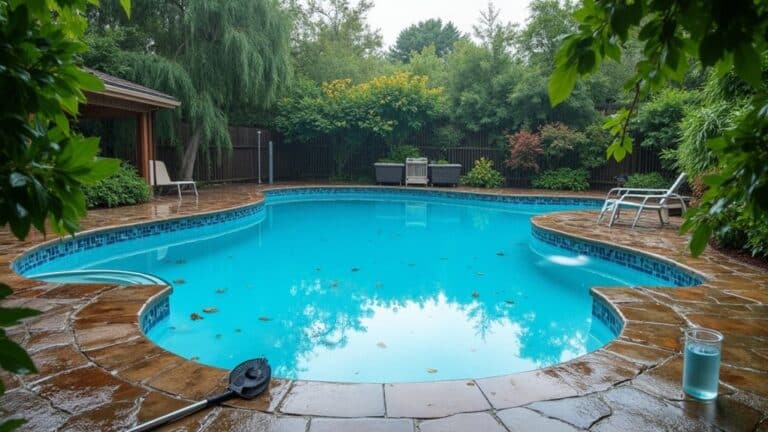


Start by shutting down your pump and clearing any standing water. Check the grate cover first, since a blocked cover restricts flow. Remove it with a screwdriver or pry bar, then scoop out leaves, waste, and settled grit by hand. Flush the channel with a garden hose, using short high-pressure bursts to push debris toward an exit.
Key Takeaways
- Identify your drain type and check the grate cover first, since a blocked cover often restricts flow.
- Shut off the pump and clear standing water to reduce slip risk before starting work.
- Remove the cover, then scoop out leaves, waste, and settled grit by hand or with an outdoor vacuum.
- Flush the channel using a garden hose with high-pressure nozzle bursts, pushing debris toward an exit.
- For deeper clogs, use a drum auger, plumber’s snake, plunger, or drain bladder to break obstructions.
How do you clean a pool deck drain
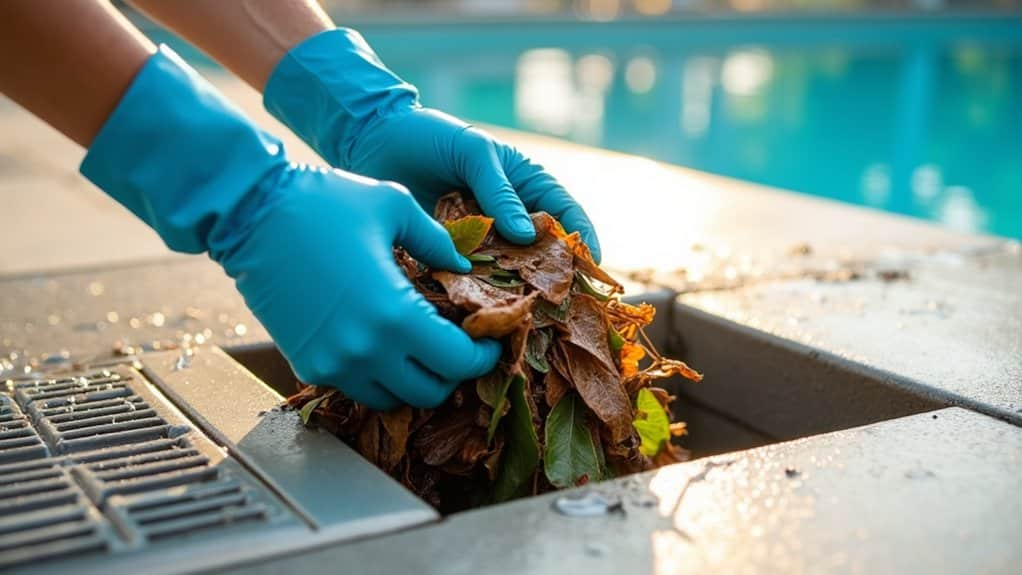
Clean a pool deck drain by identifying the drain type and locating the blockage. Most deck drains are channel or perimeter drains, and visible debris at the grate is often the culprit. Check the cover first, since a blocked grate restricts flow.
Shut down the pump before you work. Remove the cover with a screwdriver or pry bar, then manage any standing water to reduce slip risk. Start debris removal by scooping leaves and waste by hand or suctioning with an outdoor vacuum. Clear settled grit at the bottom, since it causes repeat clogs.
For blockage clearance, flush the channel with a garden hose. Effective debris removal first makes flushing and deeper clearing far more successful.
Why do these drains get clogged
Deck drains clog because they sit at deck level and collect surface debris constantly. Leaves, dirt, grit, and other waste wash toward the channel every time water flows across the deck.
Settled grit at the drain bottom builds up over time, narrowing the channel and triggering a clog. Loose material near the grate or strainer basket restricts flow before it reaches the line. A blocked grate itself also limits drainage.
Localized backups usually point to debris trapped in one section rather than a full line obstruction. Without regular maintenance, this buildup accumulates and hardens, causing repeated clogs.
Persistent backups after cleaning signal a deeper plumbing issue, not just surface debris you can scoop away.
What tools and supplies do you need
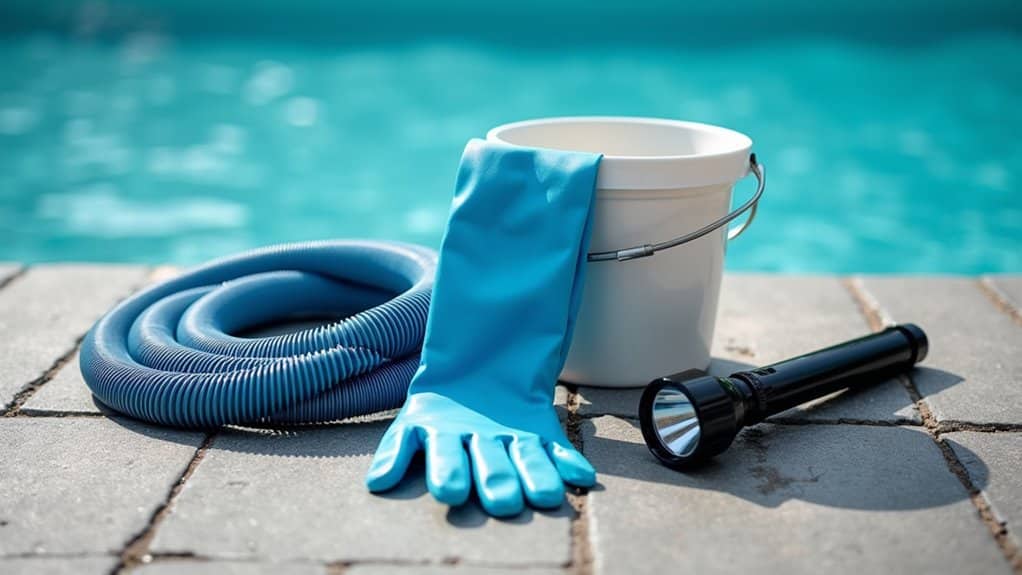
Effective deck drain cleaning starts with a screwdriver or pry bar to remove the grate or cover. Keep a plastic sheet or opened trash bag nearby to collect debris as you scoop it out. You’ll need a garden hose with a high-pressure nozzle to flush loosened dirt and smaller particles from the line. For deeper blockages, grab a hand-held drum auger or plumber’s snake, and consider a plunger or drain bladder to force water through. An outdoor vacuum helps suction settled grit that causes repeat clogs. Have rags on hand to seal around the hose and improve pressure, restoring proper drainage.
What are the steps to clear it out
Identify the drain type and pinpoint where the clog sits. Check the grate first, since a blocked cover often restricts flow. If water backs up in one section, expect a localized blockage.
Next, shut off the pump and manage standing water. Remove the cover with a screwdriver or pry bar, exposing trapped debris.
Scoop loose leaves and sludge by hand or use an outdoor vacuum. Set a trash bag nearby to collect waste, and clear settled grit at the bottom.
Flush the channel with a garden hose, using a high-pressure nozzle in short bursts to push debris toward an exit.
For deeper blockages, feed a drum auger or snake toward the strainer basket, then plunge or use a drain bladder.
How do you clear a stubborn or deep clog
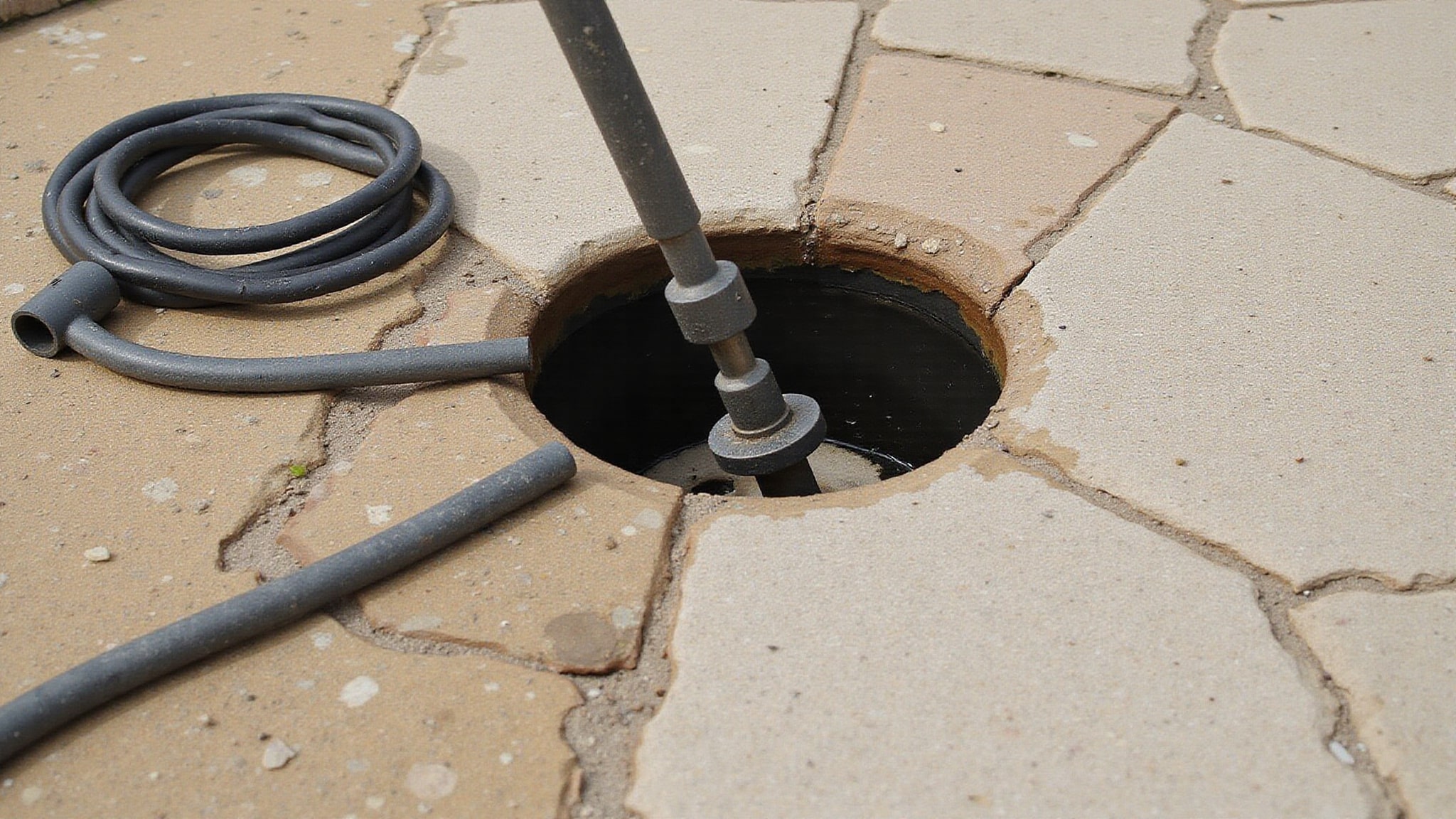
Clear a stubborn or deep clog with a hand-held drum auger fed toward the strainer basket. Crank it steadily to break apart the blockage, then pull it back to extract loosened debris. If the auger doesn’t reach, run a plumber’s snake farther down the line until you hit resistance, then work through it.
A plunger can build enough pressure to shift a nearby clog. Seal the opening and pump firmly. For tougher obstructions, attach a drain bladder, insert it, and let water pressure blow the debris out. Always push debris back along its entry path when possible. Once flow returns, vacuum out anything that surfaced so it won’t re-clog.
How often should you clean a pool deck drain
Clean a pool deck drain weekly, every 2 to 3 weeks, or monthly depending on your surroundings, but regular maintenance keeps buildup from turning into a full blockage. If your deck sits near trees or heavy foliage, plan more frequent cleanings to clear falling leaves and debris. Drains in open, low-debris areas need less attention. Use the guide below to set your schedule:
| Environment | Cleaning Frequency |
|---|---|
| Heavy foliage or trees | Weekly |
| Moderate debris exposure | Every 2–3 weeks |
| Low-debris, open area | Monthly |
Inspect the grate during each cleaning and remove settled grit at the bottom, since that buildup often triggers repeat clogs. If backups persist despite regular maintenance, you’re likely dealing with a deeper plumbing issue that requires closer inspection or professional service.
How do you keep the drain from clogging again
Keep your drain from clogging by cleaning the grate and channel regularly to remove leaves, dirt, and surface waste before they accumulate. Settled grit at the bottom often triggers repeat clogs, so scrape and vacuum buildup during each cleaning. Flush the channel with a garden hose to clear smaller particles that manual scooping misses. Always reinstall the cover firmly after cleaning to block new debris from entering while still allowing proper drainage. After clearing a line, vacuum or scoop away any debris you’ve blown out so it doesn’t wash back in. If backups persist despite routine maintenance, don’t ignore it. That signals a deeper plumbing issue requiring inspection rather than another round of surface cleaning.
Conclusion
Clearing a blocked pool deck drain usually comes down to the basics: shut off the pump, pull the grate, scoop out leaves and grit, and flush the channel with a high-pressure hose. For deeper clogs, a drum auger, snake, plunger or drain bladder will break the obstruction. Clean the grate and channel on a schedule that matches your surroundings so buildup never turns into a full backup. And if water keeps backing up after a thorough cleaning, the problem is likely the deck’s slope or drainage rather than surface debris, and it’s worth having a professional take a look.
Is Your Pool Deck Draining the Way It Should?
If your drain keeps backing up, the real issue is often the deck’s slope or drainage, not just debris. At Innovative Outdoor Living, we build and repair pool decks graded to drain properly so water moves away from your pool. See our hardscaping in Jupiter, contact us, or call (561) 594-1495 to have your deck and drainage checked.
Frequently Asked Questions
Can I Use Chemical Drain Cleaners in Pool Deck Drains?
You shouldn’t rely on chemical drain cleaners for pool deck drains. Harsh chemicals can damage drain materials and don’t clear the leaves and grit that cause most deck-drain clogs, so manual and mechanical methods work far better. Start by removing the grate and clearing visible debris by hand or vacuum, then flush the channel with a garden hose or high-pressure nozzle. For deeper blockages, use a drum auger, plumber’s snake, plunger, or drain bladder. These physical methods clear clogs safely without harsh chemicals.
Will a Clogged Deck Drain Damage My Pool Structure?
Yes, a clogged deck drain can damage your pool structure over time. When water backs up and pools around the deck, it saturates the soil beneath and behind your pool shell. That trapped moisture increases hydrostatic pressure, which can crack decking, shift coping, and stress the pool walls. Standing water also erodes joints and promotes deterioration. Clear blockages promptly and inspect for persistent backup, since it often signals deeper plumbing problems.
Should I Hire a Professional or Clear It Myself?
You can clear most deck drain clogs yourself. Start by removing the grate and scooping out visible debris by hand or with a vacuum. Flush the channel with a high-pressure hose, and use a drum auger for deeper blockages near the strainer basket. If water keeps backing up after you’ve cleared visible debris, you’re likely dealing with a deeper plumbing issue, that’s when you should call a professional.
How Much Does Professional Pool Deck Drain Cleaning Cost?
Professional pool deck drain cleaning isn’t a flat fee. The price depends on your location, how severe the clog is, and whether it’s simple surface debris or a deeper line or drainage problem. A quick surface clearing costs far less than diagnosing and fixing a buried blockage. If your drain keeps backing up after a thorough cleaning, the issue is usually the deck’s slope or drainage rather than debris, and that’s worth having a pool deck professional assess before it affects the deck or pool structure.
Can Heavy Rain or Flooding Cause Deck Drain Backups?
Yes, heavy rain or flooding can overwhelm your deck drain and cause backups. When surface runoff exceeds the channel’s capacity, water pools and can’t drain fast enough. Flooding also washes leaves, dirt, and grit into the drain, settling at the bottom and restricting flow. If you notice water backing up in one section, check the grate first for debris, then clear any localized blockage before it worsens.