Pavers are generally the better choice around pools when durability, individual repairs, and design flexibility matter most, while Cool Deck is often better for lower upfront cost and a cooler textured surface. Across seven key factors, surface temperature, wet traction, durability, maintenance, repairability, appearance, and cost, the winner depends heavily on the type of paver you choose. Light-colored travertine, for example, can stay about 15, 25°F cooler than concrete in strong sun, while concrete pavers tend to retain more heat. Cool Deck resurfacing commonly costs around $4, $9 per square foot, compared with roughly $10, $40 or more per square foot for pavers or natural stone. Pavers typically cost more initially but make localized repairs easier because individual units can be replaced, whereas Cool Deck provides a more affordable way to refresh an existing concrete pool deck. When designing the perfect outdoor space, an outdoor rated kitchen faucet can enhance both functionality and style. It’s crucial to select fixtures that withstand the elements without compromising on aesthetics.
Cool Deck vs Pavers: What Each Surface Is Made Of
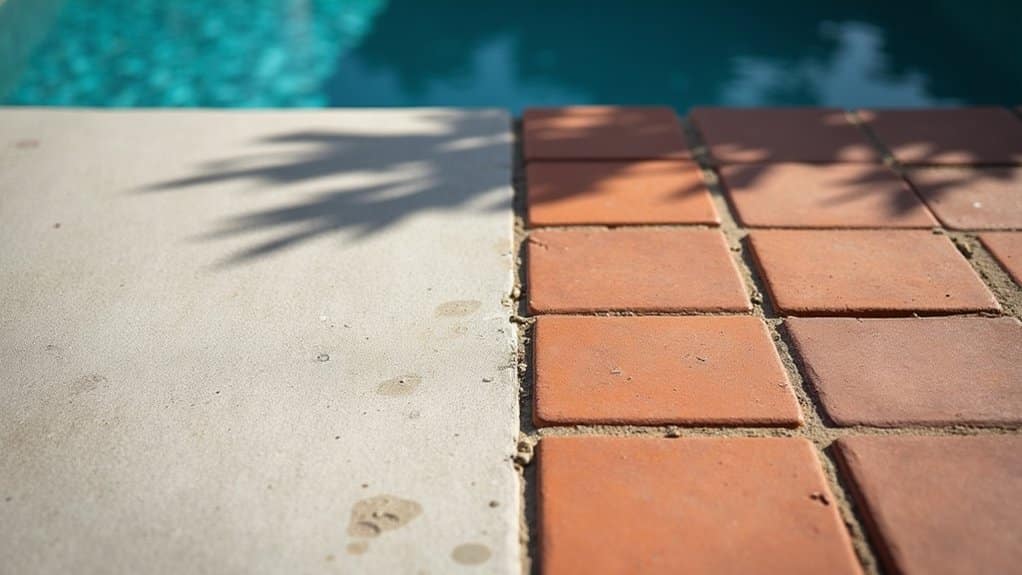
Cool deck is a cement-based topping combining Portland cement, aggregates, and polymers applied directly over existing concrete. Material composition variations between brands introduce acrylic additives or resin-based compounds that affect heat reflectivity and cure times. A coating made from concrete and acrylic will absorb less heat than many other pool deck materials, making it a naturally cooler option for bare feet.
Pavers split into two categories: natural stone and concrete. Travertine offers inherent porosity and cooler surface temperatures, while concrete pavers use cement, sand, and gravel mixtures. Chemical additive impacts show up most in cool deck formulations, where acrylic and polymer content directly controls slip resistance, flexibility, and UV durability.
Which Surface Stays Cooler Under Bare Feet?
earth-tone pavers reach 120°F, grey pavers climb to 126°F, and Cool Deck stays noticeably lower thanks to its spray texture creating air pockets that limit surface heat absorption. Travertine pavers score even better at 1, with cream varieties measuring 110°F.
If you’re choosing between Cool Deck and standard pavers, Cool Deck wins on temperature. If budget allows, travertine outperforms both. Lighter colors and reflective coatings make the biggest difference in hot climates. Meanwhile, synthetic turf scores a 5 on the temperature index, meaning it can get extremely hot in summer and should be avoided as a pool surround in direct sunlight.
Cool Deck vs Pavers on Cost and Install Time
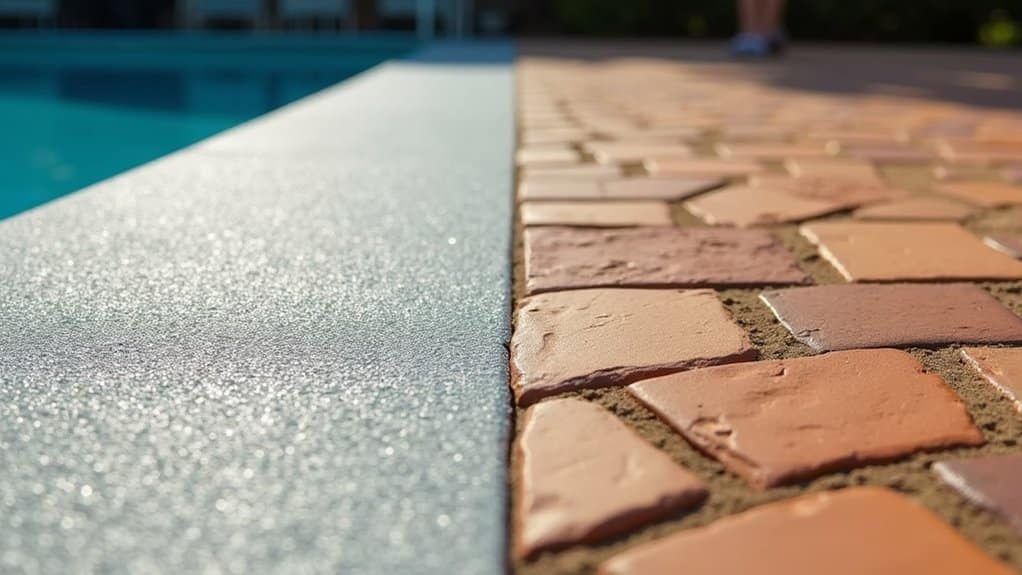
When you’re comparing cool deck and pavers, the price gap is significant, cool deck runs around $12, $16 per square foot, while pavers range from $25, $75 depending on the material you choose. Installation time also differs sharply, since cool deck goes down as a single sprayed or stamped overlay with minimal base prep, whereas pavers require excavation, compaction, layout, and joint filling. To make the smartest investment, you’ll need to weigh those upfront savings against long-term maintenance costs, because cool deck’s lower initial price often gets offset by more frequent resurfacing and crack repairs. On the other hand, pavers deliver long-term savings since damaged units can be lifted and replaced individually without tearing up the entire surface.
Material Price Comparison
The material price gap between Cool Deck and pavers hits hard at the quote stage. Your material pricing strategy should account for these installed ranges:
| Surface Type | Cost Per Sq Ft (Installed) |
|---|---|
| Stamped concrete / Cool Deck | $12, $16 |
| Concrete interlocking pavers | $25, $35 |
| Travertine or limestone pavers | $30, $40 |
| Porcelain pavers over slab | $55, $75 |
You’re looking at a 2x, 5x multiplier when jumping from Cool Deck to premium pavers. That spread narrows when you explore material sourcing options like domestic limestone or contractor-grade porcelain instead of imported stone.
Don’t stop at sticker price when comparing cool deck vs pavers. Pavers allow you to replace individual units without removing the entire surface, while Cool Deck cracks and peeling may require full-section repairs. Consider long-term replacement and maintenance costs as part of your overall budget before making a final decision.
Installation Time Differences
Installation timelines diverge sharply between these two options, and that gap directly affects your labor budget. Cool Deck’s spray-on application moves fast once you’ve prepped the existing concrete surface. Pavers demand individual placement, precise alignment, and careful base compaction, tripling your project duration and amplifying labor cost differences considerably.
Here’s what each process looks like in practice:
- Cool Deck: Surface prep, then a condensed coating application, you’re walking on it within days.
- Paver base work: Compaction must hit exact levels without damaging pool walls, creating narrow flexibility requirements.
- Paver placement: Each unit gets positioned and spaced individually across your entire deck area.
- Project wrap-up: Concrete finishes days earlier, while paver crews remain on-site substantially longer.
Long-Term Value Assessment
How do upfront savings actually stack up against decades of ownership costs? Cool Deck runs $12, $16 per square foot, while pavers range $16, $45 depending on material. That initial gap narrows quickly when you factor in Cool Deck’s resurfacing requirements every several years due to cracking and wear.
Pavers let you replace individual units without tearing up your entire pool deck. Concrete pavers last 25, 30 years; travertine performs even better with twice cement’s strength. You’ll spend on periodic joint sand reapplication, but you’ll avoid wholesale resurfacing costs.
Don’t overlook moisture control considerations, pavers require proper base drainage planning upfront, adding to initial expenses. However, their adaptability to soil movement and freeze-thaw cycles prevents the large-scale damage that drives Cool Deck’s long-term repair bills considerably higher. Fire pit code requirements are essential to ensure safety and compliance with local regulations. Many homeowners may be unaware of the specific guidelines that dictate the safe installation and maintenance of fire pits.
Which Is Safer on a Wet Pool Deck?
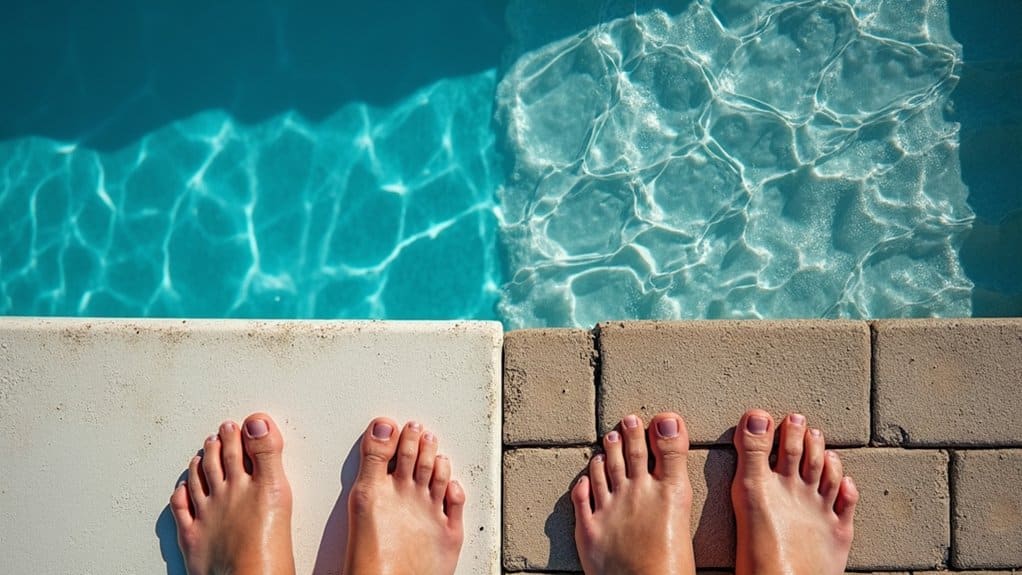
When your pool deck gets wet, slip resistance becomes your top safety concern, and textured pavers consistently outperform Cool Deck‘s grip, thanks to their porous surfaces that absorb water instead of letting it pool. Cool Deck offers reliable wet traction at a lower price point, but its flat surface can’t match the natural drainage advantages that paver joints and textured finishes provide. Beyond slipping, you’ll also need to ponder how each material manages algae and mold growth, since both thrive in the damp conditions surrounding every pool.
Slip Resistance Comparison
Both cool deck and pavers deliver reliable slip resistance around pools, but they achieve it through different mechanisms, and the numbers tell a meaningful story.
When you compare coefficient of friction ratings, textured cool deck scores 0.65, 0.75 wet COF, while travertine pavers land at 0.60, 0.70 and porcelain pavers hit 0.65, 0.70 wet DCOF. The permeability differences give pavers a practical edge, porous designs absorb water instead of letting it pool.
Here’s what matters for your deck:
- Cool deck’s non-skid sealant adds traction beyond its base texture.
- Pavers’ polymeric sand-filled joints resist moisture and stabilize each unit.
- Textured pavers reduce slip-and-fall risk by eliminating standing water.
- Light-colored, textured pavers optimize wet grip while staying cooler underfoot.
Both exceed the 0.50 wet COF safety threshold for pool decks.
Algae and Mold Risk
Standing water isn’t the only hazard on a wet pool deck, algae and mold growth can turn any surface dangerously slick if you don’t account for material porosity. Porous cool deck textures create microscopic spaces where algae spores anchor and thrive, accelerating bacteria accumulation. Pavers with tight joints and non-porous finishes resist organic material collection, requiring less frequent treatment.
| Factor | Cool Deck | Pavers |
|---|---|---|
| Porosity | High, traps moisture and spores | Low, sealed surfaces shed water |
| Maintenance | Weekly brushing needed | Bi-weekly cleaning sufficient |
Algae contains chlorophyll and feeds itself in sunlight, while mold grows in shaded, damp areas. You’ll reduce both risks by choosing dense, smooth-surfaced pavers and maintaining consistent chemical balance.
Cool Deck Vs Paver Durability Over 10+ Years
Over a 10-year span, the durability gap between cool deck and pavers becomes impossible to ignore. When comparing travertine vs pavers pool deck options, both offer long-term performance advantages, but traditional Cool Deck surfaces can deteriorate over time, with peeling, cracking, and scaling requiring repairs that may not blend seamlessly. Pavers can flex with ground movement and resist freeze-thaw damage, helping maintain structural integrity for decades.
Over a decade, pavers hold strong while cool deck peels, cracks, and demands endless repairs that never match.
Consider what you’re facing long-term:
- Cool deck patches create uneven, mismatched surfaces that reduce your pool area’s impact on property value.
- Pavers absorb pressure without cracking, handling heavy foot traffic across all climates.
- Permeable paver designs support environmental sustainability by reducing water pooling and heat buildup.
- Individual paver replacement keeps your deck looking uniform without costly full-surface overhauls.
You’ll spend less maintaining pavers while getting substantially longer performance.
Maintenance Reality: Patching vs Replacing Pavers
Patching cost variations range from $800 to $2,500 for moderate repairs, depending on damage extent and paver material. Individual unit swaps cost considerably less. You’ll also want to seal every 2-4 years to prevent frequent fixes. Tracking repairs in a maintenance log helps you anticipate expenses and avoid expensive surprises that escalate into full-scale overhauls.
Which Pool Deck Surface Looks Better Long-Term?
How well does your pool deck hold up visually after five, ten, or twenty years of sun exposure, chemical splashing, and foot traffic? Cool Deck fades under Arizona sun, and color matching during repairs creates visible patching that undermines consistency. Pavers deliver customized aesthetic appeal with timeless visual characteristics that endure decades. Govee light installation can enhance the ambiance of your outdoor space, making evenings more enjoyable. By strategically placing these lights, you can highlight architectural features and create a welcoming atmosphere for gatherings.
Consider what you’ll see poolside over time:
- Travertine pavers maintain cooler, lighter appearances without surface deterioration
- Cool Deck repairs produce mismatched color patches that worsen with each fix
- Sealed pavers resist algae, mold, and chemical damage that degrade visual quality
- Natural stone options add organic elegance and property value that concrete overlays can’t replicate
Pavers consistently outperform Cool Deck in long-term visual durability.
Frequently Asked Questions
Can You Install Pavers or Cool Deck Over an Existing Pool Deck Surface?
You can install pavers over a structurally sound concrete slab using a 1-inch bedding sand layer, making it one of the most practical existing concrete resurfacing options available. Cool Deck overlays require more extensive preparation. For DIY installation considerations, you’ll need to maintain 1-2% slope for drainage, secure edge restraints, and adjust door thresholds since pavers add 2-3 inches of height. Always check local codes and consult a professional for complex layouts.
Do Pavers or Cool Deck Affect My Home’s Resale Value More?
Pavers boost your home’s resale value more effectively than Cool Deck. When you run a cost benefit analysis, pavers’ durability, low maintenance, and luxury aesthetic deliver stronger buyer appeal and higher returns. Cool Deck’s tendency toward cracking and peeling can actually hurt perceived value at sale. From a resale value considerations standpoint, you’ll recover more of your investment with pavers, since buyers consistently prefer premium, low-maintenance pool surfaces.
Are Pavers or Cool Deck Better for Saltwater Pool Environments?
Pavers are the better choice for saltwater pool environments. Their saltwater pool corrosion resistance is exceptional, concrete pavers won’t deteriorate, peel, or crack from salt exposure, and their non-porous surface resists algae and mildew buildup. Cool Deck, by contrast, lacks proven salt durability and tends to peel and crack over time. When comparing maintenance requirements for each surface, you’ll spend far less time and money maintaining pavers, since damaged units are individually replaceable.
How Long Before You Can Walk on a Newly Installed Cool Deck?
You can walk on your Cool Deck after the first coat dries in 3-4 hours. The drying time requirements depend on conditions, at 80°F with 50% humidity, each coat takes about 8 minutes to set, with full two-coat completion allowing same-day foot traffic. For maintenance considerations, you’ll want to apply clear sealer immediately after the second coat cures and inspect the surface before allowing heavy use.
Do Pavers or Cool Deck Work Better With Pool Automation and Lighting?
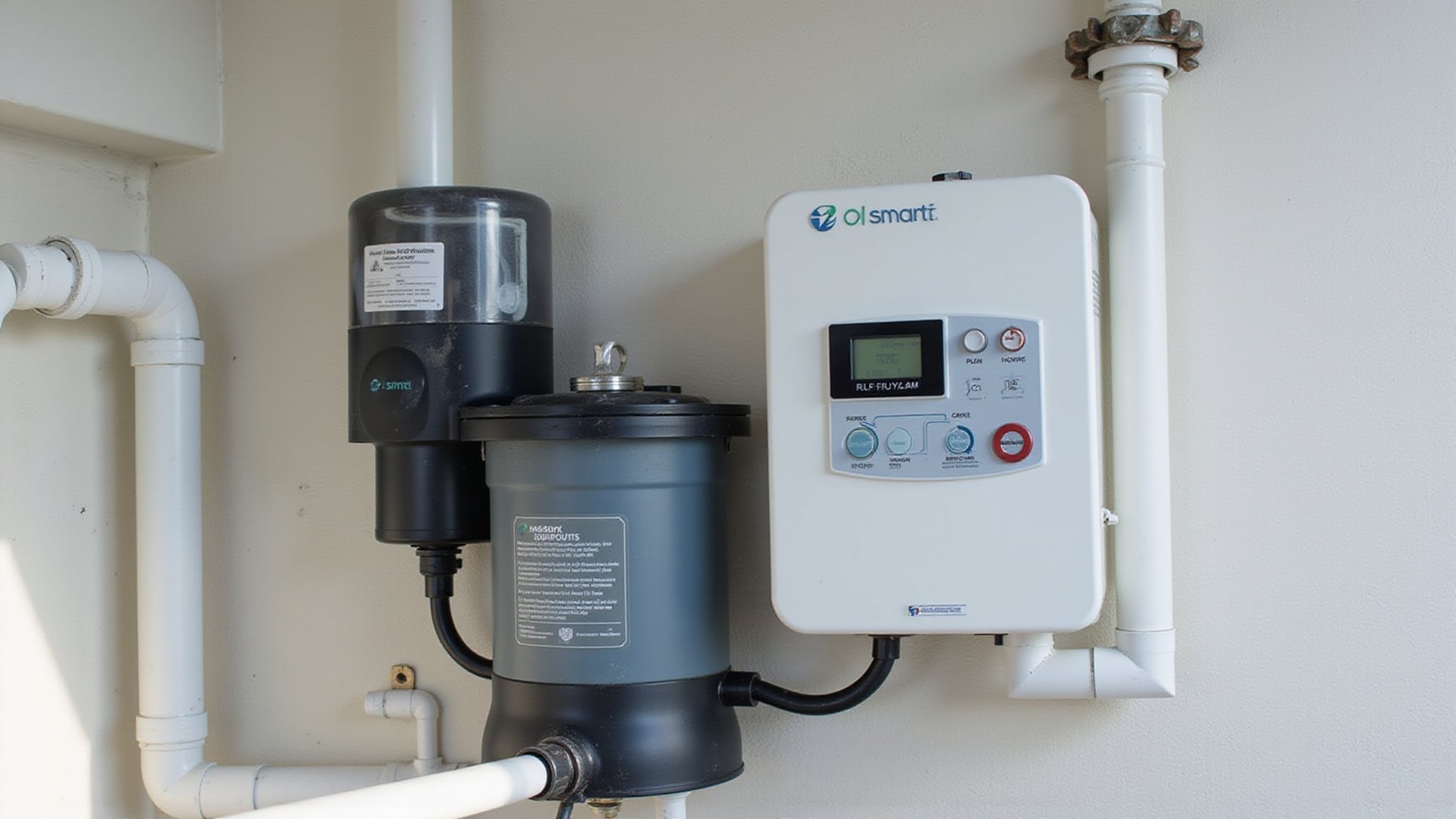
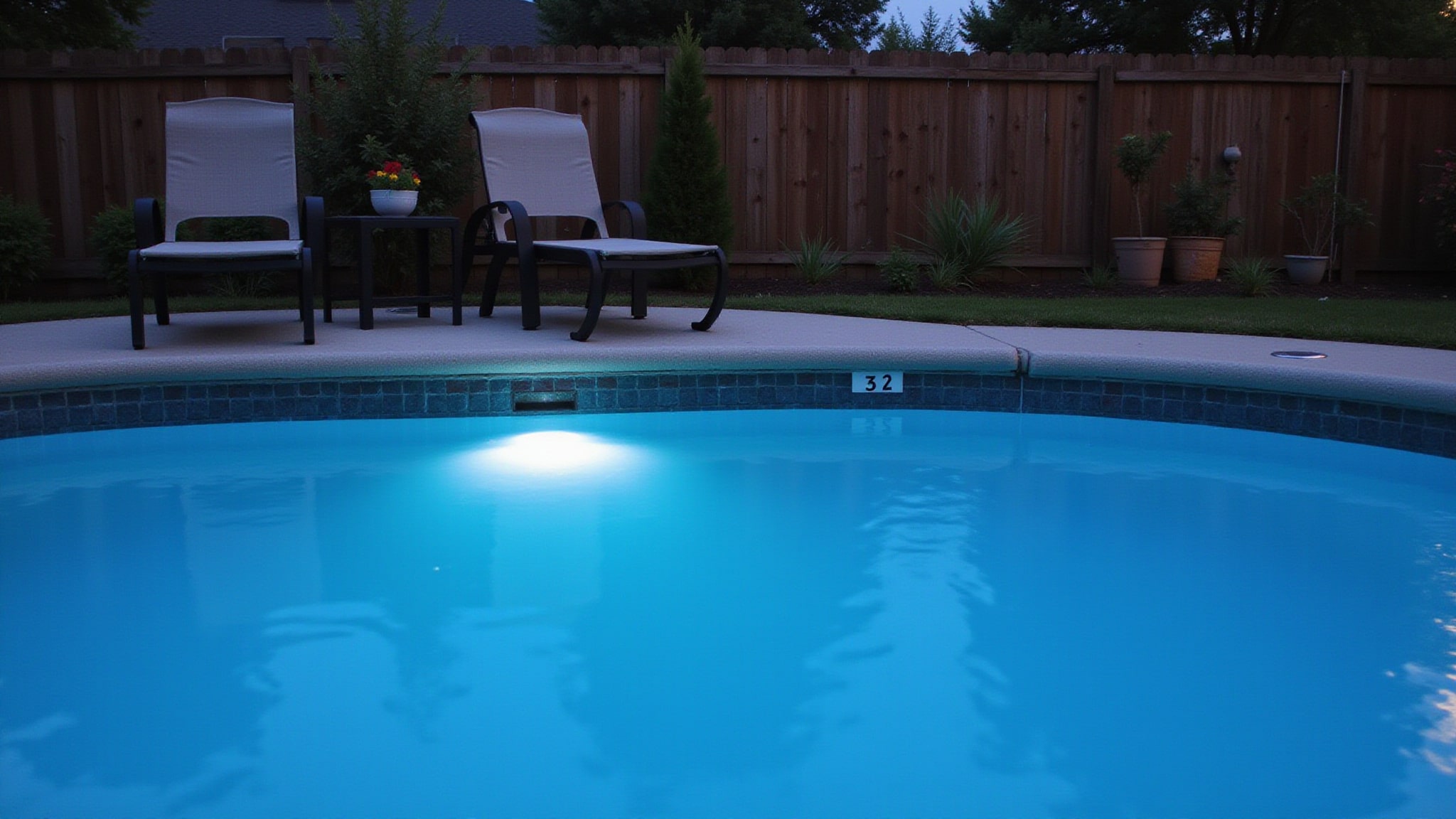
Pavers work better with pool automation and lighting. Their interlocking design gives you easy access to sensors, valves, and wiring, and you can replace individual pieces without disrupting embedded systems. You’ll also cut them precisely around recessed lighting fixtures. Their compatibility with pool equipment is superior since permeable options improve drainage around automation housings. Travertine pavers reflect light beautifully, enhancing the impact on pool aesthetics while keeping heat-sensitive electronics cool.
Cool Deck Pavers Need Expansion Joints Near Pool Coping?
Yes. Cool Deck coatings should respect the concrete’s existing expansion and control joints, while an isolation joint of about 1/4, 1/2 inch is commonly maintained where the deck meets pool coping to allow movement without cracking.
Cool Deck vs Pavers Better for a Sloped Pool Deck?
Pavers are often better for moderately sloped pool decks because the base can be graded and individual units adjusted more easily. Aim for a drainage slope of about 1/4 inch per foot, or roughly 2%, away from the pool and structures.
Travertine vs Pavers Pool Deck Better Around Curved Pools?
Concrete pavers are usually easier to fit around tight curves because smaller units can be cut with less waste. Travertine also works well, but curved edges often require custom cutting, with joints typically kept around 1/8, 1/4 inch.
Is Travertine Cooler Than Concrete When Both Are Wet?
Usually, yes. Light-colored travertine can remain roughly 10, 20°F cooler than darker concrete pavers under similar sun exposure, although wetting both surfaces temporarily lowers their temperatures.
Heat Resistant Pool Deck Pavers Work With Dark Colors?
Dark pavers can still be durable, but they absorb more solar heat. In strong sun, dark surfaces may run 20, 30°F hotter than comparable light-colored pavers, so lighter beige, cream, or gray finishes are usually better for barefoot comfort.