
Your pergola’s lifespan depends heavily on its material. Pressure-treated pine lasts 10 to 15 years with consistent sealing, while cedar reaches 15 to 25 and redwood 20 to 30. Vinyl typically holds 15 to 20 years, though UV exposure risks embrittlement. Aluminum wins for longevity, commonly hitting 20 to 30-plus years with minimal upkeep and strong rust resistance. But material only sets your baseline. Maintenance, climate, and installation quality shift outcomes dramatically, and understanding these levers is where the real difference gets made.
Key Takeaways
- Pressure-treated pine lasts 10 to 15 years with consistent sealing, the shortest-lived common option.
- Cedar reaches 15 to 25 years, while redwood extends further to 20 to 30 years.
- Vinyl typically lasts 15 to 20 years, resisting rot and insects but risking UV embrittlement.
- Aluminum offers the best longevity at 20 to 30+ years with strong rust resistance and minimal upkeep.
- Maintenance, climate, installation quality, and material grade shift lifespan toward the higher or lower ends.
The Lifespan of a Pergola by Material
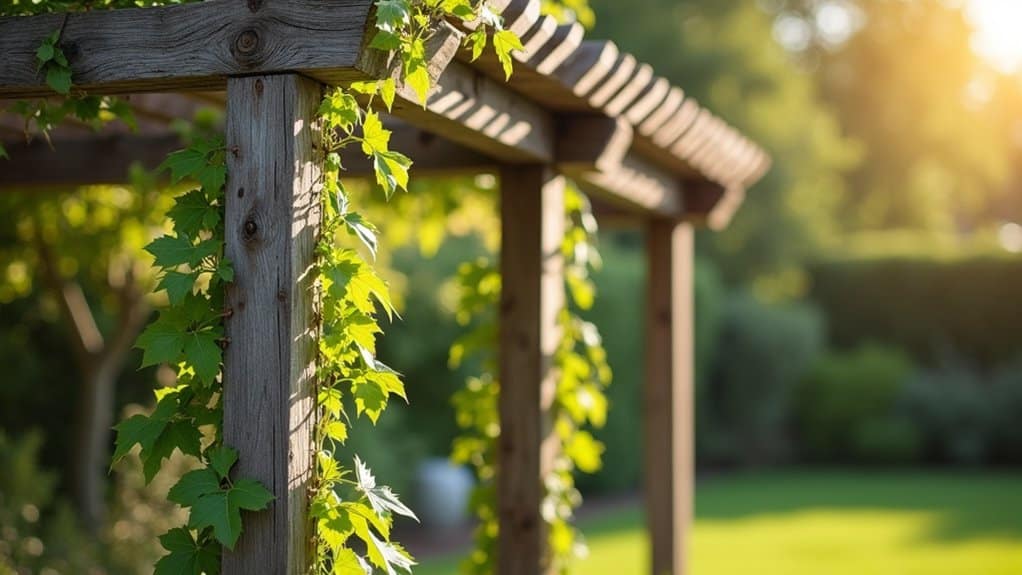
A pergola’s lifespan depends directly on its material, ranging from 10 to 50+ years. Pergola material lifespan varies widely, so understanding what each option delivers helps you plan realistically.
Pressure-treated pine gives you 10 to 15 years with consistent sealing, while cedar stretches to 15 to 25 years and redwood reaches 20 to 30. Vinyl typically holds 15 to 20 years, resisting rot and insects but risking brittleness under harsh UV. Aluminum leads for pergola durability, commonly lasting 20 to 30+ years with strong rust resistance and minimal upkeep. Steel runs 15 to 25 years, provided you maintain protective coatings against corrosion.
Premium heavy timber, built with engineered joinery, can push 30 to 50+ years. Across pergola materials, expect a typical residential range of 15 to 30 years, though build quality and climate can shift those numbers dramatically.
What factors affect a pergola’s lifespan
Four factors decide whether your pergola hits the low or high end of its range: maintenance, climate, installation quality, and material grade. Material sets the baseline. Maintenance drives pergola lifespan hardest. Annual cleaning, sealing, and staining can push wood from 10 years toward 25. Climate compounds everything: intense sun embrittles vinyl, heavy snow stresses connections, and persistent moisture accelerates rot and corrosion. Installation quality matters just as much. Anchored footings and corrosion-resistant hardware keep structures standing when weaker builds fail early. Material grade separates budget kits from premium systems. Heartwood cedar, thick aluminum, and engineered timber outlast thin steel or sapwood every time. So when you ask how long does a pergola last, remember the answer depends on how you build and maintain it.
How long does each pergola material last
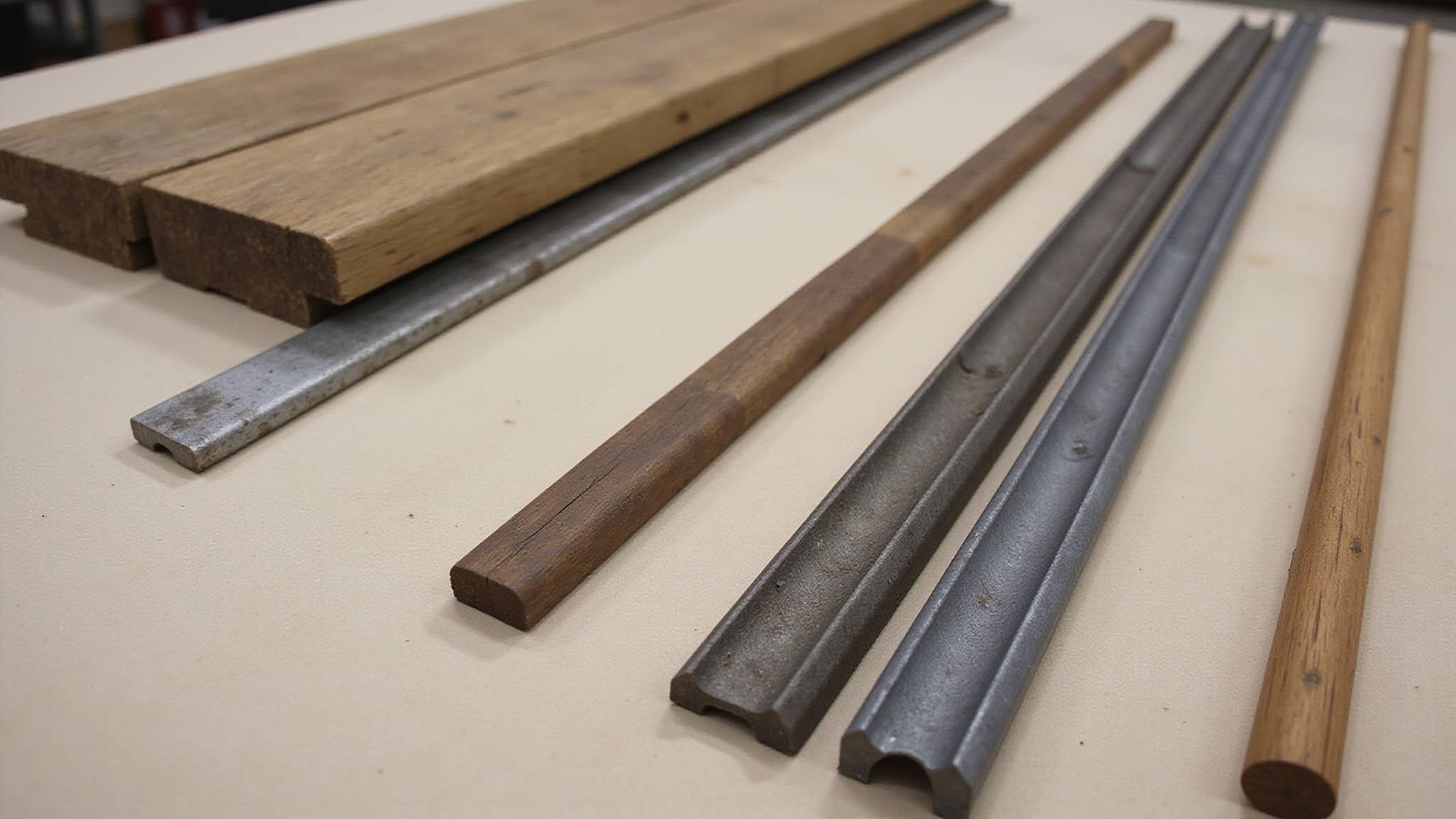
Pergola lifespan depends on the material you choose. Wood varies widely: pressure-treated pine gives you 10 to 15 years with consistent sealing, while cedar and redwood reach 20 to 30 years using heartwood. Vinyl resists rot and insects, but UV exposure and brittleness cap most systems around 15 to 20 years. Aluminum and steel outperform in harsh climates, thanks to rust and corrosion resistance.
| Material | Typical Lifespan | Key Driver |
|---|---|---|
| Pine (treated) | 10 to 15 years | Sealing frequency |
| Cedar/Redwood | 20 to 30 years | Heartwood grade |
| Aluminum | 20 to 30+ years | Corrosion resistance |
| Steel | 15 to 25 years | Coating upkeep |
If you’re investing in heavy timber with engineered joinery, you’ll push past 30 to 50 years, though that’s construction quality as much as material.
How do climate and maintenance affect pergola lifespan
Climate and maintenance decide where you land in each material’s lifespan range, or whether you fall short of it. Intense sun degrades finishes and makes vinyl brittle. Heavy snow loads stress connections. Persistent moisture rots wood and corrodes steel wherever coatings fail. If you’re in a harsh climate, expect the lower end: vinyl can drop to 10 to 15 years, and budget wood kits may fail in 2 to 5.
Maintenance shifts you the other direction. Seal and stain wood annually, and you’ll push pine to its full 10 to 15 years and cedar toward 25 to 30. Recoat steel before rust takes hold. Even aluminum’s low-maintenance edge depends on solid installation. Anchored footings and corrosion-resistant hardware determine whether you actually reach 30-plus years.
How do you extend the life of your pergola
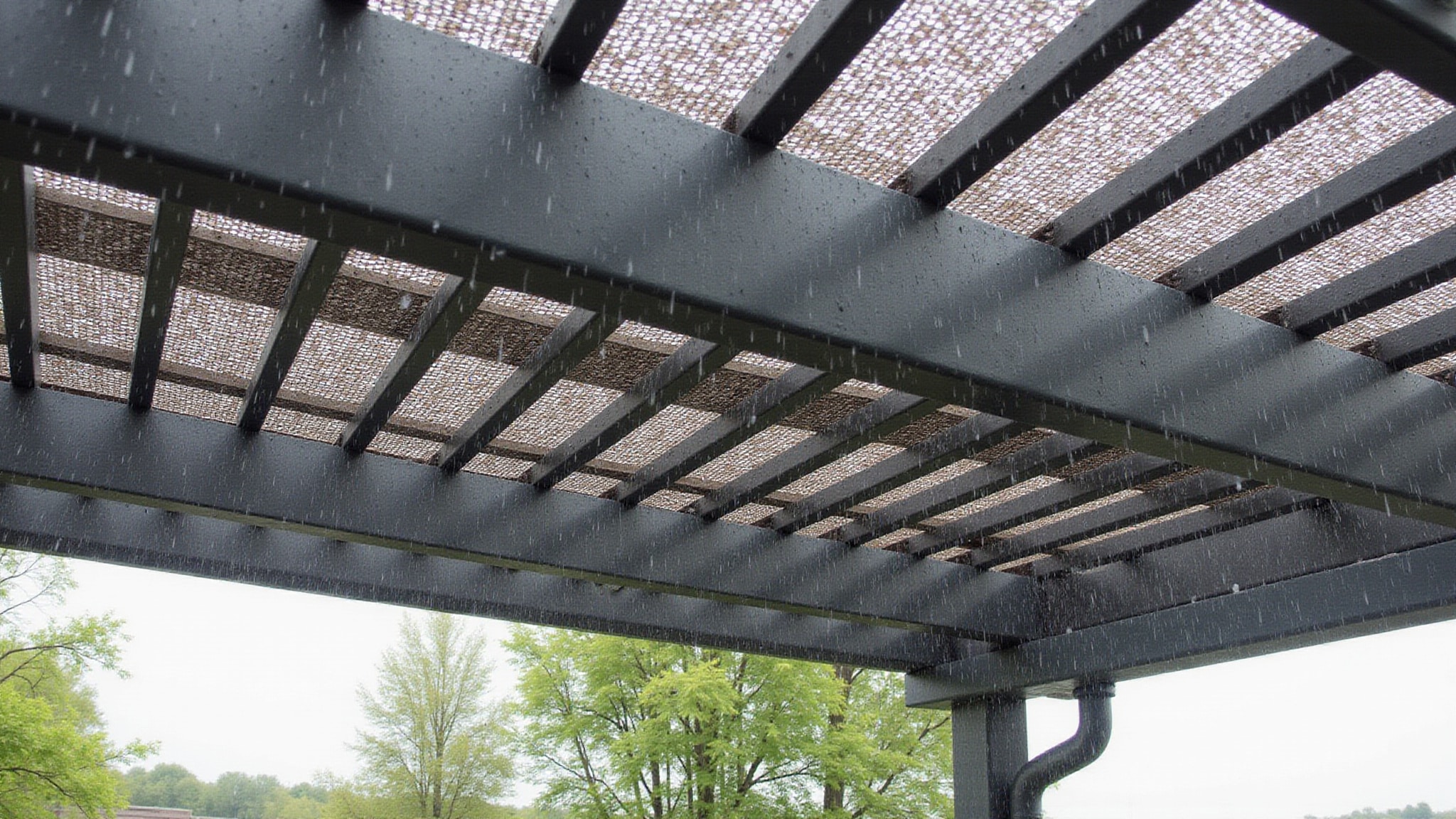
Extend your pergola’s life through three controllable levers: maintenance, installation quality, and material grade. Start with maintenance. Clean, seal, and stain wood annually. This alone can push pressure-treated pine toward its 10-to-15-year ceiling and cedar past 25 years. For vinyl, aluminum, and steel, inspect coatings and clear debris to prevent UV brittleness and corrosion.
Installation matters just as much. Anchor footings properly, use corrosion-resistant hardware, and add moisture barriers at ground contact points. Weak connections fail long before the material does.
Finally, invest in material grade upfront. Heartwood redwood, premium aluminum, and engineered timber outlast budget kits by decades. A well-built heavy-timber structure reaches 30-to-50-plus years. Match your material to your climate, then commit to consistent upkeep. That’s the real difference.
Which pergola material is best for longevity
Aluminum is the best pergola material for longevity. You’ll typically get 20 to 30 years, with high-quality systems pushing past 30, because aluminum resists rust, rot, and insects while demanding minimal maintenance. In harsher climates, it consistently outperforms wood and vinyl, which struggle with decay, UV brittleness, and corrosion. Choosing the right pergola design can enhance your outdoor space significantly. It’s important to consider factors such as aesthetics, functionality, and durability when making your choice.
Steel comes close at 15 to 25 years, but you’ll need to stay on top of protective coatings to prevent rust. If you want a wood option, engineered heavy timber rivals aluminum, reaching 30 to 50+ years when you use moisture barriers and strong connections.
For most residential setups, aluminum gives you the best balance of longevity and low upkeep. Choose engineered timber only if you’re willing to invest in premium construction and ongoing care.
Conclusion
A pergola’s lifespan is written largely by its material, from a handful of years for untreated softwoods to several decades for aluminum and premium timber, and by how well it is installed and maintained. Matching the material to the climate and the upkeep a homeowner will realistically do is what makes the structure last. Innovative Outdoor Living builds pergolas engineered for Florida’s conditions, so the material, footings, and finish all work together to give the longest life the yard allows.
Call Today and Design Your Custom Pergola
Whether you’re comparing louvered, aluminum, or wood pergolas, expert guidance helps you choose the right fit for your backyard. At Innovative Outdoor Living in Jupiter, FL, our skilled team delivers dependable Pergolas built around your lifestyle and style. Call +1 (561) 594-1495 today and start your outdoor project.
Frequently Asked Questions
How Much Does a Pergola Typically Cost by Material?
Cost generally tracks durability. Budget pine kits sit at the low end, while cedar, redwood, aluminum, steel, and engineered heavy timber cost more, reflecting their longer service lives. Labor, size, and any louvered or motorised features shift the total as well. Because pricing varies by region and build quality, current supplier or contractor quotes give the most accurate figure for a specific pergola.
Can I Install a Pergola Myself or Hire Professionals?
A pergola is DIY-friendly for someone with solid carpentry skills, especially simpler wood kits. Professionals are the safer choice for anchoring footings, working with heavy timber, or handling aluminum and steel systems that need precise connections. Installation quality directly drives lifespan, since poorly anchored footings and weak hardware fail fast. In a harsh climate or on a premium build, professional installation protects the investment.
Do Pergolas Add Value to My Home?
Pergolas do tend to add value, especially in durable, low-maintenance materials. Aluminum or premium timber builds return more, since buyers recognise their 20 to 30-plus-year lifespans and minimal upkeep. Well-anchored footings, corrosion-resistant hardware, and quality construction lift perceived value further. Maintenance matters too, though: a neglected, weathered pergola can hurt curb appeal, so keeping it sealed, sound, and climate-appropriate protects its resale impact.
Do I Need a Permit to Build a Pergola?
It depends on the local jurisdiction. A permit is typically needed when a pergola exceeds size thresholds, often around 120 square feet, or when it attaches to the home or a permanent foundation. Smaller freestanding structures sometimes skip permitting. Checking with the city or county building department first is wise, since setback rules, height limits, and attachment details all factor into approval.
Can I Convert My Existing Pergola to a Different Material?
Conversion is possible, but a rebuild is often the better route. Reusing a wood frame to mount aluminum or vinyl rarely works cleanly, since footings, hardware, and load ratings differ. Where the posts and footings are sound, swapping rafters or adding a new canopy material can work. A full material change usually calls for new anchored footings and corrosion-resistant hardware, which is where lifespan and structural integrity really come from.