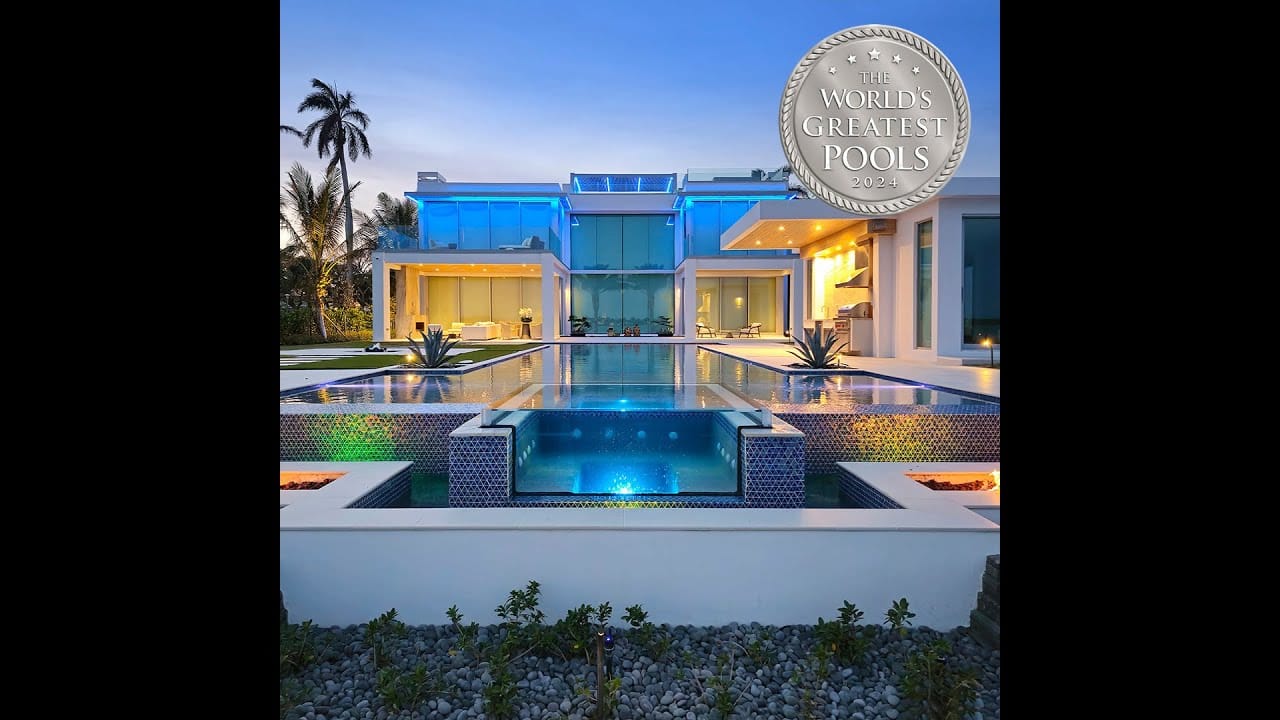

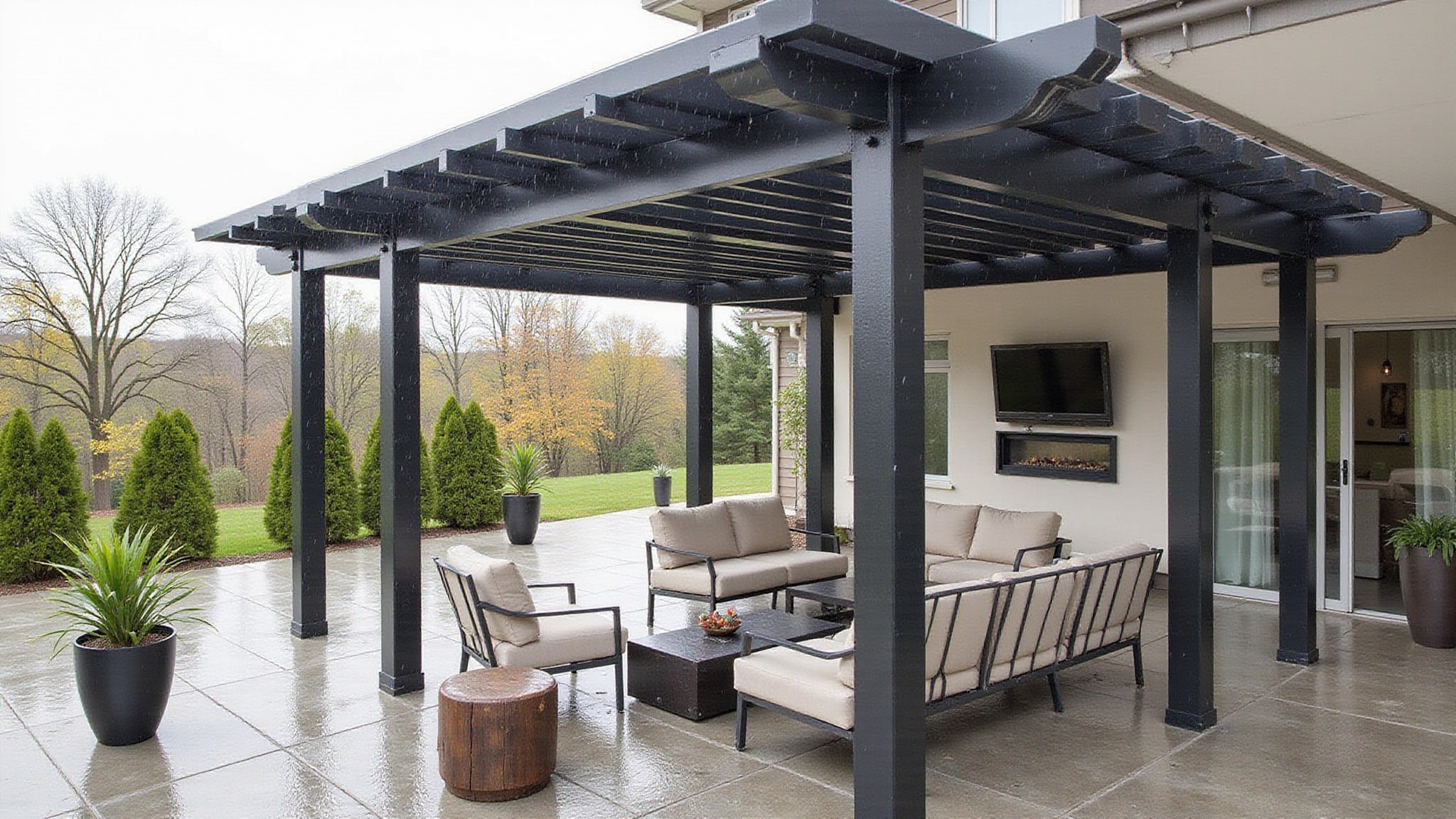
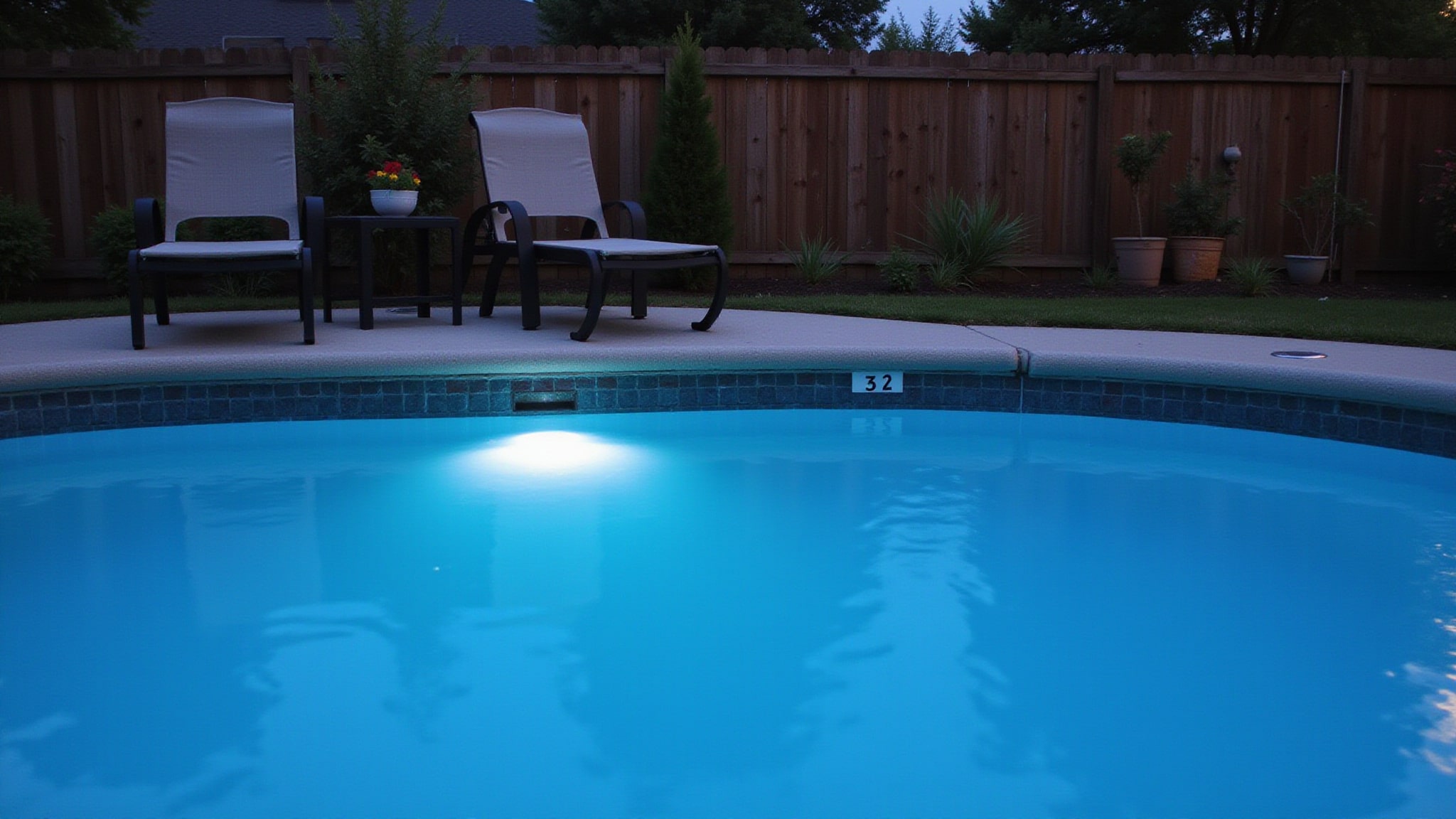
Start planning your outdoor living space by conducting a thorough site analysis of dimensions, sun patterns, and drainage. Map out distinct zones for activities while preserving scenic views and natural elements. Select weather-resistant materials like powder-coated aluminum and FSC-certified teak for durability. Incorporate layered lighting solutions, establish clear boundaries between areas, and optimize functionality with built-in features. Following a systematic approach will transform your vision into a well-designed, sustainable outdoor sanctuary.
Define Your Space and Map Out Zones
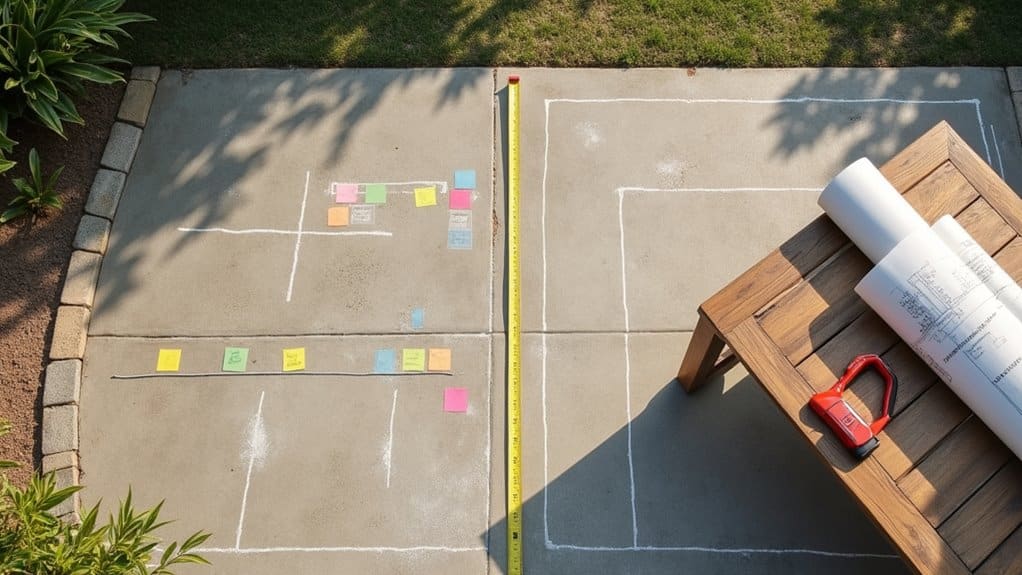
Before beginning your outdoor living space shift, you’ll need to conduct a thorough site analysis and develop a clear zoning strategy. Start by mapping your outdoor space’s dimensions, noting existing natural elements like mature trees, utilities, and structural features that’ll influence your design elements.
Analyze your property’s environmental conditions, including sun patterns, wind direction, and drainage flow. These factors will help you create visual harmony while positioning distinct areas for dining, cooking, and relaxation. Consider traffic flow between zones to guarantee smooth passages and functionality.
Take detailed measurements and document soil composition to inform your hardscaping decisions. Identify and preserve scenic views or focal points that’ll boost your space’s appeal. This systematic approach ensures your outdoor living area will work in harmony with the natural environment while meeting your lifestyle needs.
Select Weather-Resistant Furniture and Materials
When selecting outdoor furniture and materials, durability meets design at the intersection of sustainability and style. You’ll want to invest in weather-resistant materials that withstand nature’s elements while creating an inviting outdoor living space. Choose deep-seated loungers with performance fabrics and FSC-certified teak pieces that resist fading and mildew.
| Material Type | Key Benefits |
|---|---|
| Powder-Coated Aluminum | Rust-resistant, lightweight |
| FSC-Certified Teak | Sustainable, naturally weather-resistant |
| Recycled Polymers | Eco-friendly, low maintenance |
| Composite Decking | Durable, wood-grain aesthetics |
| Performance Fabrics | Fade-resistant, mildew-proof |
For maximum functionality, opt for adjustable sectionals and stackable dining chairs. Combine durable materials like modern all-weather wicker with teak accents to create a contemporary space that’s both beautiful and built to last.
Design Your Lighting Strategy
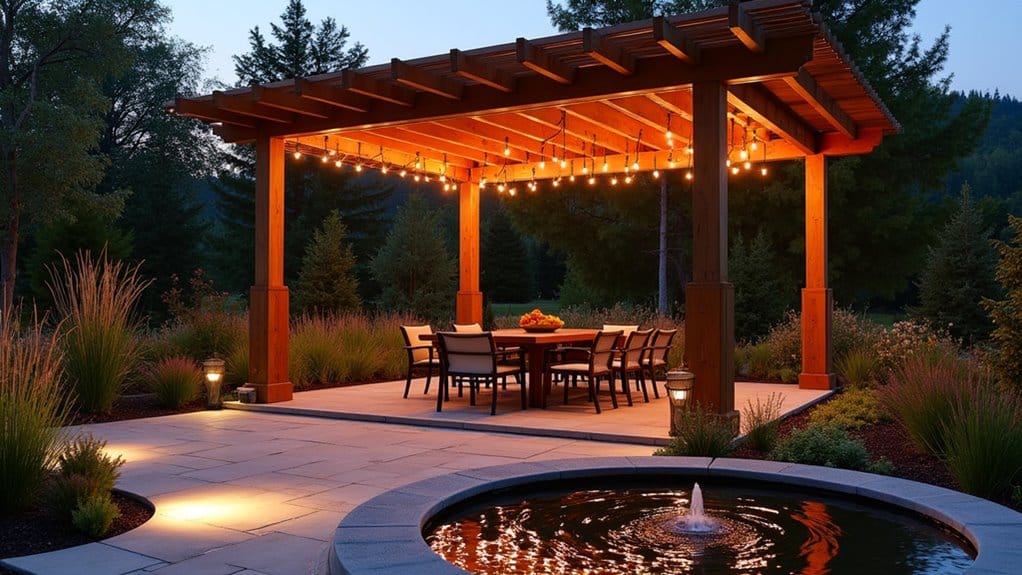
Create distinct lighting zones throughout your outdoor space by incorporating path lights for safety, wall sconces for ambient illumination, and strategic spotlights to highlight architectural features. You’ll optimize functionality and aesthetics by layering different light sources, from ground-level solar LEDs to weatherproof accent fixtures that showcase gathering areas and landscaping. Smart lighting controls enable you to adjust brightness levels, automate schedules, and manage energy consumption while maintaining the perfect ambiance for any outdoor occasion.
Layered Lighting Zones
A successful outdoor living space relies on three distinct lighting zones that work in harmony to transform your exterior environment. Start with strategically placed path lights to guarantee safe navigation along walkways and steps, creating essential task lighting zones. Next, install LED spotlights to highlight architectural elements and landscape features, establishing focal points that add visual depth and drama to your outdoor space.
Complete your lighting design with ambient lighting solutions like dimmable string lights that create an inviting atmosphere for entertainment and relaxation areas. By integrating smart lighting controls, you’ll have the flexibility to adjust brightness levels and timing for each zone independently. This layered approach not only maximizes functionality but also boosts energy efficiency while creating distinct moods for different outdoor activities throughout your space.
Smart Controls For Ambiance
Three essential smart control features transform your outdoor lighting design into an intelligent ecosystem that adapts to your lifestyle. Smart lighting systems with programmable schedules optimize energy usage while delivering automated ambiance control. Smart LED strip lights and outdoor light fixtures provide customizable color temperatures and dimming capabilities, enabling you to create distinct zones and moods.
Integrate your existing landscape lighting using smart plugs and switches to centralize control through a unified home automation platform. Weather-resistant smart speakers allow voice-activated commands, letting you adjust lighting scenes hands-free while entertaining. By incorporating motion sensors and remote accessibility, you’ll augment both security and convenience. This intelligent infrastructure not only amplifies your outdoor experience but also reduces energy consumption through automated scheduling and precise control over individual lighting elements.
Create Natural Flow Between Areas
When designing your outdoor living space, you’ll need to establish clear boundaries between activity zones while ensuring they flow seamlessly into one another through thoughtfully placed pathways and connecting components. You can create intuitive connections between spaces using stepping stones, permeable pavers, or natural landscaping features that guide movement and maintain visual continuity. Keep sight lines open and unobstructed by incorporating low-profile elements and strategic placement of taller features, allowing your outdoor rooms to feel distinct yet interconnected.
Define Activity Zone Boundaries
Creating distinct activity zones in your outdoor living space requires thoughtful planning to establish natural boundaries and seamless shifts. Strategic placement of hardscaping elements and visual cues helps define boundaries while maintaining an organic flow between activity zones. You’ll want to incorporate changes in materials, textures, and elevations to subtly separate spaces without creating jarring changes.
- Use permeable pavers for dining areas, natural stone for lounging spaces, and weather-resistant decking for cooking zones to create distinct visual and functional boundaries.
- Install overhead structures like pergolas or shade sails to define specific activity zones while providing protection from the elements.
- Incorporate raised planters, seating walls, and ornamental grasses as natural dividers that double as functional elements while maintaining sight lines between spaces.
Connect Paths Between Spaces
Strategic pathway connections serve as the arteries of your outdoor living space, directing both movement and visual flow between activity zones. You’ll want to create paths that guide movement naturally while incorporating permeable materials that complement your landscape’s natural elements.
| Path Type | Best Uses | Key Benefits |
|---|---|---|
| Natural Stone | High-traffic areas | Durability, aesthetics |
| Decomposed Granite | Secondary paths | Drainage, cost-effective |
| Permeable Pavers | Main walkways | Low maintenance, eco-friendly |
When designing your pathways, incorporate gentle curves that lead to focal points throughout your outdoor space. Edge your paths with low-growing plants to soften shifts and create a seamless blend with surrounding areas. This approach not only amplifies visual appeal but also guarantees practical functionality while maintaining environmental consciousness through proper drainage and material selection.
Maintain Open Sight Lines
Beyond well-designed pathways, open sight lines serve as the visual backbone of a cohesive outdoor living space. By strategically arranging natural elements and modern outdoor features, you’ll create an environment that flows seamlessly from one area to the next. When positioning fire pits, seating areas, and landscaping features, consider how they frame and bolster your space’s key views while maintaining clear visual connections.
- Position taller design elements like pergolas or privacy screens along the perimeter, preserving central sight lines between functional zones.
- Incorporate low-growing plants and transparent barriers that define spaces without blocking views.
- Arrange furniture to create intimate gathering areas while maintaining a cohesive look and unobstructed flow.
Following these design principles helps your outdoor space remain visually connected, spacious, and inviting, while each zone maintains its distinct purpose and character.
Incorporate Smart Technology Solutions
Modern outdoor living spaces thrive on intelligent technology integration that amplifies both functionality and user experience. Start by installing smart outdoor lighting with motion sensors and app-controlled dimming to improve security while creating ambiance. Connected outdoor speakers let you stream audio seamlessly between indoor and outdoor zones, elevating your entertainment capabilities.
Implement smart irrigation systems that respond to real-time weather data and soil conditions, ensuring ideal water usage for your landscape. Enhance security with smart outdoor cameras and video doorbells that provide instant mobile alerts. For gardening enthusiasts, smart garden sensors monitor essential plant health metrics, delivering data-driven recommendations for maintenance.
These high-quality, well-designed outdoor technologies not merely improve your space’s functionality but also contribute to sustainable resource management and enhanced property value.
Establish Your Plant and Container Garden Plan
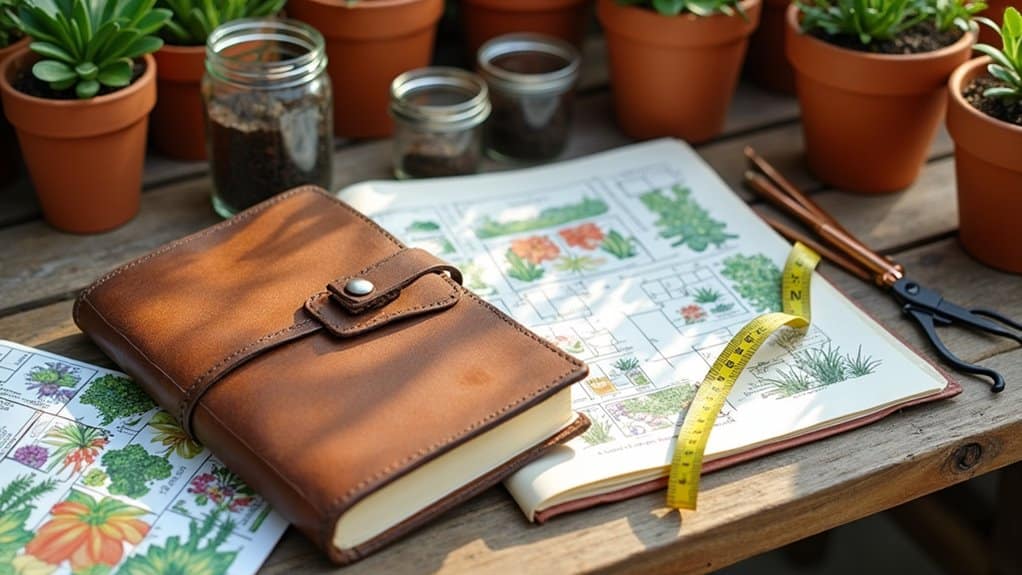
With your smart technology foundation in place, the next phase focuses on creating a thoughtfully curated plant and container garden design. Select drought-tolerant and pollinator-friendly native plants that’ll naturally thrive in your local ecosystem while supporting biodiversity. You’ll optimize your outdoor living space by incorporating vertical space through hanging baskets and wall-mounted planters, creating a dynamic visual experience.
- Group your container gardens by water requirements, placing those with similar needs together to create efficient irrigation zones
- Mix large statement planters with smaller accent pots to establish varied heights and visual interest
- Plan regular maintenance schedules to refresh containers, prune growth, and remove spent blooms
Remember to position your plants strategically, considering sun exposure and traffic patterns while maintaining clear sightlines throughout your outdoor living space.
Add Finishing Touches and Decor Elements
Now that your foundational elements are in place, it’s time to improve your outdoor sanctuary through carefully selected decorative elements. Transform your outdoor living space with weather-resistant materials like Sunbrella for cushions and pillows, ensuring durability against the elements while maintaining style. Position solar string lights strategically around your fire pit or water features to create an enchanting evening atmosphere.
Integrate multi-tier wooden planter boxes near garden beds to optimize greenery in a space-efficient manner. You’ll find excellent deals on outdoor accessories during April sales at major retailers. Layer your space with outdoor rugs to define seating areas and add visual warmth. Complete the ambiance with lanterns and outdoor sconces, creating a cohesive lighting scheme that shifts seamlessly from day to night.
Frequently Asked Questions
What Are the 7 Steps to Landscape Design?
You’ll need to follow these seven essential steps: Initially, conduct a thorough site analysis to examine landscape components. Second, determine budget requirements and constraints. Third, create detailed sketches and prioritize design elements. Fourth, remove existing lawn and install hardscape. Fifth, incorporate outdoor furniture and build healthy soil. Sixth, plan for lighting and ambiance, including water features. Ultimately, implement irrigation systems and select climate-appropriate plants.
How Much Does It Cost to Add an Outdoor Living Space?
You’ll find that the average budget for an outdoor living space ranges from $10,000 to $50,000. Professional costs typically run $50-150 per square foot for basic installations, while premium spaces can reach $300 per square foot. Material expenses vary enormously, with DIY approaches saving 20-30% compared to contractor rates. Consider seasonal considerations for your climate and ongoing maintenance requirements when planning. High-end features like outdoor kitchens and custom built-ins will drastically increase your investment.
How Are Outdoor Living Areas Created?
You’ll create outdoor living areas through a systematic process that begins with thorough planning and materials selection. Start by evaluating your site’s topography and conducting soil tests. Next, implement your design considerations, focusing on traffic flow and functional zones. Progress to site preparation, including grading and hardscape installation. Then, integrate lighting installation and strategic furniture arrangement. Ultimately, establish maintenance strategies to protect your investment and guarantee sustainability.
How to Transform Your Outdoor Space Into a Cozy Place to Hang Out?
Transform your outdoor space by strategically placing comfortable furniture in conversation-friendly groupings, then layer in appealing lighting options like LED string lights or solar lanterns. Add a cozy fire feature as your focal point, and surround it with inviting landscaping elements. Don’t forget weather-resistant accessories like plush cushions and throws. Create a relaxing ambiance by incorporating sustainable materials and natural textures that’ll make your outdoor sanctuary feel like an extension of your home.