
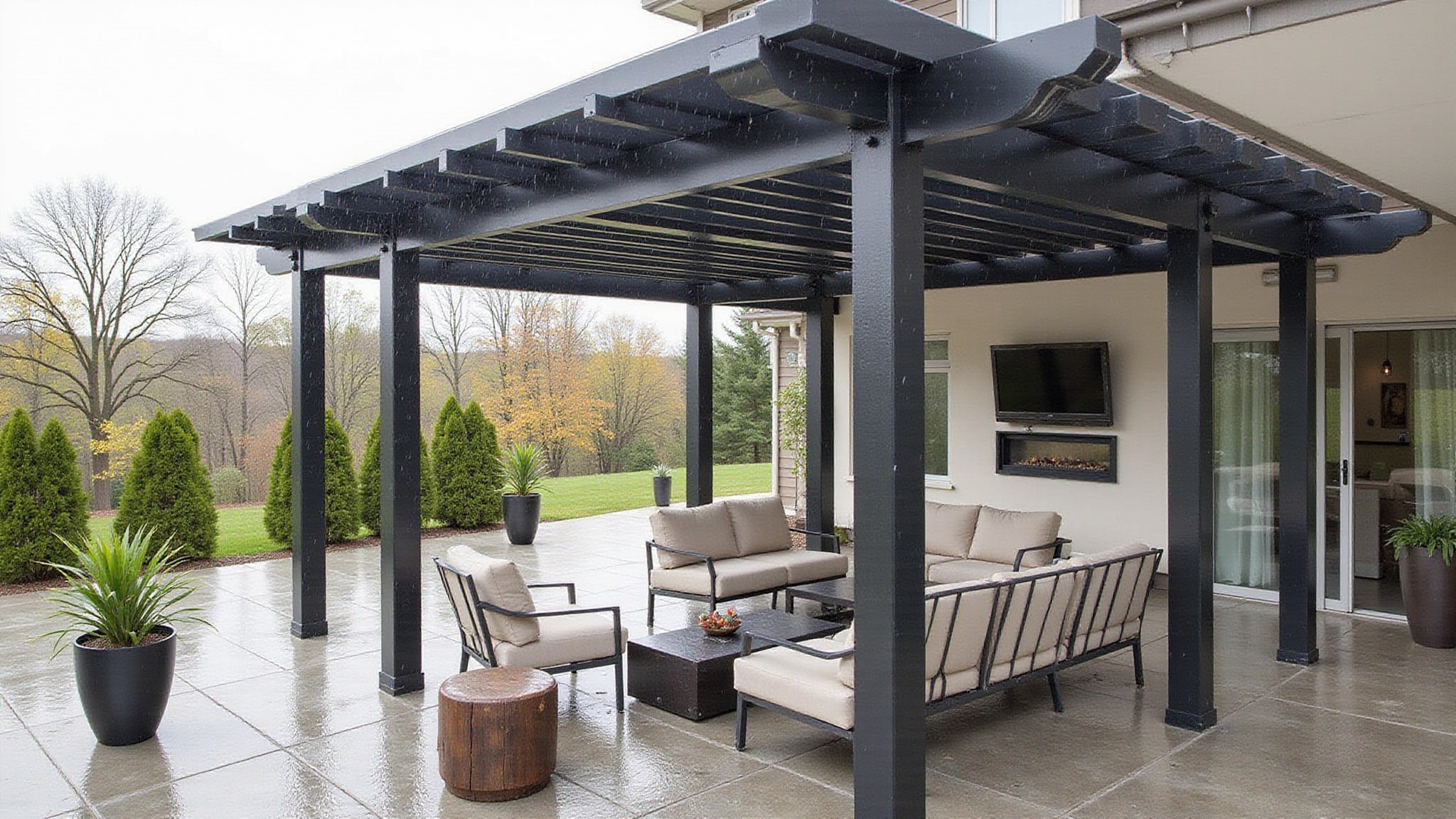

A backyard makeover moves through three clear stages. Before, you’ll assess true conditions, clearing clutter, edging beds, mowing, and power washing to expose grades, sun exposure, and sightlines. During, you’ll define a primary activity, level uneven ground, add paths, and build structure with pergolas, screens, and renewed fences. After, your yard reads as deliberate zones, anchored by gravel or pavers and softened by mulch and climbers. Below, you’ll find each stage broken down.
Key Takeaways
- Before: Clear clutter, remove dead growth, edge beds, mow the lawn, and power wash hardscape to reveal the yard’s true condition.
- Before assessment: Walk the space deliberately to identify assets and problem areas, noting grades, sun exposure, and sightlines.
- During: Define a primary activity zone, level uneven ground, add defined gravel or paver paths, and build structure with pergolas or privacy screens.
- After: The yard reads as deliberate zones with anchored surfaces, mulched borders, softened fence lines, structured shade, and closed sightlines.
- Timeline: Expect anywhere from a few days to 1 to 2 years depending on phasing, with ongoing seasonal maintenance to preserve results.
Backyard Makeover: Before, During, After
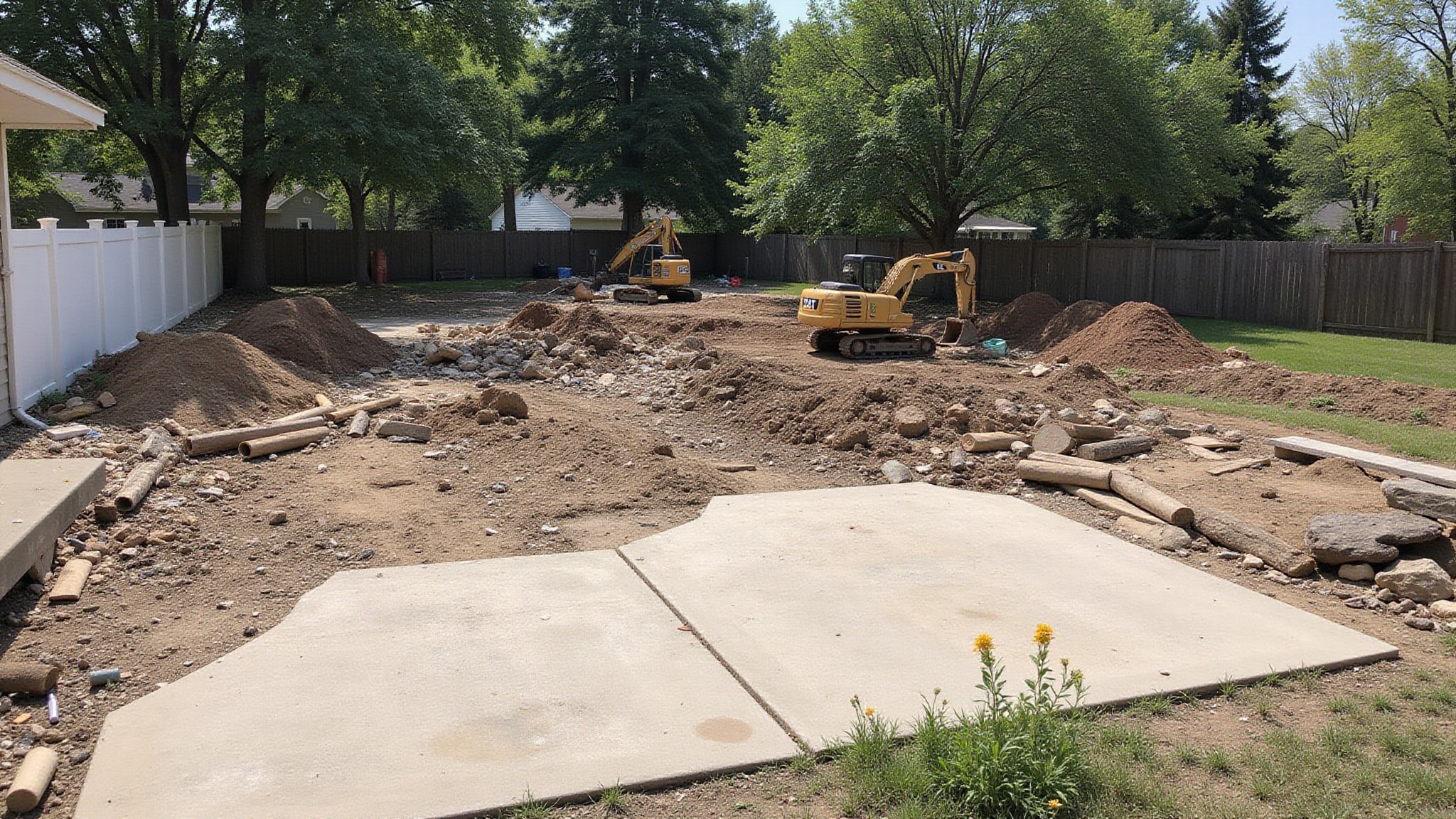
A backyard makeover happens in three stages: before, during, and after. In the before stage, you need to see your yard as it actually is, not as the overgrown blur you’ve stopped noticing. Start your backyard renovation with cleanup: remove dead growth, edge the beds, mow the lawn, and power wash your hardscape. This exposes drainage issues, existing assets, and problem areas. In the during stage, you’ll level uneven ground, add defined paths using gravel or pavers, and introduce privacy screens and shade structures. Prioritize your primary activity first, then layer in secondary uses.
The after stage is where your backyard transformation crystallizes. Mulch, container plantings, string lights, and a pergola turn function into atmosphere. Documenting each phase gives you a genuine backyard makeover before and after, proving the design worked.
How do you assess your backyard before the makeover
Assess your backyard by first clearing the space, because you can’t evaluate what clutter and overgrowth still hide. Remove dead, broken, or distracting items first, then edge your planting beds and mow the lawn to reveal the yard’s actual structure. Power wash hardscape surfaces to expose their true condition and improve visibility. After the space reads clearly, walk it deliberately. Identify existing assets worth keeping and problem areas needing correction. Every backyard makeover depends on this honest baseline, so study grades, sun exposure, and sightlines with precision.
Check drainage and irrigation early, since proper water flow keeps future landscaping alive. A successful backyard remodel builds on what you learn here. Map wet spots, shaded zones, and salvageable structures before committing to a single design decision.
What happens during a backyard makeover
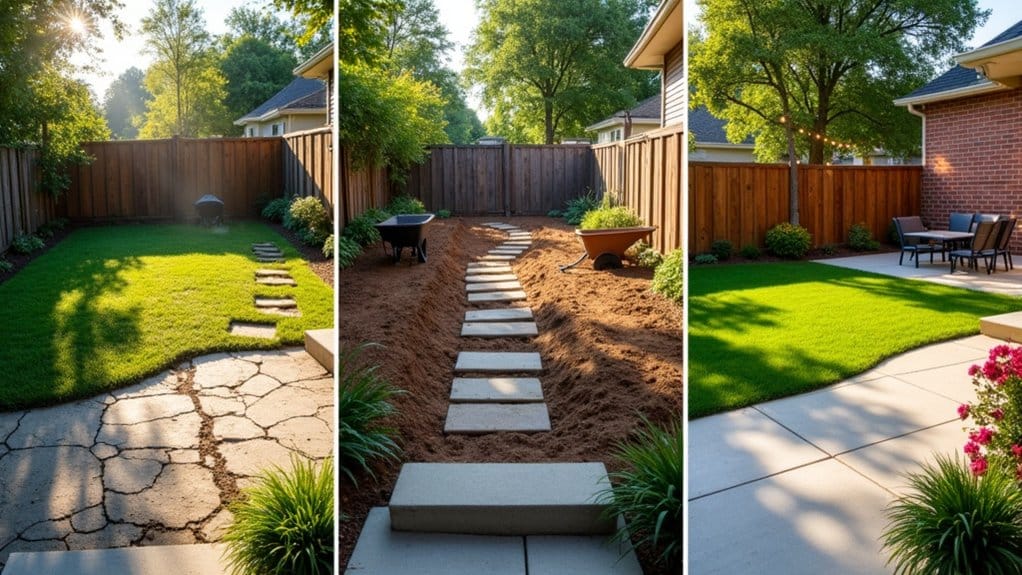
A backyard makeover moves the space from a cleared baseline into deliberate transformation, shaping everything around a single primary goal. You start by defining the primary activity, eating, relaxing, entertaining, cooking, or gardening, then layer secondary uses without overcrowding the layout. You level uneven ground to create usable flat zones, then add defined paths using gravel, decomposed granite, or pavers to organize circulation and separate planted beds from activity areas.
Next, you build structure: renew fences, raise a pergola for shaded entertaining, or install privacy screens, trellis panels, and bamboo. You extend indoor living with outdoor kitchens, pass-through windows, or fire pits. Finally, you finish with mulch, containers, climbers, and string or solar lights, designing every choice around long-term use rather than a quick visual change.
What does the backyard look like after the makeover
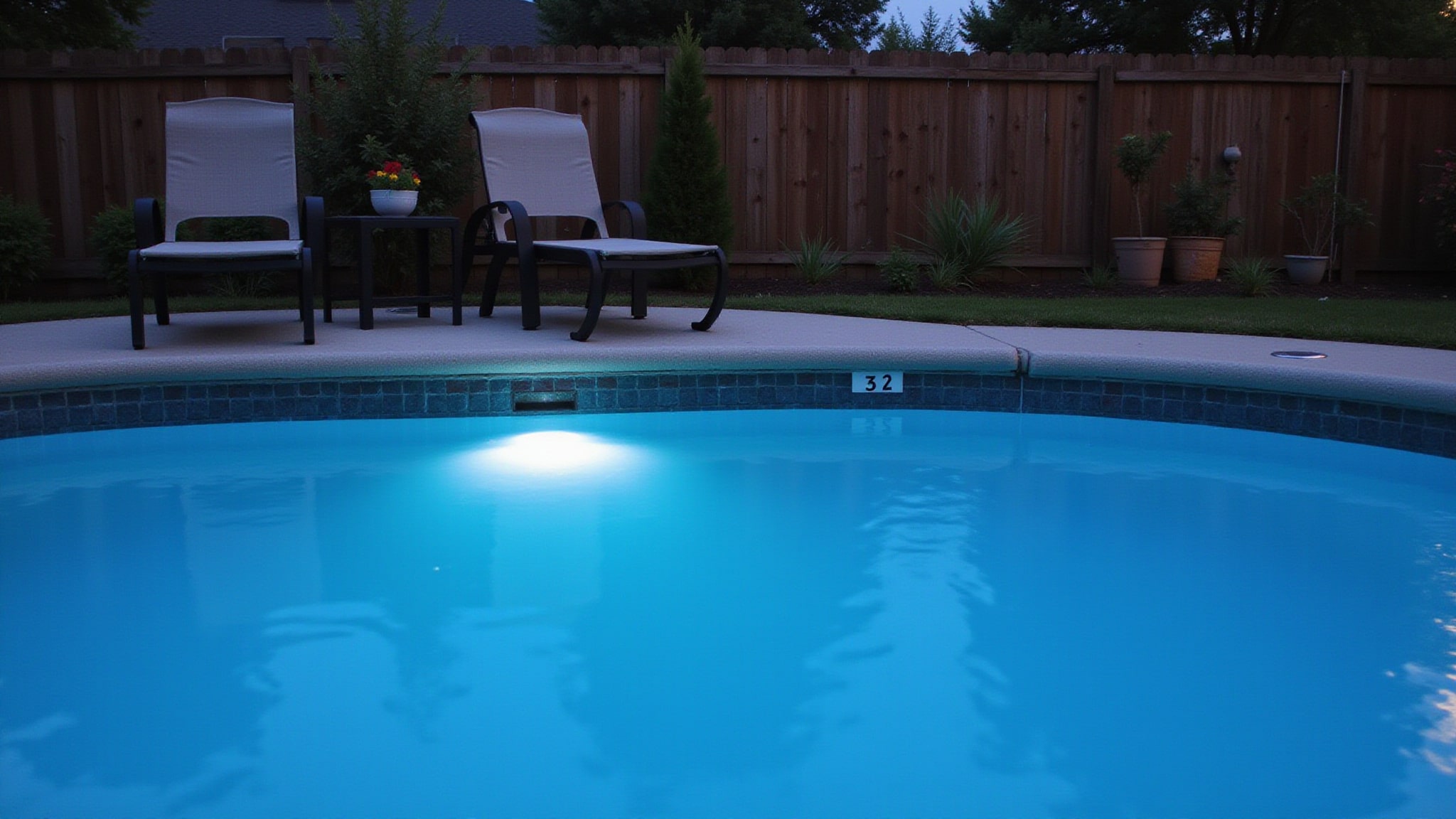
The backyard reads as a series of deliberate zones rather than a single undefined patch. Your primary activity area anchors the space, defined by a gravel or paver surface, while paths route circulation cleanly around planted beds. Mulch darkens and unifies the borders, and climbers soften the fence lines you renewed or repainted. A pergola casts structured shade over the seating zone, and container plantings inject color at eye level. Privacy screens frame the perimeter, closing sightlines without boxing you in. At night, solar and string lights layer atmosphere across the hardscape. Everything you see supports long-term use, furniture, shade, and circulation coordinated so the space works, not just looks finished.
How long does a backyard makeover take
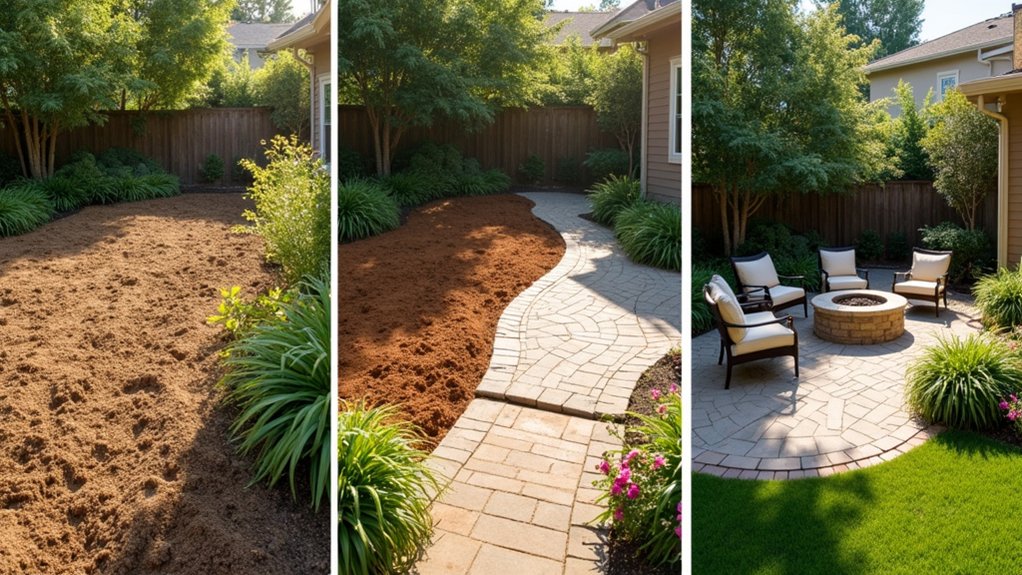
A backyard makeover takes anywhere from a few days to 1 to 2 years, depending on how you phase the work. If you tackle everything at once, you’re looking at a compressed timeline driven by budget and labor availability. But phasing over 1 to 2 years spreads costs and reduces pressure, letting you assess each stage before committing to the next.
| Phase | Estimated Timeline |
|---|---|
| Cleanup & Assessment | Days to a week |
| Edging, Mulching, Painting | 1 to 2 weeks |
| Gravel or Paver Patio | 2 to 4 weeks |
| Planting & Finishing Details | Ongoing seasonally |
Start with cleanup, then layer in hardscape and planting. You’ll notice plantings mature over months, so the truest “after” reveals itself gradually. Patience here rewards you with a space that grows into its full vision.
How do you maintain your backyard after the makeover
Maintain your backyard after the makeover by protecting your foundation: check drainage and irrigation regularly, since proper watering keeps landscaping alive through seasonal shifts. Refresh mulch in planting beds to retain moisture and preserve that finished appearance. Re-edge beds and mow the lawn to maintain the yard’s defined structure. Power wash hardscape surfaces periodically to expose their condition and prevent buildup on gravel, pavers, or decomposed granite.
Prune climbers and shrubs so they keep softening hard edges without overwhelming your layout. Replace solar lights and string lights as they fail, sustaining nighttime atmosphere. Rotate container plantings for ongoing color, and inspect fences, pergolas, and screens for wear before small problems compound.
Conclusion
A backyard makeover is a journey with distinct stages, honest assessment, staged construction, and the payoff of a finished space, and understanding each one makes the process far less daunting. Planning the sequence, budgeting realistically, and prioritising durable, high-value features keeps the result both beautiful and worthwhile. Innovative Outdoor Living guides homeowners through every stage of a makeover, turning a tired yard into an outdoor space built to be lived in and to last.
Transform Your Backyard Into a Private Oasis
Every backyard renovation deserves a thoughtful plan, expert execution, and results that boost both lifestyle and home value. At Innovative Outdoor Living in Boca Raton, FL, our experienced team provides trusted Backyard Makeovers with expert craftsmanship and premium design. Call +1 (561) 594-1495 today and start your backyard transformation.
Frequently Asked Questions
Do I Need Permits for a Backyard Makeover?
It depends on the scope. Cosmetic upgrades like mulching, painting, containers, string lights, or edging beds usually need no permit. Structural additions are another matter: pergolas, outdoor kitchens, fences over height limits, fire pits, and drainage or irrigation changes often trigger local building codes. Checking with the municipality before leveling ground or installing hardscape, and confirming requirements early, protects the plan and prevents costly rework later.
Should I Hire a Professional or Do It Myself?
The finishing details are very DIY-friendly, cleanup, edging, mulching, painting, container plantings, string lights, and a fire pit, keeping costs near $300 to $500. Technical work is better left to a professional: leveling uneven ground, drainage and irrigation, structural pergolas, or outdoor kitchens. Phasing the project over a year or two lets the budget and the build progress at a comfortable pace.
What Is the Best Season to Start a Backyard Makeover?
Early spring tends to give the best results, when mild temperatures allow leveling ground, edging beds, and establishing plantings before summer heat stresses new growth. Starting with cleanup and assessment, power washing hardscape and checking drainage and irrigation, sets a solid base before building outward. For a pergola or gravel patio, spring is the window to construct structures and let climbers, shrubs, and containers root in before entertaining season.
How Much Does a Backyard Makeover Increase Home Value?
There is no single fixed figure, since resale gains are project-specific. The features buyers consistently want are the ones to lean on: pergolas, fire pits, outdoor kitchens, pass-through windows, outdoor showers, and greenhouses. Phasing the investment, roughly $15,000 to $20,000 for a full transformation, builds lasting functional appeal. Prioritising durable hardscape and quality structures is what protects that value over time.
Which Backyard Features Offer the Best Return on Investment?
The strongest returns come from features that extend living space and signal lifestyle value. A pergola turns a patio into a shaded entertaining zone, and an outdoor kitchen with a pass-through window blends indoor and outdoor cooking. Fire pits, outdoor showers, and garden greenhouses rank high in Zillow trend coverage. Renewed fences and defined paths are worth remembering too, as affordable upgrades that give a polished, buyer-ready finish.