
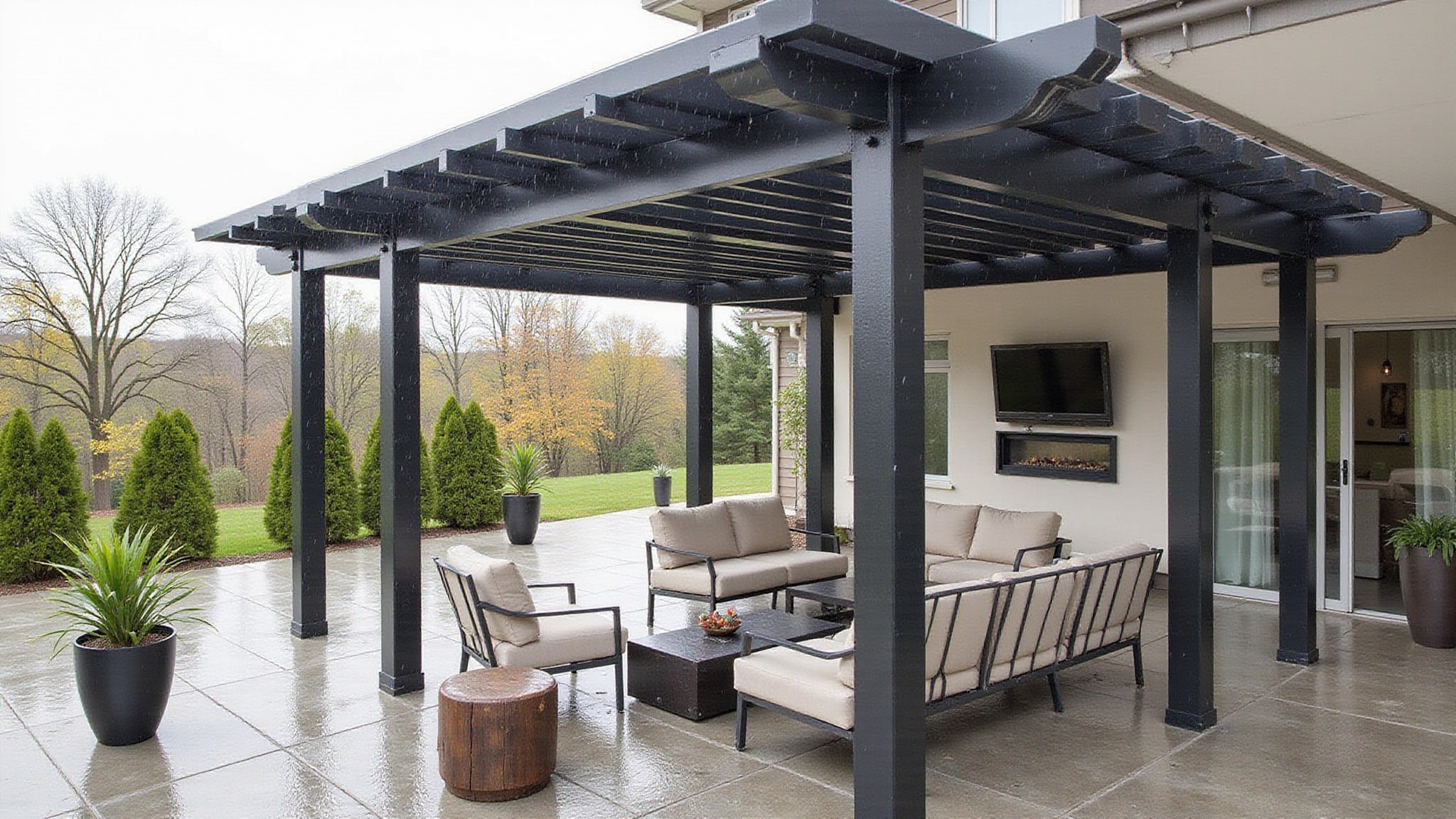
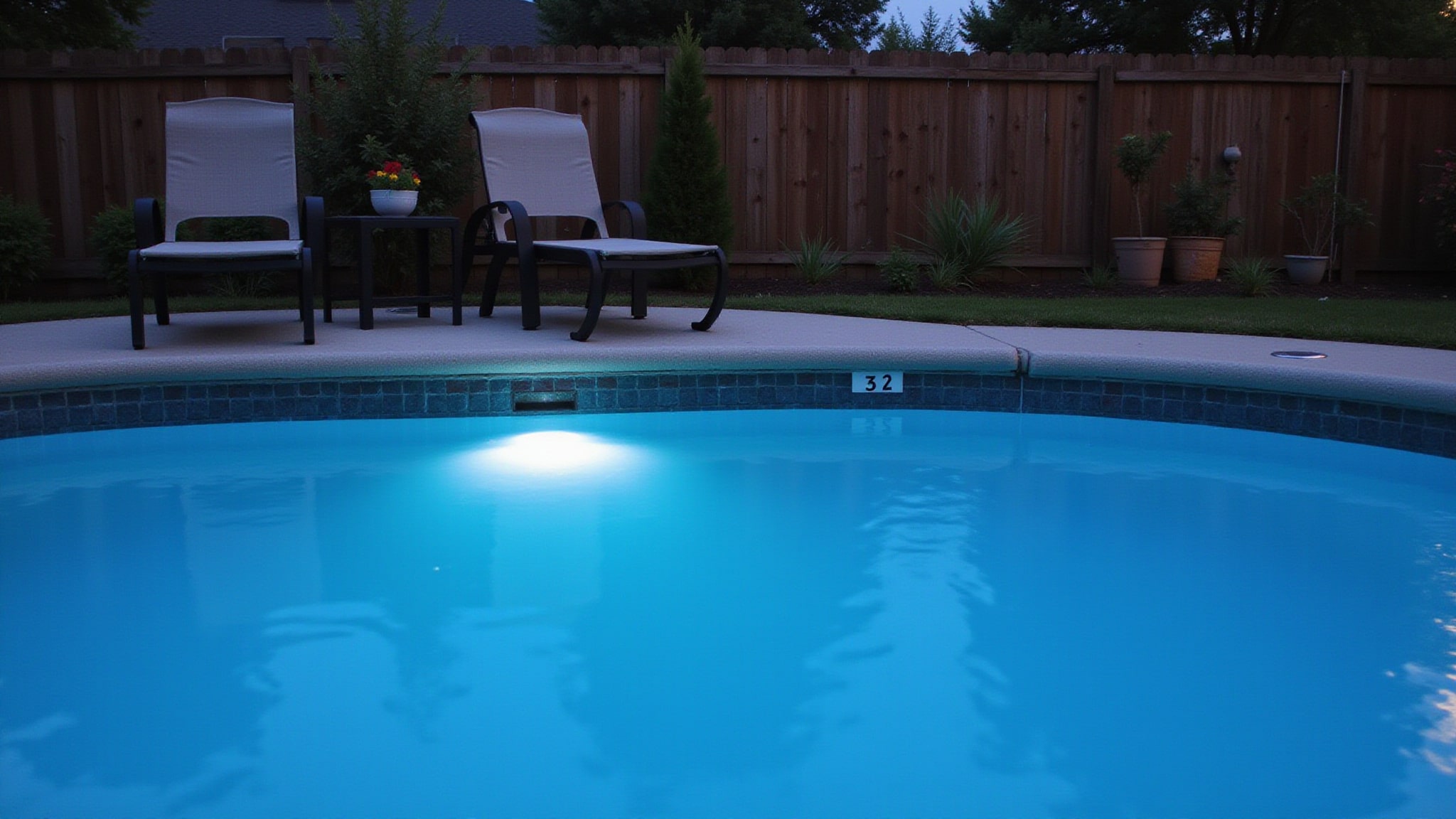

Start by defining your primary use case, entertaining, play, gardening, or relaxation, then separate must-have features from nice-to-haves to prevent scope creep. Divide your yard into distinct activity zones and attach measurable targets to each. Draw a to-scale base map marking structures, trees, slopes, and utilities before you buy anything. Assess sunlight, drainage, and soil, then budget by category with a 10 to 20% contingency. The details below sharpen every step.
Key Takeaways
- Define your backyard’s primary use and separate must-have features from nice-to-haves to prevent costly scope creep.
- Measure the site and draw a to-scale base map marking structures, trees, slopes, and obstacles before buying materials.
- Verify property lines and identify underground utilities and easements before any digging begins.
- Build a realistic budget by category, demolition, hardscape, softscape, lighting, labor, permits, disposal, and include a 10 to 20% contingency.
- Match tasks to skill level, hiring professionals for drainage, grading, retaining walls, and electrical work.
Starting a Backyard Renovation Right
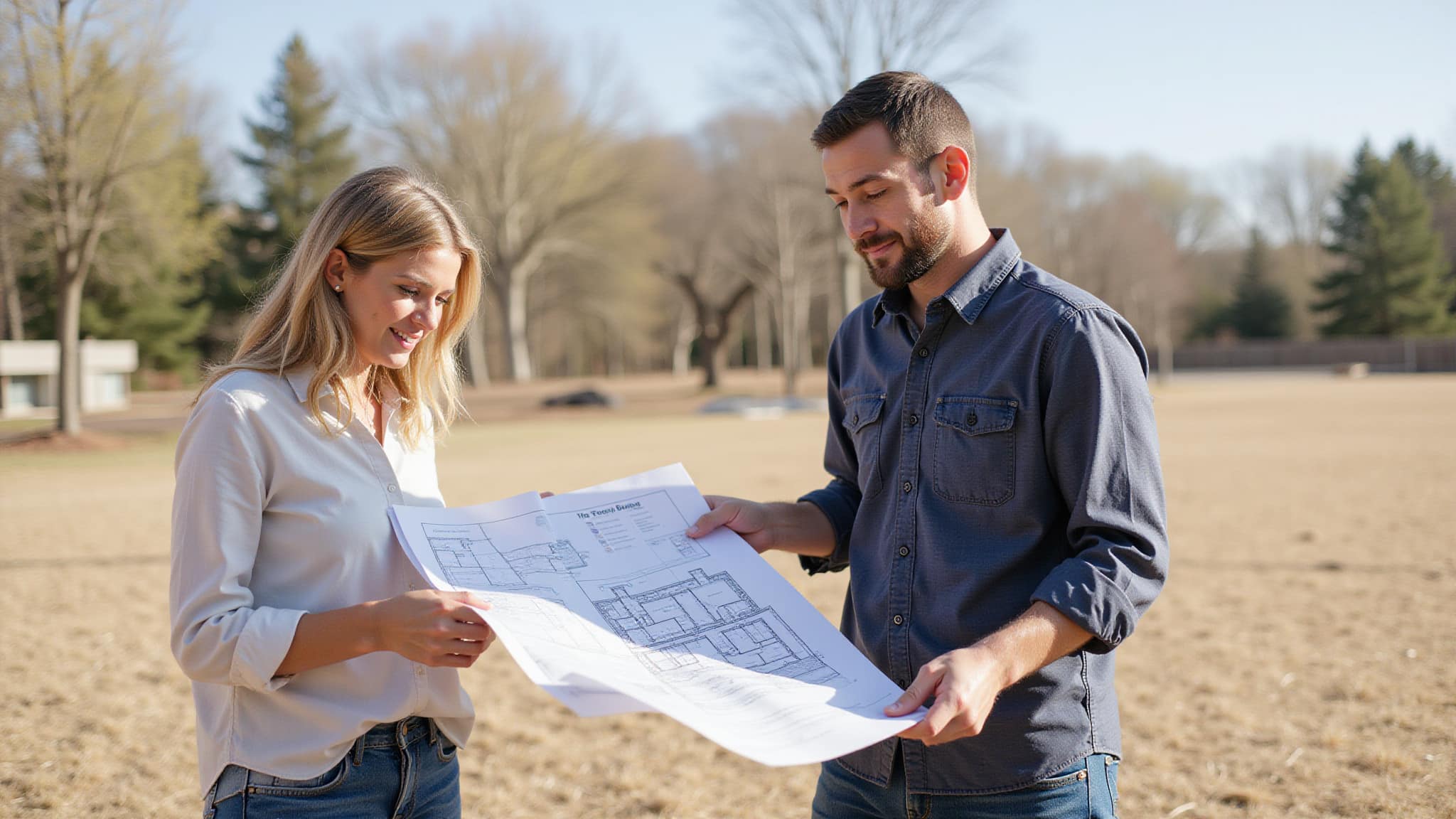
Starting a backyard renovation right begins with defining exactly how you’ll use the space. Clarify your primary functions: entertaining, play, gardening, relaxation, cooking, or pet use. List must-have and nice-to-have features separately to prevent scope creep. Then divide the yard into distinct activity zones rather than treating it as one open expanse. Establishing backyard design timelines and expectations is crucial for staying on track throughout the project. Make sure to set realistic deadlines based on the scope of work and the availability of resources.
Planning a backyard renovation means prioritizing your highest-value elements early, especially if you’ll phase the work. Set long-term goals for maintenance level, privacy, shade, and visual structure before committing to any layout. Backyard upgrades that increase value can transform your outdoor space into a desirable retreat. Consider features such as an outdoor kitchen, which can enhance both usability and appeal.
A successful backyard makeover depends on this foundational clarity. When you know precisely what each zone must accomplish, every subsequent decision, materials, dimensions, budget, aligns with a defined, deliberate purpose.
How do you set goals for your backyard renovation
Set goals for your backyard renovation by translating your defined zones into measurable targets. Clarify your primary use case, whether entertaining, play, gardening, relaxation, cooking, or pet use, then attach concrete metrics to each function. Separate must-have features from nice-to-have ones to prevent scope creep during your backyard remodel.
Prioritize your highest-value elements early, especially when phasing the work. If budget or timeline forces staged execution, sequence foundational zones ahead of decorative additions. Define long-term goals for maintenance level, privacy, shade, and visual structure, since these parameters drive layout, material selection, and plant density.
Document each target so you can verify progress against it. Precise, quantifiable goals keep your backyard renovation aligned with your intended function, preventing costly rework and mid-project redesign.
How do you plan and budget your renovation
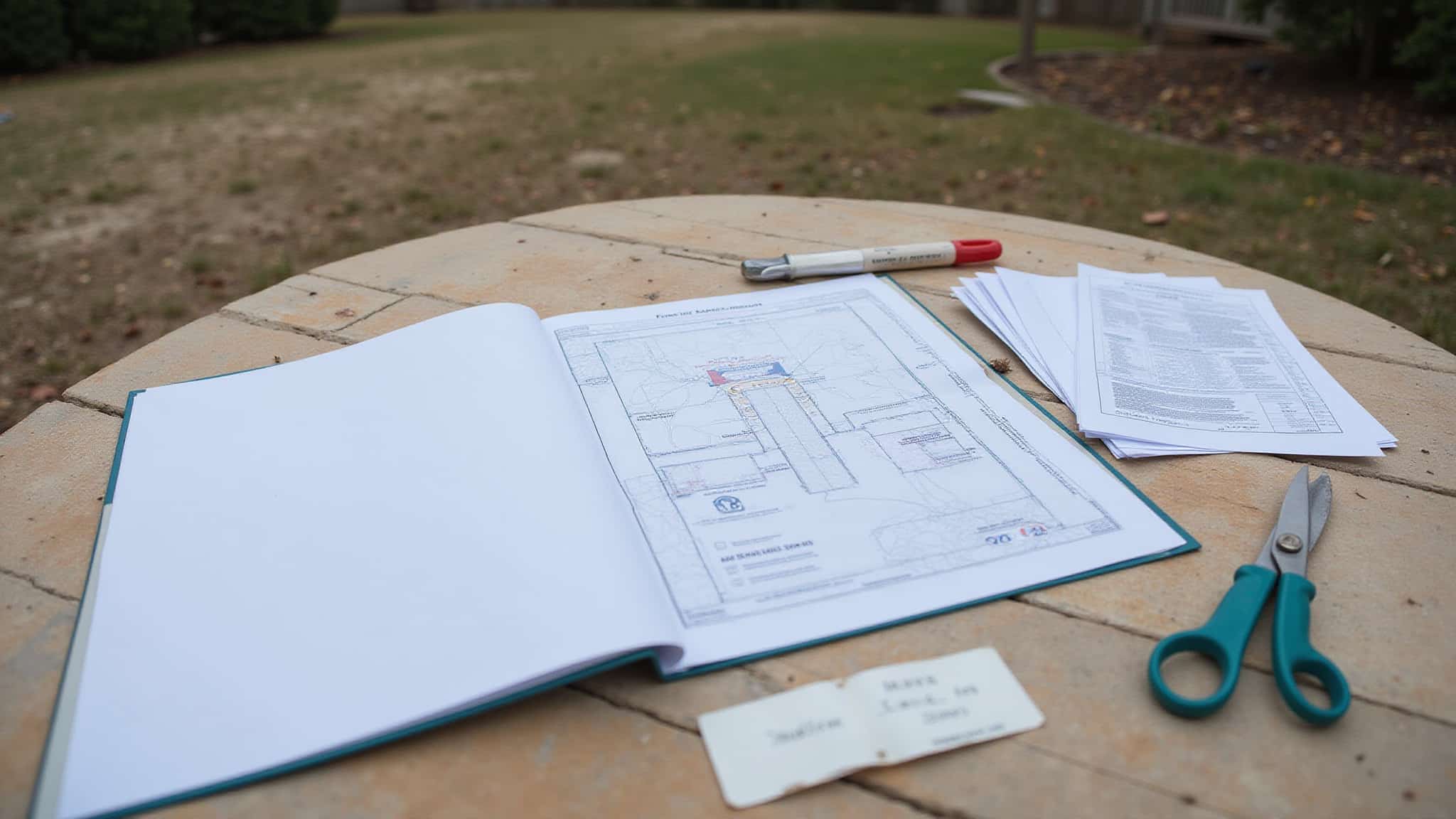
Plan and budget your renovation by measuring the site and drawing a to-scale base map before you buy a single material. Mark existing structures, trees, walls, slopes, and obstacles, then verify property lines and identify underground utilities and easements before any digging. Assess sunlight, drainage, soil condition, and terrain during this phase.
Next, build a realistic budget broken into categories: demolition, hardscape, softscape, lighting, labor, permits, and disposal. Allocate the largest share to foundational elements before decor or accessories. Reserve a 10 to 20% contingency fund for unexpected conditions like drainage or soil issues.
If you can’t complete everything at once, plan phased spending, prioritizing high-value elements first. This mapped, categorized approach keeps your project structured, prevents scope creep, and protects you from costly rework.
How do you design your backyard layout
Define your backyard’s primary use case before sketching a single line. Clarify whether entertaining, play, gardening, relaxation, cooking, or pet use drives the design, then list must-have and nice-to-have features to prevent scope creep. Divide the yard into distinct activity zones rather than treating it as one open space, and prioritize your highest-value elements early, especially if you’re phasing the work.
Ground your design in your to-scale base map, marking existing structures, trees, slopes, and obstacles so your zones respect real conditions. Factor in sunlight, drainage, and terrain when positioning each function. Finally, set long-term goals for maintenance level, privacy, shade, and visual structure, ensuring your layout stays coherent as it matures.
Should you DIY or hire a professional
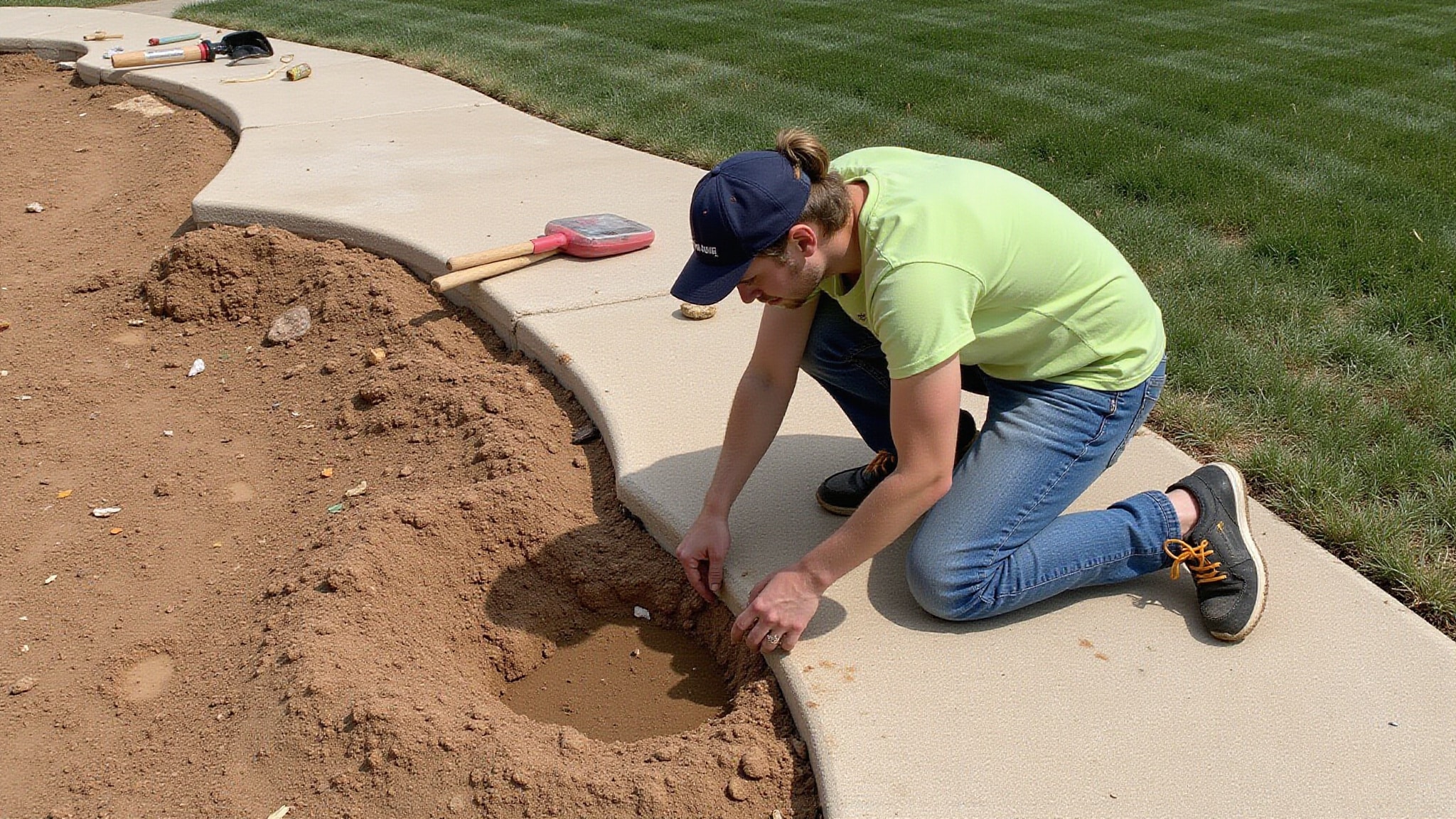
Whether to DIY or hire a professional depends on matching each task to its skill and risk level. Simple, high-impact upgrades like mulching, planting, decorative details, and furnishing suit DIY execution and stretch your budget effectively. Reserve professionals for foundational, code-sensitive work: drainage systems, grading, retaining walls, irrigation routing, electrical lighting, and structural hardscape foundations. These carry permit requirements, utility-marking obligations, and failure risks that amplify rework costs.
Consider your phased strategy here. You can self-perform demolition, cleanup, and soil prep, then contract specialists for infrastructure before finishing zones yourself. Verify that any professional confirms setback rules, drainage codes, and utility locations before excavation. Blend both approaches, allocating labor where technical precision protects your investment and long-term maintenance goals.
What common mistakes should you avoid
The costliest backyard project errors come from skipping the groundwork. Don’t start design work before defining your use case, since vague goals invite scope creep and wasted spending. Skipping a to-scale base map leads to mismeasured hardscape and material shortages. Never dig before confirming underground utilities, easements, and property lines. Avoid budgets without a 10 to 20% contingency, since drainage and soil surprises will drain unreserved funds fast. Don’t skip permits, setback rules, or HOA CC&R reviews, since unpermitted structures often require costly removal. Prioritizing aesthetics over infrastructure is a frequent misstep, so plan grading, drainage, irrigation, and lighting first. Finally, don’t tackle everything at once. Sequence work logically: demolition, infrastructure, hardscape, then plantings and finishes. Rushing this order forces expensive rework later.
How do you begin your backyard renovation
Begin your backyard renovation by defining the use case before any design work. Clarify your primary backyard functions, entertaining, play, gardening, relaxation, cooking, or pet use, then separate the yard into distinct activity zones instead of treating it as one open space. Next, measure the site and draw a to-scale base map, marking existing structures, trees, walls, slopes, and obstacles. This foundational data drives every downstream decision.
Define your backyard’s purpose first, map every zone precisely, and let that foundation guide each decision that follows.
- List must-have and nice-to-have features to prevent scope creep
- Verify property lines and underground utilities before excavation
- Review sunlight, drainage, soil condition, and terrain during assessment
- Build a category-based budget with a 10 to 20% contingency
With this groundwork mapped, you’ll sequence infrastructure, permits, and phased construction logically, avoiding costly rework later.
Conclusion
Starting a big backyard renovation the right way, with a clear plan, honest budget, proper permits, and the right sequence, is what separates a smooth project from a stressful one. The groundwork done before the first shovel hits the dirt shapes everything that follows. Innovative Outdoor Living helps homeowners plan and phase major renovations from the very first step, so the project begins on solid footing and stays there through to the finished yard.
Call Today and Get Your Dream Backyard
From budgeting to timelines, expert guidance makes every step of your backyard renovation smoother and more rewarding. At Innovative Outdoor Living in Boca Raton, FL, our skilled team delivers dependable Backyard Makeovers built around your lifestyle and vision. Call +1 (561) 594-1495 today and turn your yard into a retreat.
Frequently Asked Questions
How Long Does a Typical Backyard Renovation Take to Complete?
Most run from several weeks to a few months, depending on scope, phasing, and site conditions. Simple upgrades wrap up quickly, while full renovations involving demolition, drainage, irrigation, hardscape, and planting take longer. Permit approvals, utility marking, and grading add time before installation even begins. Phased work extends the schedule further, and weather delays, soil issues, and material lead times all factor into each construction stage.
What Season Is Best for Starting a Backyard Renovation?
In Florida, the cooler, drier months from late fall through early spring are ideal, when the ground is workable and rain is less likely to stall grading, drainage, and hardscape foundations. That window also gives softscape plantings a full mild season to establish, and moderate temperatures make excavation and concrete curing easier. Phasing the work, with demolition and grading first, keeps a larger project organised.
How Can I Make My Backyard Renovation More Eco-Friendly?
Start by mapping sunlight, drainage, and soil so native, drought-tolerant plantings can be specified to cut irrigation loads. A smart drip system with rain sensors, and grading toward permeable hardscape like gravel, decomposed granite, or open-joint pavers, manages stormwater on site. Reclaimed or locally sourced materials reduce transport emissions, low-voltage LED or solar lighting keeps energy use down, and a composting zone closes the loop. The result is structure with less long-term maintenance and waste.
Does a Backyard Renovation Increase My Home’s Resale Value?
A well-executed renovation does tend to lift resale value, though returns vary by feature and quality. The biggest gains come from foundational elements, proper drainage, durable hardscape, functional zones, and mature plantings, rather than trendy decor. Leaning toward universal appeal over personal taste helps, since buyers value low-maintenance, well-built outdoor space that they can picture using right away.
How Do I Maintain My Backyard After the Renovation Is Finished?
Set the maintenance level early, matching upkeep to the zones that were defined. A schedule that treats softscape and hardscape separately works best: pruning plantings, refreshing mulch, and checking soil seasonally, while inspecting drainage, irrigation, and lighting for wear. Checking grading after heavy rain catches pooling before it undermines foundations. Cleaning hardscape regularly, verifying retaining walls and fences, and adjusting irrigation zones as plants mature keeps everything sound.