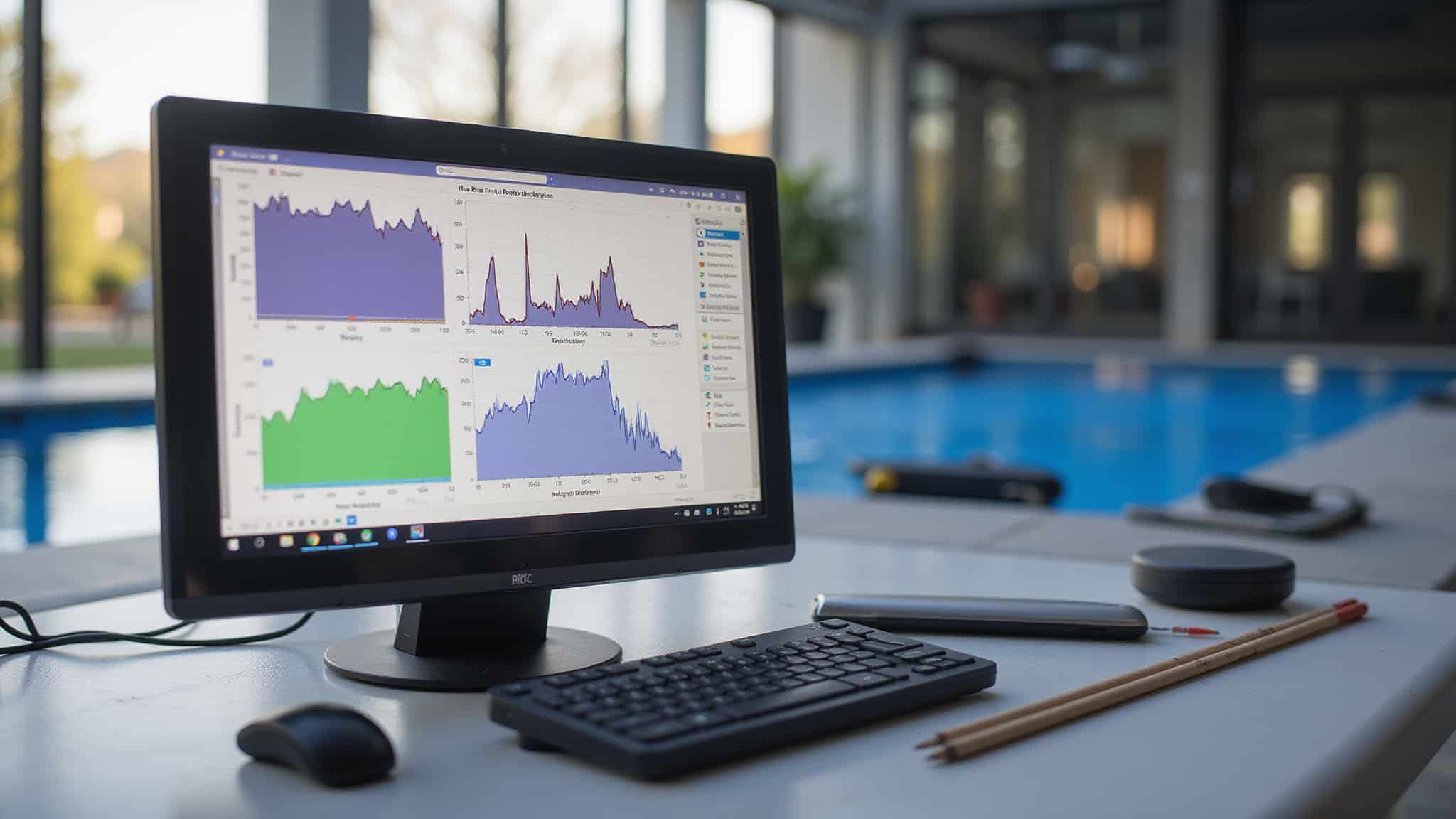
A smart pool control system connects your sensors, actuators, and equipment through one central hub. Sensors track temperature, pH, chlorine, flow, and pressure, feeding live values to the controller. It compares readings to your setpoints, then switches or adjusts pumps, heaters, dispensers, and valves through relays. You’ll get remote app access, automated scheduling, and notifications when conditions drift. Communication runs over RS-485 or wireless. Keep going to see how each piece works together.
Key Takeaways
- A smart pool control system uses a central hub to receive sensor data and automate connected pumps, heaters, dispensers, and valves.
- Sensors continuously monitor temperature, pH, chlorine, flow, and pressure, comparing readings to setpoints so actuators and relays adjust equipment automatically.
- Devices communicate with the hub through wired protocols like RS-485 or wireless connections, depending on the installation.
- Key features include scheduled filtration, temperature control, sensor-driven chemical dosing, lighting control, and remote access via app, web, or smart home platforms.
- Benefits include 40 to 60% energy savings, consistent water quality, remote notifications, and battery backup lasting 24 to 48 hours during outages.
The Basics of Smart Pool Control Systems
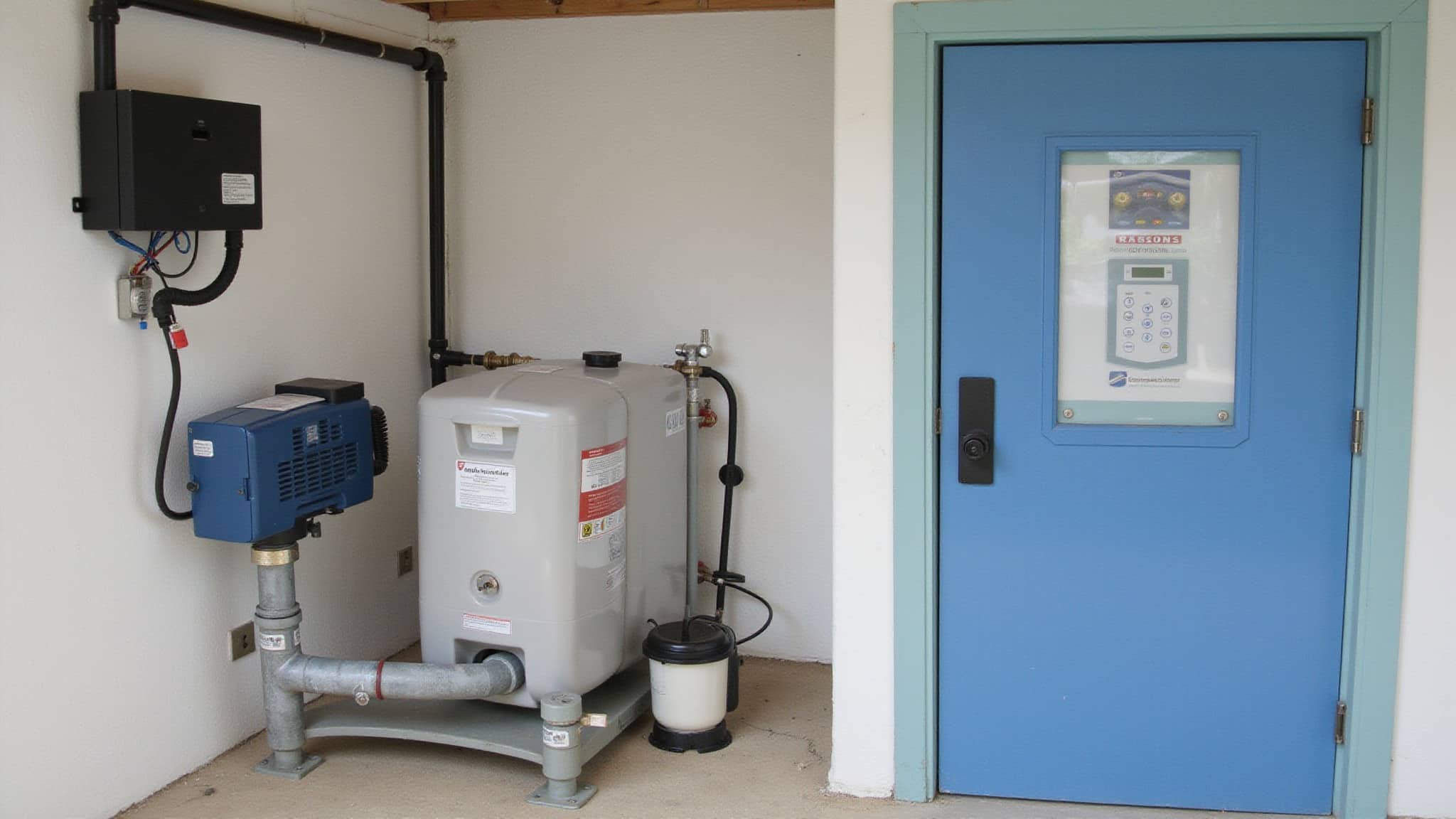
A smart pool control system is a networked hub that handles your pool’s measurement, control, and regulation technology from one place. This central controller receives data from sensors monitoring temperature, pH, chlorine, flow, pressure, and fill levels, then applies programmed logic to your equipment.
Smart pool systems coordinate pumps, filters, heaters, sanitizers, lights, covers, and water features through actuators and relays that switch or adjust each connected device. Communication typically runs over wired protocols like RS-485, though some setups use wireless connections.
The core purpose of pool automation is replacing manual adjustments with centralized, programmed control. Your pool control system delivers convenience, efficiency, and consistency by coordinating operations automatically. A complete configuration pairs the hub with switches for every device you’re managing.
What is a smart pool control system
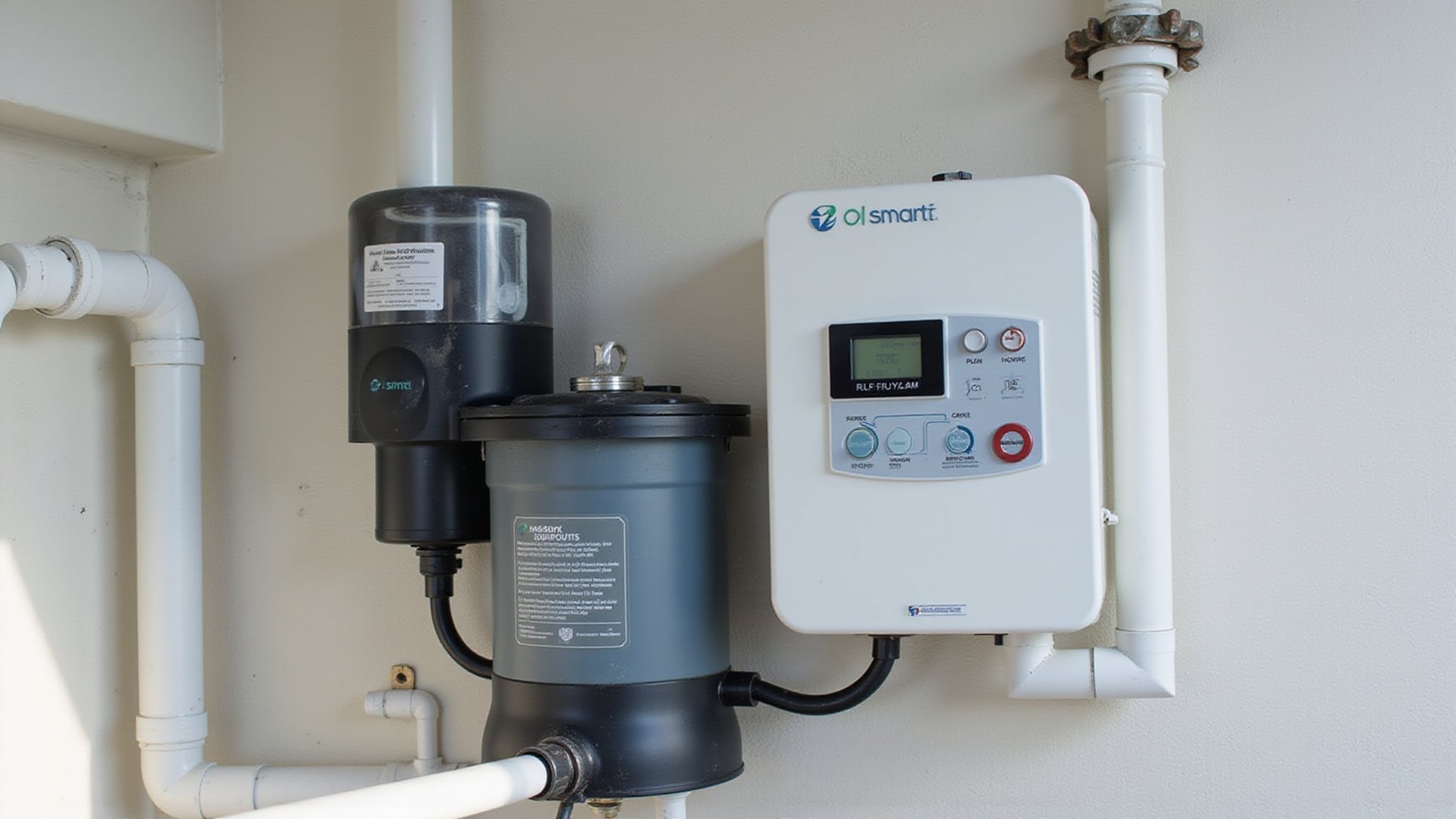
A smart pool control system is networked measurement, control, and regulation technology that manages your pool’s equipment from a single hub. This central controller receives data from sensors monitoring temperature, pH, chlorine, flow, pressure, and fill levels, then applies programmed logic to control connected devices. Actuators and relays execute its commands, switching or adjusting your pumps, filters, heaters, sanitizers, lights, covers, and water features. Communication typically runs through wired protocols like RS-485 or wireless connections, depending on your setup.
With smart pool control systems, you replace manual adjustments with centralized, programmed control. An automated pool coordinates each function for convenience, efficiency, and consistency, keeping water chemistry and temperature closer to your setpoints. A complete installation includes the hub plus switches or controls for every connected device.
How does a smart pool control system work
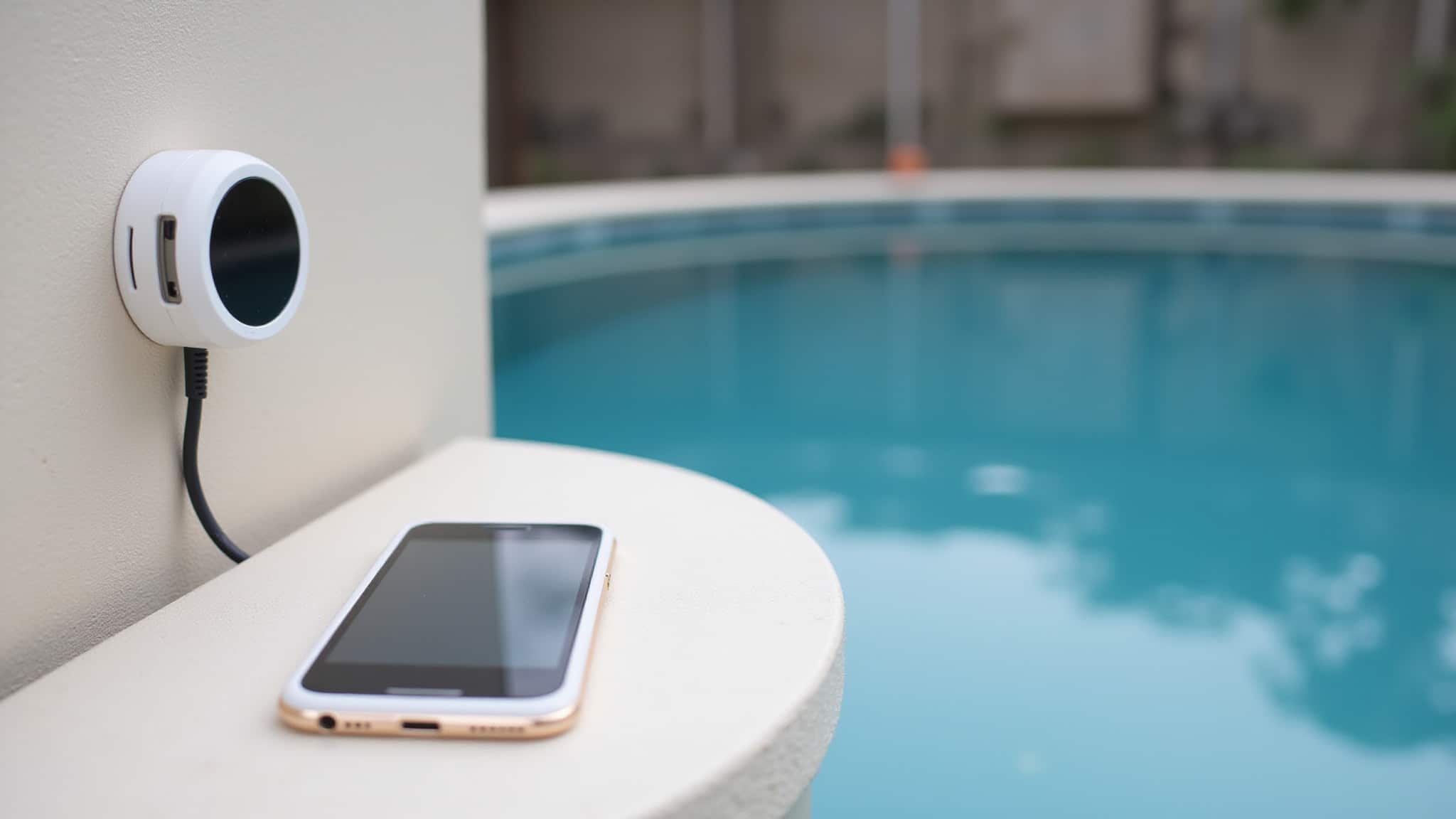
A smart pool control system works through a continuous feedback loop that detects changes in water conditions and responds automatically. Your sensors constantly measure values like temperature, pH, chlorine, flow, and pressure, then send that data to the central controller. The controller processes each reading against your programmed logic and decides what adjustments to make.
Every reading feeds the loop, sensors detect, the controller decides, and your pool adjusts itself in real time.
- Sensors capture live data on temperature, chemistry, flow, and pressure
- The controller compares readings to your setpoints and applies programmed rules
- Actuators and relays switch or adjust pumps, heaters, dispensers, and valves
Commands travel through wired protocols like RS-485 or wireless connections to reach each device. When something drifts outside your targets, the system corrects it automatically and can send you notifications, keeping your pool consistently balanced.
What features do smart pool control systems offer
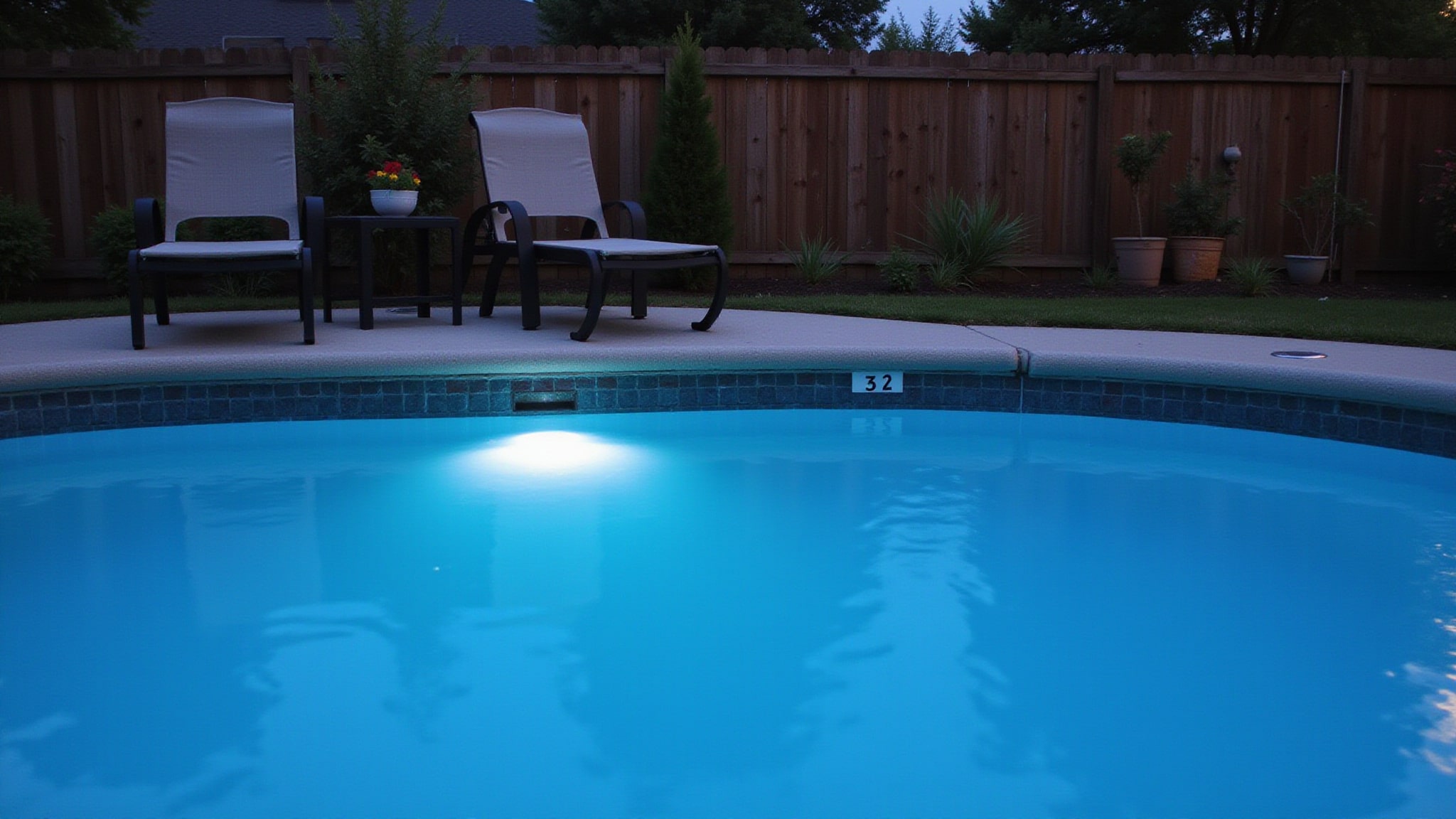
Smart pool control systems offer several core features that automate the functions you’d otherwise handle manually. You can schedule filtration cycles so your pump and filter run without daily intervention. Heating and cooling controls hold your water at target temperature, while sensor-driven sanitizer and chemical dosing adjust pH and chlorine automatically through connected dispensers. You’ll also control lighting remotely, dimming or changing it on a set schedule. Valves, covers, and water features integrate into the same control logic, so everything coordinates through one hub.
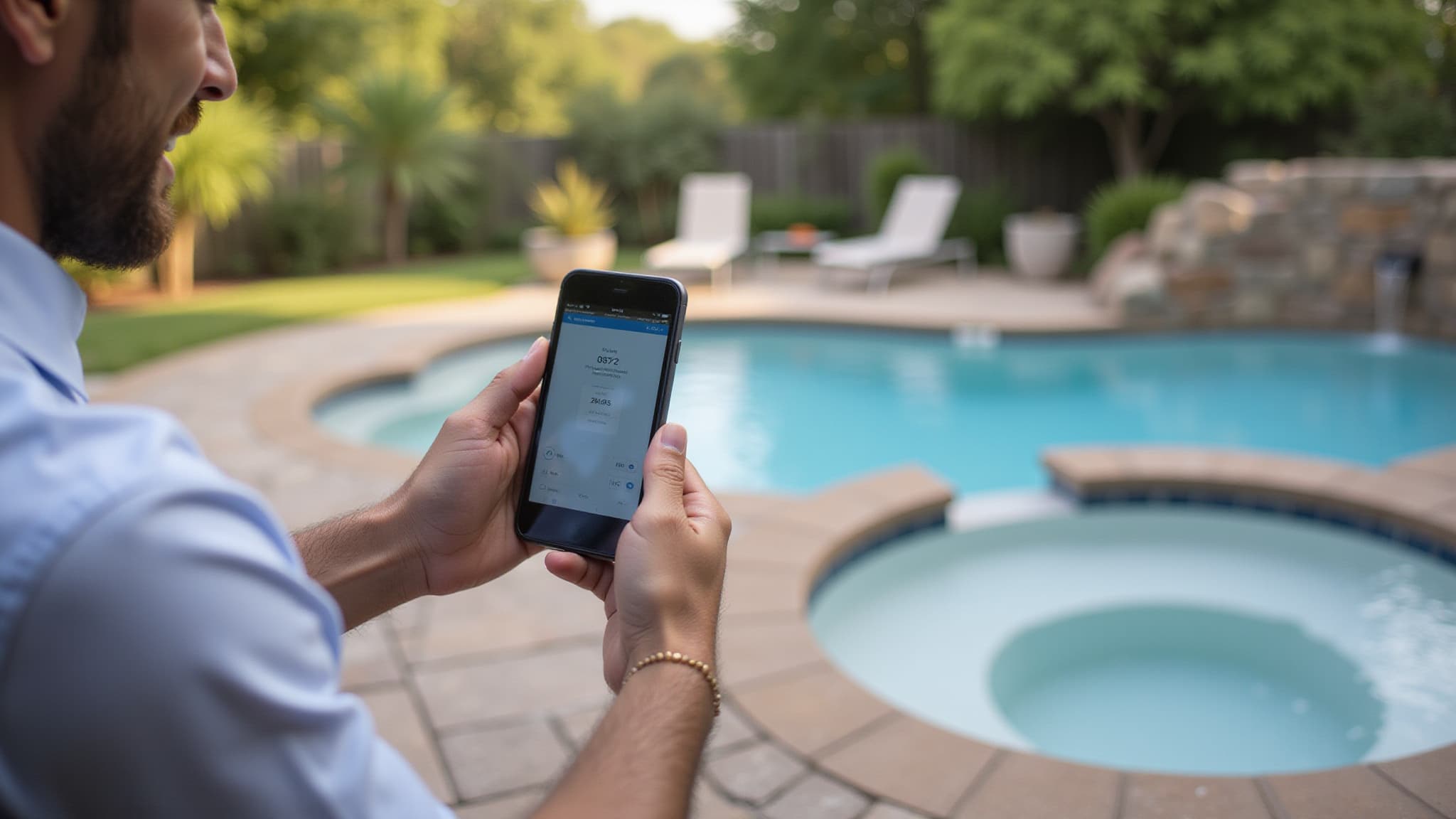
Beyond equipment control, you get app-based access from your phone, tablet, or computer, plus web portal or smart home platform options. Remote monitoring sends notifications when water conditions or equipment status shift, letting you respond before small problems become larger ones.
What are the benefits of automating your pool
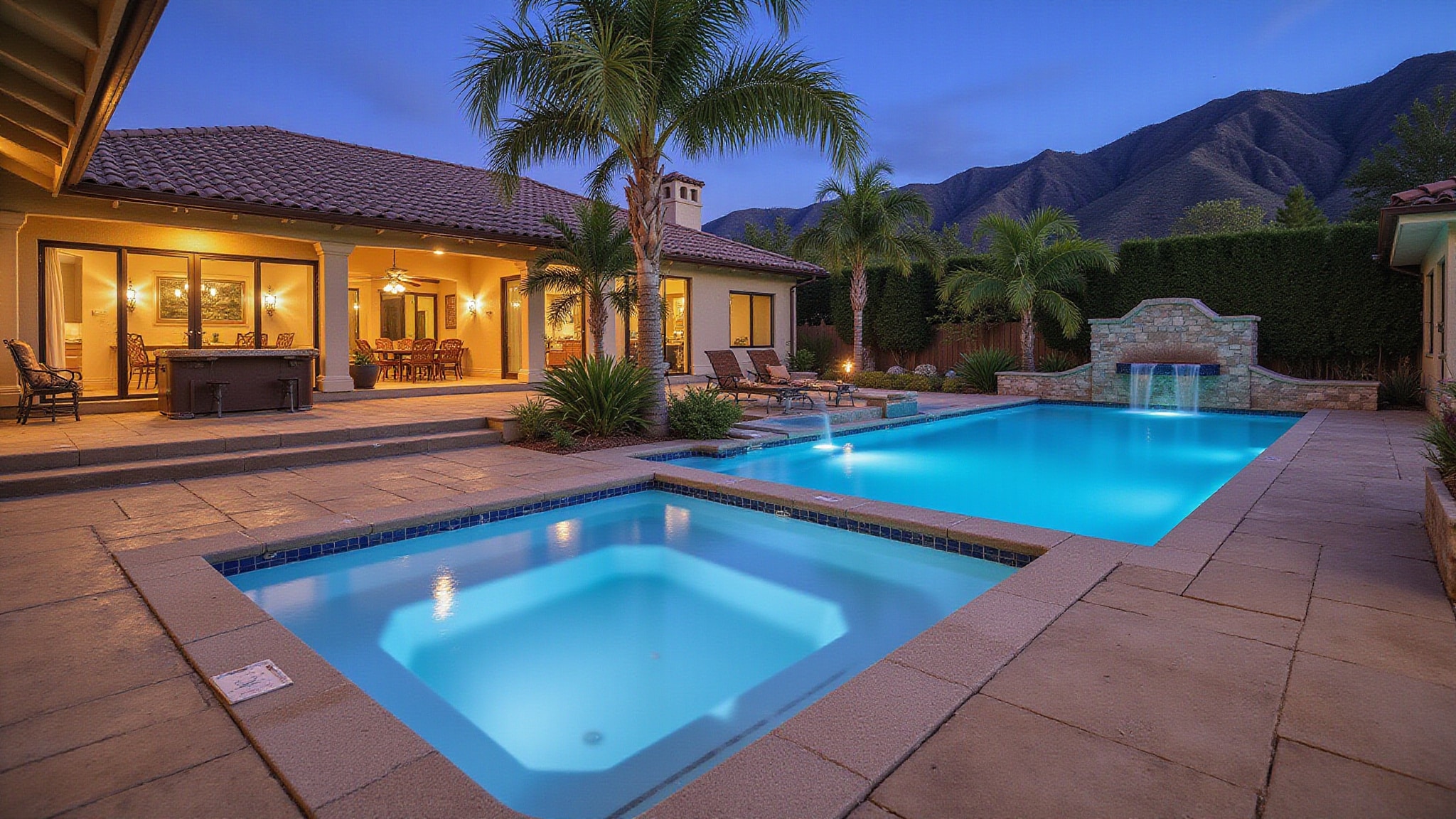
Automating your pool saves you time, cuts your energy costs, and keeps your water consistently balanced. Automation replaces manual adjustments with programmed control, keeping your pool running consistently without constant attention. You’ll spend less time on routine maintenance and more time using the pool.
Automate your pool to save time, cut energy costs, and keep water consistently balanced, no constant attention required.
- Energy savings: Variable-speed pumps and intelligent scheduling can cut costs by 40% to 60%, trimming operational expenses without sacrificing performance.
- Consistent water quality: Sensor-driven dosing keeps pH, chlorine, and temperature near your setpoints, reducing manual corrections and stabilizing conditions.
- Remote oversight: App-based monitoring triggers notifications when water values or equipment status change, so you catch problems early.
You’ll also benefit from battery backup on some systems, which sustains operation for 24 to 48 hours during outages.
How do the top smart pool control systems compare
Top smart pool control systems differ primarily in what equipment they control, how they communicate, and how you access them. You’ll want to check whether a system manages pumps, heaters, sanitizers, lights, valves, covers, and water features, or just a subset. Communication method matters too. Wired RS-485 offers reliability, while wireless simplifies retrofits. Access options range from app-based control to web portals and smart home platforms.
| Factor | Consideration | Impact |
|---|---|---|
| Equipment | Pumps, heaters, lights | Coverage |
| Communication | RS-485 or wireless | Reliability |
| Access | App, web, platform | Convenience |
You’ll also weigh scheduling flexibility, notification support, and battery backup. Match these capabilities against your equipment inventory and compatibility needs before you commit to any specific system.
How do you choose a smart pool control system
Choose a smart pool control system by starting with your equipment inventory. List your pump, filter, heater, sanitizer, lights, cover, and any water features before comparing systems. This tells you what needs integration and whether older equipment requires upgrading or replacement.
Start with a complete equipment inventory, knowing what you have reveals what needs integration, upgrading, or replacement before you compare systems.
Next, match system capabilities to your priorities:
- Compatibility: Confirm the controller supports your existing devices and communication protocol, such as RS-485 or wireless.
- Control access: Decide whether you need app-based control, a web portal, or smart home platform integration.
- Efficiency features: Look for variable-speed pump support and intelligent scheduling for energy savings.
Finally, weigh installation complexity. Simple systems may allow DIY setup, while complex configurations need a qualified professional. Factor in permits, calibration, and future expansion when finalizing your choice.
Conclusion
A smart pool control system ties the pump, heater, lighting, and sanitizer into one hub that runs on schedules and sensor data, so the water stays balanced and ready with far less hands-on work. Understanding the basics, local versus cloud control, compatibility, and security, makes it easy to see why so many owners add one. Innovative Outdoor Living builds and integrates smart pool control into its pools, so the whole system runs itself intelligently while the homeowner simply enjoys the water.
Automate Your Backyard the Smart Way
Smart pool systems transform how you enjoy your backyard, giving you full control right from your phone. At Innovative Outdoor Living in Palm Beach Gardens, FL, our experienced team provides trusted Smart Backyard Pool Control Systems with expert setup and premium technology. Call +1 (561) 594-1495 today and start your smart backyard project.
Frequently Asked Questions
How Much Does a Smart Pool Control System Typically Cost?
Cost depends on the system’s complexity, the equipment being controlled, and whether the install is DIY or professional. A basic controller for an existing pump and heater sits at the lower end, while a full system managing filtration, heating, lighting, and chemical dosing costs more, especially with professional installation. Taking stock of the existing pump, filter, heater, and accessories first helps, since older gear may need upgrading. A pool professional can quote a specific setup accurately.
Can Smart Pool Systems Be Hacked or Compromised Remotely?
Like any networked system, there is some remote risk. Because a smart pool control connects through Wi-Fi, a web portal, or a smart home platform, it is exposed to potential unauthorised access. Securing the network, using strong unique passwords, keeping firmware updated, and segmenting the smart devices onto their own network all reduce that risk considerably. The exposure is manageable with sensible basic precautions.
Do Smart Pool Controllers Work Without an Internet Connection?
Yes. The central controller processes sensor data and applies its programmed logic locally, so it still runs filtration cycles, regulates heating, and adjusts chemical dosing on schedule without internet. What is lost is remote app control, web portal access, and notifications, while the automated functions continue uninterrupted. Communication between the hub and equipment often uses local protocols like RS-485, which do not depend on Wi-Fi or the internet.
How Long Do Smart Pool Control Systems Usually Last?
A well-maintained smart pool control system generally lasts around 8 to 15 years, with the controller and sensors often needing attention or replacement sooner than a quality variable-speed pump. Longevity depends heavily on the components and the care they get. Regular calibration, planning for compatibility during upgrades, and protecting the equipment from weather all extend the life. Sensors in particular benefit from periodic checking and occasional replacement.
Are Smart Pool Systems Compatible With Saltwater Pools?
Yes. A salt chlorine generator integrates into the control hub like any other sanitizer, letting the system automate dosing from sensor readings. Taking inventory of the existing equipment and confirming compatibility before installing matters, since older generators might need upgrading. From there, chlorine levels can be monitored, filtration scheduled, and settings adjusted remotely, keeping the water chemistry consistent and cutting down the manual maintenance a salt pool would otherwise need.