Contrast therapy alternates heat exposure (170, 190°F sauna or 100, 104°F hot tub) with cold plunge immersion (50, 59°F) to create a vascular pump effect, vasoconstriction followed by vasodilation, that flushes metabolic waste and delivers nutrients to recovering tissues. You’ll cycle 3, 4 minutes hot and 60 seconds cold for 4, 6 rounds, ideally within 1, 2 hours post-workout. Research links this protocol to roughly 20% less muscle soreness compared to passive recovery. Below, you’ll find everything you need to build and optimize your own backyard setup.
How Contrast Therapy Works: The Vascular Pump Effect
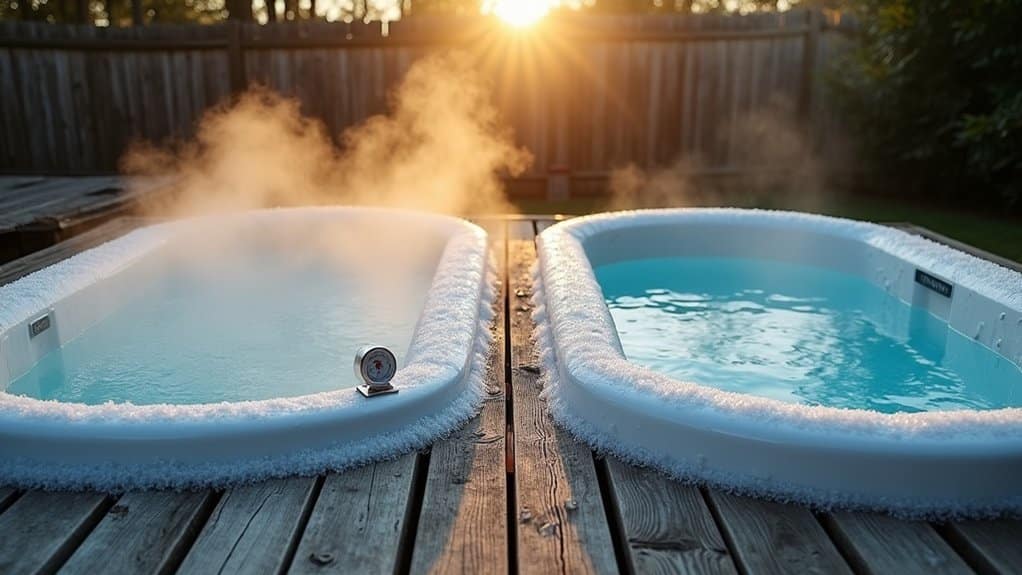
This repeated cycling creates a circulatory flush that moves blood and fluid through tissues more dynamically than heat or cold alone. The pumping action helps clear metabolic waste products and inflammatory mediators while supporting nutrient delivery. During the cold phase, vasoconstriction also temporarily numbs nerve endings, reducing pain signals and providing immediate relief. Research links this vascular pump effect to reduced muscle soreness, decreased swelling, and improved joint range of motion. One review reports soreness reduction of up to 20% compared with passive recovery, reinforcing contrast therapy’s value as an evidence-based recovery tool.
Who Should Skip Contrast Therapy?
Although contrast therapy offers measurable recovery benefits, certain medical conditions make the practice risky or outright unsafe. Understanding who should skip contrast therapy protects you from serious complications before you invest in a home setup.
You should avoid contrast therapy at home, or obtain medical clearance first, if you have cardiovascular disease, uncontrolled hypertension, or peripheral vascular disease. Rapid vasodilation and vasoconstriction place significant demand on an already compromised cardiovascular system. Circulation disorders like Raynaud’s disease can worsen with cold immersion.
Neuropathy poses additional danger because reduced sensation prevents you from detecting harmful temperatures. Pregnancy, open wounds, and active skin infections also warrant avoidance. Pregnant individuals face particular risks because the rapid temperature shifts can disrupt blood pressure regulation. If you’re managing acute injuries or experience dizziness during temperature exposure, consult your physician before starting any contrast protocol.
Build Your Backyard Heat-and-Cold Setup
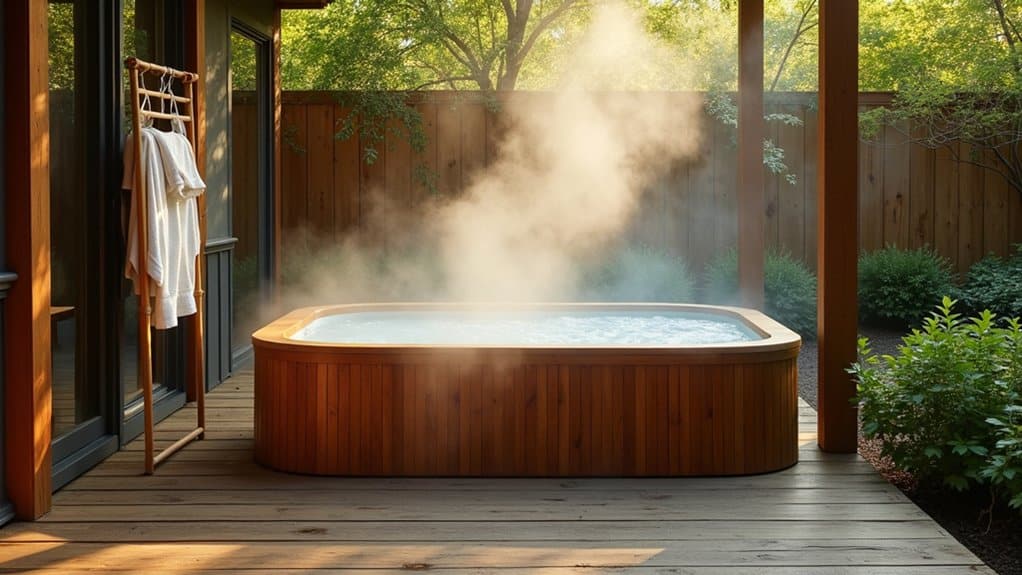
Once you’ve confirmed contrast therapy is safe for your situation, the next step is designing a backyard setup that supports consistent use. The most effective pairing is a sauna with a cold plunge tub, as sauna cold plunge benefits depend on reliable temperature control at both ends. Set your sauna between 170, 190°F and your plunge between 45, 55°F using a chiller-equipped tub.
A hot tub at 100, 104°F can substitute if a sauna isn’t feasible. Keep stations close together, ideally within a 30, 90 second walk, to maintain your hot cold therapy protocol without unnecessary delays. Place a dry-off and rest area between them with towels, a robe, a timer, and water. Non-slip surfaces and a controlled plunge entry point reduce cold-shock risk and support safe, repeatable sessions. For a mid-range approach, a stock tank for cold plunging alongside a wood-fired hot tub offers an effective and affordable combination.
Plan Your First Contrast Therapy Session
Before you step into the sauna for the first time, prepare your body and gear to reduce avoidable risks. Hydrate beforehand, eat a light snack an hour prior, and gather towels, a timer, thermometer, robe, and water. If you have a heart condition, consult your clinician first.
To maximize contrast bath benefits within a safe home recovery routine, follow this structure:
- Heat first: Spend 10, 15 minutes in the sauna or spa.
- Cold next: Immerse in the cold plunge for 1, 3 minutes, entering gradually to avoid cold-shock response.
- Rest: Allow 10, 15 minutes for heart rate normalization.
- Repeat if tolerated: Limit your first session to one full cycle.
Stop immediately if you experience dizziness, nausea, or lightheadedness.
Dial in Your Timing, Temps, and Recovery
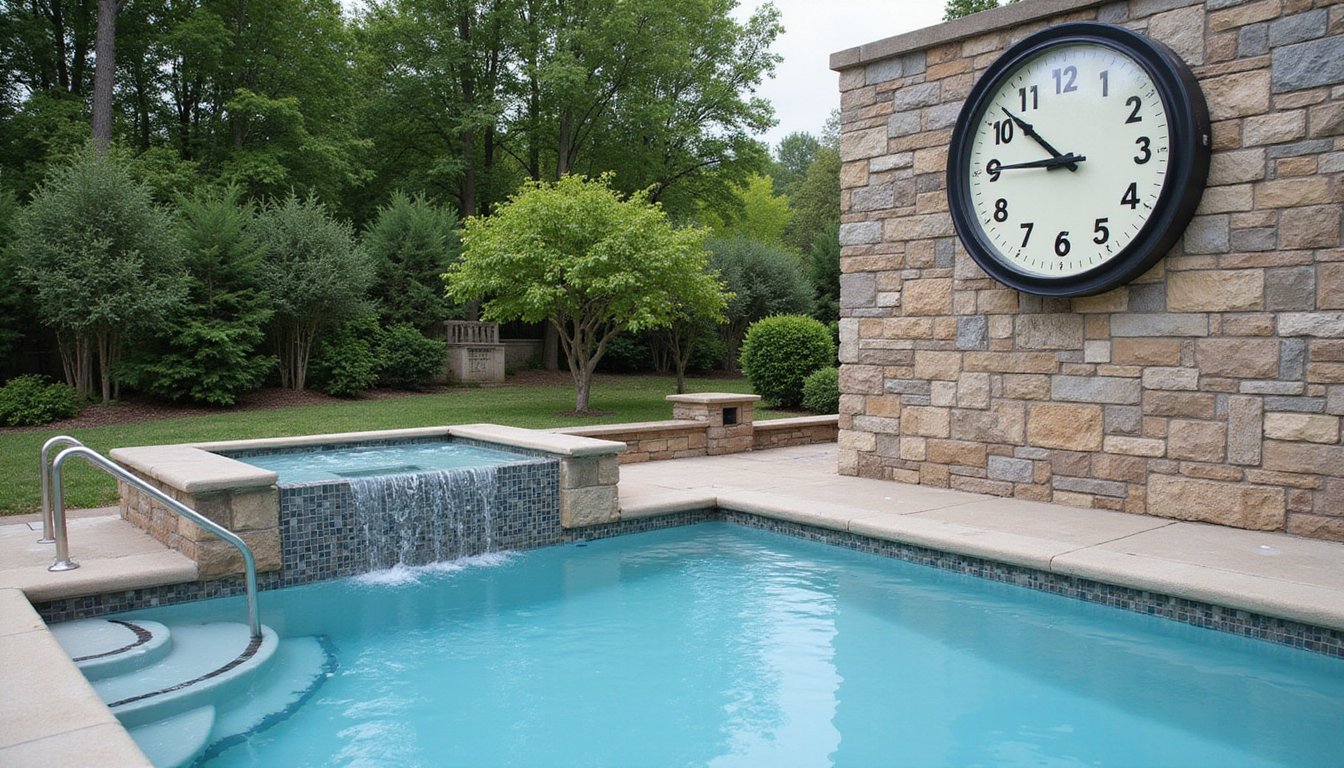
After your first session confirms you can tolerate the basics, the next step is calibrating timing, temperature, and frequency to match your specific goal, whether that’s workout recovery, morning alertness, or better sleep. Timing the session within 1, 2 hours post-workout targets the active inflammatory window. Morning sessions support alertness; evening sessions support sleep.
The heat and cold temperatures used in protocols vary by method:
| Parameter | Range |
|---|---|
| Hot water / spa | 98, 104°F |
| Cold plunge | 50, 59°F |
Cycle 3, 4 minutes hot and 60 seconds cold for 4, 6 rounds, totaling 15, 20 minutes. Finish cold for alertness or warm for relaxation. Start with 2, 3 weekly sessions, increasing gradually as tolerance develops.
Call Today and Transform Your Backyard Wellness
From cold plunge tubs to outdoor saunas, every wellness feature deserves a builder who understands how luxury and function come together. At Innovative Outdoor Living, our skilled team delivers reliable Backyard Makeovers built around your wellness goals and lifestyle. Call +1 (561) 594-1495 today and bring your dream retreat to life.
Frequently Asked Questions
How Much Does a Basic Backyard Contrast Therapy Setup Cost?
You’ll typically spend $5,000, $10,000 on a basic backyard contrast therapy setup using entry-level equipment like a hot tub or sauna paired with a cold shower or simple cold-water option. If you’re willing to DIY, you can start around $1,800, $2,500 by combining a budget sauna with a chest freezer cold plunge, though you’ll face recurring ice or electricity costs. Chiller-equipped cold plunge tubs drive costs up fastest.
Can I Do Contrast Therapy Every Day of the Week?
You can do contrast therapy daily if you tolerate it well and don’t have underlying health conditions, but that doesn’t mean you should. Research hasn’t established daily use as ideal, most guidelines suggest one to three sessions per week for general wellness. If daily sessions cause fatigue, dizziness, or poor sleep, you’re likely overdoing it. Check with your doctor before committing to an everyday schedule.
Do I Need a Permit to Install a Sauna in My Backyard?
It depends on your local codes and the type of sauna you’re installing. Portable infrared units typically don’t require permits, while permanent structures with dedicated electrical wiring, wood-burning stoves, or gas lines almost always do. Many jurisdictions exempt detached structures under 120, 200 square feet, but setback and zoning rules may still apply. You should contact your local building department before installation to confirm specific requirements.
How Do I Maintain Water Quality in My Cold Plunge Tub?
Test pH, alkalinity, calcium hardness, and sanitizer levels at least weekly. Maintain chlorine or bromine using a floating dispenser, and add a weekly shock treatment to oxidize contaminants. Skim debris daily, clean the waterline weekly, and rinse your filter after each use. Drain, scrub, and refill the tub monthly. You’ll also want to shower before entry, keep the tub covered when it’s not in use, and change water every four to eight weeks.
Can Contrast Therapy Help With Muscle Soreness After Workouts?
Yes, contrast therapy can help reduce muscle soreness after workouts. A meta-analysis of 13 studies found considerably lower soreness at 24 hours (SMD −0.51) and 48 hours (SMD −0.58) compared with passive recovery. You’ll likely notice improvements in perceived soreness, stiffness, and fatigue. The evidence is strongest for subjective recovery outcomes rather than direct performance gains. You should begin sessions within a few hours post-exercise for best results.