

In Florida, fire pit safety and setback requirements depend on the type of fire pit, local fire codes, manufacturer instructions, and any additional HOA rules that apply to your property. Under Florida Fire Prevention Code provisions, a recreational fire should generally be at least 25 feet from a structure or combustible material unless it is contained in an approved manner, while permitted open fires require at least 50 feet of separation. The fire should also remain attended until fully extinguished, with a garden hose or other suitable fire-extinguishing equipment readily available. Because Florida counties, municipalities, and fire districts can adopt local requirements, and HOAs may regulate fire pit location, appearance, or installation, homeowners should verify both local rules and community restrictions before installing or using one.
Florida Fire Pit Setback Rules for Homes and Decks
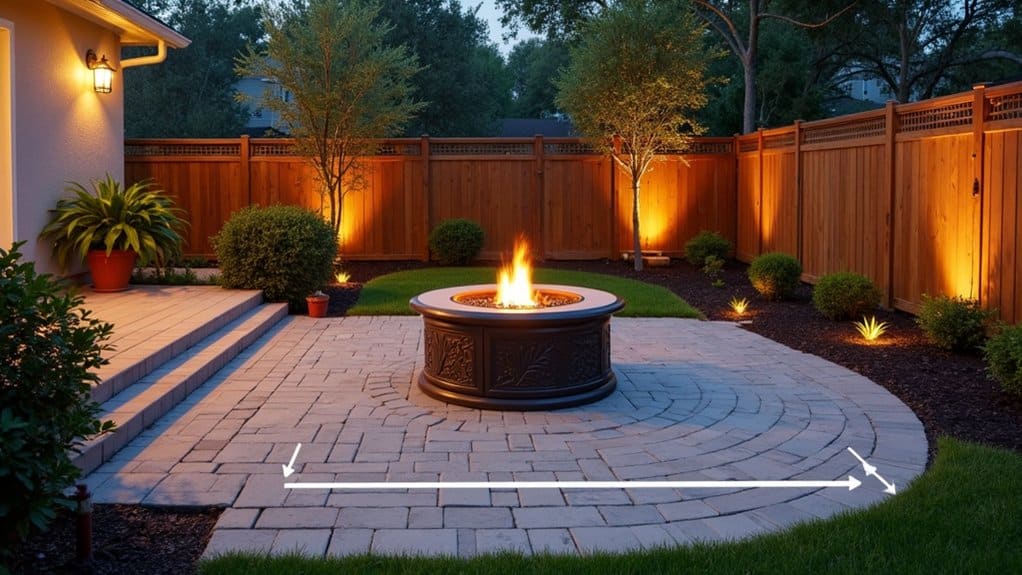
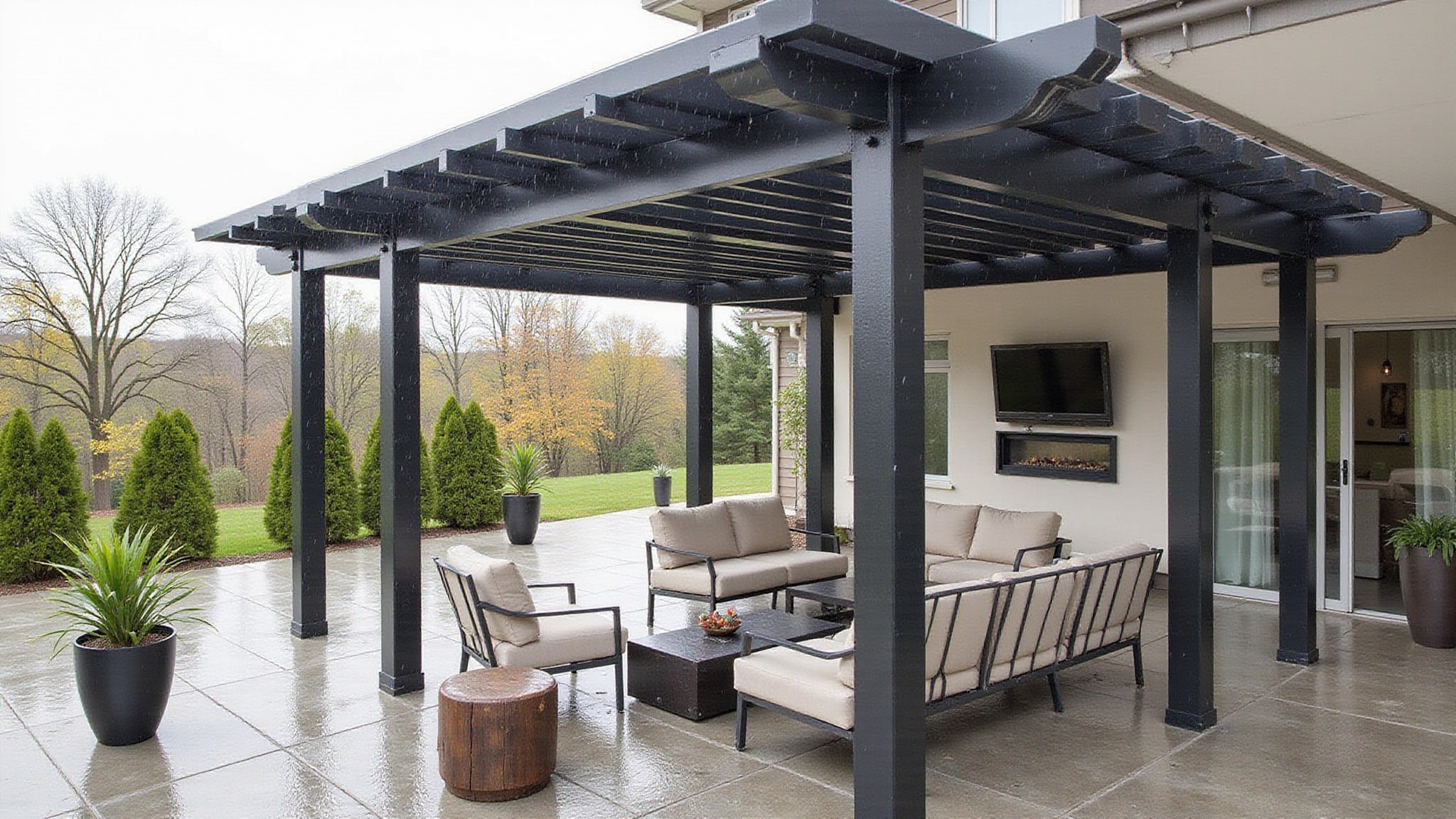
You shouldn’t place fire pits on wooden decks, balconies, or pressure-treated surfaces. Maintain at least 2 feet of clearance from railings, posts, and combustible furniture. Overhead obstructions, pergolas, eaves, tree branches, require additional vertical clearance verification. Additionally, fire pits should be positioned at least 10 feet from homes and other structures to comply with local fire codes.
Best Surfaces for a Florida Fire Pit
The surface beneath your fire pit matters as much as the setback distance from structures. Concrete, stone pavers, brick, and gravel are non-combustible options that provide a stable, heat-resistant base compliant with fire safety standards. When choosing materials, consider layering different materials in a variety of colors and finishes to avoid a one-toned look while still maintaining safety compliance. If you’re placing a fire pit on composite or wood decking, you’ll need a fire-rated mat, heat shield, or built-in non-combustible insert to prevent heat transfer to the surface below.
Non-Combustible Surface Options
Because fire pits generate intense radiant and convective heat at their base, the surface beneath and around the unit must be non-combustible to prevent ignition. Concrete, stone, brick, and pavers meet fire pit code requirements for non-combustible base materials. Gravel, compacted mineral soil, and sand also qualify when free of organic material and root systems.
You should avoid placing any fire pit on grass, mulch, or composite decking without manufacturer-specified heat barriers. Cement board, calcium silicate board, and metal assemblies provide additional non-combustible options for structural surrounds. Most safety guidance calls for a minimum six-foot non-combustible perimeter of pea gravel, brick, stone, or concrete around the unit. Your local jurisdiction may impose stricter surface standards, particularly for permanent built-in installations. The fire pit itself must also have a metal, concrete, sand, or mineral bottom to safely contain fuel wood and coals.
Heat Barriers for Decks
Deck-mounted fire pits require at least one critical layer between the unit and the walking surface: a fire-rated heat barrier designed to block radiant heat transfer. These barriers typically consist of non-combustible mineral board or stone substrates rated to resist temperatures exceeding 1,100°F. You’ll need protective mats extending at least 24 inches beyond the unit’s footprint to guarantee adequate coverage.
Heat barriers for decks are especially critical on wood, composite, and vinyl surfaces, which can’t withstand direct heat exposure without approved protection. You should also maintain at least 2 feet of clearance from railings, posts, and furniture. Gas-powered units offer safer deck compatibility than wood-burning alternatives, but you’re still required to follow manufacturer specifications and local fire code regardless of fuel type. Choosing between cool deck vs pavers can significantly impact both safety and aesthetics. Cool decks provide a slip-resistant surface that remains cooler underfoot, making them a safer option for hot summer days.
Do Florida HOAs Allow Fire Pits?
Whether your Florida HOA allows a fire pit depends largely on the community’s recorded declaration, bylaws, architectural guidelines, and applicable fire pit code requirements. Most associations require written approval before installation, especially for permanent or visible exterior features, so review both HOA rules and local fire or building regulations before proceeding.
What Can You Burn in a Florida Fire Pit?
What you burn in your Florida fire pit matters just as much as where you place it, since local fire codes restrict both approved fuels and prohibited materials. Most jurisdictions allow dry, untreated natural wood, charcoal, and gas fuels for recreational and cooking fires, while banning treated lumber, plastics, tires, garbage, and construction debris. Understanding these fuel rules helps you stay compliant and avoid hazardous emissions that can trigger code violations or neighborhood complaints.
Safe Fuel Options
Because your fuel choice directly affects safety, code compliance, and maintenance requirements, it’s important to understand what each option involves before installing a fire pit in Florida. When evaluating safe fuel options, you’ll need to verify compatibility with your unit’s design and the applicable fire pit setback rules Florida municipalities enforce. When planning your outdoor kitchen faucets, consider the climate and the materials used in their construction. Proper installation and maintenance will ensure longevity and functionality, enhancing your overall outdoor experience.
- Natural gas, Connects to your home’s gas line for a permanent, smoke-free installation. It requires professional piping, a shutoff valve, and proper clearances per local code.
- Propane, Uses a portable tank system, burns cleanly, and doesn’t require a fixed gas connection. You must handle tank storage and shutdown correctly.
- Wood, Produces smoke, ash, and embers. It’s subject to local burn bans and requires active tending and spark control measures.
Materials Never To Burn
You should treat any lumber with unknown origins, old deck boards, found wood, renovation scraps, as unsafe. If you can’t verify it’s untreated, don’t burn it.
How to Use a Florida Fire Pit Safely
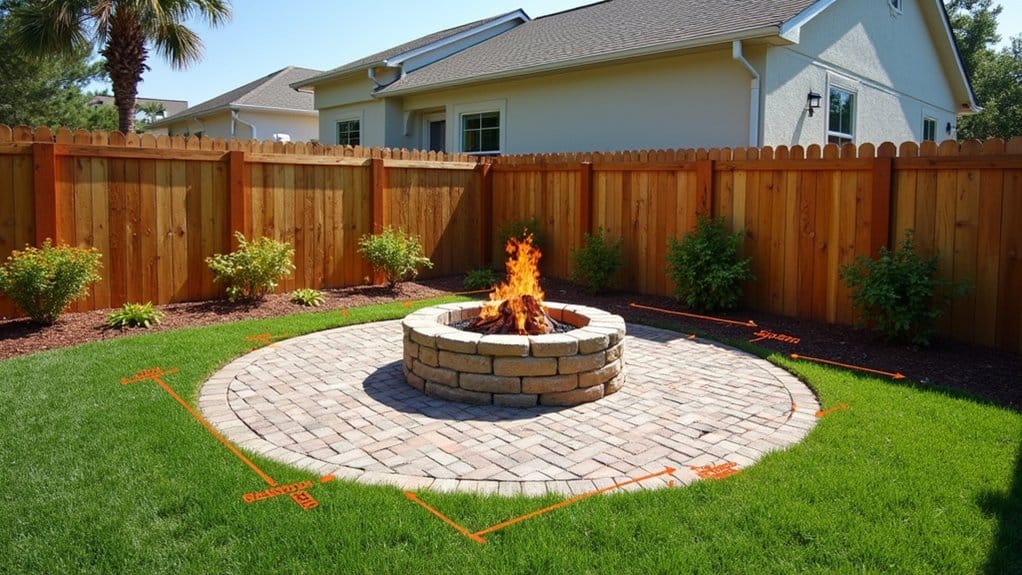
Once your fire pit is installed and compliant with local codes, safe operation depends on proper placement, fuel selection, supervision, and shutdown procedures. Always maintain a minimum 10-foot clearance from structures, fences, and combustible materials. Use only approved fuels, never burn treated wood, trash, or hazardous materials. Many hoa fire pit rules also dictate operational standards you must follow.
- Start small to assess wind direction and flame behavior before adding fuel, and use a metal screen cover to contain sparks.
- Maintain continuous adult supervision with a garden hose, extinguisher, or sand bucket within immediate reach.
- Fully extinguish all embers and coals with water or sand before leaving, no visible glow or smoke should remain.
Keep children and pets clear of the fire pit area at all times.
When Florida Weather Makes Fire Pits Risky
Even with proper equipment and safe operating habits, Florida’s weather can turn a compliant fire pit into a hazard within minutes. Wind speeds at or above 5 mph can carry embers to structures, landscaping, and dry debris. You should check conditions before every use, not just during setup.
Drought-stressed vegetation, dry mulch, and loose leaves increase ignition risk from drifting sparks. Florida’s summer storm season compounds the problem: lightning, sudden gusts, and rapid weather shifts can force unsafe shutdowns. Extreme heat paired with low humidity intensifies flame behavior and accelerates spread.
Before lighting any outdoor fire, verify whether a Florida burn ban or fire weather alert is active. HOA restrictions may impose additional weather-based limitations. You’re responsible for monitoring conditions from ignition through full extinguishment. When planning your evening, it’s also important to consider how to enhance your outdoor space with govee outdoor lights installation. Properly installing these lights can create a warm and inviting atmosphere for gatherings.
How to Shut Down and Store a Florida Fire Pit
Three distinct phases, shutdown, cleaning, and storage, separate a safe cooldown from a potential reignition hazard. Following basic fire pit safety guidelines is essential whether your unit required a natural gas fire pit permit or runs on propane. Always close the control valve and main gas supply before cleaning, moving, or storing any part of the fire pit.
A safe cooldown means shutting down fuel sources first, every fire pit deserves proper shutdown, cleaning, and storage.
- Shutdown: Let flames burn down naturally, then douse with water or sand until no smoke, glow, or steaming remains. Spread wood-burning coals with a metal shovel to expose hidden heat.
- Cleaning: Remove debris from the burner surface, wipe down soot and residue, and store glass wind guards and accessories indoors separately.
- Storage: Disconnect all fuel sources, cover the unit with a weather-rated vinyl cover, and store it in a dry, protected location off combustible surfaces.
Call Today and Build a Custom Fire Feature
From custom fire pits to modern fire walls and bowls, the right fire feature adds warmth, value, and unforgettable curb appeal. At Innovative Outdoor Living, our skilled team provides trusted Backyard Makeovers built around your style, space, and outdoor lifestyle. Call +1 (561) 594-1495 today and bring your backyard vision to life.
Frequently Asked Questions
Do You Need a Permit for a Gas Fire Pit in Florida?
You may need a permit for a gas fire pit in Florida, but there’s no single statewide rule. Your local jurisdiction determines the requirement. You’ll more likely need a building or mechanical permit if the fire pit is permanent, built into a patio, or connected to gas lines. Check with your local authority having jurisdiction, since cities like Tampa, Cape Coral, and Hillsborough County each enforce different standards.
How Far Should Firewood Be Stored From a Fire Pit?
You should store firewood at least 10 feet from your fire pit, keeping it outside the immediate clearance zone where radiant heat and embers pose ignition risks. If your local municipality or HOA enforces 15- to 25-foot combustible-material setbacks, you’ll need to comply with the stricter standard. Stack wood on raised racks for airflow, and maintain at least 20 feet from your home to reduce pest and fire-spread exposure.
Can You Use a Fire Pit on a Screened-In Porch?
You can use a gas fire pit on a screened-in porch only if the enclosure meets strict ventilation, clearance, and code requirements. You’ll need at least 30% open screened wall area, proper overhead clearance (typically 84, 120 inches), and non-combustible flooring. You shouldn’t use wood-burning fire pits in screened enclosures due to spark and carbon-monoxide risks. Always verify compliance with your local fire marshal, building code, and HOA covenants before installation.
Are Portable Fire Pits Treated Differently Than Permanent Ones by HOAS?
Yes, most HOAs do treat them differently. Permanent fire pits typically trigger architectural review, requiring a formal site plan and written approval before installation. Portable units are often easier to approve since they don’t involve excavation or gas-line work, but they’re still regulated under open-flame device rules. You’ll find many associations restrict portable units to gas or propane fuel only and require 15-foot setbacks from structures and combustibles.
How Close Can Children Safely Sit Near a Fire Pit?
You should keep children at least 3 feet from the outer edge of any fire pit, that’s roughly three big steps. Mark this boundary with bricks, stones, or chalk so kids can see it clearly. Don’t let children cross that line without direct adult supervision, and if they’re too young to understand boundaries, separate them from the fire area entirely. Even after flames die, embers and surfaces stay dangerously hot.
Fire Pit Code Requirements for Shared Property Lines?
Fire pit rules near shared property lines depend on local fire codes and HOA requirements. As a practical baseline, keep the pit at least 10 feet from buildings and combustible materials, while some jurisdictions may require 15, 25 feet for certain open or recreational fires.
Fire Pit Safety Setback HOA Rules Apply to Corner Lots?
Yes. Corner lots must follow HOA setbacks for both street-facing and side property lines, which may be treated differently. Many communities require roughly 10, 20 feet of clearance, but the recorded lot setbacks and HOA rules determine the exact distance.
Fire Pit Safety Guidelines for Homes With Artificial Turf?
Place the fire pit on a non-combustible pad rather than directly on artificial turf. The protective surface should extend at least 24, 36 inches beyond the pit, with the fire feature kept at least 10 feet from structures and other combustible materials.