

Regular maintenance of your outdoor equipment is critical for safety and longevity. You’ll need to clean gear thoroughly after each use, ensuring complete dryness before storage in a climate-controlled environment. Keep equipment raised off the ground, conduct frequent inspections for wear, and follow manufacturer guidelines for preventive care. Maintain proper lubrication of moving parts and address minor issues promptly. These fundamental practices are just the beginning of proper equipment care.
Understanding Your Equipment’s Care Requirements
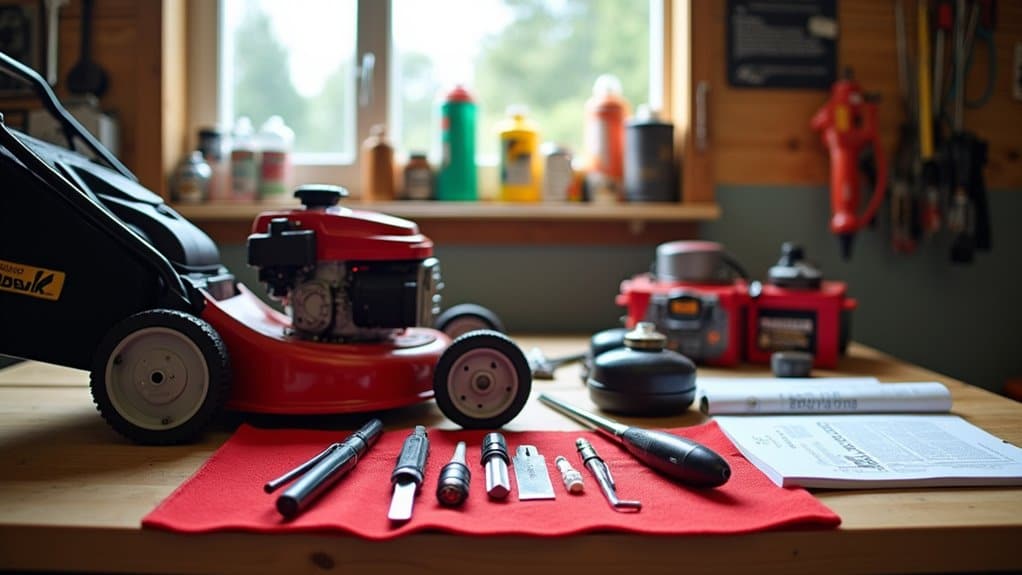
Before diving into any maintenance routine, you’ll need to familiarize yourself with the specific care requirements for each piece of your outdoor equipment. These essential tips start with thoroughly researching your gear’s manufacturer guidelines, even for second-hand items, to guarantee proper care and longevity.
Understanding your gear’s unique characteristics is vital for outdoor gear maintenance. You’ll want to focus on learning the specific cleaning methods, storage requirements, and handling procedures that’ll extend the life of each item. When you’re implementing maintenance tips, pay close attention to safety-related components and their care instructions.
Proper care means following manufacturer recommendations precisely, as different materials and equipment types require distinct maintenance approaches. By mastering these fundamentals, you’ll optimize your gear’s performance and protect your investment in outdoor equipment.
Regular Cleaning and Drying Protocols
While maintaining outdoor equipment requires diverse skills, establishing proper cleaning and drying protocols stands as your most fundamental responsibility. Regular cleaning removes harmful dirt and grime that can compromise your gear’s functionality and longevity, while proper drying prevents the deterioration of essential materials.
You’ll need to prioritize air-drying your equipment rather than exposing it to direct sunlight, which can damage sensitive materials. Before storing your gear, guarantee complete dryness to prevent mold and mildew formation that could undermine your maintenance efforts. Position items in a well-ventilated area, and don’t rush the drying process appropriate drying time is pivotal for preserving insulating properties and material integrity. These systematic cleaning and drying practices will extend the lifespan of your outdoor equipment and maintain its optimal performance.
Effective Storage Strategies
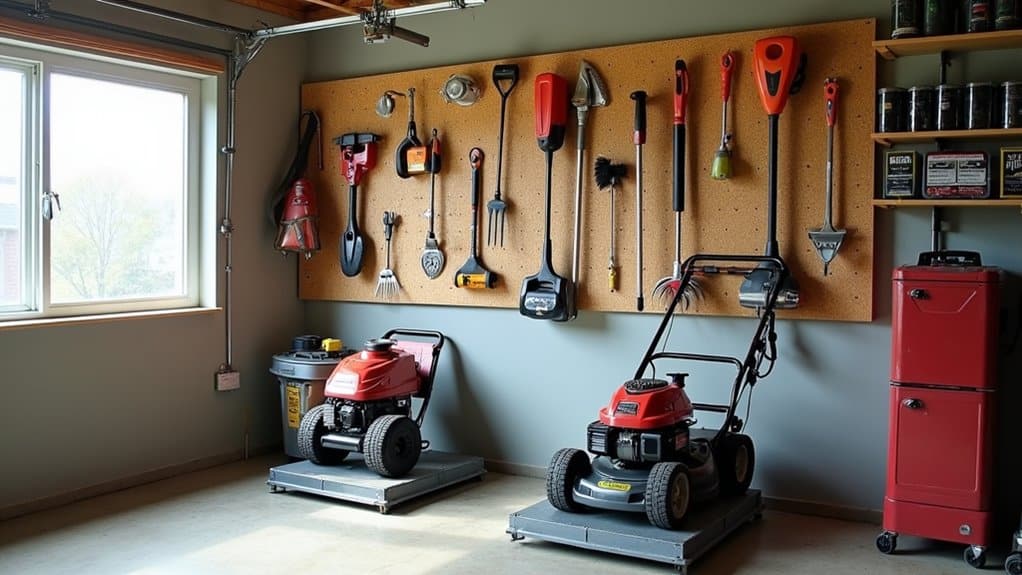
You’ll need a climate-controlled environment for your outdoor gear, keeping the temperature stable and humidity low to prevent material degradation and mold growth. Organize your equipment by season, with current-use items easily accessible and off-season gear stored in protective containers on upper shelves or hanging racks. Keep all your gear raised at least 6 inches off the ground using shelving units or storage platforms to protect against moisture damage and improve air circulation.
Climate-Controlled Storage Solutions
Protecting your outdoor equipment from environmental damage requires proper climate-controlled storage solutions. Your gear needs to withstand harsh conditions during use, but proper care and maintenance during storage extends the lifespan of your outdoor tools greatly. By storing equipment in a dry place away from temperature fluctuations, you’ll prevent deterioration of sensitive materials and maintain excellent performance.
Install dehumidifiers in your storage area to control moisture levels and prevent mold growth on specialized fabrics and leather components. Maintain consistent temperatures between 60-75°F (15-24°C) to protect temperature-sensitive materials like down insulation and prevent warping of equipment. Use airtight storage containers with moisture-absorbing packets for seasonal gear, ensuring your equipment remains ready for your next adventure.
These climate-control practices will protect your investment and keep your gear in peak condition year-round.
Organize By Season
To optimize storage efficiency and equipment longevity, organizing your outdoor gear by season creates a systematic approach to maintenance and accessibility. When storing off-season gear, you’ll need to maintain specific care protocols for different equipment types.
For winter gear like snowshoes, you should clean and lubricate moving parts before storage. You’ll want to protect your climbing ropes in dedicated bags to prevent UV damage and wear. Don’t compress your tents tightly; instead, store them loosely to maintain fabric integrity. Keep all outdoor equipment in cool, dry spaces away from direct sunlight to safeguard water-repellent coatings.
Remember to rotate your backpacks’ positions periodically to prevent frame deformation. These storage tips help extend your gear’s lifespan and guarantee it’s ready for use when each season returns.
Keep Gear Elevated
Proper elevation of outdoor equipment serves as a critical defense against moisture damage and extends gear longevity. To keep your equipment in ideal condition, make sure you’re using breathable storage solutions like mesh containers that promote air circulation. When storing water repellent items and sleeping bags, avoid airtight plastic bins that can trap moisture and foster mildew growth.
- Install sturdy shelving units or wall-mounted racks to keep gear lifted and maximize vertical storage space
- Position heavier items like tents and sleeping bags on lower shelves for stability and easy access
- Utilize breathable mesh storage bags to protect equipment while maintaining proper airflow
Remember to periodically rotate and reposition your stored gear to prevent permanent creases or pressure points that could compromise your equipment’s performance and durability.
Preventive Maintenance Practices

When you establish a consistent preventive maintenance routine, you’ll greatly extend the lifespan of your outdoor equipment while optimizing its performance and safety. Start by following your power tools’ manufacturer guidelines for maintenance schedules and conducting regular inspections to catch wear and damage early.
Keep your equipment clean using a soft brush and appropriate cleaning agents to prevent debris buildup that can impact performance. Maintaining proper fluid levels is essential check engine oil, hydraulic fluid, coolant, and fuel regularly. These tips to help preserve your outdoor gear will save you money and prevent unexpected breakdowns.
Don’t forget to monitor tire pressure on wheeled equipment, as incorrect pressure can affect stability and operation. By consistently maintaining your tools, you’ll make sure they’re ready when you need them most.
Repair and Restoration Techniques
When you encounter damage to your outdoor gear, assess whether you need a quick-fix solution for immediate use or a long-term repair strategy for lasting durability. You’ll need to master basic repair techniques like sewing and patching for quick fixes in the field, while maintaining a well-stocked repair kit with essential tools and materials. For more complex repairs that require specialized expertise, such as replacing broken zippers or repairing structural damage, consult professional repair services to guarantee your equipment’s safety and reliability.
Quick-Fix Solutions Guide
Regular outdoor activities inevitably lead to wear and tear on your equipment, making basic repair knowledge essential for extending gear life and ensuring safety in the field. As an initial step, you’ll need a repair kit with adhesive patches to fix tears in lightweight gear. TAKE CARE to use the proper techniques when applying patches on backpacks and tents.
Apply water-repellent treatments on a low heat setting to restore waterproofing on jackets and tents. Clean and condition leather boots immediately after exposure to moisture, using appropriate leather care products. Fix loose buckles and webbing promptly with strong adhesives, ensuring proper curing time before use.
Long-Term Repair Strategies
Successful long-term gear maintenance hinges on mastering proper repair and restoration techniques. You’ll need a repair kit specifically designed for outdoor gear to address small rips and general wear and tear before they escalate into costly repairs. Monitor your equipment’s high-stress areas regularly for signs of wear, paying close attention to seams, zippers, and structural components.
When you spot deterioration, take immediate action using appropriate patching techniques for tears and resealing methods for compromised seams. For specialized equipment requiring specific care, don’t hesitate to consult professional repair shops, particularly for frame damage or complex structural issues. If you’re preserving vintage gear, consider professional restoration services to maintain both functionality and character. Remember, early intervention and proper repair techniques will substantially extend your gear’s lifespan and reliability in the field.
Seasonal Care and Protection Methods
Maintaining your outdoor equipment through proper seasonal care substantially extends its lifespan and guarantees reliable performance. Your types of outdoor gear might require different protection methods, but always use preventive measures to avoid significant problems. When preparing for winter storage, drain fuel from powered equipment and lubricate moving parts to prevent freezing damage.
Regular maintenance and proper seasonal care are essential investments that keep outdoor equipment performing reliably for years to come.
- Cover large equipment with weather-resistant tarps in dry, ventilated spaces to protect against moisture and debris
- Inspect hoses, seals, and mechanical components before summer use to identify potential issues early
- Regularly lubricate axles and bearings, addressing minor problems like loose screws immediately
Don’t wait for equipment failures to occur implementing these seasonal protection strategies will save you time and money while ensuring your gear remains operational when you need it most.
Frequently Asked Questions
How Often Should I Replace the Waterproofing on My Tent?
You’ll need to check your tent’s waterproofing annually and test it periodically by spraying water on the surface to see if it beads up. Maintain waterproofing regularly by cleaning dirt and debris, and inspect thoroughly for signs of wear or peeling. If water starts soaking through instead of beading, it’s time to renew the waterproofing. Verify waterproofing effectiveness often, especially before camping trips. Most tents need reapplication every 1-2 years with regular use.
Can I Machine Wash My Sleeping Bag?
Yes, you can machine wash your sleeping bag, but you’ll need to follow specific steps. Initially, check manufacturer’s instructions for the recommended cleaning method. Use a front-loading washer with gentle, down-specific detergent to guarantee thorough cleaning. Run an extra rinse cycle to remove all soap residue. When dealing with compression, use tennis balls during drying to maintain loft. Manage moisture levels by air drying or using low heat, and avoid storing until completely dry.
What’s the Best Way to Remove Tree Sap From Gear?
You’ll want to avoid high pressure cleaning when removing tree sap as it can damage your gear’s materials. Start with natural solvents like vegetable oil or citrus-based cleaners, applying them gently to the affected area. If that doesn’t work, try rubbing alcohol or specialized degreasing products. Always test cleaners on a small, hidden area first to confirm they won’t harm the fabric. Once the sap dissolves, clean the spot with mild soap and water.
How Do I Prevent Mold Growth on Equipment During Long-Term Storage?
You’ll need to focus on proper storage conditions to prevent mold growth. Start with a thorough cleaning of your equipment and establish an annual cleaning schedule. Control humidity by using desiccant packets in storage containers and maintain ventilation techniques like keeping items off the ground and away from walls. Set up regular equipment inspection frequency every 3-4 months to catch issues early. Consider using a dehumidifier if you’re storing gear in basements or other damp areas.
When Should I Replace Climbing Rope Even if It Looks Fine?
You’ll need to replace your climbing rope based on several key factors, even if it appears undamaged. Perform annual wear inspections and regular rope condition monitoring to check for subtle degradation. Most manufacturers recommend retirement after 5-7 years, regardless of use. Don’t skip knot integrity checking and abrasion point evaluation, particularly at high-stress areas. While dynamic load testing can assess performance, any uncertainty about your rope’s safety means it’s time for replacement.