Fiberglass and gunite pools differ fundamentally in how they’re built. With fiberglass, you’re getting a factory-molded shell that’s cured and gelcoated before arrival, then lowered into your excavated site, wrapping up in about 2 to 3 weeks. Gunite flips that: you’re building on-site, tying steel rebar and spraying a concrete-and-sand mix, then waiting through curing for full strength over 8 to 16 weeks. That build gap shapes everything else, from cost to design freedom.
Key Takeaways
- Fiberglass pools are factory-molded shells that arrive cured and finished, then get lowered into an excavated site.
- Gunite pools are built entirely on-site by tying steel rebar and spraying a concrete-and-sand mixture.
- Fiberglass shifts quality control to the factory, while gunite forms the shell directly at the property.
- Gunite requires on-site curing to reach full strength, whereas fiberglass shells cure before delivery.
- Fiberglass installation finishes in about 2 to 3 weeks; gunite construction typically takes 8 to 16 weeks.
How Fiberglass and Gunite Pools Differ
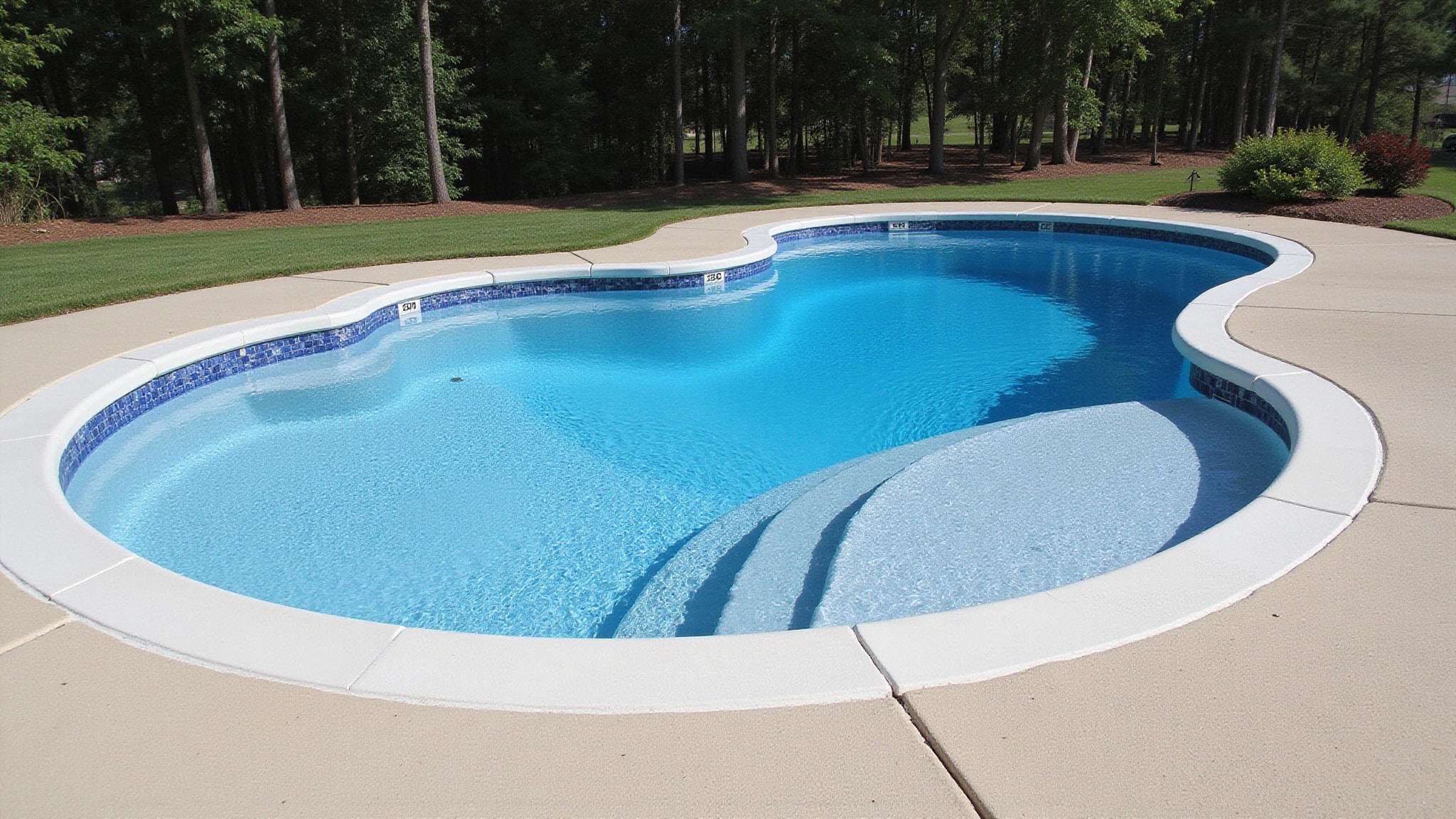
Fiberglass and gunite pools differ first at the build itself. Fiberglass pools arrive as factory-made shells, molded in one piece and lowered into an excavated site. That shifts much of the quality control to the manufacturing stage, so you’re placing a finished product rather than building one. Gunite pools work differently. You’re constructing a steel rebar framework on-site, then spraying it with a concrete-and-sand mixture to form the shell. That shell requires curing before it reaches full strength.
The fiberglass pool vs gunite pool distinction comes down to pre-manufactured versus site-built. Understanding fiberglass vs gunite pools at this foundational level shapes every decision you’ll make about design, timeline, and cost.
What is a fiberglass pool
A fiberglass pool is a factory-made shell, molded in one piece from reinforced fiberglass and finished with a gelcoat surface before it ever reaches your property. Once the shell cures at the manufacturing facility, crews deliver it in one piece and lower it into your excavated site. This off-site process shifts much of the quality control to the manufacturing stage, which is a key distinction in any fiberglass vs gunite comparison. You’ll notice the smooth, nonporous surface immediately. It resists cracking and typically reduces brushing and chemical demand. Unlike a gunite pool, which crews spray and cure on-site, a fiberglass pool arrives ready to place, so you’ll usually see installation wrap up in about 2 to 3 weeks. Its shape depends entirely on available manufacturer molds.
What is a gunite pool
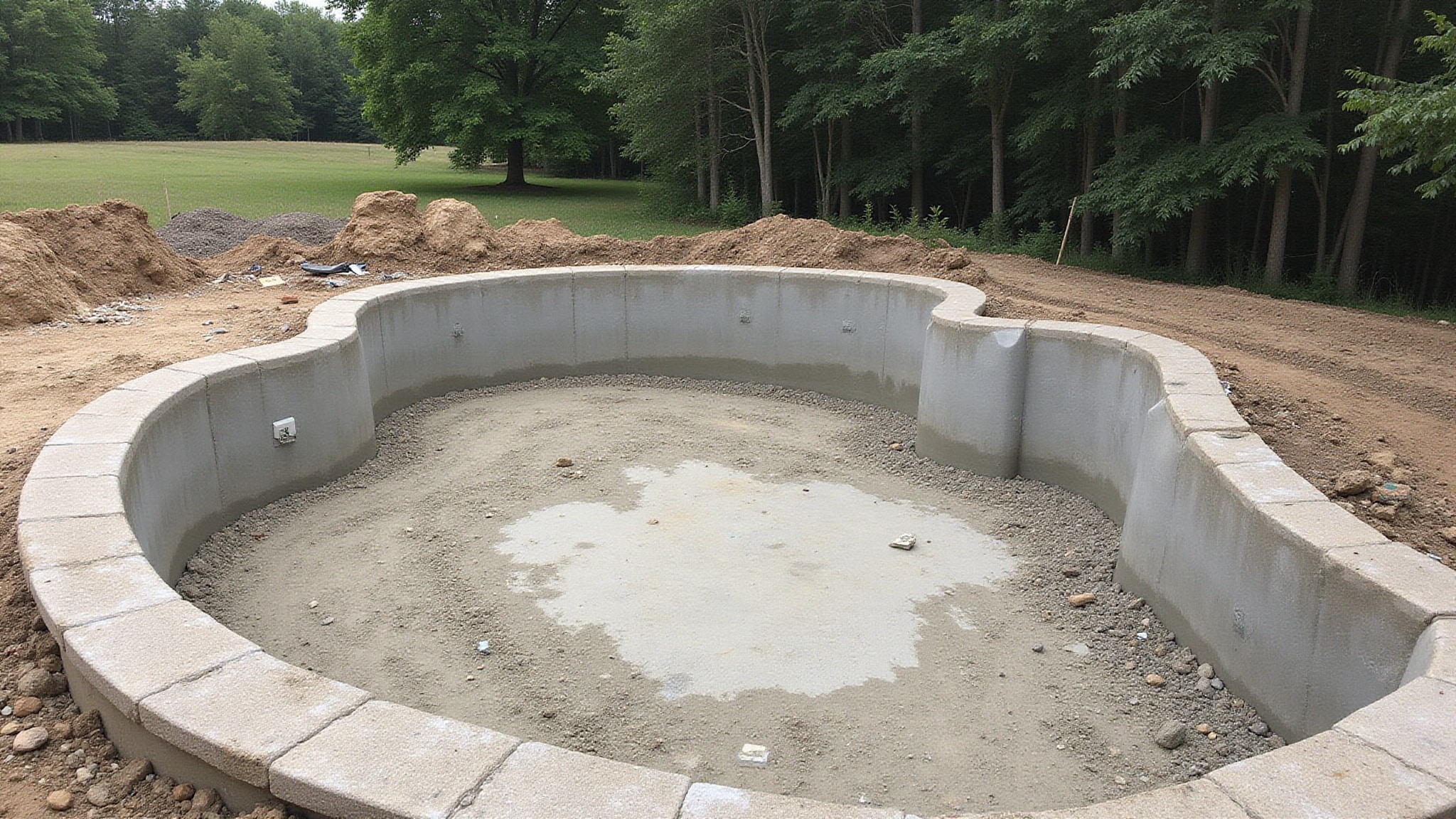
A gunite pool is a concrete pool built entirely at your property, constructed from the ground up rather than delivered as a pre-manufactured shell. Crews excavate the site, tie a steel rebar framework, then spray a concrete-and-sand mixture over it to form the shell right where it’ll sit. Once applied, that shell needs to cure before it reaches full strength, which adds time you can’t skip.
This site-built process is what gives gunite its biggest edge: you’re not limited to a manufacturer’s molds. You can engineer lagoon shapes, varying depths, sloped floors, raised spas, and other complex layouts. The tradeoff is a longer build, typically 8 to 16 weeks, since excavation, framing, spraying, curing, and finishing all happen on-site rather than in a factory.
How do fiberglass and gunite pools compare on cost and durability
Fiberglass costs less upfront at $45,000 to $100,000 but lasts 20 to 30 years, while gunite costs more at $60,000 to $150,000+ and lasts 50+ years. You’ll pay more upfront for gunite, but you’re buying a shell engineered to last decades longer.
| Factor | Fiberglass | Gunite |
|---|---|---|
| Initial cost | $45,000, $100,000 | $60,000, $150,000+ |
| Lifespan | 20 to 30 years | 50+ years |
| 10-year maintenance | ~$5,750 | $20,000+ |
Gunite’s higher price reflects its site-built, labor-intensive construction and exceptional structural strength. You’ll get a durable shell, though the porous concrete finish carries surface wear risk and demands periodic resurfacing. Fiberglass costs less initially and its smooth, nonporous surface cuts your long-term maintenance dramatically. It resists cracking well, but you might face finish fading or blistering over time. Your decision hinges on whether upfront savings or long-term longevity matters more.
What are the pros and cons of each pool type
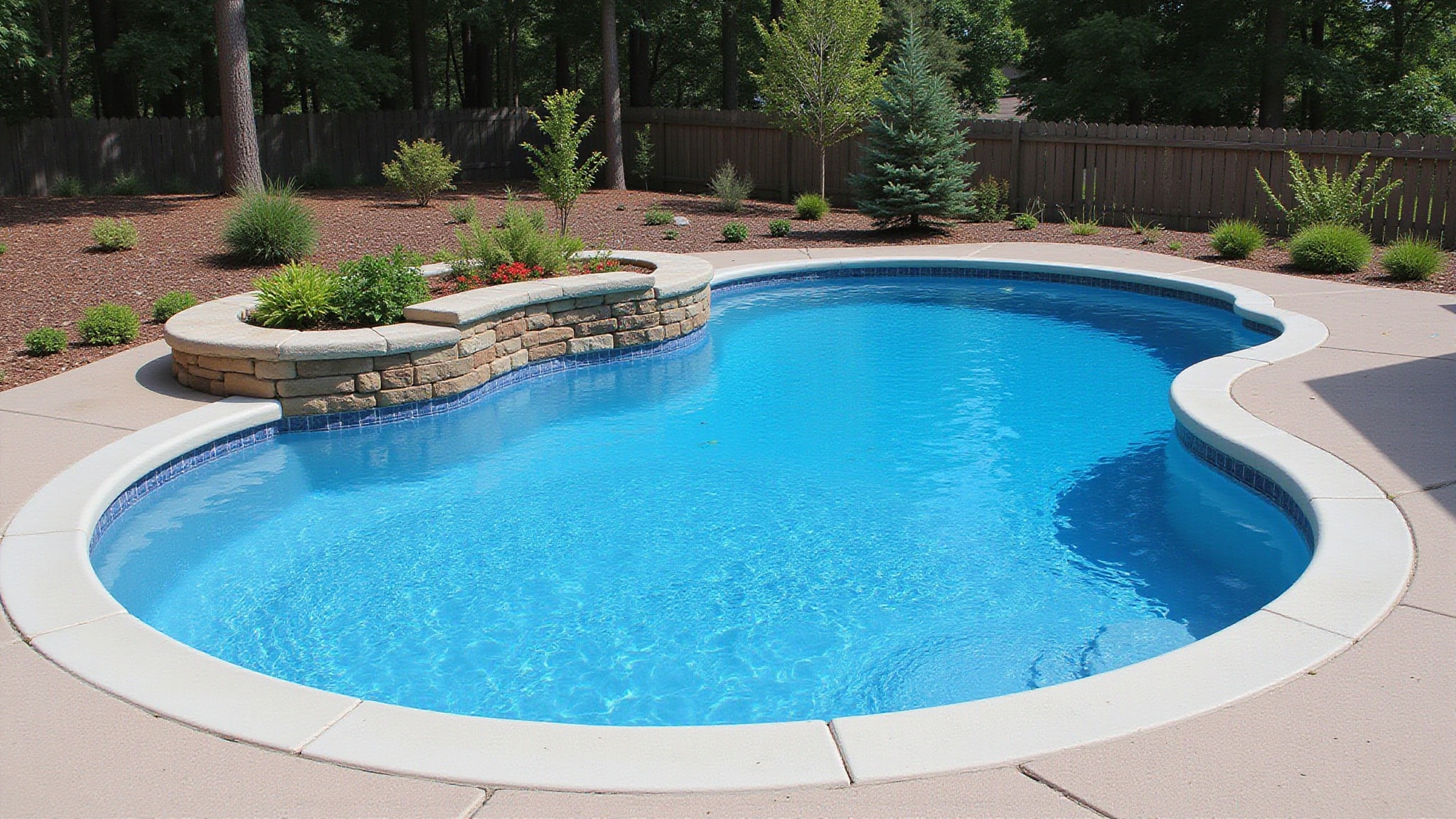
Each pool type has distinct pros and cons that come down to how they’re built and maintained day to day.
Gunite gives you unmatched design freedom, including lagoon shapes, raised spas, and custom depths, plus exceptional structural strength and a 50+ year lifespan. The trade-offs? You’ll wait 8 to 16 weeks for construction, pay more upfront, and manage a porous surface that demands regular brushing, careful water balancing, and periodic resurfacing.
Fiberglass flips the equation. You get a factory-made shell installed in 2 to 3 weeks, a lower upfront cost, and a smooth, nonporous finish that cuts chemical and brushing demands. But you’re limited to the manufacturer’s molds, a 20 to 30 year lifespan, and possible gelcoat fading or blistering as the finish wears.
How does maintenance differ between the two
Maintenance differs between these two pools mainly because of their surfaces. Fiberglass gives you a smooth, nonporous shell that resists algae, so you’ll brush less and use fewer chemicals to keep your water balanced. That efficiency shows up in the numbers, roughly $5,750 over ten years. Gunite’s more porous concrete finish tells a different story. You’ll brush more often, monitor water chemistry more closely, and budget for periodic resurfacing as the finish wears. Those demands add up, with one estimate putting gunite’s ten-year maintenance at $20,000 or more. Fiberglass isn’t maintenance-free, though; you’ll eventually refinish the gelcoat as it fades or blisters. Still, if you want lower ongoing effort and cost, fiberglass holds a clear advantage over gunite’s labor-intensive, higher-upkeep surface.
Which pool type is right for you
The right pool type depends on your priorities across budget, timeline, design, and long-term ownership. Weigh these factors against what matters most for your property: Cost analysis for full swimming pools will help you determine the overall investment required. It is essential to consider not just the initial installation costs, but also ongoing maintenance and potential renovations.
- Timeline: Choose fiberglass if you want completion in 2 to 6 weeks. Gunite runs 8 to 16 weeks or longer.
- Design: Pick gunite for custom shapes, raised spas, or complex layouts. Fiberglass limits you to manufacturer molds.
- Cost: Fiberglass costs less upfront ($45,000, $100,000). Gunite starts around $60,000 and climbs with features.
- Maintenance: Fiberglass demands less brushing and fewer chemicals. Gunite’s porous finish needs resurfacing over time.
If you value customization and 50+ years of durability, go gunite. If you prioritize speed and lower maintenance, fiberglass wins.
Conclusion
Fiberglass and gunite pools diverge most in how they are built, a factory shell dropped in within weeks versus a fully custom shell sprayed and cured on site, and that difference ripples through cost, timeline, shape options, and upkeep. Knowing how each is made makes the choice between speed and low maintenance or full customization much clearer. Innovative Outdoor Living builds both and walks homeowners through the trade-offs, so the pool that goes in matches the yard, the budget, and the way it will be used.
Call Today and Design a Pool Made for You
Whether you want a gunite, concrete, or fiberglass pool, expert design and construction makes every dream buildable. At Innovative Outdoor Living in Palm Beach Gardens, FL, our skilled team delivers dependable Pool Construction built around your family and lifestyle. Call +1 (561) 594-1495 today and turn your backyard into a private retreat.
Frequently Asked Questions
Can a Fiberglass Pool Be Converted to Gunite Later?
No, these are fundamentally different builds. A fiberglass shell is a factory-made, one-piece unit, while gunite is sprayed onto steel rebar on site. Switching would mean demolishing and removing the existing shell, then starting fresh with excavation, framing, spraying, and curing, a full new build rather than a conversion. Anyone wanting gunite’s customization and longevity is better off choosing it from the outset.
Does Either Pool Type Increase My Home’s Resale Value?
Both can, in different ways. Gunite’s custom shapes, structural durability, and 50-plus-year lifespan often appeal to premium buyers, though it carries higher long-term maintenance. Fiberglass wins on upkeep, roughly $5,750 over ten years versus $20,000 or more, and on faster installation, which practical buyers appreciate. The local market matters most, so matching the pool to the neighbourhood and buyer profile drives the strongest resale.
Which Pool Type Performs Better in Cold or Freezing Climates?
Fiberglass generally handles freezing climates better. Its smooth, nonporous shell resists water absorption and flexes slightly, so it copes with ground movement and freeze-thaw cycles without cracking as readily. Gunite’s porous concrete surface absorbs more water, which can expand when frozen and stress the shell over time. A gunite pool in a cold climate needs diligent winterization and proper resurfacing to protect the finish.
Can Gunite or Fiberglass Pools Be Installed Indoors?
Both can, with trade-offs. Gunite’s site-built process offers full flexibility to fit custom shapes into an indoor space, though it means managing on-site spraying, curing, and a longer 8 to 16-week timeline in an enclosed environment. Fiberglass drops in faster, usually 2 to 3 weeks, but needs adequate access and crane clearance to lower the one-piece shell into place. The building’s layout usually decides which is practical.
Do Either Pool Types Require Special Permits Before Installation?
Yes, both types typically require permits regardless of the build method. Requirements vary by jurisdiction and project scope, but a building permit, along with zoning, setback, and safety-barrier compliance, generally applies. Electrical and plumbing sub-permits are common too. Checking local building codes before starting, or letting the pool contractor pull the permits as part of the job, keeps the installation compliant.