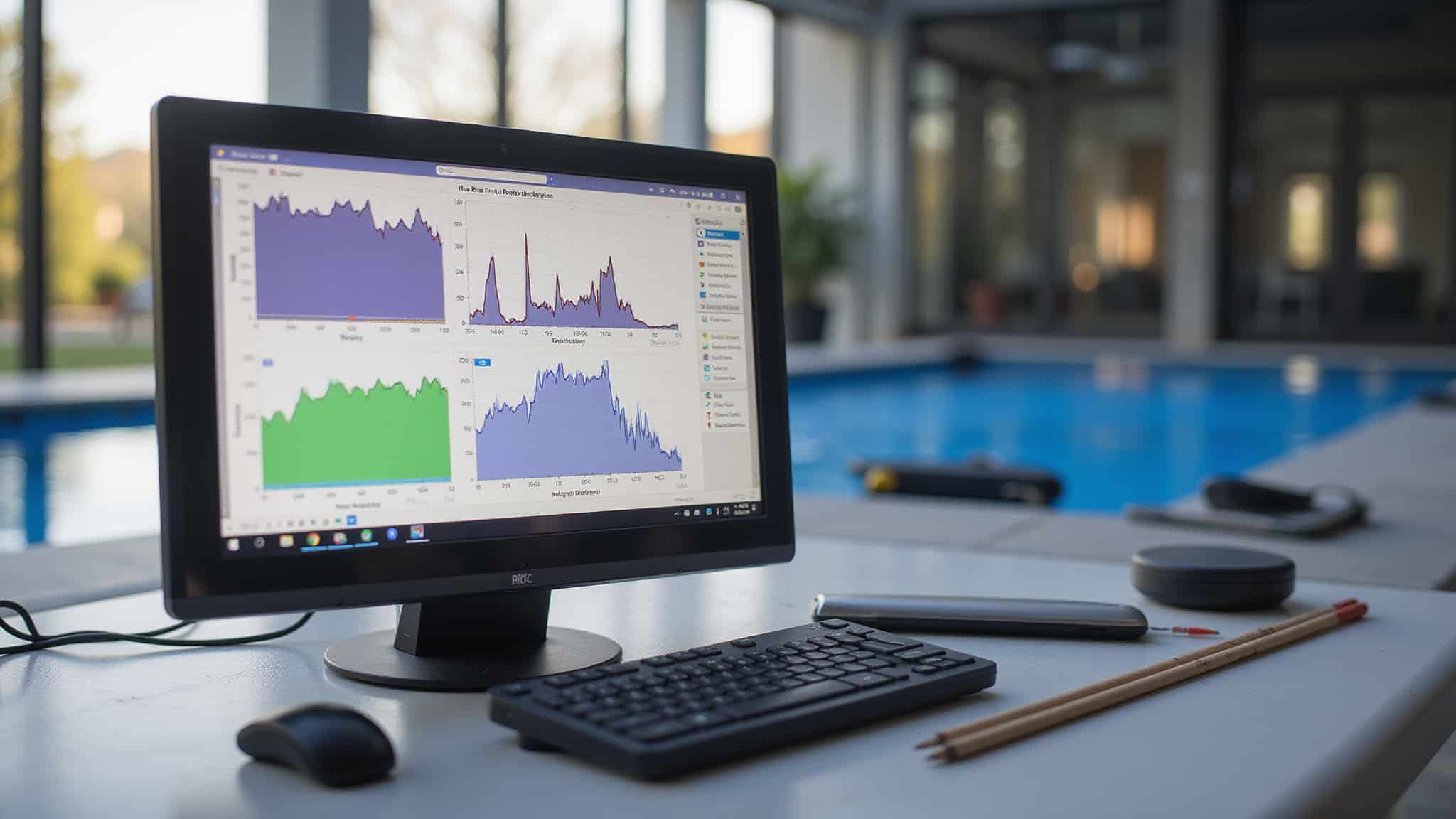
A truly smart backyard isn’t a pile of gadgets, it’s a purpose-driven system built around how you actually use the space. You start with a use case (dining, relaxing, working, play), assess your site conditions, then develop zone-based layouts before installation. You coordinate automation layers, comfort, water and soil management, connectivity, so systems respond to conditions automatically. You plan infrastructure for future expansion, too. Let’s break down what makes each layer work.
Key Takeaways
- A truly smart backyard begins with purpose-driven decisions aligned to a defined use case like dining, relaxing, working, or play.
- It coordinates outdoor systems, automated shading, drip irrigation, soil sensors, and connected lighting, to deliver efficiency, sustainability, and convenience.
- The space functions as an extension of indoor automation logic through weather-responsive controls, motion-triggered security, and reliable wireless coverage.
- It layers comfort automation, water and soil management, low-maintenance tools, and a connectivity backbone tying all systems together.
- Smart status depends on zone-based planning and site assessment first, not on technology-first or gadget-count-driven selection.
Defining a Smart Backyard Setup
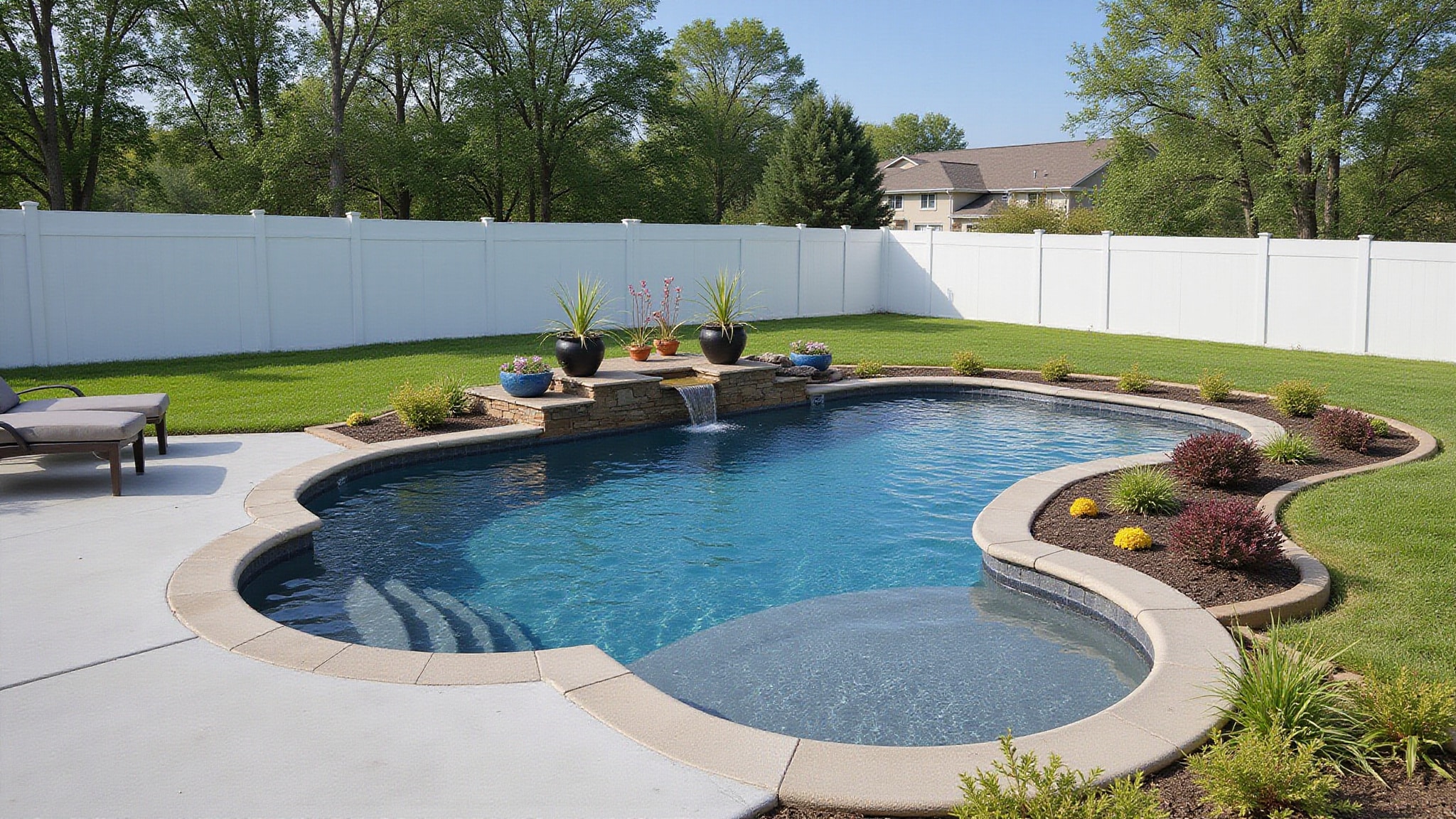
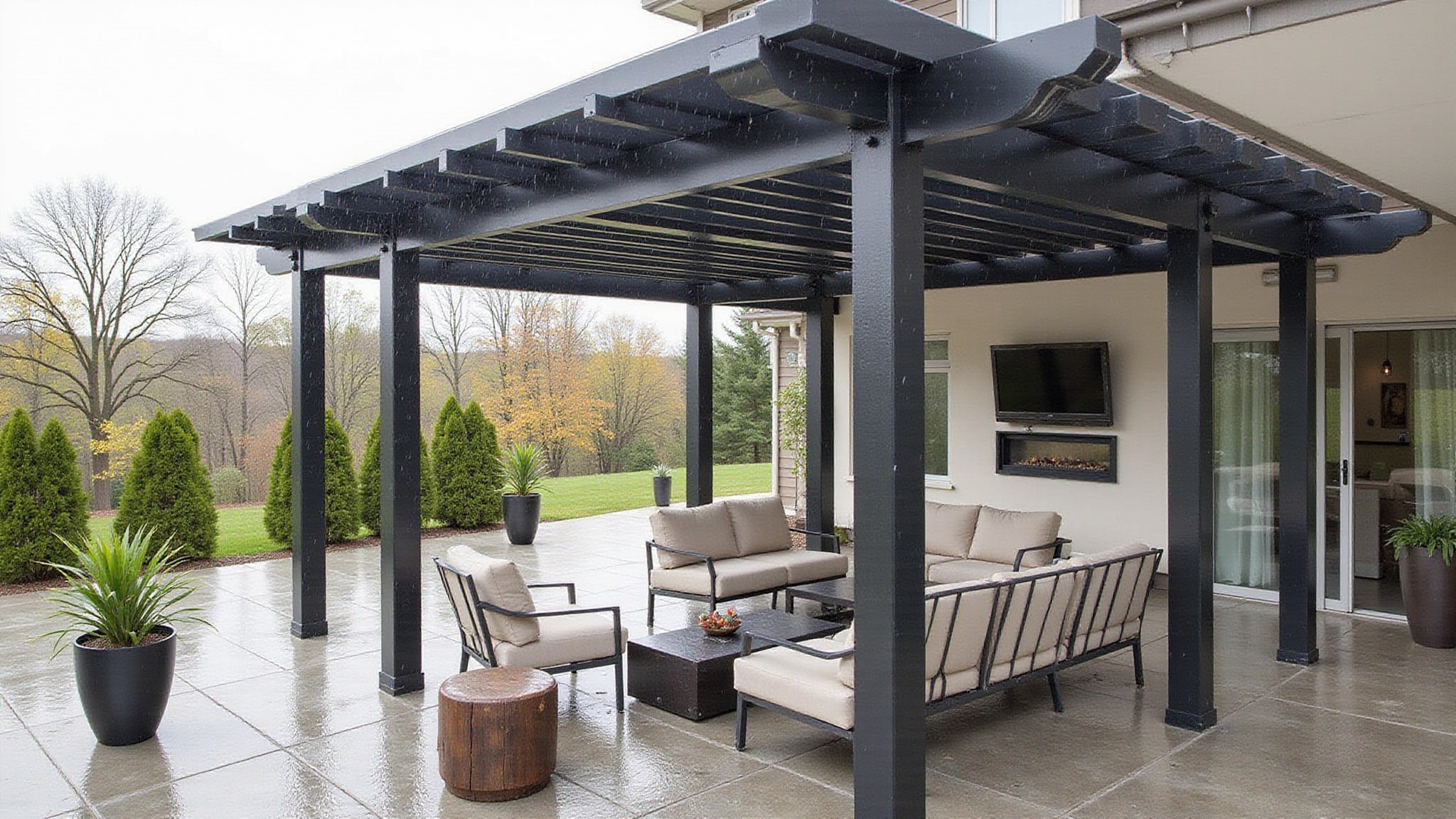
A smart backyard setup is a purpose-driven system where layout, comfort, water, and energy decisions all serve a defined use case, not a collection of gadgets bolted onto an existing yard. Your smart backyard setup starts with a clear function, dining, relaxing, working, or play, not with smart outdoor technology chosen first. You assess site conditions like size, grade, and fixed structures, then sketch a zone-based layout before installation. Each zone separates eating, lounging, garden, and play areas using paths, borders, lighting, or screening. Backyard automation then layers onto this structure: shading, irrigation, and lighting respond to conditions and serve the intended activities. You leave room for future add-ons, so infrastructure supports expansion. Defined this way, every technical decision maps to a purpose, making the system coherent rather than fragmented.
What is a smart backyard
A smart backyard is an outdoor space that integrates comfort, water, and energy systems around a defined use case, delivering efficiency, sustainability, and convenience through coordinated technology rather than isolated devices. You’re not just adding gadgets; you’re building an integrated system where automated shading, drip irrigation, soil sensors, and connected lighting respond to actual conditions.
A smart backyard starts with your intended activity, dining, working, relaxing, or play, then layers technology onto zone-based planning. You define the space, assess site conditions, and match features to function.
A smart home backyard is an extension of your indoor automation logic. Weather-responsive controls, motion-triggered security, and sub-500-millisecond protocols coordinate through reliable wireless coverage. You plan expandable infrastructure, weatherproof exposed equipment, and test automation manually, so the system performs predictably and scales over time. Outdoor audio solutions for patios can enhance the overall atmosphere of your outdoor space. By integrating high-quality speakers that blend seamlessly with your decor, you elevate gatherings and quiet evenings alike.
What technologies make up a smart backyard setup
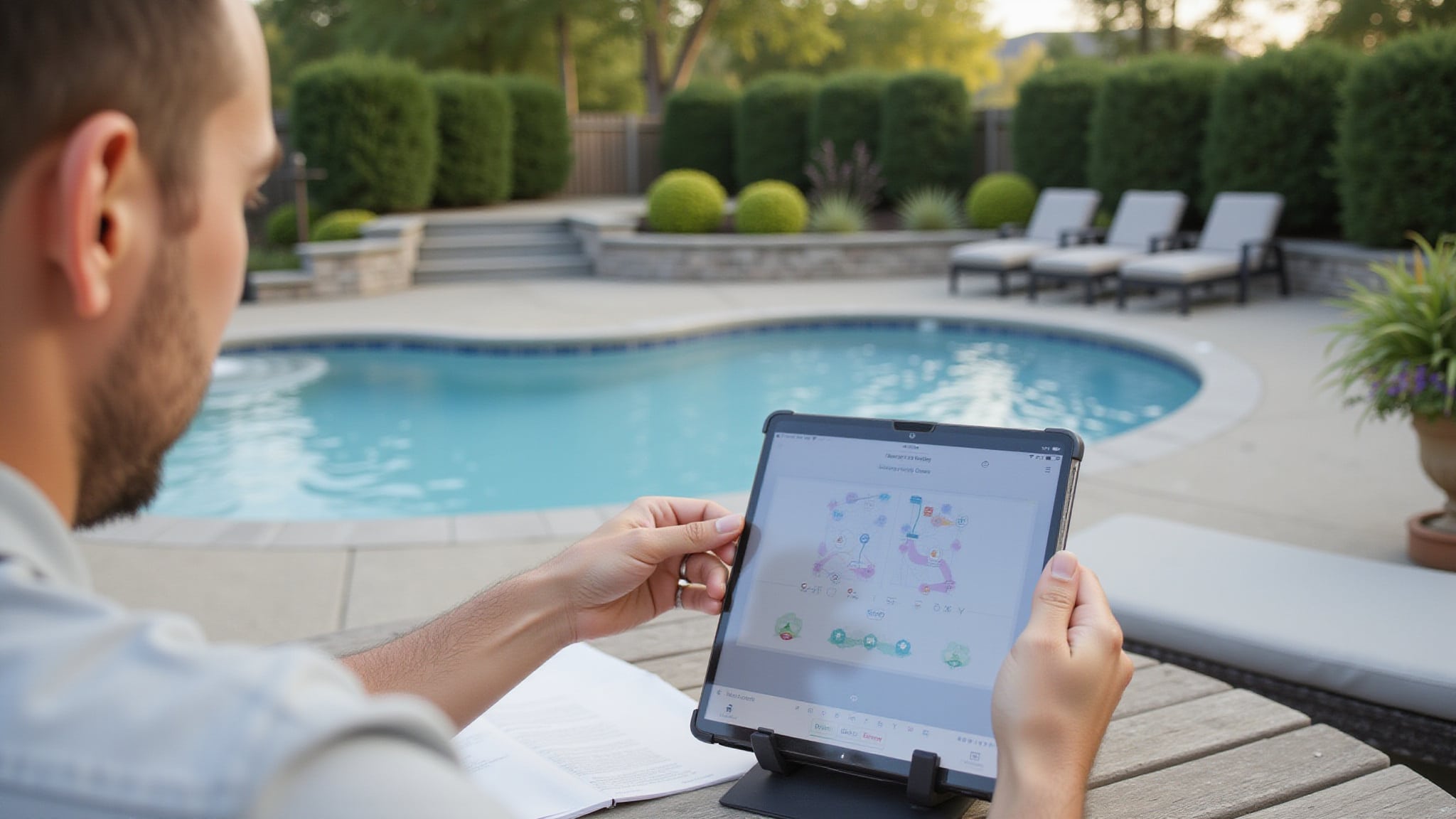
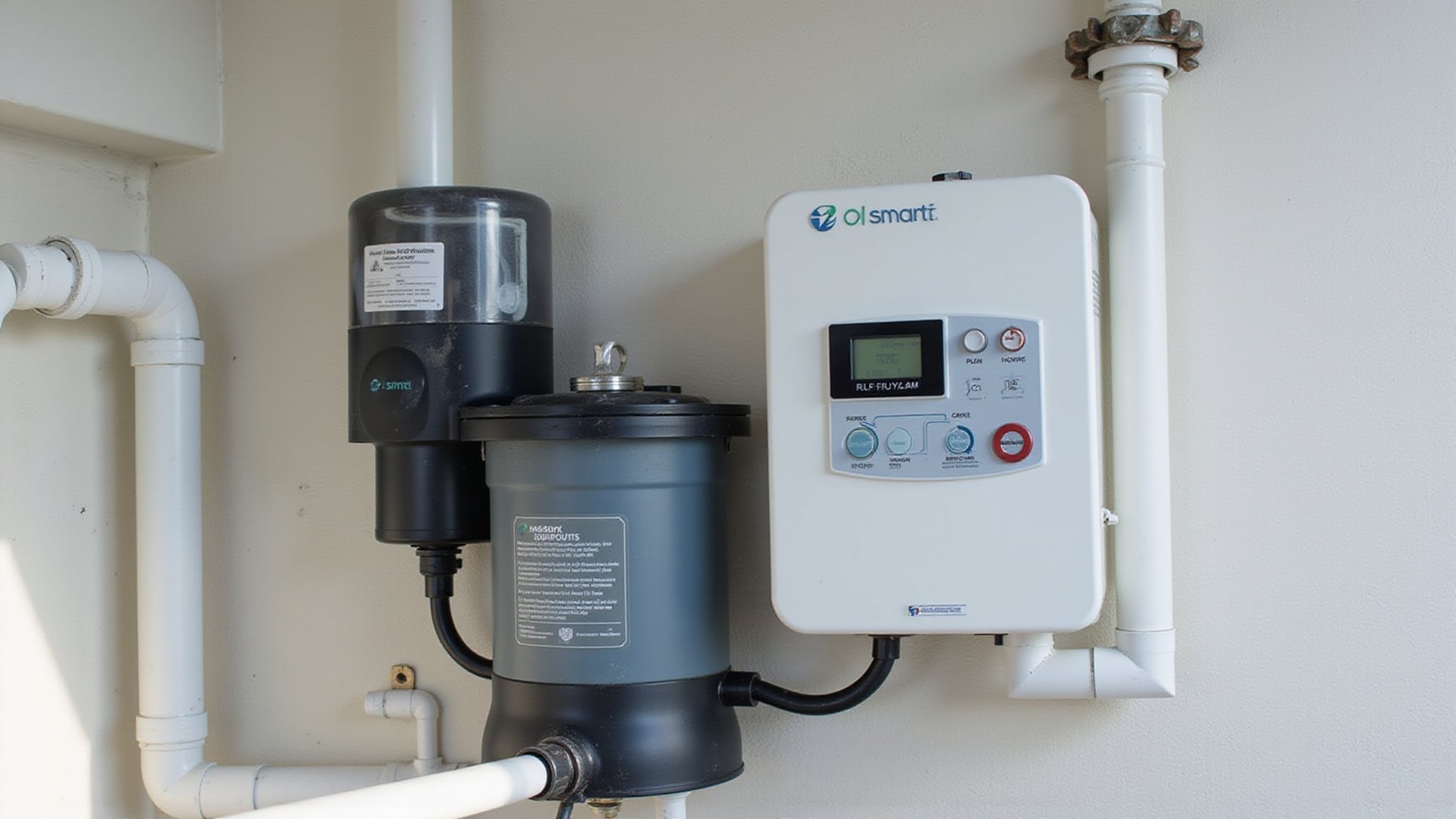
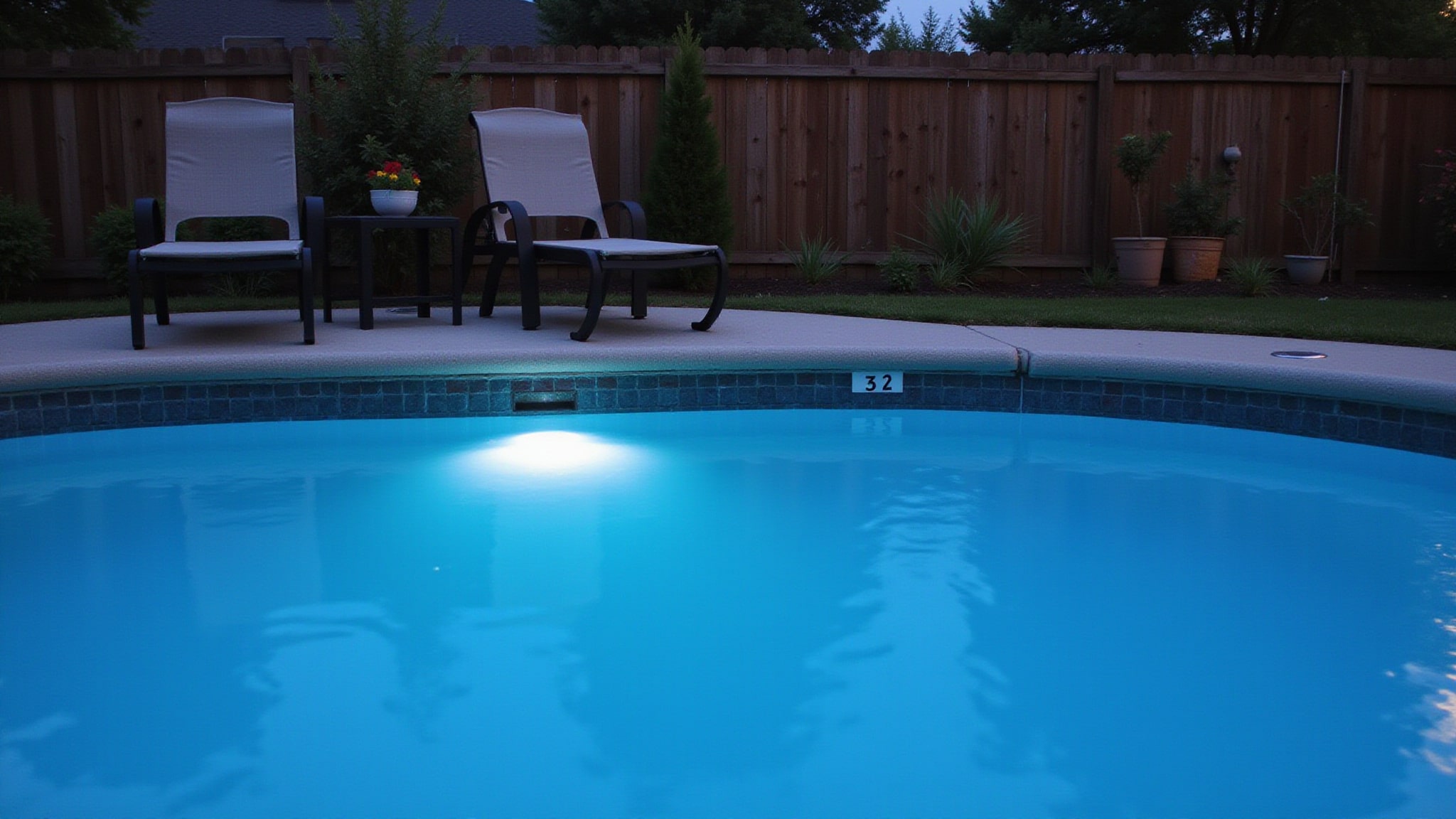
A smart backyard is made up of four technology layers: comfort automation, water and soil management, low-maintenance landscape tools, and the connectivity backbone that ties them together. Comfort automation covers retractable awnings, screens, weather-responsive sprinklers, and adaptive lighting, plus entertainment like outdoor speakers and projectors. Water and soil management runs on drip or micro-irrigation, soil moisture sensors, rain sensors, and weather-based controllers that replace fixed schedules. Low-maintenance tools include robot mowers, pool monitors, and sensors that cut manual work. The connectivity backbone ties these together: you’ll want a mesh node or extender within 30 feet of your farthest device, protocol choices matched to response needs, sub-500ms for motion-triggered security lights, slower for irrigation, and IP65-rated weatherproofing so every exposed device and connection survives outdoor conditions.
What are the benefits of a smart backyard
A smart backyard delivers benefits across four measurable areas: water efficiency, energy savings, reduced maintenance, and better function.
You cut water waste by pairing drip irrigation with soil moisture sensors and rain-based controls, so you’re watering on actual conditions instead of fixed schedules. You lower cooling costs when smart lighting and automated shading adapt to changing conditions. You reduce manual labor by delegating tasks to robot mowers, pool monitors, and soil sensors, then leaning on hardy perennials and native plants that need less intervention.
You gain function through zone-based planning that separates dining, lounging, garden, and play areas. Because you’ve built expandable infrastructure, you add lighting, screens, or sensors later without rework. Each layer compounds, delivering efficiency, sustainability, and convenience together.
How much does a smart backyard setup cost
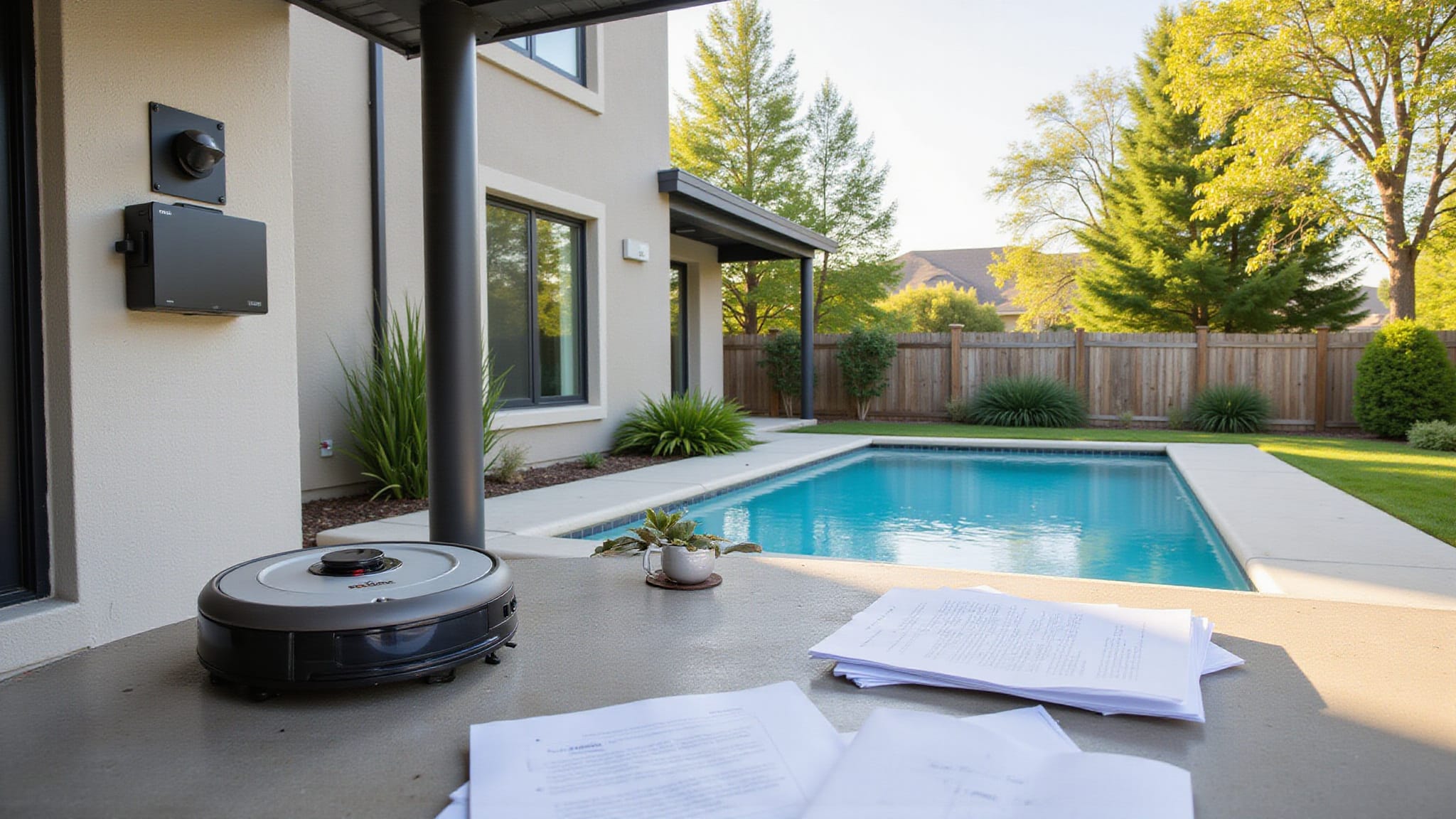
A smart backyard setup costs according to the zones and systems you actually build, since it scales with your use case rather than a fixed feature list. You budget by function, not gadget count, then layer infrastructure that supports future expansion.
| System | Cost Driver |
|---|---|
| Irrigation | Drip lines, soil moisture sensors, weather-based controllers |
| Connectivity | Mesh nodes within 30 feet, conduit, IP65 weatherproofing |
| Lighting/Shading | Motion sensors, retractable awnings, protocol response tiers |
| Automation | Robot mowers, pool monitors, fallback logic testing |
| Landscape | Native plants, mulch, mature-size planning |
Prioritize by zone: dining, lounging, and play areas each add hardware and wiring. You’ll spend more where sub-500-millisecond response matters, less where irrigation tolerates delay. Map cable pathways before backfilling, since retrofitting costs more than planning expandable infrastructure upfront.
How do you start building a smart backyard
Start building a smart backyard by defining a clear use case, dining, lounging, reading, working, or play, before touching any technology. Assess your existing site conditions next: size, grade, fixed structures, and what you can retain. Sketch the layout before installation, separating eating, lounging, garden, and play areas with paths, borders, lighting, furniture, or screening. Zone-based planning improves function and clarifies where devices belong.
Account for mature plant size and leave room for future add-ons so the system expands over time. Map cable pathways and conduit routes before backfilling to cut later troubleshooting. Run signal checks at every planned device location, confirming a mesh node or extender sits within 30 feet of the farthest device, before you commit anything permanent.
Conclusion
A truly smart backyard is more than a few app-controlled gadgets; it is a planned, connected system, lighting, irrigation, pool, and security, that works together reliably, holds up outdoors, and keeps running when the internet does not. Getting the network, protocols, and fallback logic right is what separates a genuinely smart yard from a pile of disconnected devices. Innovative Outdoor Living designs and integrates complete smart backyard systems, so every piece works as one dependable, weatherproof whole.
Automate Your Backyard the Smart Way
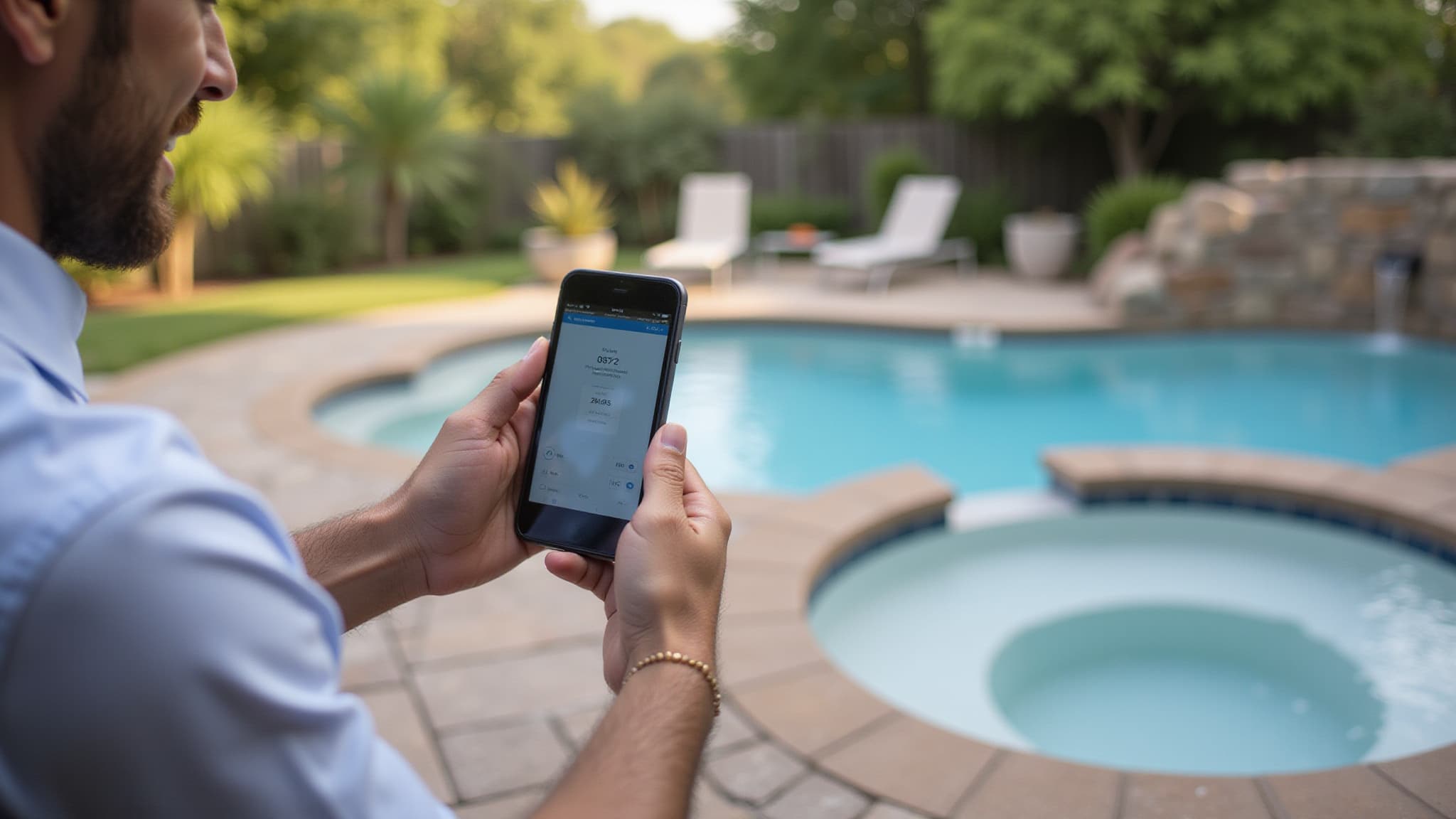
Smart pool systems transform how you enjoy your backyard, giving you full control right from your phone. At Innovative Outdoor Living in Palm Beach Gardens, FL, our experienced team provides trusted Smart Backyard Pool Control Systems with expert setup and premium technology. Call +1 (561) 594-1495 today and start your smart backyard project.
Frequently Asked Questions
Can I Install a Smart Backyard System Myself, or Hire Professionals?
Much of it is DIY-friendly with careful planning of each subsystem. Running signal checks at every planned device location, confirming mesh coverage within about 30 feet of the farthest device, and mapping cable and conduit routes before backfilling all help. Testing the automation logic manually, including outage fallback, and using IP65-rated weatherproofing keeps it reliable. Routing high-voltage lines or grading a complex site is best left to professionals, while a phased DIY install works well when planned for expandability.
How Do I Maintain and Troubleshoot Smart Backyard Devices Over Time?
Verifying signal strength at each device location, and keeping a mesh node or extender within about 30 feet of the farthest unit, is a good starting point. Testing the automation logic manually and confirming fallback behavior during outages keeps surprises to a minimum. Checking that exposed equipment still meets IP65 protection and inspecting connections seasonally catches wear early. When something misbehaves, working through it device by device usually isolates the cause.
Do Smart Backyard Systems Work During Internet or Power Outages?
They can, but only with planning. Testing the automation logic manually before relying on it, including fallback behavior during outages, is key, as is building in local control so devices do not fully depend on the cloud. Backup power for critical systems like security lighting, which needs a fast, sub-500-millisecond response, matters too. Verifying each device’s fallback state means essential functions keep running when internet or power drops.
Are Smart Backyard Devices Compatible Across Different Brands and Platforms?
Compatibility comes down to protocol choices, so standardising before buying pays off. Matching devices by response-time needs helps, since motion-triggered security lights want sub-500-millisecond performance while irrigation tolerates slower delays. When mixing brands, confirming each device supports a shared standard and testing signal strength at every location avoids gaps. Keeping to one or two well-supported ecosystems is what keeps everything talking to each other.
How Secure Are Smart Backyard Systems Against Hacking or Privacy Risks?
They are meaningfully secure when security is engineered in rather than bolted on later. Weatherproofing exposed devices to at least IP65 keeps tampering and moisture from compromising connections. Verifying stable connectivity and signal at each location, then testing automation logic and fallback behavior, closes obvious gaps. Segmenting the network, placing mesh nodes deliberately, using strong unique passwords, and keeping firmware current all reduce the ways a system could be exploited.