
Yes, you’ll need a building permit for nearly every pool in Florida. Permitting begins once water depth reaches 24 inches, whether your pool’s in-ground or above-ground. You’ll also need electrical, plumbing, and mechanical subpermits for pumps, heaters, bonding, and circulation systems, plus separate barrier or enclosure permits. These permits ensure code compliance addressing setbacks, drainage, and safety requirements. Skipping them risks stop-work orders and daily fines. Here’s what your permit package must include.
Key Takeaways
- Yes, most Florida pools require a building permit, especially once water depth reaches 24 inches or more.
- Both in-ground and above-ground pools need permits, and added decking, electrical, or plumbing work also triggers permitting.
- Pool projects typically require multiple permits, including electrical, plumbing, and mechanical subpermits, plus separate barrier or enclosure permits.
- Applications usually require a site plan or survey, sealed construction plans, and barrier safety documentation with manufacturer specifications.
- Building without a permit risks stop-work orders, daily fines, costly after-the-fact permitting, and possible reconstruction.
Do You Need a Permit for a Florida Pool
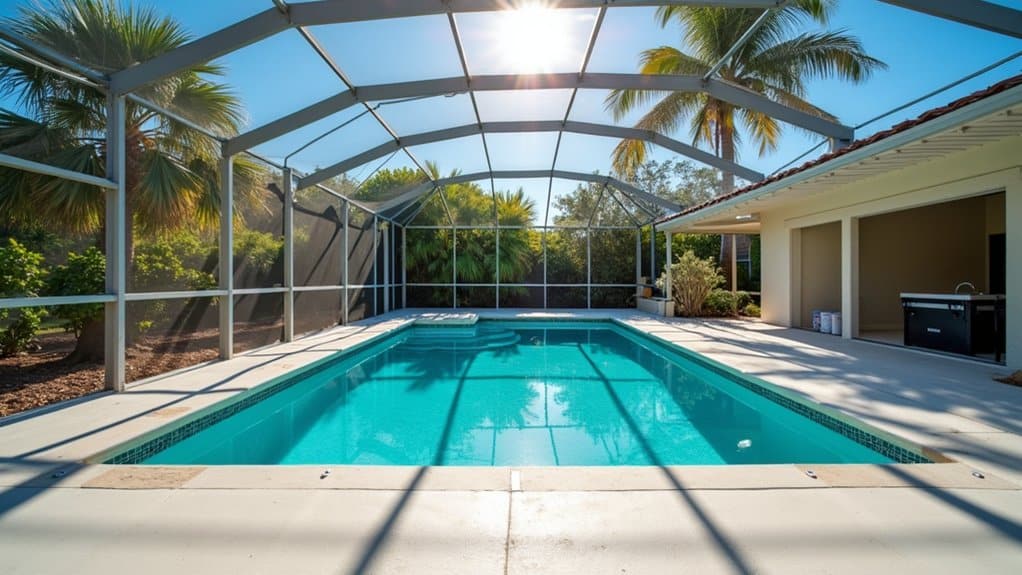
Yes, in Florida you need a permit for most swimming pools before construction begins. Most swimming pools require a building permit, so the answer to “do you need a pool permit?” is almost always yes. Both in-ground and above-ground pools trigger permitting once water depth reaches 24 inches or more, or when you add decking, electrical, plumbing, or mechanical work. Pool permits Florida jurisdictions issue typically function as building permits with related subpermits.
A building permit pool project also depends on your county or city, since local approval steps vary. Licensed contractors usually pull the permit, though owner-builders can apply if they meet local requirements.
Barriers, fences, and enclosures often demand separate permits, so confirm your jurisdiction’s checklist before you start any work.
Why are pool permits required in Florida
Florida pool permits are required to guarantee code compliance, not just paperwork, because they tie your project to Florida’s health and safety oversight. A Florida pool permit ensures your construction meets the Florida Building Code for Private Swimming Pools, covering setbacks, easements, drainage, and barrier requirements designed to restrict unsupervised access by young children.
Your pool building permit triggers structured review of sealed construction plans, electrical and plumbing subpermits, and safety-act documentation. This process verifies that alarms, enclosures, and finished-floor elevations satisfy code before inspections proceed. Differences between gunite and concrete can significantly impact the durability and maintenance of your pool. Understanding these materials will help you choose the right option for your specific needs.
For public pools, Florida Statutes Chapters 514 and 553 add another layer: an operating permit from the Department of Health must precede any certificate of completion. Permitting exists to confirm every element, structural, electrical, and safety, complies with enforceable state and local standards.
What permits does a Florida pool need
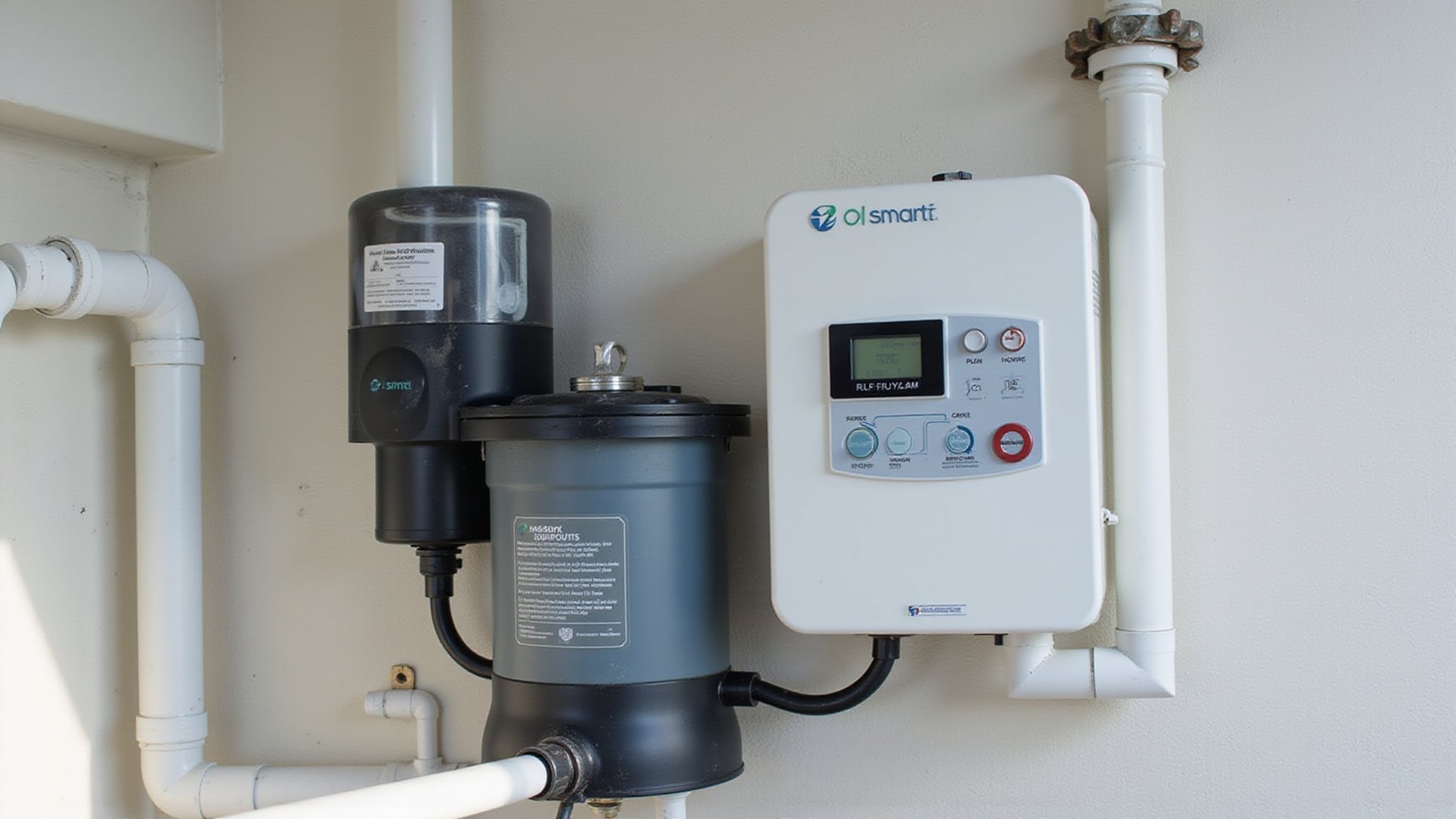
A Florida pool needs several permits, not just one. You’ll typically pull a building permit for the pool structure, then add electrical, plumbing, and mechanical subpermits for pumps, heaters, bonding, and circulation systems. If you’re installing an in-ground residential pool, expect the building permit to anchor the package. Above-ground pools still require permits once water depth hits 24 inches or when you add decking, electrical, or site work. Choosing pool depth for children is an important consideration to ensure safety and enjoyment. It’s essential to assess their swimming abilities and choose depths that allow them to play safely.
Don’t overlook the barrier. Many counties require a separate building permit for your enclosure, fence, or safety barrier, even after the pool’s already permitted.
Building a public pool? You’ll need a Florida Department of Health operating permit under Chapters 514 and 553 before the building department issues construction approval or any certificate of completion.
What are the requirements to get a pool permit
To get a pool permit, you’ll need to assemble a permit package that proves code compliance and submit it to the building department. Start with a site plan or survey showing the pool location, property boundaries, setbacks, and existing structures. Most counties require construction plans signed and sealed by a Florida-licensed architect or engineer. Your submittal may also need drainage, grading, and finished-floor elevation data.
You’ll typically file a Notice of Commencement once project costs cross local thresholds, along with safety-act forms, owner-builder disclosures, and equipment cut sheets. Because Florida mandates a barrier restricting unsupervised child access, expect to include enclosure, fence, or alarm documentation with manufacturer specifications. Missing barrier details or child-safety forms will stall your review, so verify your county’s checklist before submitting anything.
What does a Florida pool permit cost
Florida pool permit costs vary by jurisdiction, since the state sets no single statewide fee for residential pools. Your total depends on valuation-based building fees plus required electrical, plumbing, and mechanical subpermits. Barrier or enclosure permits add separate charges when local code treats them independently. Public pools carry additional state-level costs, including Florida Department of Health initial and annual operating permit fees under Chapters 514 and 553. Factors affecting pool construction costs in Florida can also include the type of materials chosen and regional labor rates. Additionally, variations in required safety features or design considerations may influence overall expenses.
| Cost Component | Typical Basis |
|---|---|
| Building permit | Project valuation |
| Subpermits | Per trade (electrical, plumbing) |
| DOH operating fees | Public pools only |
You’ll also encounter plan review fees, Notice of Commencement recording costs, and inspection charges. Confirm exact figures with your county or city building department, since valuation thresholds and fee schedules differ locally.
What happens if you build without a permit
Building without a permit exposes you to code enforcement action, stop-work orders, and daily accruing fines until you resolve the violation. Your building department can require you to open finished work for inspection, meaning you’ll excavate decking, expose electrical bonding, or dismantle enclosures to prove code compliance retroactively. You’ll typically pay after-the-fact permit fees, often doubled as a penalty, plus inspection costs. If your pool fails to meet the Florida Building Code for Private Swimming Pools or barrier requirements, you’ll rebuild noncompliant elements at your own expense. Unpermitted work can trigger liens against your property, block your certificate of completion, and complicate future sales or refinancing. Insurers may deny liability claims tied to an unpermitted pool. Permitting first is cheaper than remediation.
How do you apply for a Florida pool permit
Apply for a Florida pool permit at your local building department, since Florida delegates residential pool permitting to county and city jurisdictions. You’ll assemble a submittal package that satisfies the Florida Building Code for Private Swimming Pools, and you’ll typically route it through a licensed contractor who pulls the permit. Expect electrical, plumbing, and mechanical subpermits tied to the parent building permit.
Your package generally requires:
- A site plan or survey showing pool location, setbacks, easements, and existing structures.
- Signed and sealed construction plans referencing code standards like ANSI/APSP/ICC 5.
- Barrier details, safety-act forms, and equipment cut sheets for alarms or enclosures.
You’ll also file a Notice of Commencement when cost thresholds apply.
Conclusion
In Florida, a building permit is not optional for a pool; it protects the homeowner, satisfies strict safety-barrier laws, and keeps resale and insurance clean down the road. Skipping it tends to cost far more later than pulling it up front ever would. Innovative Outdoor Living handles pool permitting as part of the build, managing the plans, barrier requirements, and inspections so the pool is fully permitted and code-compliant from the start.
Build the Custom Pool of Your Dreams
From permits and design to construction and completion, every custom pool deserves expert planning and execution. At Innovative Outdoor Living in Jupiter, FL, our experienced team provides trusted Pool Construction with expert craftsmanship and premium materials. Call +1 (561) 594-1495 today and start planning your dream pool.
Frequently Asked Questions
How Long Does It Take to Get a Pool Permit Approved?
The timeline depends on the county or city, since Florida permitting rules vary by jurisdiction. Approval moves faster with a complete package: a site plan or survey, signed and sealed construction plans, drainage and setback details, barrier documentation, and the required safety-act forms. Missing child-safety forms or barrier specs are a common cause of delay. For a public pool, approval also waits on the Department of Health issuing the operating permit.
Can I Sell My Home With an Unpermitted Pool?
It is possible, but complications are likely. Florida disclosure requirements mean buyers have to be informed, and unpermitted work can trigger financing, appraisal, and closing issues. A buyer’s lender or inspector may flag it, and the seller can be liable for retroactive permitting costs. Pursuing an after-the-fact permit through the local building department before listing is the cleaner path.
Does a Pool Permit Affect My Property Taxes?
Indirectly, yes, because the permit creates a documented record of a new improvement. Once the permit is pulled and inspections are closed out, the county property appraiser typically reassesses the parcel to reflect the pool’s added value. The permit itself is not taxed, but the completed, permitted structure raises the assessed value, which nudges the annual property tax bill upward.
Are Pool Heaters or Solar Panels Included in the Permit?
Pool heaters and solar panels usually fall under the permit scope as related subpermits. Gas or electric heaters typically need a mechanical or electrical subpermit, since they involve fuel lines, wiring, and equipment connections. Solar installations often require their own review with equipment cut sheets and connection details. Because the local building department sets the exact requirements, confirming which subpermits apply is worthwhile before work begins.
Can I Transfer a Pool Permit to a New Contractor?
Usually, yes, following the local building department’s process. Most jurisdictions require the new licensed contractor to submit a permit reassignment or change-of-contractor form, along with proof of licensing and insurance. The original permit stays active under the new contractor’s credentials once approved. Since transfer procedures and required documents vary, the specific county or city rules are worth checking.