
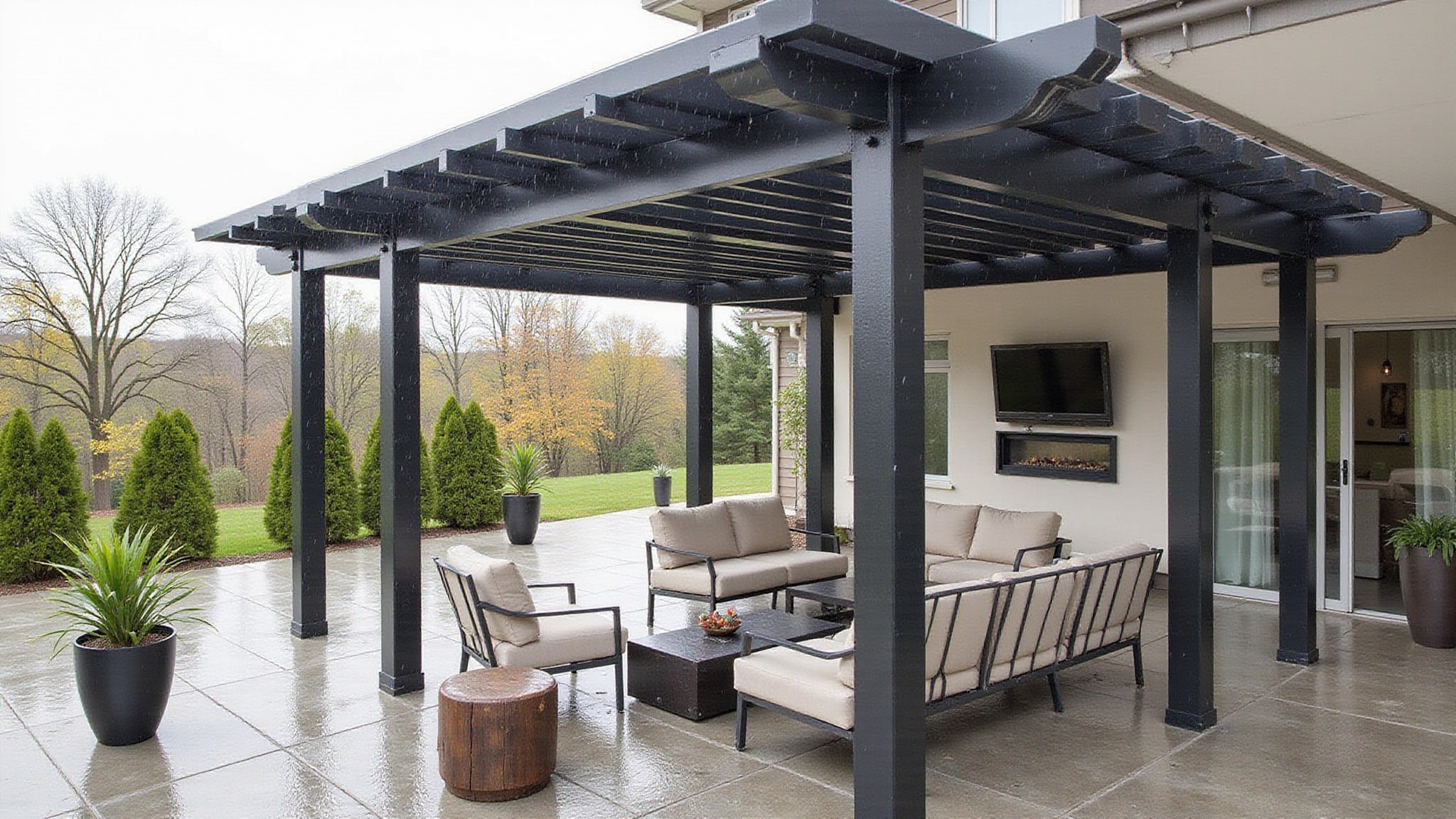


To design durable outdoor furniture, you’ll need to master five essential steps. Start by selecting premium weather-resistant materials like grade-A teak or powder-coated aluminum. Build strong foundations using mortise and tenon joinery and marine-grade components. Incorporate smart design features with proper ventilation and drainage. Implement systematic maintenance protocols for each material type. Partner with quality-focused manufacturers who maintain rigorous production standards. These fundamentals will pave the way to creating long-lasting outdoor pieces.
Selecting Weather-Resistant Materials for Longevity
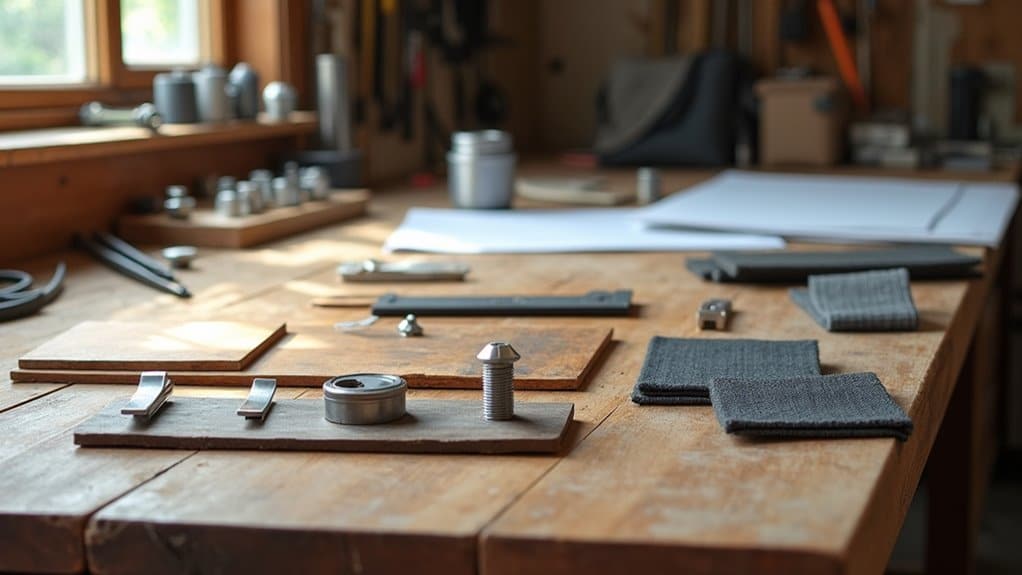
When selecting materials for outdoor furniture, durability against weather exposure becomes the primary engineering consideration. You’ll need to focus on proven materials that maintain structural integrity through multiple seasons of use.
Teak stands out as a superior hardwood choice, offering exceptional weather resistance and requiring minimal maintenance practices. In synthetic categories, all-weather wicker, when engineered with a powder-coated aluminum framework, delivers comparable durability metrics. You’ll maximize longevity by selecting products from manufacturers who demonstrate rigorous quality control standards and proper construction methodologies.
To guarantee optimal performance, implement regular maintenance schedules for your outdoor furniture. This includes systematic cleaning procedures that preserve both structural integrity and aesthetic qualities. The combination of weather-resistant materials and proper care protocols will drastically extend your furniture’s service life.
Building Strong Foundations With Proper Construction
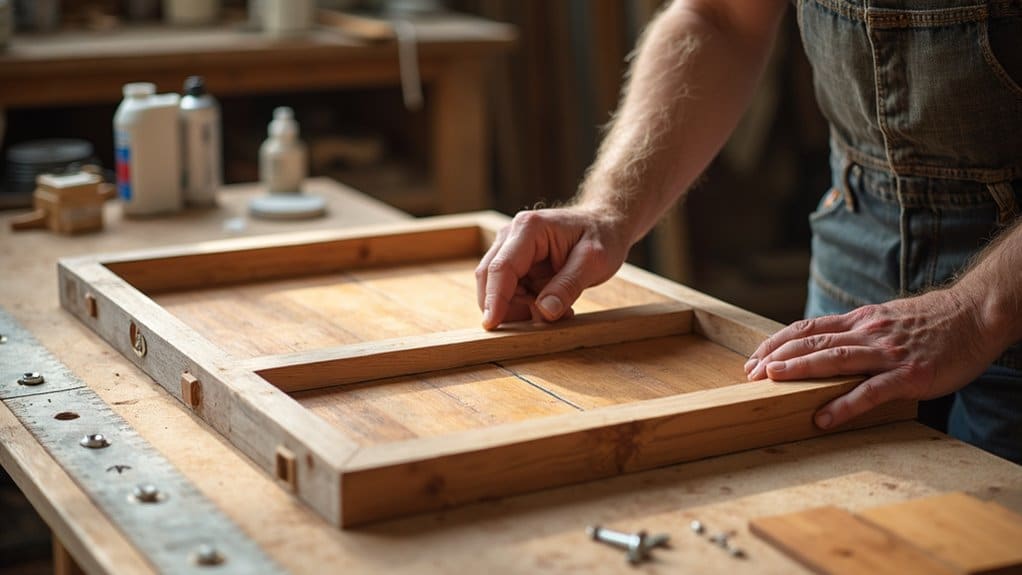
To achieve maximum structural integrity in outdoor furniture, proper construction techniques must serve as the foundational blueprint for manufacturing. You’ll want to prioritize mortise and tenon joinery over dowel construction, as this method creates considerably stronger connections that withstand outdoor stresses.
When constructing wicker furniture, incorporate an all-weather steel sub-frame beneath the synthetic material, and guarantee you’re using solution-dyed, UV-stabilized wicker that’s properly woven and secured. For metal pieces, select powder-coated aluminum frames that resist corrosion while maintaining structural stability. If you’re working with teak, choose only grade-A kiln-dried stock with tight grain patterns, and construct joints that accommodate the wood’s natural expansion and contraction. These construction principles will substantially extend your furniture’s lifespan while maintaining its structural integrity in challenging outdoor conditions.
Enhancing Durability Through Smart Design Features
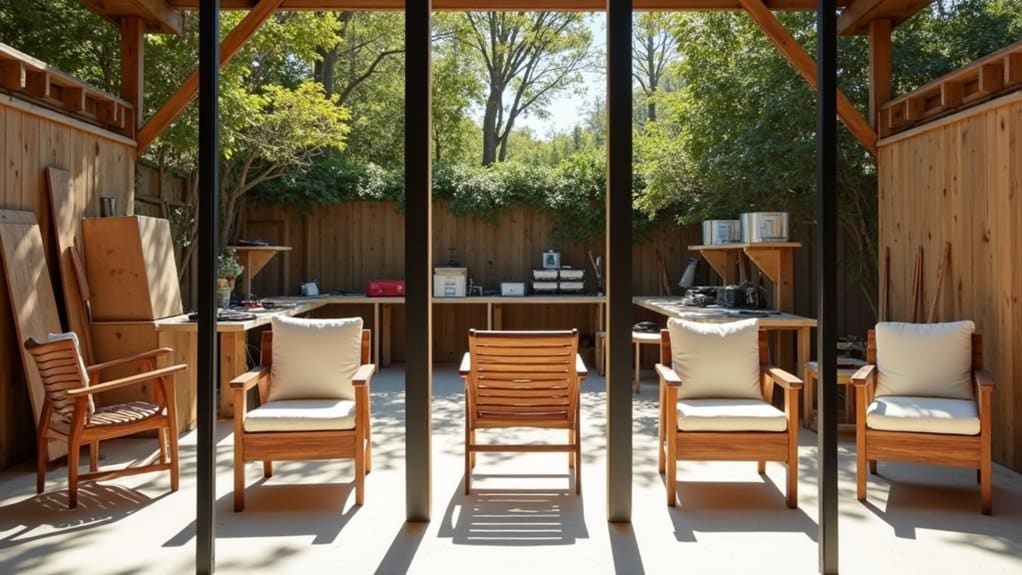
Smart design features serve as critical engineering elements that optimize outdoor furniture durability beyond basic construction methods. When you’re evaluating outdoor pieces, look for marine-grade stainless steel components and all-weather polymers that combat wear and tear effectively. These materials offer superior performance without the pros and cons associated with traditional options.
Strategic ventilation and drainage systems are essential engineering considerations you’ll want to prioritize. These features prevent moisture accumulation while promoting airflow through cushions and woven elements. You’ll benefit from modular designs that incorporate UV-stabilized finishes and rust-resistant fasteners, allowing for component replacement rather than complete set restoration. By selecting furniture with these integrated design elements, you’re investing in pieces engineered to maintain structural integrity despite challenging environmental conditions.
Implementing Essential Maintenance Protocols
Building upon these engineered design features, proper maintenance protocols directly impact the durability of outdoor furniture investments. You’ll need to make sure you’re implementing systematic cleaning schedules and protective measures for your patio furniture throughout each season.
Pay attention to material-specific requirements: pressure wash powder-coated metals quarterly, apply UV-resistant sealants to wood bi-annually, and clean fabric components with manufacturer-approved solutions monthly. In your outdoor space, position furniture on level surfaces and install protective feet to prevent structural stress. During severe weather, store items in covered areas or use fitted covers engineered for your specific pieces.
Document all maintenance procedures, including cleaning agent specifications, application methods, and timing intervals, to establish a reproducible protocol that extends furniture lifespan.
Partnering With Quality-Focused Manufacturers
When selecting outdoor furniture manufacturers, partnering with established quality-focused brands proves critical for guaranteeing product longevity and performance. Your outdoor living space deserves furniture that’s built to painstaking standards, especially for outdoor dining areas exposed to harsh elements.
Choosing well-established outdoor furniture brands ensures lasting quality and durability for your al fresco living spaces through expert craftsmanship and superior materials.
- Verify manufacturers use grade-A kiln-dried teak with proper mortise and tenon joinery for wooden pieces
- Confirm powder-coated aluminum sub-frames and UV-stabilized materials for wicker and rope furniture brands
- Research manufacturing processes to ensure meticulous careful attention to construction details
- Select reputable brands like Barlow Tyrie, Gloster, or Kingsley Bate that demonstrate proven track records
The brand of furniture you choose directly impacts durability and weather resistance. Quality-focused manufacturers implement rigorous standards throughout production, resulting in pieces that maintain structural integrity and aesthetic appeal across seasons.
Frequently Asked Questions
What Is the Most Durable Type of Outdoor Furniture?
For maximum durability, you’ll want to focus on teak or synthetic wicker furniture with weather resistant features. Teak’s natural oils make it exceptionally low maintenance, while high-quality synthetic wicker comes with UV protected finishes and corrosion resistant coatings. Both options feature powder-coated aluminum frames and marine-grade construction techniques. These materials consistently outperform other options in durability testing, especially when manufactured with welded joints and reinforced stress points.
What Material Lasts Longest for Outdoor Furniture?
For maximum longevity, you’ll find teak is your most enduring outdoor furniture material. Its natural oils provide superior weather resistant coatings that protect against environmental damage. While high-quality synthetic wicker with aluminum frames offers excellent durability, teak’s maintenance requirements are minimal compared to other materials. Your cleaning techniques can be as simple as annual soap-and-water treatments. When considering longevity considerations, teak’s 50+ year lifespan surpasses most alternatives in outdoor applications.
How to Make Furniture Suitable for Outdoors?
To make furniture suitable for outdoors, you’ll need to focus on weather-resistant construction techniques and protective treatments. Start by applying water-resistant finishes to seal the materials against moisture. Add fade-resistant coatings to prevent color deterioration, and incorporate UV-protected materials in your design. Guarantee all joints are properly sealed, use corrosion-resistant hardware, and implement proper drainage features. Don’t forget to test all materials for outdoor durability before final assembly.
Is It Better to Oil or Varnish Outdoor Furniture?
You’ll find both oil and varnish have distinct advantages for outdoor furniture. Oil penetrates deeper into wood, offering good weathering resistance with easier maintenance requirements, but you’ll need more frequent reapplication. Varnish creates a protective film with superior finish longevity and diverse color options, though it can crack and peel over time. Your best choice depends on your specific wood type and local climate conditions oils work better in high-moisture environments, while varnish excels in UV-heavy locations.