
Transform your outdoor space by following seven strategic steps that guide you from initial vision to final design. You’ll start by creating inspiration boards and analyzing your property’s natural elements like sun patterns and terrain. Next, you’ll define your style, establish functional zones, and select weather-resistant materials that align with your aesthetic. Strategic lighting and personal touches complete your design. Following this systematic approach will enable you to master every pivotal element of outdoor living design.
Unleashing Your Vision and Gathering Inspiration
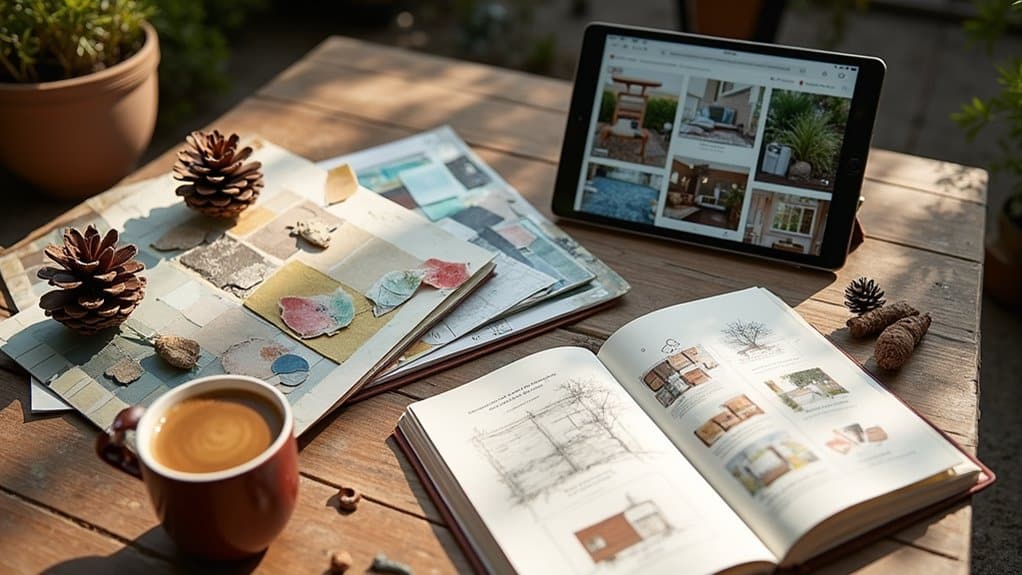
Before diving into the practical aspects of outdoor design, you’ll need to develop a clear vision of your ideal space through targeted research and inspiration gathering. Start by creating a digital inspiration board using platforms like Pinterest or Houzz, focusing specifically on outdoor living spaces that resonate with your aesthetic preferences. Document specific elements you’d like to incorporate, from furniture arrangements to lighting schemes.
Analyze how different areas flow together in your reference images, noting the spatial relationships between cooking spaces, seating zones, and connecting components. Consider documenting real-world examples by photographing outdoor spaces you encounter, paying attention to design details that could work in your setting. Don’t limit yourself to residential spaces commercial venues often showcase novel solutions that you can adapt to create your dream outdoor environment.
Evaluating Your Space and Natural Elements

Your outdoor space’s success hinges on understanding how sunlight tracks across your property throughout the day and seasons, which directly impacts plant selection and comfortable seating locations. Local weather patterns, including prevailing winds, rainfall amounts, and temperature fluctuations, will determine material choices and structural requirements for your design elements. Before adding any built features, carefully document existing natural elements like mature trees, slopes, drainage patterns, and soil conditions, as these form the foundation of your outdoor living space’s layout.
Assess Sun and Shade
When designing an outdoor living space, understanding sun and shade patterns plays a critical role in maximizing comfort and functionality throughout the year. Track the sun’s movement across your property to map out full-sun, partial-shade, and full-shade zones. Consider how the surrounding terrain, including trees and structures, affects these patterns during different seasons.
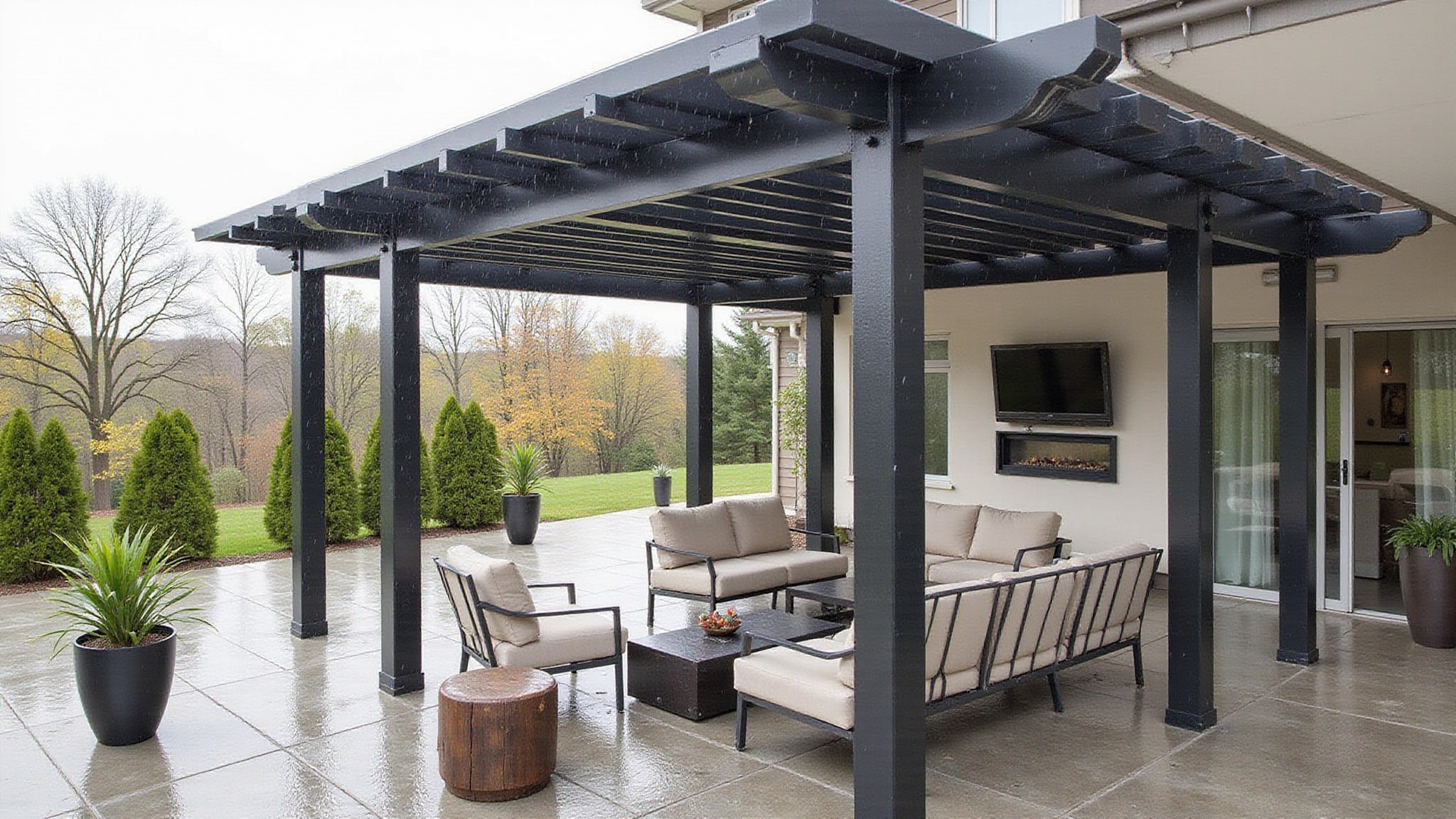
Use this analysis to strategically position key elements in your outdoor space. Place seating areas where you’ll have shade during peak afternoon hours, and situate fire pits in spots that offer protection from prevailing winds. Install shade structures like pergolas or awnings to create additional covered spaces where natural shade isn’t available. Keep in mind that deciduous trees provide cooling shade in summer while allowing warming sunlight through in winter, making them valuable assets in your design strategy.
Weather Patterns Matter
Every successful outdoor living space demands a thorough analysis of local weather patterns, which directly impact both design choices and long-term enjoyment. You’ll need to study your site’s sun exposure, prevailing winds, and precipitation patterns to make informed decisions about structure placement and material selection.
Consider how natural ventilation can work to your advantage by positioning elements to capture cooling breezes while blocking harsh winds. Select weather-resistant materials that’ll withstand your region’s specific climate challenges, from extreme temperatures to heavy rainfall. Don’t overlook your property’s topography and drainage patterns when planning hardscaping features proper water management is vital for preventing flooding and erosion. Strategically place trees and architectural elements to provide natural shade and wind protection, creating comfortable microclimates throughout your outdoor space.
Natural Features First
Before diving into design plans, conducting a thorough site analysis of existing natural features will establish the foundation for your outdoor living space. Take note of mature trees, rock formations, slopes, and drainage patterns that’ll influence your design elements. These natural elements can serve as focal points or challenges to address in your layout.
Map out sunny and shaded areas throughout the day, as this’ll determine where you’ll position garden beds, seating areas, and plant selections. Consider how strategically placed design elements can work with existing topography to create visual interest and functional zones. You’ll want to preserve beneficial features like shade trees while addressing problematic areas such as poor drainage or invasive root systems. Following these design principles guarantees your outdoor spaces will harmonize with the natural environment rather than fight against it.
Choosing Your Design Style and Color Palette
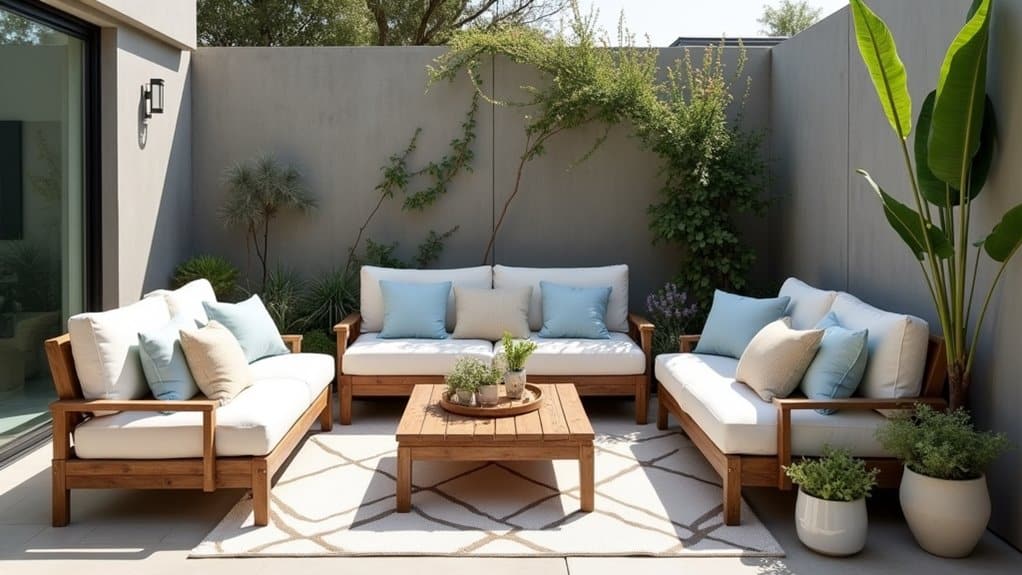
The foundation of any successful outdoor living space lies in establishing a clear design vision and thoughtful color scheme. To create a seamless and beautiful dream backyard, you’ll need to select a cohesive style that complements your home’s architecture while reflecting your personal taste. Whether you’re transforming a front porch or designing a contemporary outdoor living space, focus on weather-resistant materials that align with your chosen aesthetic.
To design your dream outdoor space effectively:
- Define your primary style direction (Mediterranean, modern minimalist, or rustic farmhouse)
- Select a color palette that harmonizes with existing architectural elements and natural surroundings
- Choose materials that both accentuate your design vision and withstand outdoor conditions (stone, synthetic composites, or weather-treated woods)
Remember that your chosen style should celebrate unique terrain features while creating a unified, sophisticated atmosphere.
Creating Functional Zones and Traffic Flow
Successfully designing functional zones begins with mapping distinct activity areas while guaranteeing smooth circulation patterns throughout your outdoor space. You’ll want to create a sense of purpose for each zone while maintaining seamless traffic flow between gathering spots.
| Zone Type | Primary Function | Design Elements |
|---|---|---|
| Dining Area | Meals & Entertainment | Tables, Lighting, Shade |
| Lounge Space | Relaxation & Conversation | Seating, Fire Pit, Privacy |
| Activity Zone | Recreation & Play | Games, Exercise Area, Storage |
When planning your multifunctional outdoor layout, maintain clear pathways between zones that seamlessly blend into one another. Position high-traffic areas near access points and ensure each distinct area has proper spacing. Consider seasonal use patterns and arrange zones to optimize comfort during different weather conditions. Keep service areas like grills or bars within easy reach of dining spaces.
Selecting Weather-Resistant Materials and Furnishings
Selecting long-lasting materials and furnishings forms the foundation of a resilient outdoor living space. When choosing durable outdoor furniture, prioritize weather-resistant materials like resin wicker, aluminum, or stainless steel to guarantee longevity. You’ll want to protect your investment with fade-resistant fabrics made from solution-dyed acrylic for cushions and umbrellas.
- Install all-weather outdoor rugs that can withstand sun exposure and precipitation while maintaining their aesthetic appeal
- Apply water-resistant sealants and protective stains to wooden elements, preventing moisture damage and structural deterioration
- Secure your outdoor furnishings with corrosion-resistant hardware to maintain stability throughout seasonal changes
Remember to examine each material’s specifications for UV protection, moisture resistance, and temperature tolerance. These technical considerations will substantially impact your outdoor space’s durability and maintenance requirements over time.
Incorporating Lighting and Ambiance Features
Beyond durable materials, proper lighting transforms your outdoor space from merely functional to alluring and usable around the clock. You’ll want to layer different outdoor lighting elements to create a warm and inviting atmosphere. Start with strategic task lighting for safety, then add ambient features to enhance your outdoor living experience.
| Zone | Lighting Type | Ambiance Effect |
|---|---|---|
| Seating | String lights | Cozy overhead glow |
| Pathways | Solar LEDs | Safe navigation |
| Dining | Lanterns | Intimate dining |
| Features | Accent spots | Highlight details |
| Fire Area | Fire pit | Natural warmth |
Incorporate adjustable controls to customize the mood for any occasion. Combine solar-powered options with traditional fixtures to guarantee reliable illumination while maintaining energy efficiency. Position lights at varying heights around comfortable furniture to create depth and visual interest throughout your outdoor areas.
Adding Personal Touches and Finishing Details
Once you’ve established the foundational elements of your outdoor space, it’s time to layer in distinctive personal touches that’ll transform the area into a true reflection of your style. During the warmer months, consider incorporating unique decor elements and functional accessories that create inviting focal points while maximizing your living space’s character.
- Position weather-resistant textiles strategically – layer plush throw pillows, cozy blankets, and outdoor rugs to define distinct zones and augment comfort
- Showcase curated accessories – integrate outdoor sculptures, artisanal vases, and personalized address plaques to establish visual hierarchy
- Implement custom elements – transform your outdoor area with DIY projects, upcycled furniture pieces, and locally sourced decor that reflect your personal aesthetic
Consider incorporating meaningful objects and cherished garden tools to further amplify the space’s authenticity and functionality.
Frequently Asked Questions
How to Design Your Room Step by Step?
Start with layout planning by measuring your room’s dimensions and sketching potential furniture arrangements. Define your color scheme selection by choosing a primary color and two complementary shades. Consider furniture placement that optimizes flow and functionality. Integrate lighting at three levels: ambient, task, and accent. Add texture incorporation through textiles and materials. Implement smart storage solutions to minimize clutter. Ultimately, complete your space with carefully curated accessory selection that reflects your style.
How to Design a Backyard for Beginners?
Start your backyard design with landscape planning by mapping out distinct zones for activities. Create a detailed patio layout that’ll optimize your space utilization. Focus on garden design by selecting plants suited to your climate and maintenance level. Consider backyard zoning for entertainment, relaxation, and dining areas. Make smart outdoor furniture selections based on durability and style. Don’t forget to plan lighting installation and irrigation systems early to guarantee proper functionality throughout your space.
How to Create a Cozy Outdoor Area?
To create a cozy ambiance in your outdoor area, start by arranging comfortable seating in intimate conversation clusters. Layer your space with inviting textures through plush cushions and throws. Select ambient lighting with string lights and lanterns for a warm glow. Arrange lush greenery in strategic spots to create natural privacy screens. Add a soothing water feature for calming background sounds. Incorporate personal style elements through decorative pillows and outdoor rugs that reflect your taste.
How to Design a Room in 10 Steps?
Start with layout planning by measuring your space and sketching furniture arrangement options. Choose your color scheme to set the room’s mood, then select anchor furniture pieces that match your style. Add proper lighting selection, combining ambient, task, and accent fixtures. Install window treatments for privacy and light control. Incorporate smart storage solutions throughout. Ultimately, coordinate textiles like rugs, pillows, and upholstery to tie the design together.