

Design your perfect outdoor kitchen by strategically mapping out distinct zones for cooking, prep, and storage while prioritizing traffic flow and utility connections. You’ll need weather-resistant materials like granite or stainless steel for durability, plus smart-enabled appliances for seamless control. Consider multi-zone grills, ample counter space, and weather-tight storage solutions to protect your investment. Proper planning of these essential elements will transform your backyard into a sophisticated culinary destination. Uncover how each component works together to enhance your outdoor entertaining experience.
Essential Planning and Layout Considerations
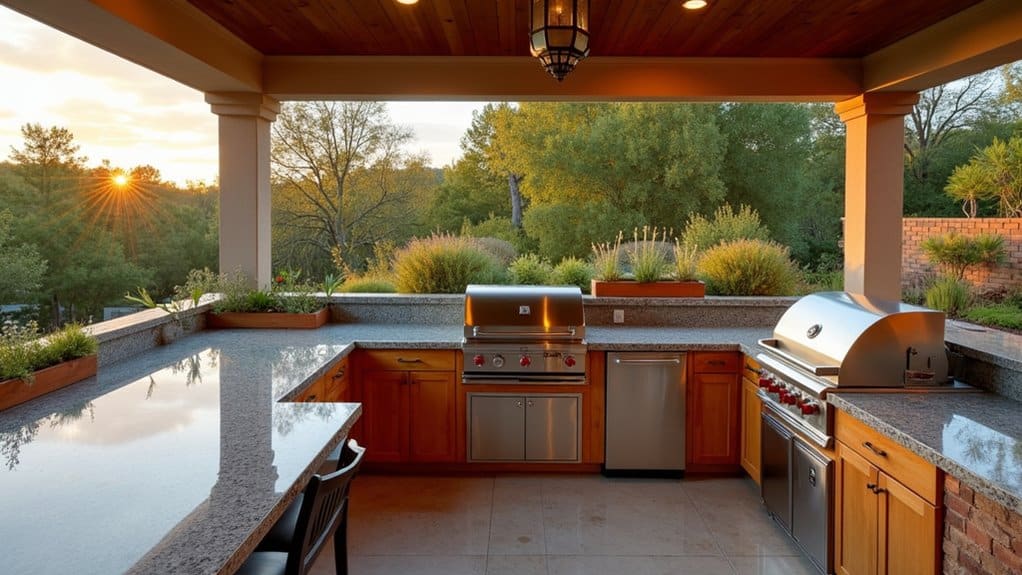
Where you position each element in your outdoor kitchen can make or break its functionality. To transform your backyard into an efficient outdoor living space, start by mapping out your cooking, prep, and storage zones. Consider traffic flow and how you’ll move between these areas while entertaining.
Your backyard kitchen layout should account for utility requirements, including gas, water, and electrical connections. Factor in local permit requirements and whether you’ll need professional installation for these elements. If you’re planning a DIY outdoor kitchen design, guarantee you have the necessary construction skills to execute the project safely and effectively.
When budgeting, prioritize essential components that will make your space functional before adding luxury features. Remember to leave adequate counter space between appliances and include proper ventilation around cooking areas.
Material Selection and Weather Resistance
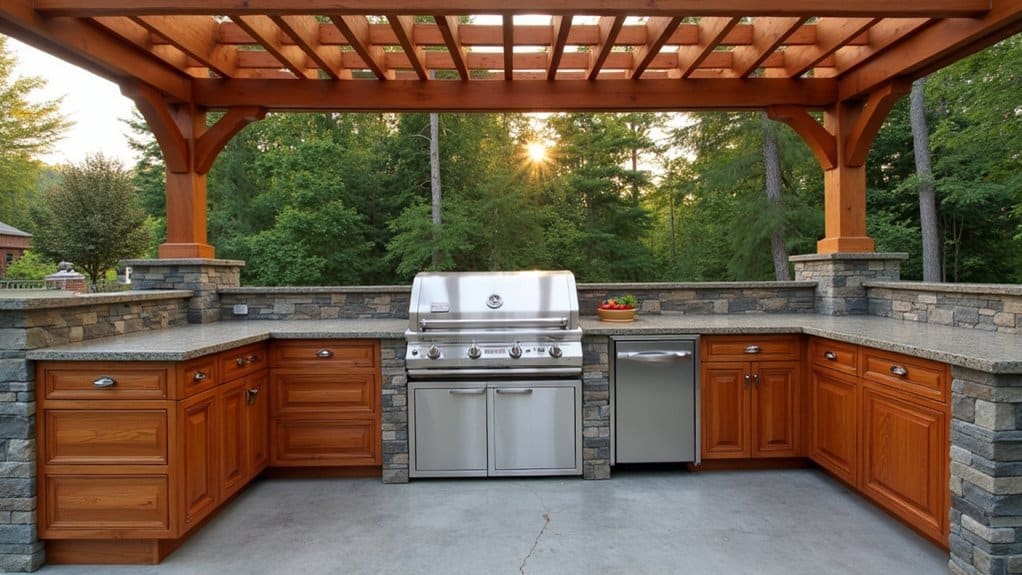
When you’re selecting materials for your outdoor kitchen, weather-resistant stone options like granite and concrete provide exceptional durability against harsh environmental conditions while maintaining their aesthetic appeal. You’ll find that stainless steel and specialized outdoor-grade metals offer superior rust resistance and longevity for your appliances and cabinetry, particularly in coastal or high-humidity environments. Your material choices must prioritize weather resistance while creating a cohesive design, as these elements will face constant exposure to sun, rain, and temperature fluctuations.
Weather-Tough Stone Options
Selecting weather-resistant stone for your outdoor kitchen requires careful consideration of durability, maintenance, and climate exposure. Your design choices should focus on materials that withstand nature’s elements while maintaining their aesthetic appeal.
| Stone Type | Weather Resistance | Maintenance Level |
|---|---|---|
| Granite | Excellent | Moderate |
| Quartz | Superior | Low |
| Soapstone | Very High | Low |
| Porcelain | High | Minimal |
| Travertine | Good | Moderate |
When designing your outdoor kitchen, you’ll find that each stone option offers unique advantages. Granite delivers natural beauty with impressive durability, while quartz provides superior UV resistance. Soapstone’s non-porous nature makes it ideal for wet climates, and porcelain’s versatility suits various design styles. Travertine adds Mediterranean charm while maintaining structural integrity. Consider your local climate patterns and exposure levels when selecting your countertop material to guarantee long-lasting performance.
Rust-Free Metal Choices
Beyond stone surfaces, the strategic choice of metals in your outdoor kitchen determines its longevity and performance against the elements. When selecting materials, stainless steel stands as your primary defense against corrosion, offering minimal maintenance requirements and contemporary aesthetics that complement any design scheme.
For a lightweight alternative, consider aluminum’s versatility with its powder-coating options and natural resistance to weathering. If you’re working within a budget, galvanized steel provides reliable protection through its protective zinc layer. Those seeking distinctive character might opt for weathered steel, which develops a self-protecting patina that adds industrial charm. While copper and brass introduce warm metallic accents, they’ll require your ongoing attention to maintain their appearance. Each metal choice shapes but also your kitchen’s durability its visual impact in your outdoor space.
Premium Appliance Integration
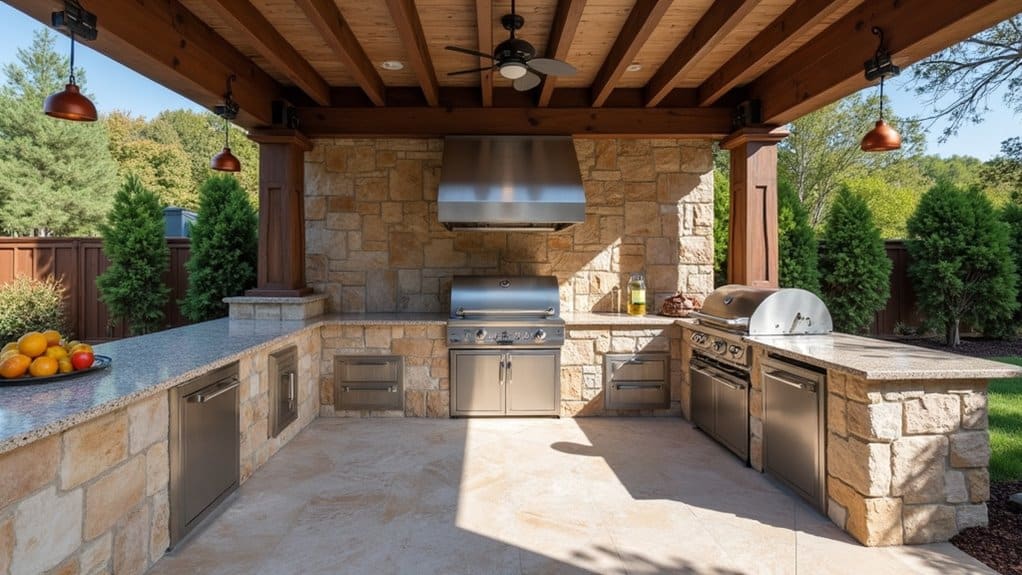
Your outdoor kitchen’s performance hinges on selecting the right premium grill with features like multi-zone temperature control, infrared searing capabilities, and rotisserie systems that align with your cooking style. Modern smart technology integration, including WiFi-enabled temperature monitoring and automated fuel management systems, transforms your outdoor cooking space into a precise culinary control center. Strategic placement of multiple cooking zones, from high-BTU power burners to low-temperature smoking areas, creates an efficient workflow that mirrors professional kitchen functionality.
Luxury Grill Selection Guide
When designing a premium outdoor kitchen, the centerpiece grill must seamlessly integrate with complementary appliances while delivering professional-grade cooking performance. Your selection should prioritize stainless steel construction and advanced features that improve both functionality and durability.
Consider these essential factors when choosing your luxury grill:
- BTU output capacity between 30,000-100,000 BTUs, guaranteeing sufficient power for diverse cooking techniques from high-heat searing to low-and-slow smoking
- Smart features including digital temperature displays, push-button ignition, and programmable controls for precise cooking management
- Customizable configurations with infrared burners, rotisserie kits, and built-in smoker boxes that adapt to your specific cooking style and space requirements
Select brands like Weber, Napoleon, or Broil King to guarantee lasting quality and excellent performance in your outdoor cooking environment.
Smart Technology Features Explained
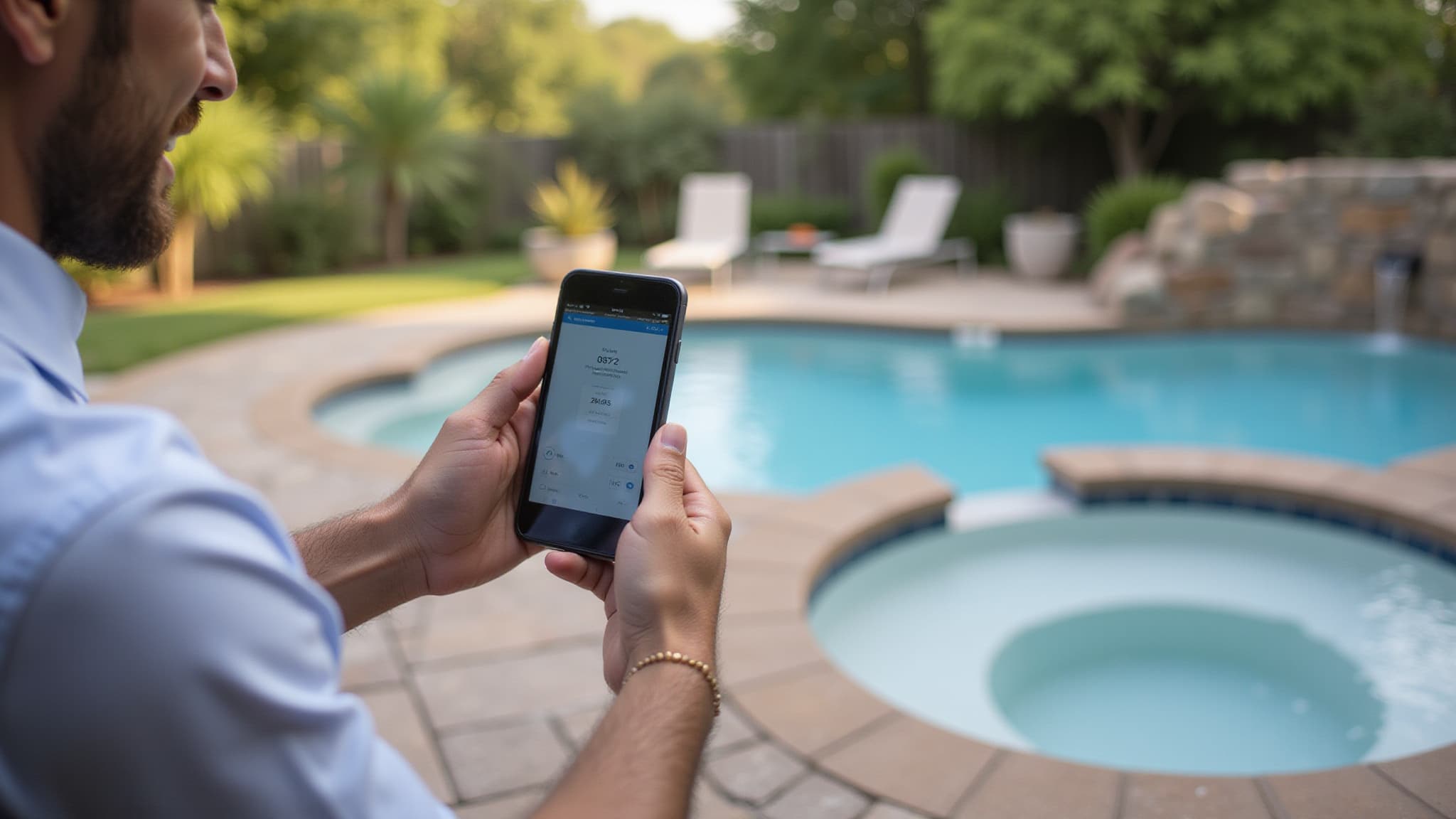
Three core smart technologies transform modern outdoor kitchens into sophisticated cooking command centers. Initially, Bluetooth and Wi-Fi-enabled appliances let you monitor temperatures, adjust settings, and receive notifications directly on your smartphone. Second, voice control integration enables hands-free operation of lighting, cabinets, and cooking equipment while you’re preparing meals or entertaining guests.
The third essential component is smart home technology that seamlessly connects your outdoor kitchen to your home’s primary systems. This integration synchronizes climate controls, security features, and entertainment elements to create a cohesive connected outdoor experience. Your premium appliances communicate with a central hub, allowing you to orchestrate everything from grill temperatures to ambient lighting through a single interface, maximizing both functionality and convenience in your outdoor cooking space.
Multi-Zone Cooking Solutions
Modern outdoor kitchens expand beyond single-appliance setups through strategically designed multi-zone cooking configurations. When planning your chef-grade outdoor kitchen, consider integrating multiple cooking stations that optimize functionality and workflow efficiency.
Professional designers can help you design grill islands that incorporate:
- Premium cooking zones featuring weather-resistant stainless steel appliances, including high-BTU grills, smokers, and specialized side burners
- Temperature-controlled storage solutions with built-in refrigerators and wine coolers strategically positioned for easy access
- Dedicated preparation and serving areas equipped with weather-resistant countertops and storage compartments
Storage Solutions and Counter Space
Creating a well-organized outdoor kitchen requires thoughtful integration of storage solutions and counter space to optimize functionality. When planning your dream outdoor kitchen, you’ll need weather-resistant cabinets and drawers to protect your outdoor kitchen appliances and accessories from the elements. Guarantee your backyard cooking space by incorporating ample countertops made from durable materials like granite, concrete, or stainless steel.
Your kitchen planning should focus on strategic placement of storage components. Install drawers and shelves at convenient heights and locations to facilitate easy access to cooking utensils, serving ware, and grilling tools. Consider how you’ll use the counter space for food prep and serving during gatherings. The right combination of storage and work surfaces will transform your outdoor kitchen into an efficient cooking and entertaining zone that’s both organized and clutter-free.
Creating Seamless Indoor-Outdoor Flow
A thoughtfully designed outdoor kitchen should harmonize with your home’s interior spaces, establishing a natural flow that improves both aesthetics and functionality. To guarantee everything blends seamlessly, consider positioning your outdoor kitchen close to its indoor counterpart, enabling efficient movement between both spaces during meal preparation and entertaining.
Create visual continuity by:
- Selecting matching materials and color schemes that echo your home’s interior design elements
- Installing sliding glass doors or retractable walls to physically connect indoor and outdoor cooking zones
- Aligning the outdoor kitchen’s workflow and appliance layout to complement your indoor kitchen’s configuration
This integrated approach transforms your outdoor kitchen from a standalone feature into an organic extension of your living space, maximizing both its utility and your home’s spatial dynamics.
Lighting and Ambiance Elements
Just as indoor-outdoor flow shapes your kitchen’s functionality during daylight hours, thoughtful lighting design determines how effectively you’ll use the space after sunset. Your outdoor kitchen’s success depends on strategic illumination layers that optimize both form and function.
Install dimmable LED recessed lighting above prep zones and cooking stations to guarantee precise task visibility. You’ll want weatherproof landscape fixtures to highlight architectural elements while pendant lights and strategically placed can lights create depth and visual interest. String lights can transform your dining area into an intimate gathering space, while path lighting guides guests safely through the environment.
Professional Installation Vs DIY Approach
While the allure of DIY outdoor kitchen construction may tempt cost-conscious homeowners, carefully weighing the trade-offs between professional installation and self-construction will determine your project’s final, conclusive, or definitive success.
A thorough cost benefit analysis reveals three critical considerations:
- Professional installation guarantees code compliance and expert craftsmanship but comes with higher upfront costs
- DIY approaches offer significant savings and customization flexibility but require substantial time investment and technical knowledge
- Complex installations involving gas lines, electrical work, and structural modifications typically warrant professional expertise for safety and longevity
Your decision should align with your skill level, project complexity, and budget constraints. Consider professional installation for intricate designs requiring specialized tools and permits, while simpler layouts might suit a DIY approach if you’re technically inclined and willing to invest time in proper execution.
Maximizing Entertainment Value
Creating an outdoor kitchen that amplifies entertainment value requires strategic spatial planning and thoughtful integration with your existing terrain. Position your cooking area near primary gathering spaces to establish natural traffic flow between indoor and outdoor zones, promoting social cohesion among guests.
Maximize functionality by incorporating built-in seating arrangements and ample counter space around weather-resistant appliances. Your layout should encourage interactive cooking while guests gather comfortably at the bar or adjacent seating areas. Install task lighting above cooking surfaces and ambient fixtures throughout the space to extend evening entertainment possibilities.
Consider your home’s architectural elements when selecting materials and design features. By harmonizing your outdoor kitchen with existing structures and landscaping, you’ll create a seamless entertainment space that feels like a natural extension of your home’s living areas.
Frequently Asked Questions
How Do I Plan My Outdoor Kitchen?
Start by mapping your layout considerations, ensuring you’ve got adequate space for cooking zones and guest flow. You’ll want to position your grill away from high-traffic areas and consider wind direction to prevent smoke issues. Factor in utilities like water, gas, and electrical lines early in your planning. Don’t forget to measure clearances for appliances and create dedicated prep, cooking, and serving areas that work together efficiently.
Is There an App That Lets Me Design My Kitchen?
Yes, you can use RTA Outdoor Living’s Design Tool to create your ideal kitchen layout with 3D visualization capabilities. You’ll access this browser-based tool through their 1-800 number, where you can customize every aspect of your space. The tool helps you optimize spatial flow, select materials, and visualize your design from multiple angles. You’ll receive expert guidance throughout the process, ensuring your kitchen layout boosts both functionality and aesthetics.
What Is the Average Cost to Build an Outdoor Kitchen?
You’ll find that outdoor kitchen costs typically range from $4,000 to $20,000, with several cost considerations affecting the final price. You’re looking at $120-$280 per square foot for installation. Basic setups with a grill and minimal counter space start at $4,000, while high-end designs featuring built-in appliances, premium materials, and infrastructure work can exceed $20,000. Your specific cost will depend on size, appliance choices, and whether you’ll need plumbing or electrical work.
What Is the Best Color for an Outdoor Kitchen?
You’ll find that neutral tones are your safest and most versatile choice for an outdoor kitchen. They’ll naturally complement your home’s architecture while providing a timeless aesthetic that won’t fade from style. Consider stainless steel appliances paired with natural stone countertops in earth-toned hues. These materials won’t just look sophisticated; they’ll also weather environmental conditions better and maintain their appearance longer. You can always add personality through replaceable accent pieces.