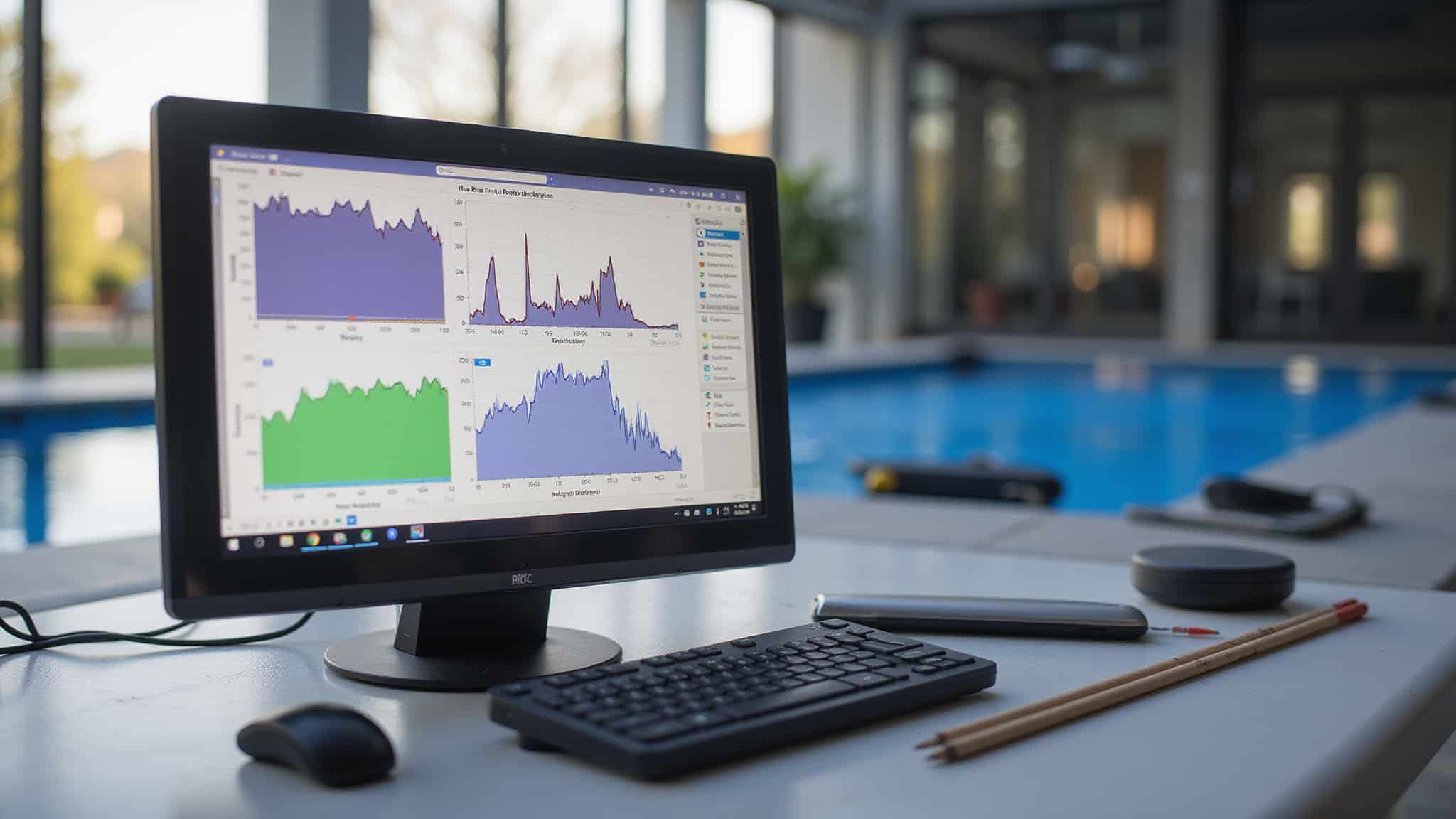
Yes, smart irrigation systems actually save you water. Controlled studies report 15% to 40% savings, while broader reviews show ranges from 6% to 92% depending on your sensors, climate, and current watering habits. If you’re overwatering now, you’ll save even more, modest users see around 15%, while excessive irrigators can exceed 40%. Typical households cut roughly 7,600 gallons yearly. Your actual results hinge on a few key factors worth understanding first.
Key Takeaways
- Yes, smart irrigation systems save water, with controlled studies reporting 15% to 40% savings and broader reviews showing 6% to 92%.
- Typical households save around 7,600 gallons annually, while rain-sensor sites cut over 20,000 gallons per year.
- Sensor type drives results: soil moisture sensors save 20% to 92%, evapotranspiration controllers 20% to 71%, and rain sensors 7% to 50%.
- Savings depend heavily on user behavior, with modest 15% reductions for average users but over 40% for excessive irrigators.
- Investment typically pays for itself within 1 to 3 years through lower water bills and reduced pumping energy.
Do smart irrigation systems save water
Yes, smart irrigation systems save water, and the evidence is substantial. Controlled studies and literature reviews report savings ranging from 15% to 40%, while broader reviews span 6% to 92% depending on device type, climate, and user behavior. So do smart sprinklers save water? The data says yes. IoT-based systems have delivered 35% reductions compared with traditional methods, and one review found 15% savings among general users and over 40% among excessive irrigators.
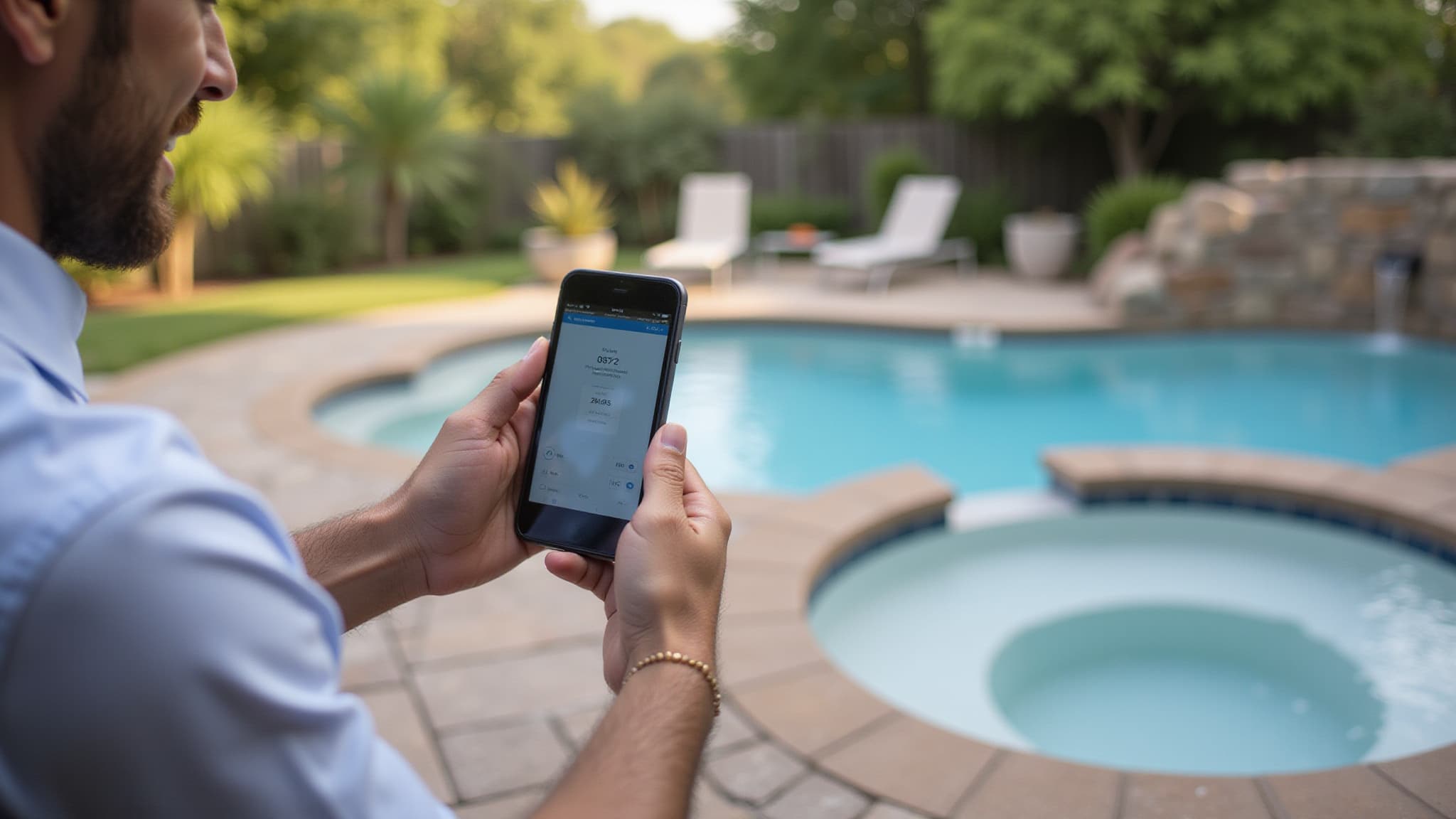
Smart irrigation adjusts watering using weather data, soil moisture, evapotranspiration, and automation, matching runtimes to actual landscape needs. A review of 80 residential studies confirmed that smart irrigation systems consistently reduce water demand. Your results depend on prior efficiency, but the measured savings across settings are clear and repeatable. Smart pool monitor technology advantages are becoming increasingly evident as more homeowners seek efficient management solutions. These systems not only enhance water conservation but also allow for real-time monitoring of chemical balances and temperature.
How does a smart irrigation system work
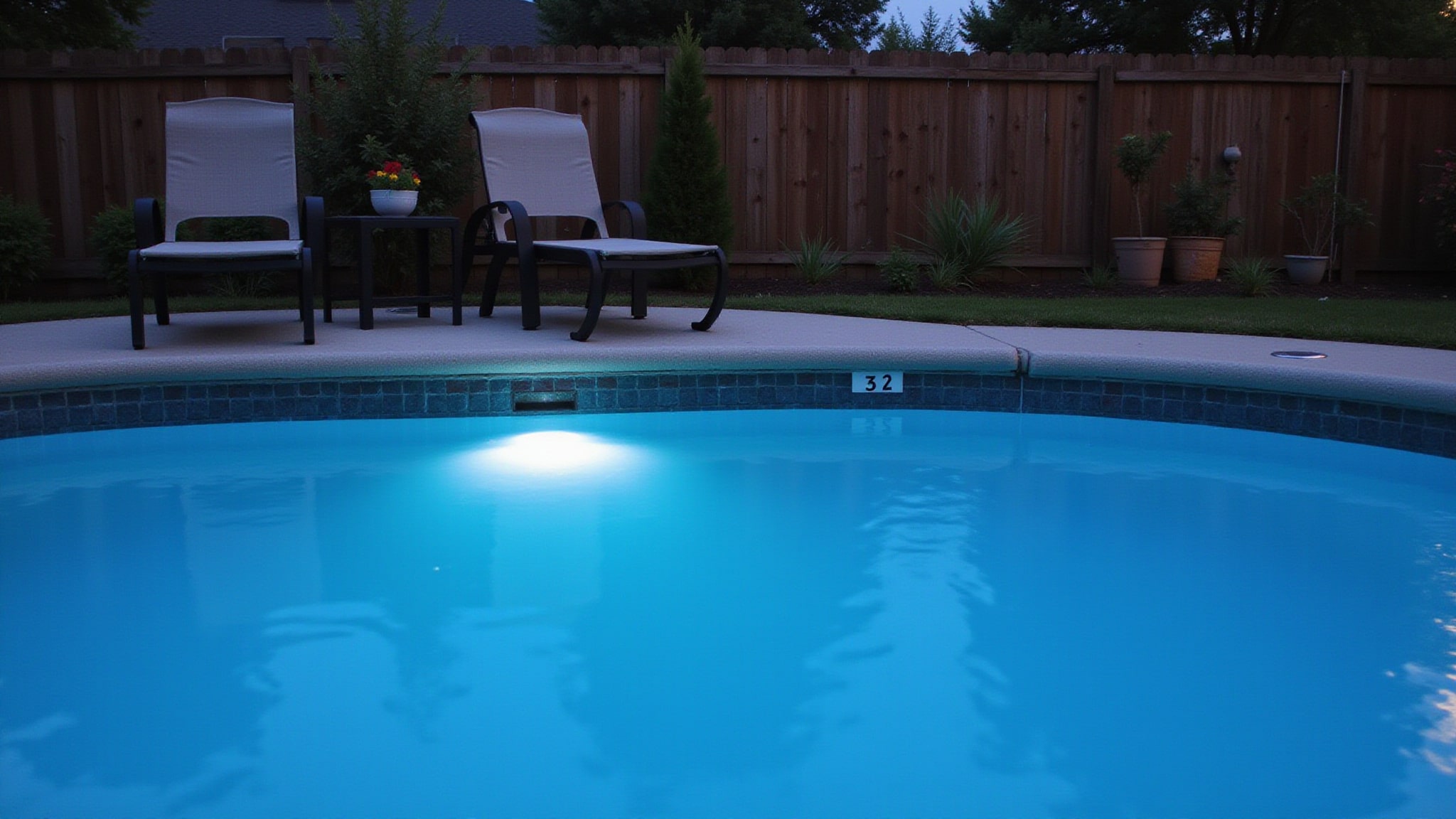
A smart irrigation system works by pulling four data inputs, weather data, soil moisture, evapotranspiration, and automation, and using them to adjust watering schedules and runtimes to your landscape’s actual needs. Your smart sprinkler system reads soil moisture sensors, which reviews report save 20% to 92%, and evapotranspiration controllers, saving 20% to 71%. Rain sensors add 7% to 50% by pausing runtimes during precipitation. Setting up smart pool illumination can further enhance the automation within your outdoor spaces. This technology allows for personalized lighting schedules that can adapt to various occasions, ensuring your pool is always perfectly illuminated.
The automation layer updates schedules dynamically instead of running fixed timers, so you’re only applying water when data confirms it’s needed. That’s what makes it water-saving irrigation.
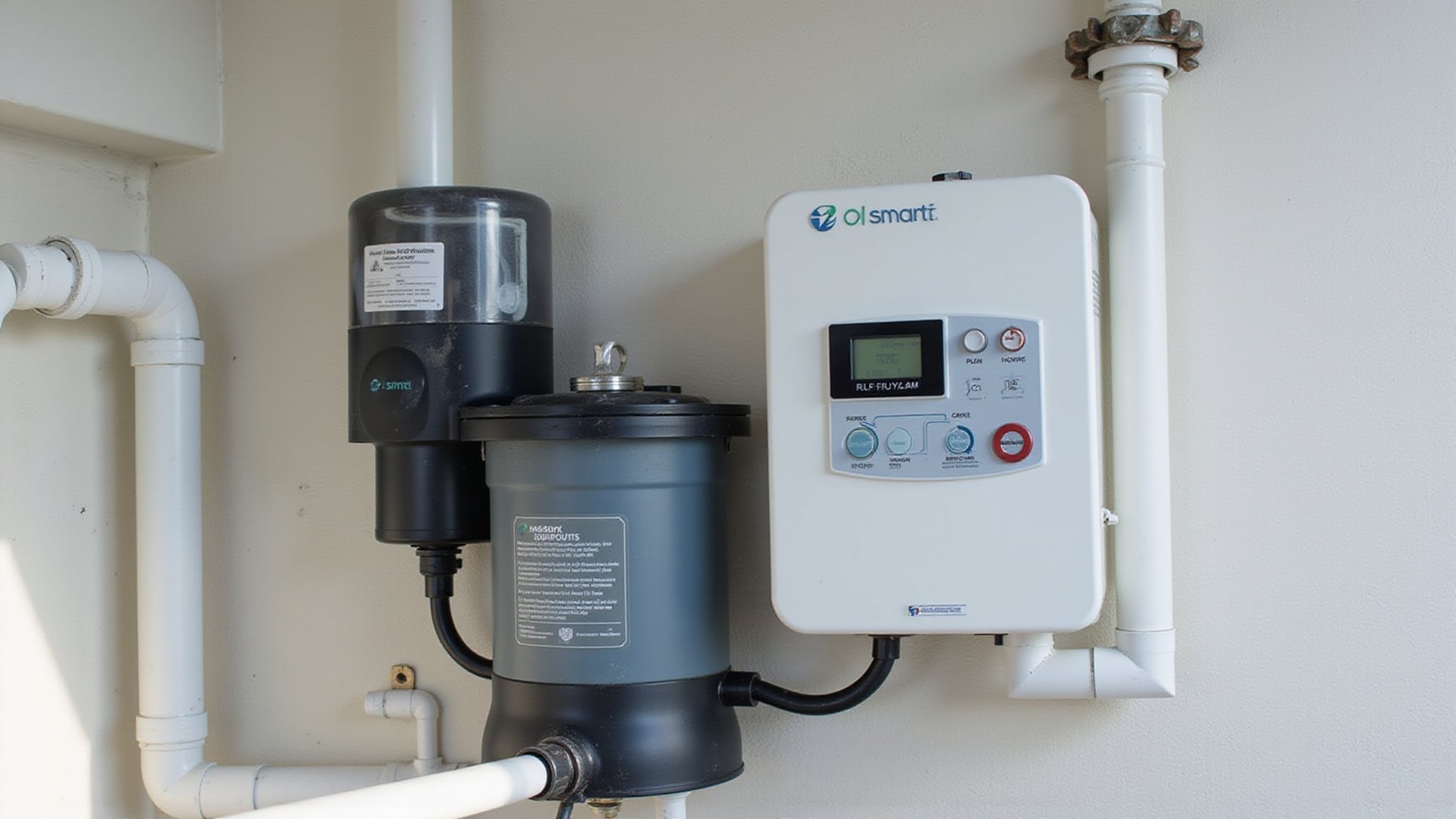
Leak detection and automatic shutoff extend the value, cutting zones after a break. Properly programmed, this technical approach delivers documented savings ranging from 15% to 40% across many settings.
How do smart irrigation systems save water
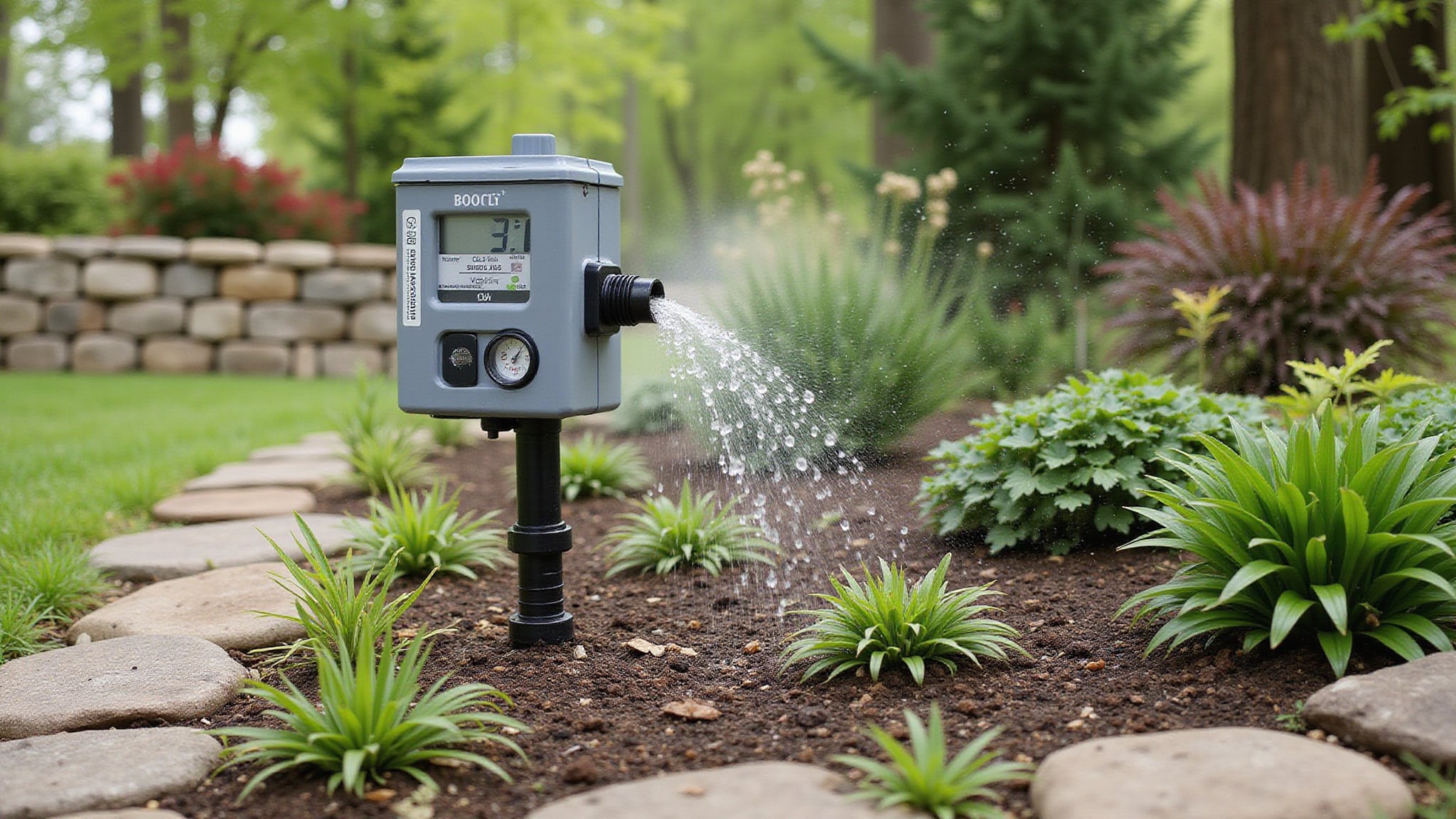
Smart systems cut waste by matching water delivery to actual landscape needs, using weather data, soil moisture, and evapotranspiration to eliminate overwatering. Controlled studies report savings of 15% to 40%, while broader reviews document a range of 6% to 92%, depending on your climate, controller type, and how much you were overwatering before.
The biggest gains come from three mechanisms:
- Sensor-driven scheduling: Soil moisture controllers save 20% to 92%; ET controllers save 20% to 71%.
- Weather adjustments: Rain sensors halt unnecessary cycles, saving 7% to 50%.
- Leak detection: Flow monitoring shuts down zones after breaks, cutting avoidable losses.
If you’re already irrigating efficiently, expect modest savings; excessive irrigators often exceed 40%.
How much water and money can they save
You can save around 7,600 gallons per year on typical households, and rain-sensor sites have cut 20,735 gallons annually per site. Controlled studies report average savings of 50%, while field case studies average 30%. These reductions translate directly into lower water bills and reduced pumping energy, and you’ll typically recover your investment within 1 to 3 years.
| Technology | Reported Savings | Annual Gallons |
|---|---|---|
| Soil moisture sensors | 20%, 92% | 66.2% reduction (AR) |
| ET controllers | 20%, 71% | 30%+ typical |
| Rain sensors | 7%, 50% | 20,735 per site |
| Weather-based | 15% | 16% outdoor avg |
With savings compounding each season, the payback is both measurable and predictable.
What features affect water savings
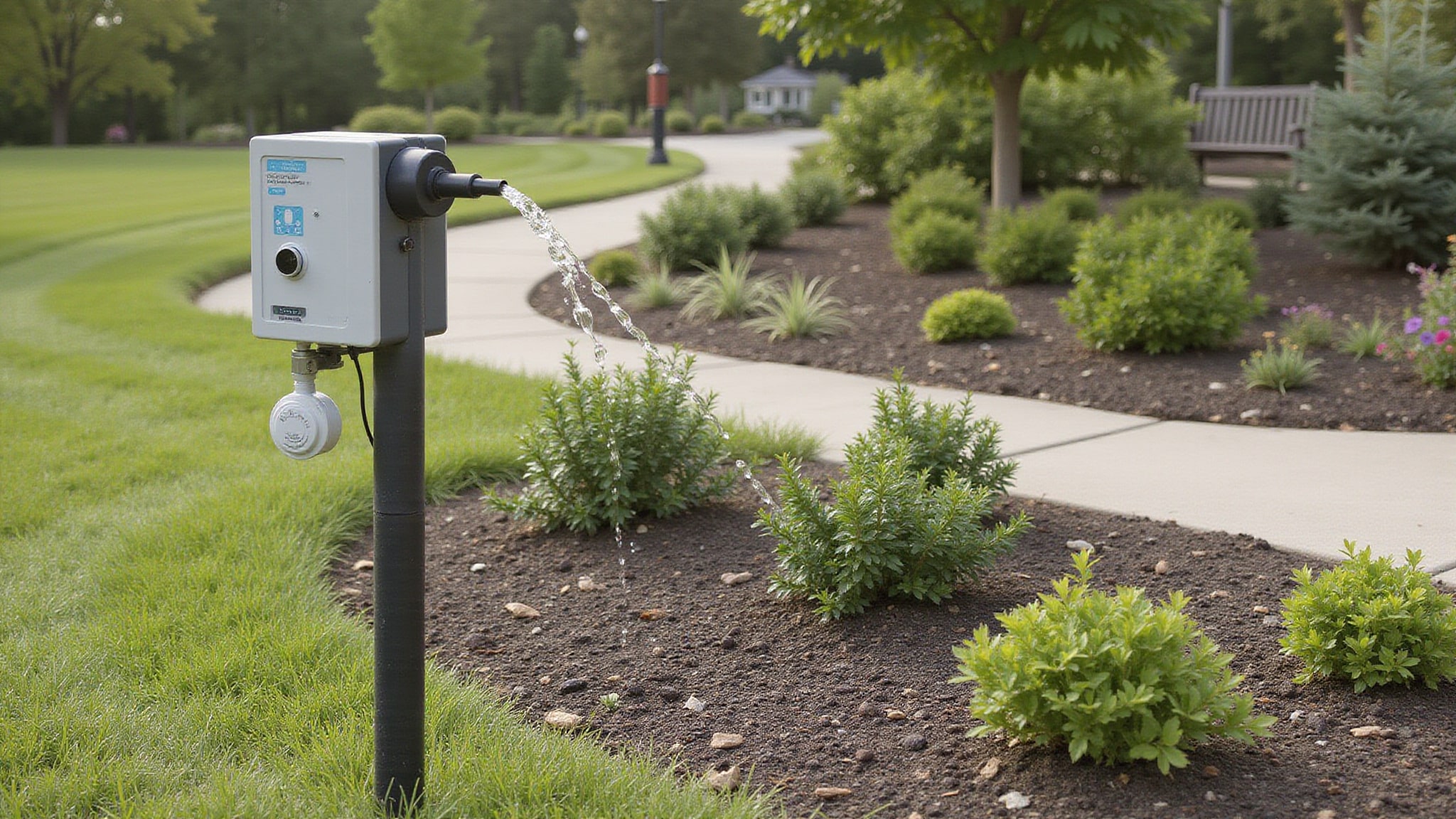
Several features affect water savings, starting with the sensor type driving your system, and the data proves it. Soil moisture sensors consistently lead the field, with reviews reporting 20% to 92% savings and the DOE citing 38%. Evapotranspiration controllers follow at 20% to 71%, while rain sensors trail at 7% to 50%. But sensor choice isn’t the only variable affecting your results:
- Programming accuracy: Properly tuned schedules and updated runtimes maximize savings; poorly configured controllers waste that potential.
- Leak detection and flow measurement: Automatic shutoff features catch breaks and malfunctions, cutting losses beyond scheduling gains.
- Your baseline habits: If you already irrigate efficiently, expect modest 15% savings; excessive irrigators often exceed 40%.
Climate, plant type, and system size shape your outcomes too.
Are smart irrigation systems worth the cost
Smart irrigation systems are worth the cost, and the numbers back it up. Most installations reach return on investment within about 1 to 3 years, driven by consistent reductions in water demand. You’re looking at household savings averaging around 7,600 gallons per year, with some smart controllers cutting outdoor use substantially more. Field data shows rain-sensor sites saving 20,735 gallons annually per site versus 10,071 for traditional controllers, a measurable gap that compounds over time. Beyond water, you’ll trim energy costs tied to pumping and reduce leak-related damage through flow measurement and automatic shutoff. If your system was previously overwatering, your payback accelerates further, since higher baseline waste means larger, faster savings on every billing cycle.
How do you choose a smart irrigation system
Choose a smart irrigation system by matching the controller technology to your landscape’s baseline waste, since savings vary widely by device type. If you’re overwatering heavily, soil moisture sensor controllers deliver the strongest returns, with reviews reporting 20% to 92% savings and DOE citing 38%. Evapotranspiration controllers save 20% to 71%, and rain sensors save 7% to 50%. Weigh your climate, plant type, system size, and how often you’ll reprogram schedules.
- Soil moisture sensors: Best for excessive irrigators; one three-year study reported 66.2% reductions.
- ET controllers: Adjust runtimes to evapotranspiration; DOE cites 15% savings.
- Rain sensors: Low-cost baseline; one review found 22.1% annual reductions.
Prioritize leak detection and automatic shutoff to capture savings beyond scheduling.
Conclusion
Smart irrigation systems do genuinely save water, often 15 to 40 percent and more, by watering based on real soil moisture, weather, and evapotranspiration rather than a fixed timer. The savings are real when the system is set up and tuned correctly, which is where the payback comes from. Innovative Outdoor Living installs and programs smart irrigation as part of its landscapes, so a yard stays healthy on far less water and the controller does the thinking.
Automate Your Backyard the Smart Way
Smart pool systems transform how you enjoy your backyard, giving you full control right from your phone. At Innovative Outdoor Living in Palm Beach Gardens, FL, our experienced team provides trusted Smart Backyard Pool Control Systems with expert setup and premium technology. Call +1 (561) 594-1495 today and start your smart backyard project.
Frequently Asked Questions
Can Smart Irrigation Systems Be Installed on Existing Sprinkler Setups?
Yes, most existing sprinkler setups can be retrofitted with smart irrigation technology. It usually means swapping the traditional controller for a weather-based or ET controller, then adding soil moisture or rain sensors to the current zones. These upgrades use weather data, soil moisture, and evapotranspiration to cut water use by 15 to 40 percent. With proper programming, the investment often pays back within about one to three years.
Do Smart Irrigation Controllers Work Without a Wi-Fi Connection?
Many do. Soil moisture sensor controllers, which studies report saving 20 to 92 percent, rely on in-ground data rather than internet connectivity. Rain sensors, saving 7 to 50 percent, also work locally, and even ET-based systems can run on onboard programming. The U.S. Department of Energy cites around 38 percent savings for soil moisture sensors, so meaningful results are possible without Wi-Fi, though remote app control does need a connection.
How Often Do Smart Irrigation Sensors Need to Be Replaced?
Most smart irrigation sensors last several years, with soil moisture and rain sensors typically going about 5 to 10 years and controllers often longer, depending on climate exposure and quality. Batteries in wireless sensors need replacing more often, usually every year or two. Because savings depend on the sensors working accurately, periodic checking and calibration matter as much as the replacement interval, and a sensor giving odd readings is worth swapping promptly.
Are Smart Irrigation Systems Difficult to Maintain Over Time?
Not overly, but they do need attention. Updating schedules, reprogramming controllers, and checking sensors periodically is what sustains the savings, since performance improves when systems stay properly programmed and current. Soil moisture and ET controllers deliver their 20 to 92 percent savings only when tuned. Keeping an eye on leak detection and auto-shutoff features, and refreshing schedules seasonally, keeps the system efficient.
Can I Control My Smart Irrigation System Remotely From My Phone?
Yes, most smart irrigation systems offer remote phone control. They use automation and real-time weather data to adjust watering, and mobile access allows tweaking runtimes, monitoring soil moisture, and responding to conditions on the spot. Leak detection and automatic shutoff alerts flag malfunctions quickly. That remote oversight helps cut waste and supports the documented 15 to 40 percent water savings these controllers deliver.