
Smart pool monitors automate 12 to 24 tests daily, tracking free chlorine, pH, and temperature with digital trend history and app-based recommendations. You’ll catch chemistry drift early through repeated measurement. Manual testing, via strips or liquid titration, gives you a single snapshot, and strips rank as the least accurate method. Expect $200, $500+ hardware plus $50, $100+ yearly consumables for smart units, versus reagents-only costs manually. Your choice hinges on budget, pool type, and effort tolerance, which we’ll break down next.
Key Takeaways
- Smart monitors automate 12 to 24 tests daily with app-based trends, while manual testing provides a single snapshot per sample.
- Smart monitors measure free chlorine, pH, and temperature; some track alkalinity, cyanuric acid, calcium hardness, and salt.
- Manual testing uses test strips or liquid-reagent titration, and remains necessary for cyanuric acid, calcium hardness, and salt.
- Smart monitors deliver digital, drift-aware accuracy, whereas test strips are the least accurate due to subjective color matching.
- Smart monitors cost $200, $500+ upfront plus $50, $100+ yearly consumables, while manual testing limits costs to reagents only.
Smart Pool Monitor vs Manual Testing Compared
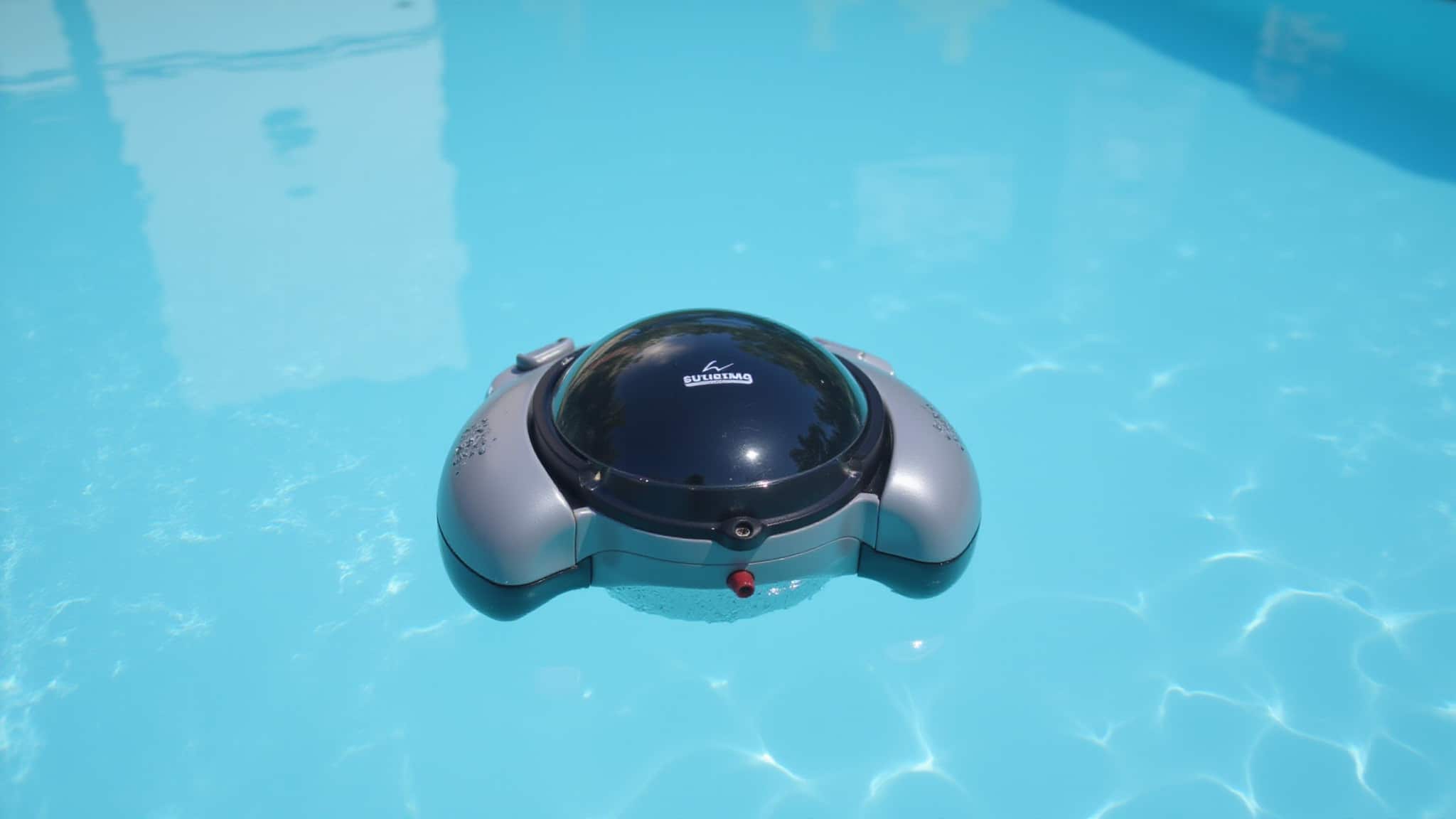
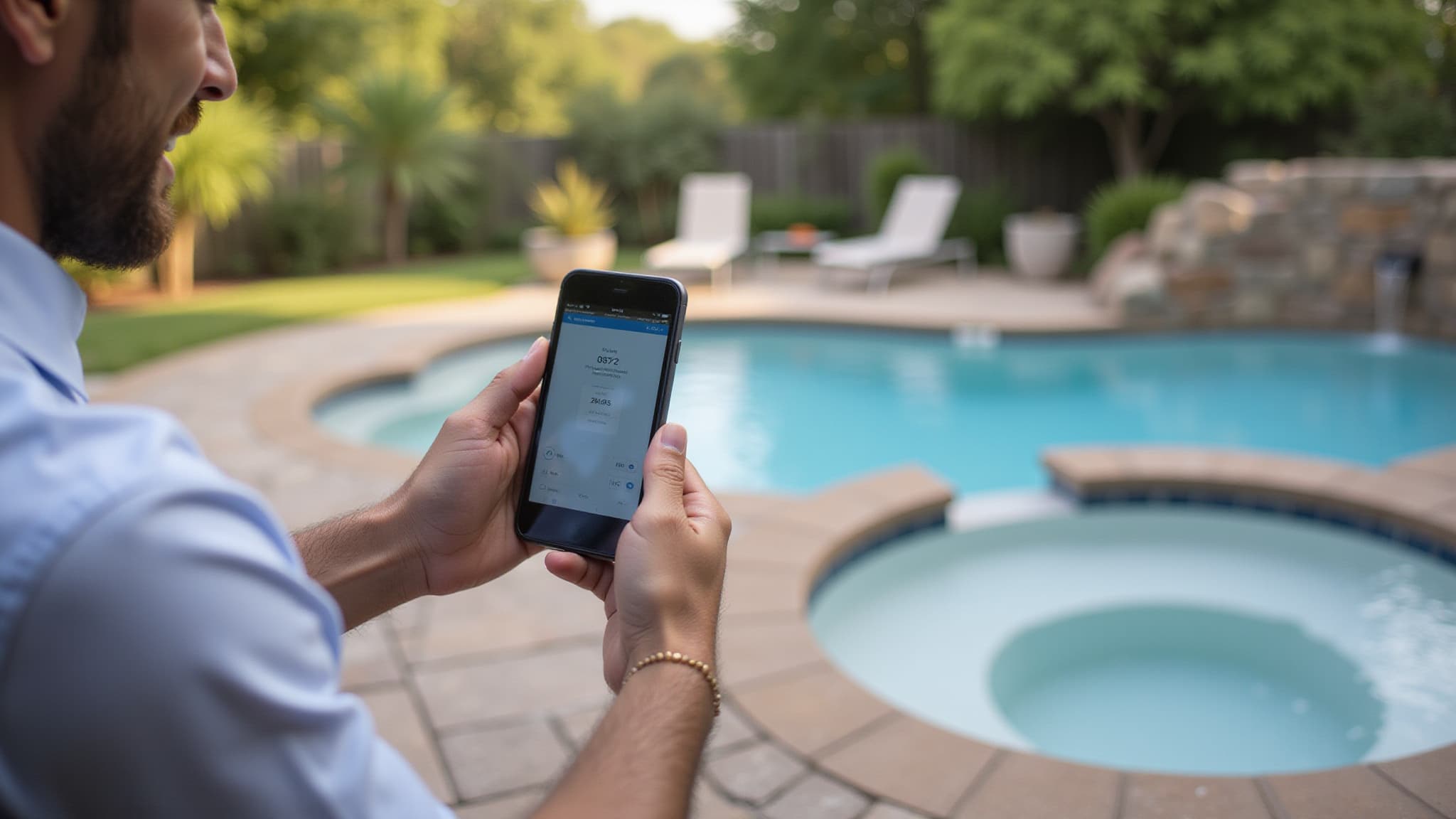
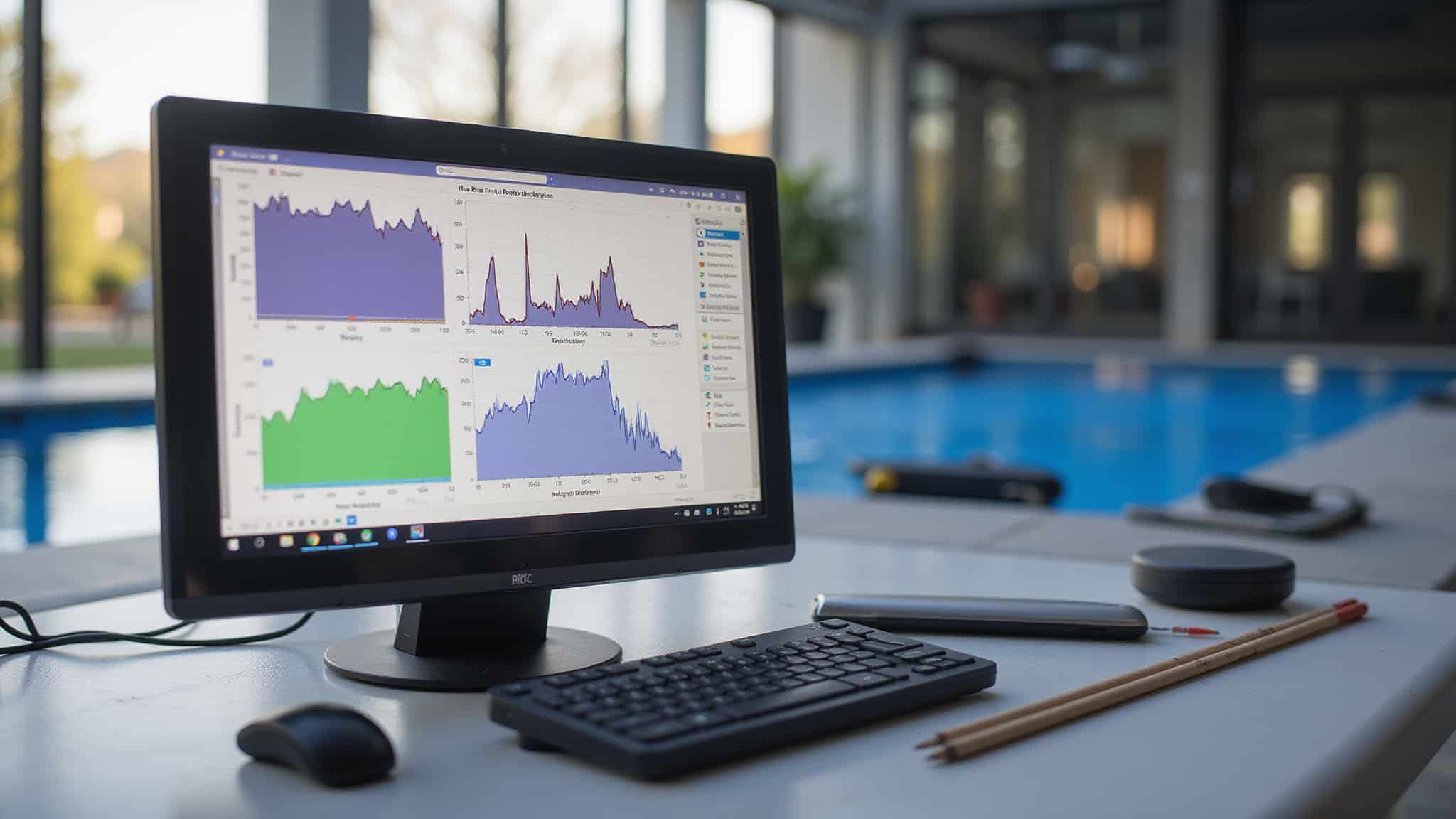
Smart pool monitors differ from manual testing primarily in scheduling and automation. A smart pool monitor reframes pool water testing from an on-demand task into a repeating process, with automated pool testing running about 12 to 24 times per day. These devices measure free chlorine, pH, and temperature, sending digital readings and trend history to an app. Manual testing, by contrast, relies on strips or liquid-reagent titration and delivers a single snapshot at the moment you sample.
Automated systems catch chemistry drift early through repeated measurement, while manual methods stay necessary for cyanuric acid, calcium hardness, and salt. You’ll trade upfront hardware cost and consumables for reduced hands-on effort, but you should still cross-check readings periodically with a drop test.
What is a smart pool monitor
A smart pool monitor is an automated device that tests your pool water chemistry on a repeating schedule instead of on demand, typically running about 12 to 24 tests per day. It measures free chlorine, pH, and temperature, and some models track total alkalinity, cyanuric acid, calcium hardness, and salt. Sutro uses automated reagent-based tests for free chlorine, pH, and total alkalinity, delivering app-based trends and recommendations. WaterGuru-style units float in your pool or sit in the skimmer, sending readings to your phone through an app or hub. Smart irrigation benefits for homeowners include reduced water usage and lower utility bills, making it an environmentally friendly choice. Additionally, these systems can be programmed to water plants at optimal times, ensuring healthier gardens and landscapes.
The core value of pool monitoring here is early detection, catching chemistry drift before visible algae develops. Note that no consumer smart monitor directly detects algae or phosphates, so you’ll still confirm certain parameters manually to maintain accurate, standards-compliant water chemistry.
How does manual pool testing work
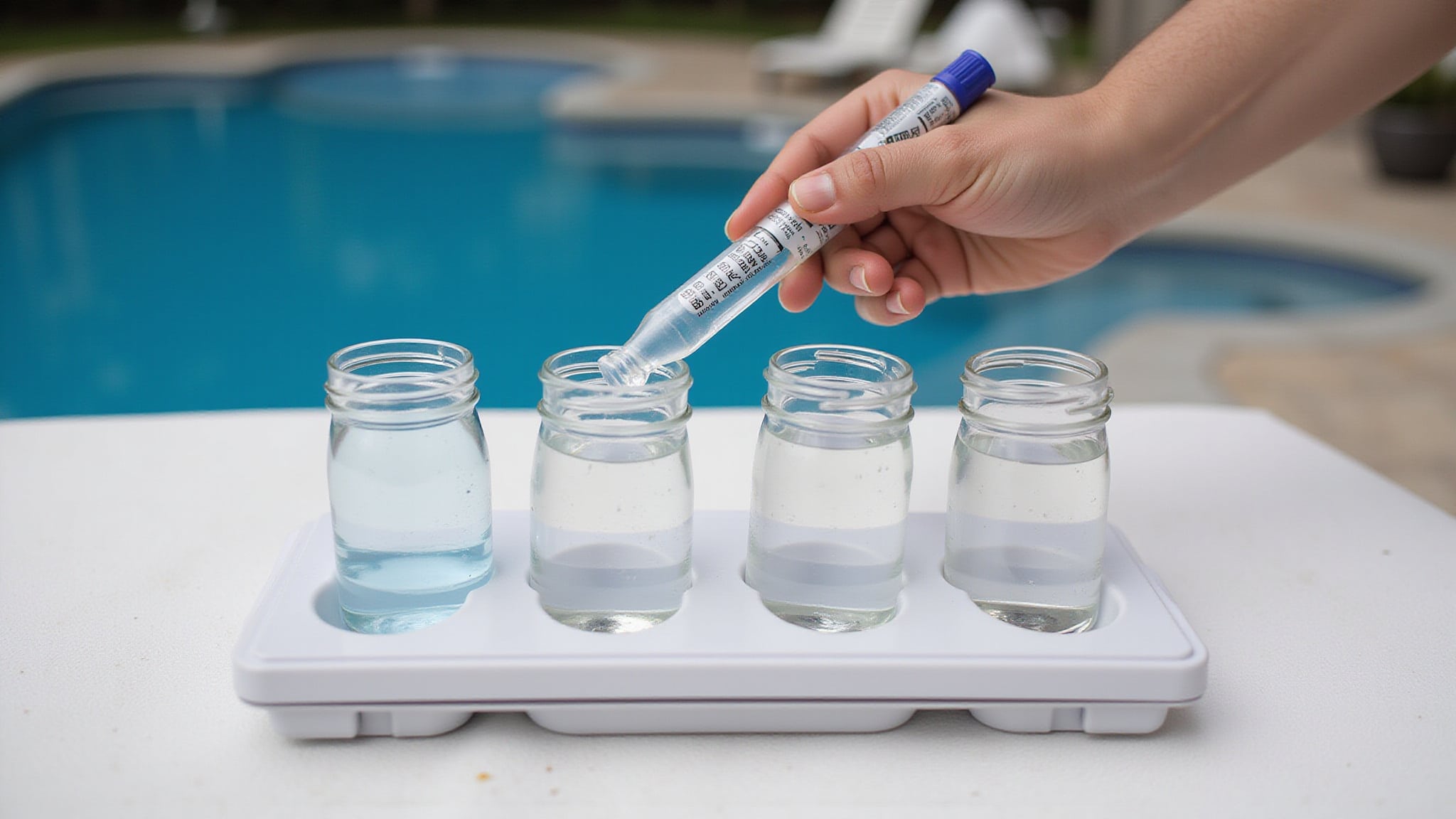
Manual pool testing works by sampling the water and reading results from either test strips or liquid-reagent kits. Test kits typically use a titration process with liquid reagents, while strips use color matching with reagent-impregnated paper. Each method delivers a single snapshot of water conditions at the moment you test, not continuous tracking. Pool pump automation solutions can significantly enhance the efficiency of pool maintenance. By automating the processes of filtration and chemical balancing, these systems ensure optimal water quality with minimal manual effort.
You’ll handle the sampling, reagent dosing, and color interpretation yourself, which adds time and introduces subjectivity. Strip testing ranks as the least accurate common method because you’re matching colors by eye.
Even with a smart monitor installed, manual methods remain necessary for some parameters, including cyanuric acid, calcium hardness, and salt. Manual cross-checking is also recommended periodically, with one source suggesting a drop-test confirmation every two weeks to catch calibration drift.
How do smart monitors and manual testing compare on accuracy and cost
Smart monitors are more accurate, while manual testing costs less. Smart monitors deliver digital readings that outperform test strips, the least accurate method, and they catch chemistry drift early through repeated measurement and trend tracking. Manual reagent titration stays reliable but gives only a single snapshot. Cost inverts this advantage: manual testing avoids hardware and subscription fees, while smart systems demand steep upfront and recurring spend.
| Factor | Smart Monitor | Manual Testing |
|---|---|---|
| Accuracy | Digital, drift-aware | Strips least accurate |
| Upfront cost | $200, $500+ | Low |
| Annual consumables | $50, $100+ | Reagents only |
What are the pros and cons of each method
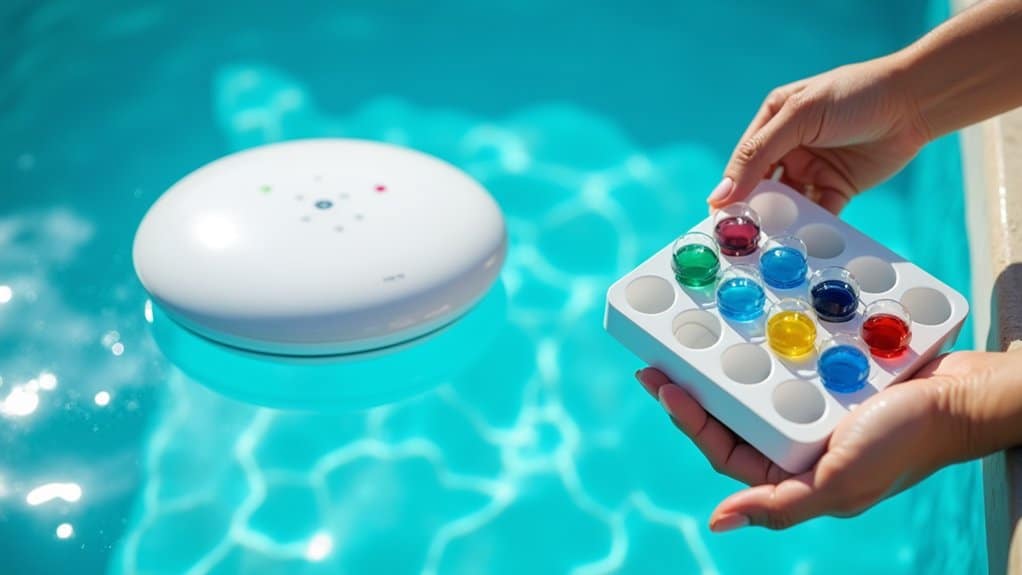
Smart monitors give you 12 to 24 daily tests, trend history, and app alerts that catch chemistry drift before algae develops. You’ll reduce hands-on work, though you’ll pay $200, $500 upfront plus $50, $100 yearly in consumables. They’re not flawless: calibration needs, high CYA, or certain algaecides can skew readings, so don’t trust them blindly. Manual testing costs less and confirms values smart monitors skip, cyanuric acid, calcium hardness, and salt. But strips deliver the least accurate results through subjective color matching, and you’ll handle repeated sampling and reagent work. Even with a monitor installed, you’ll want a drop-test confirmation every two weeks to verify your device’s precision.
Which pool testing method is right for you
The right pool testing method depends on your budget, pool type, and how much hands-on work you’re willing to do. Match your priorities against three decision factors:
- Budget: Manual kits avoid hardware and subscription costs, while smart monitors run $200, $500 upfront plus roughly $50, $100 yearly in consumables.
- Pool type: Chlorine pools, where pH and free chlorine shift quickly, benefit from continuous automated tracking and app alerts.
- Effort tolerance: If you’d rather skip repeated sampling and color matching, a smart monitor cuts hands-on work. If you’re fine with a set routine, manual testing suffices.
Whichever you pick, keep manual methods available for cyanuric acid, calcium hardness, and salt, and run a drop-test confirmation about every two weeks.
Conclusion
A smart pool monitor and manual testing are not really rivals; the monitor gives constant, effortless tracking of chlorine, pH, and temperature, while drop-tests and strips remain the way to confirm the values a monitor cannot fully read. The best routine uses the monitor for daily awareness and manual testing as the periodic check. Innovative Outdoor Living builds and equips pools with smart monitoring, so a homeowner gets that hands-off oversight while knowing exactly when a manual confirmation is worthwhile.
Automate Your Backyard the Smart Way
Smart pool systems transform how you enjoy your backyard, giving you full control right from your phone. At Innovative Outdoor Living in Palm Beach Gardens, FL, our experienced team provides trusted Smart Backyard Pool Control Systems with expert setup and premium technology. Call +1 (561) 594-1495 today and start your smart backyard project.
Frequently Asked Questions
Can Smart Pool Monitors Work in Saltwater Pools?
Yes, though it is worth confirming compatibility first. Some models track salt directly while others do not, so salt may still need checking manually. Since saltwater pools generate their own chlorine, continuous free-chlorine and pH tracking is genuinely useful, especially where those values drift quickly. Calibration needs and high cyanuric acid can affect accuracy, so checking pool compatibility, battery life, and app features before buying pays off.
How Long Do Smart Monitor Batteries Typically Last?
Most smart pool monitors run about six months to a year on a charge or battery set, though it varies by model, how often it samples, and water temperature. Some rechargeable units last a season and then need topping up. Battery life is one of the main things worth comparing before buying, alongside pool compatibility, app features, and accuracy, and the manufacturer’s stated figure is the best guide for a specific device.
Do Smart Pool Monitors Work in Winter or Freezing Temperatures?
Most consumer monitors are built for in-use, above-freezing water and are not meant to sit in a freezing pool. Cold can skew readings and, in a hard freeze, damage the unit. When a pool is closed or wintered, manual drop-tests and strips are the reliable option, and they cover values like cyanuric acid, calcium hardness, and salt that many monitors do not fully track anyway. Checking the device’s rated operating range settles what it can handle.
Can I Use a Smart Monitor With an Automated Chemical Dispenser?
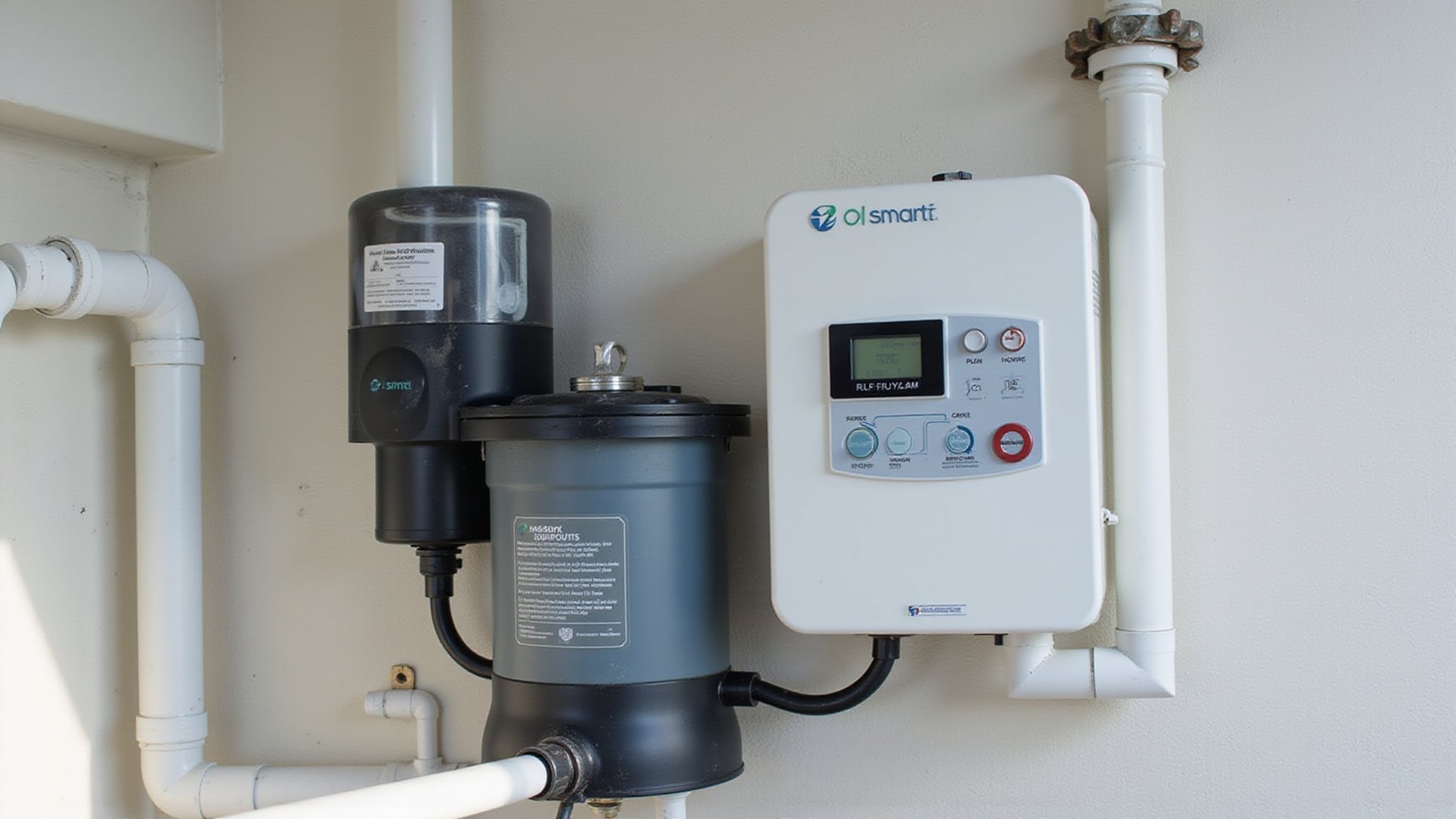
They can be used together, but in most consumer setups they work independently. The monitor tests free chlorine, pH, and total alkalinity on a schedule and sends readings and alerts to an app, without directly controlling dosing. The trends it reports guide manual adjustments to the dispenser. Fully integrated systems that let a monitor drive dosing exist, but they are more advanced and usually professionally installed.
How Often Should Test Strips or Reagent Kits Be Replaced?
Test strips and liquid reagents generally last about a year from opening, and often carry a printed expiration date, after which readings drift and become unreliable. Storing them sealed, cool, and dry helps them reach that point. Manual testing stays useful for cyanuric acid, calcium hardness, and salt, so running a drop-test confirmation roughly every two weeks, even with a smart monitor installed, keeps the readings honest.