The price of small plunge pools can greatly vary, with most costing between $2,000 for a basic above-ground pool all the way up to $30,000 for a custom in-ground concrete pool. This large cost range is greatly influenced by factors such as the material you choose, the complexity of your design, and the customized features you opt for. Remember too, there’s more to pool costs than just the initial build, with ongoing maintenance and additional features having the potential to add considerably to your investment. To help balance your budget and find the best plunge pool for your needs, further exploration of cost saving tips and financing options is beneficial.
Understanding Small Plunge Pools
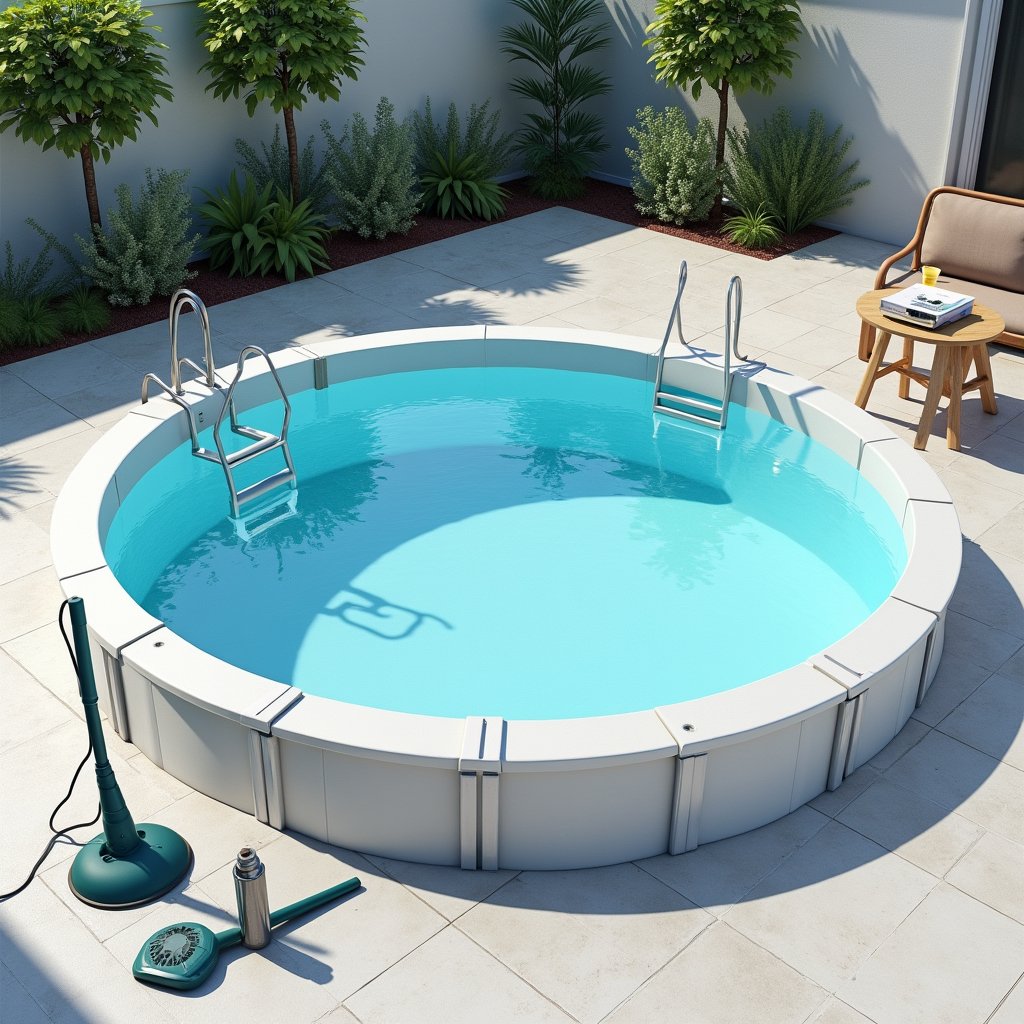
While you may think of a plunge pool as just a smaller version of your typical swimming pool, there’s more to understand about these compact water features.
Plunge pool options are vast and varied, with small pool designs that can fit in tight spaces yet still provide a rejuvenating retreat. These pools are typically shallow, designed more for cooling off and relaxing than for swimming laps.
However, the size and shape can be customized to fit your needs and your surroundings. Options range from simple, pre-made shells to elaborate custom designs with features like built-in seating or waterfalls.
The materials used can also vary, from concrete to fiberglass, each with its own cost implications.
Benefits of Small Plunge Pools
There are numerous benefits to owning a small plunge pool, and you’ll find they extend far beyond just the initial cost savings.
To begin with, there are significant health advantages, such as improved circulation and decreased muscle tension.
Additionally, the smaller size means less space is needed and maintenance becomes a less time-consuming task.
Health Advantages of Plunge Pools
Investing in a small plunge pool not only enhances the aesthetic appeal of your yard, but it also provides a plethora of health benefits.
The relaxation benefits are instantly noticeable, as the cool water helps to soothe your body and calm your senses, reducing stress levels.
Apart from that, the therapeutic effects of cold water on your body can’t be ignored. It boosts circulation, triggering your body to produce more white blood cells, thereby improving your immune system.
Regular dips in the pool can also help in weight management by increasing your metabolism.
Plunge pools also aid in muscle recovery post workout, reducing inflammation and accelerating healing.
Space and Maintenance Savings
Despite their smaller size, plunge pools offer significant space and maintenance savings. These compact pools are ideal for space efficiency in smaller yards, making the most of your available square footage.
But the advantages don’t stop there!
- Space Efficiency: Plunge pools, due to their compact design, can fit into tight areas, leaving plenty of room for landscaping or outdoor living spaces.
- Maintenance Simplicity: These pools require less water, chemicals, and cleaning, reducing maintenance time and costs.
- Energy Efficiency: With less water to heat, plunge pools can save on energy costs too.
In a nutshell, plunge pools provide ample opportunity for enjoyment without the large footprint or high maintenance of a full-sized pool.
When considering budget and space, plunge pools present a smart choice.
Average Cost of Plunge Pools
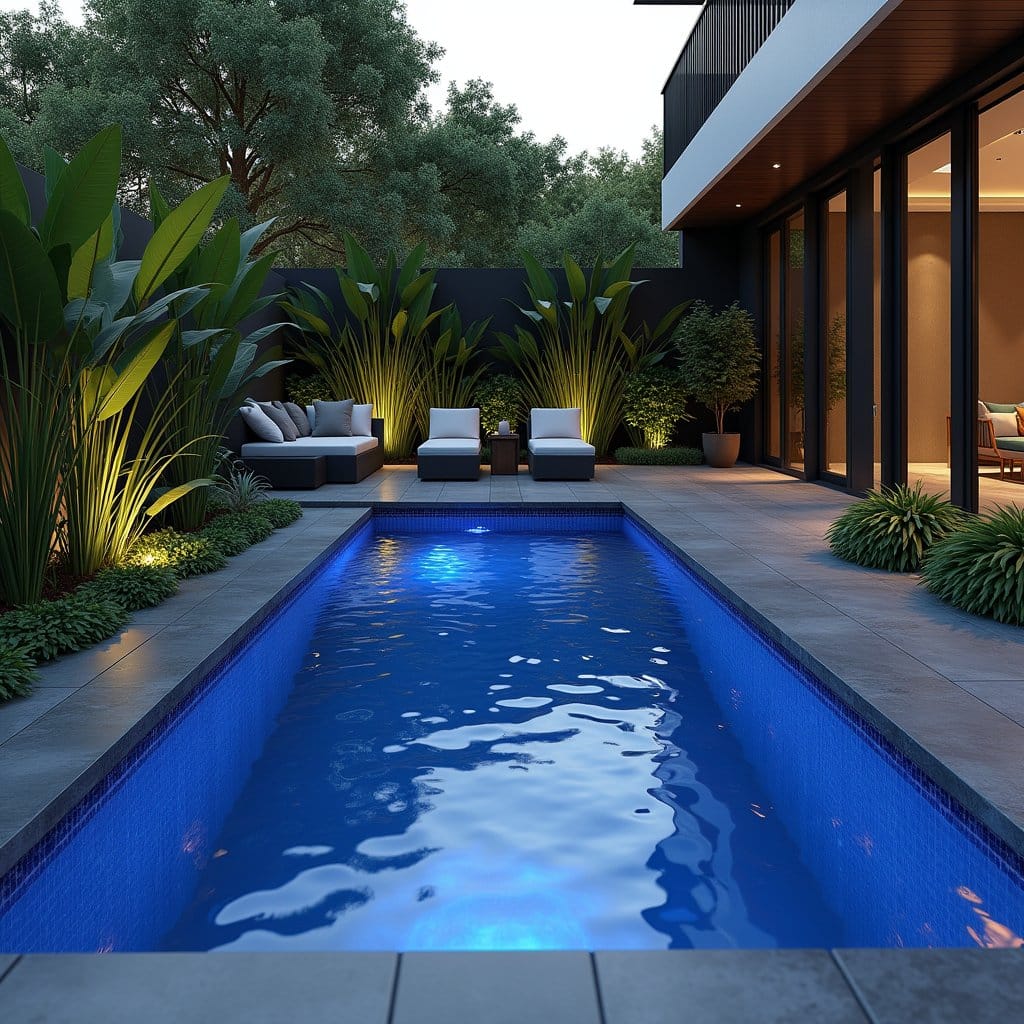
You may be wondering about the average cost of plunge pools. Several factors can influence this, such as size, materials used, and installation intricacies.
In the following section, we’ll compare these costs to give you a clear picture of what to expect when planning your plunge pool project.
Determining Pool Pricing Factors
While it may seem complex, determining the average cost of plunge pools is influenced by a variety of factors.
You’ll need to evaluate these key elements:
- Pool Design: The complexity and size of your chosen design can greatly affect the cost. Custom designs with additional features like waterfalls or jets typically cost more.
- Materials: The types of materials used can also influence the price. High-quality materials may have a higher upfront cost, but they can also last longer, potentially saving you money in the long run.
- Installation Timeline: The quicker you want your pool installed, the more you’ll likely pay. Rushing a project can lead to higher labor costs.
Comparing Plunge Pool Costs
Given the varying factors, it can be challenging to pinpoint an exact cost for a small plunge pool. However, you can get a better understanding by comparing different plunge pool costs. For a more detailed cost analysis, consider the table below:
| Type of Plunge Pool | Average Cost | Key Factors |
|---|---|---|
| In-ground Concrete | $20,000 – $30,000 | Size, finish, accessibility |
| Above-ground | $2,000 – $7,000 | Material, size, installation |
| Fiberglass | $15,000 – $25,000 | Size, installation, shell quality |
| Vinyl Liner | $10,000 – $25,000 | Liner quality, size, installation |
| Custom | $30,000+ | Size, design, materials |
These plunge pool comparisons should help you in making an informed decision. Remember, the cost can greatly vary depending on your specific requirements and preferences.
Size and Pool Pricing
Although size greatly influences the cost of a plunge pool, it’s vital to understand this is but one factor among many.
Pool dimensions and design styles can markedly alter the final price tag.
- Small plunge pools usually measure between 4m x 2m and 7m x 3m. The smaller the size, the lower the cost.
- Design styles can range from simple, rectangular designs to more complex, free-form shapes. The more intricate your design, the higher the cost.
- Depth also plays an important role. Deeper pools require more materials and labor, hence increasing the price.
Material Choices and Costs
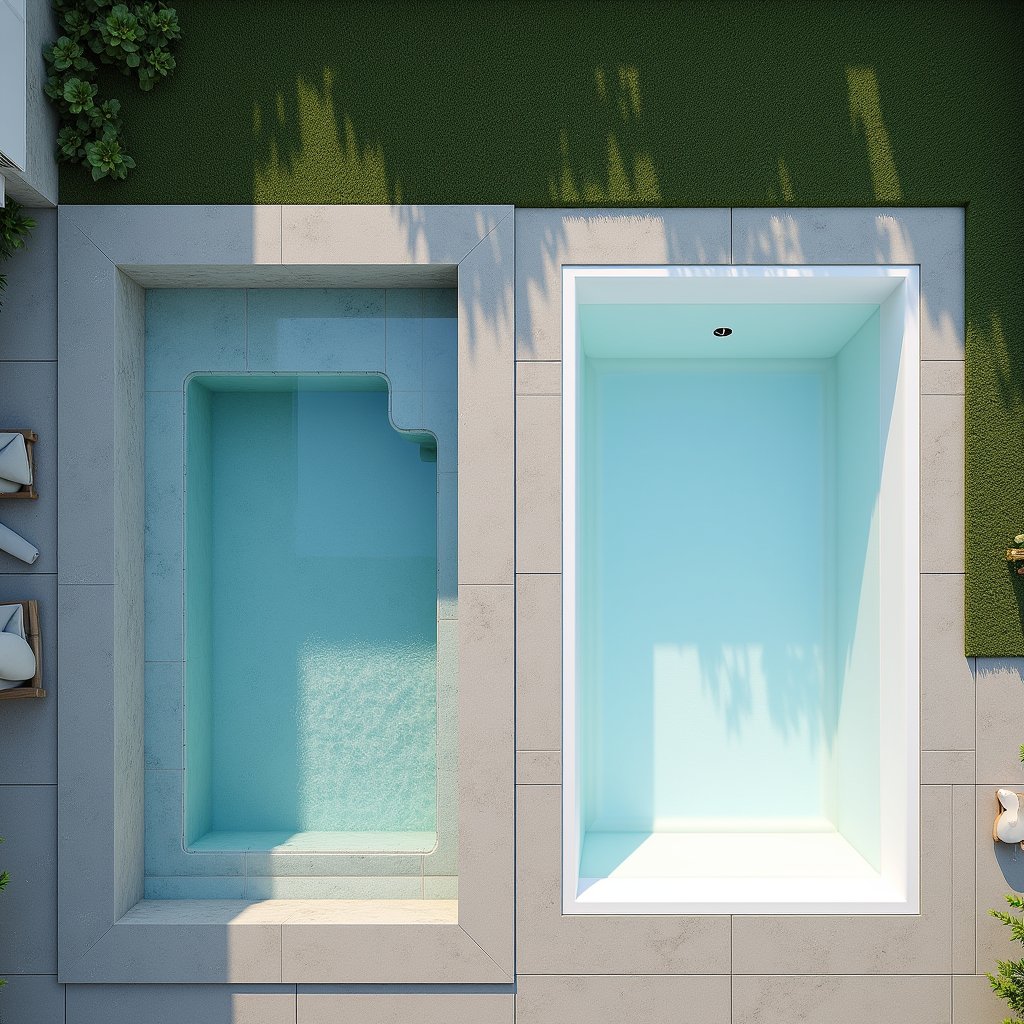
Choosing the right material for your plunge pool can greatly impact the overall cost. Two popular choices are concrete and fiberglass.
Concrete options are usually more expensive but offer greater customization. On the other hand, fiberglass choices are pre-manufactured, which makes them more affordable and quicker to install. Here’s an approximate cost comparison:
| Material | Cost |
|---|---|
| Concrete | $50-$70 per square foot |
| Fiberglass | $35-$55 per square foot |
Installation Expenses to Consider
As you consider installing a small plunge pool, it’s essential to factor in both the initial construction costs and ongoing maintenance and upkeep expenses.
These costs can vary widely based on the materials you’ve chosen and the complexity of your design.
We’ll guide you through these considerations, ensuring you’re fully informed about the potential financial commitment.
Initial Construction Costs
Before you plunge into the decision to install a small plunge pool, understanding the initial construction costs is essential. These costs largely involve two key factors: construction materials and labor costs.
- Construction materials: The type of material you choose, be it concrete, fiberglass, or vinyl, greatly impacts the overall cost. Concrete is the most expensive, while vinyl is the most affordable.
- Labor costs: These costs depend on the complexity of the installation. If your yard requires extensive work, such as excavation or leveling, you’ll pay more.
- Additional features: Water features, lighting, or heating systems add to the initial cost.
Be sure to evaluate these factors carefully to budget accurately and avoid unexpected expenses.
Maintenance and Upkeep Expenses
Beyond the initial construction, owning a small plunge pool comes with ongoing maintenance and upkeep expenses that are important to contemplate.
These costs include filtering chemicals and seasonal cleaning. Filtering chemicals are vital to keeping your pool hygienic and safe for use. You’ll need to regularly add these chemicals to maintain the water’s pH balance and eliminate bacteria. This can range from a nominal monthly expense to a more substantial outlay, depending on the pool’s size and usage.
Seasonal cleaning is another significant expense. This is typically conducted before summer and after winter to keep the pool in ideal condition. It involves draining, scrubbing, and refilling the pool, which can be a considerable cost.
It’s important to include these factors when considering pool ownership.
Ongoing Maintenance Costs
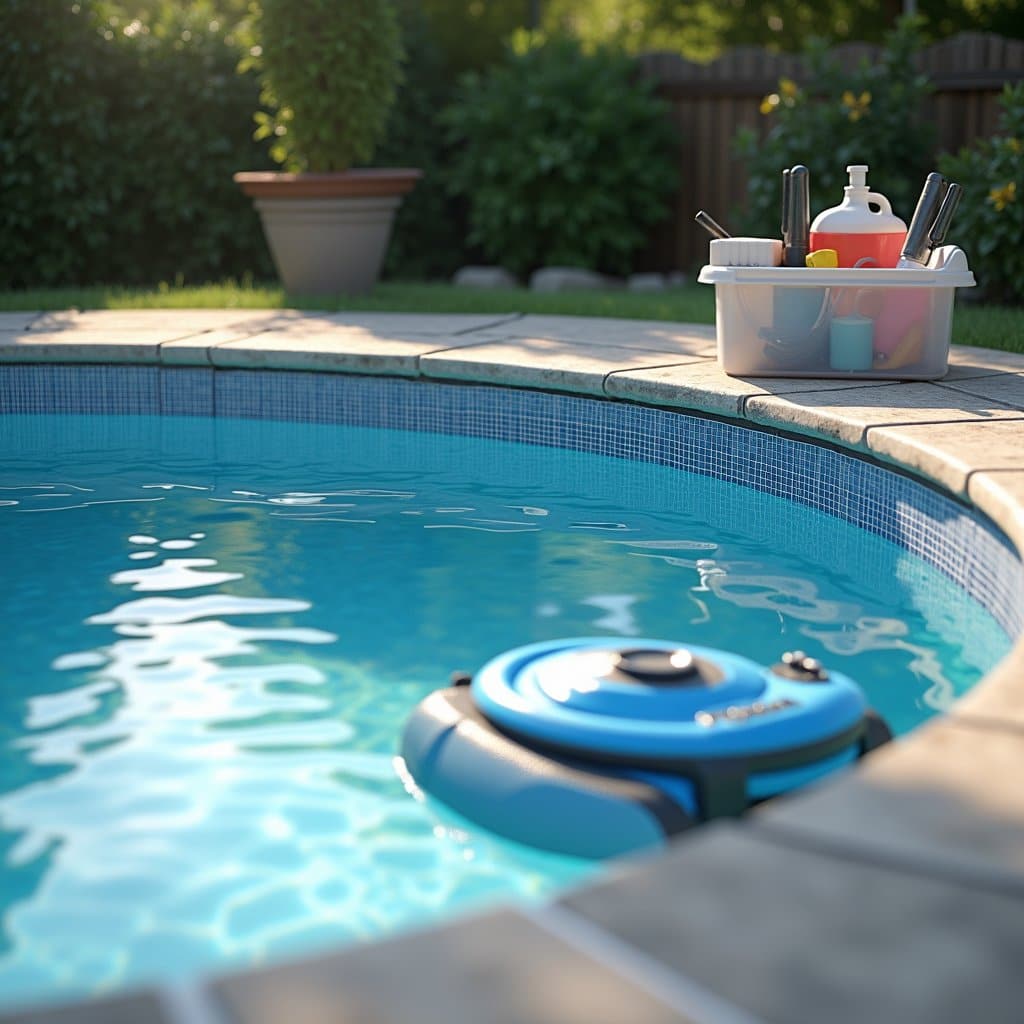
While the upfront cost of a small plunge pool can be significant, it’s essential not to overlook the ongoing maintenance costs.
These costs largely revolve around ensuring the water quality, dealing with seasonal maintenance, and occasional repairs.
- Water Quality: You’ll need to frequently test and adjust the chemical balance of your pool to maintain clear, safe water. This includes pH, alkalinity, and sanitizer levels.
- Seasonal Maintenance: Depending on your climate, you might need to winterize your pool or prepare it for hot summer months. This involves covering, cleaning, and possibly heating or cooling.
- Repairs: Over time, your pool’s components will wear and may need replacement. Common issues include pump and filter problems, liner tears, and plumbing leaks.
Extra Features and Their Prices
Although the basic setup of a small plunge pool covers your needs, you might want to contemplate adding extra features for an enhanced experience.
Various additional accessories and design options are available to elevate your plunge pool’s functionality and aesthetics. You could consider a heating system to extend your swimming season, which generally costs between $1,500 to $4,000.
Enhanced lighting options ranging from $450 to $700 can set the right mood. Water features like waterfalls and jets add a luxurious touch but can set you back another $1,000 to $3,500.
Customized finishes and tiling, depending on your chosen materials, can range from $1,000 to $10,000.
Financing Your Small Plunge Pool
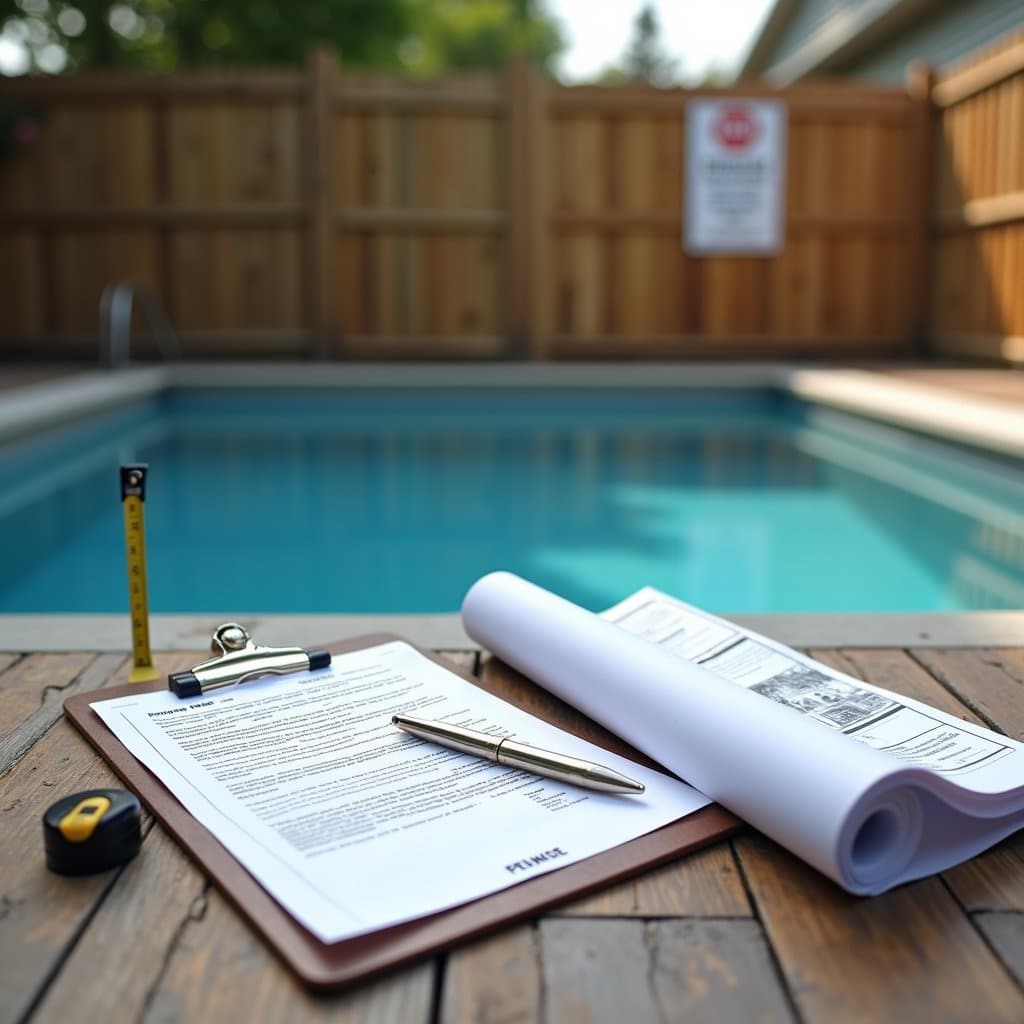
Considering a small plunge pool but unsure about financing? Don’t worry, there are several financing options available to help you fit this luxury into your budget planning.
- Personal Loans: These are unsecured loans that you can use for any purpose, including installing a plunge pool. They typically have fixed interest rates and set repayment terms.
- Home Equity Loans: If you’ve built up equity in your home, you may be able to borrow against it to finance your pool.
- Pool Financing Companies: Some companies specialize in providing financing for pool installations.
Money-Saving Tips for Pool Installation
To guarantee that your dream of having a small plunge pool doesn’t become a financial nightmare, it’s important to employ some savvy money-saving strategies during installation.
Consider DIY installation, which can greatly cut down on costs. But be warned, this requires certain skills and plenty of time. If you’re confident in your abilities, it’s definitely an option worth exploring.
Investigate different pool materials, as prices can vary greatly. Opt for those within your budget without compromising on quality.
Don’t forget about budget planning. This helps avoid unexpected costs and keeps you on track financially. Always remember to include ongoing maintenance costs in your calculations.
Finally, get multiple quotes from professionals. You’d be surprised at how much you can save by shopping around.
Frequently Asked Questions
How Long Does It Typically Take to Install a Small Plunge Pool?
The installation timeline for a small plunge pool typically ranges from a few weeks to several months.
It’s largely dependent on installation factors such as the complexity of the design, the terrain of your yard, and the availability of the installation crew.
Remember, you’re not just digging a hole; you’re creating a functional, durable, and beautiful addition to your home.
Can Small Plunge Pools Be Installed Indoors?
Absolutely, you can install small plunge pools indoors.
It’s mostly about space evaluations. Make certain you’ve got enough room not just for the pool, but also for safe clearance around it.
Keep in mind, there are additional factors like ventilation and humidity control to take into account.
With proper planning and professional installation, you’ll be enjoying your indoor plunge pool in no time.
Just remember, it’s not just the pool size that matters, but the entire environment.
Are There Any Specific Safety Considerations for Small Plunge Pools?
Yes, there are specific safety considerations for small plunge pools. You need to prioritize pool safety, especially if children are around.
Always supervise kids when they’re near the pool. Install a pool fence or cover to prevent unsupervised access. Non-slip surfaces and proper lighting are also important.
Regularly check and maintain the pool’s chemical balance to guarantee water safety. Remember, it’s not just about having fun, but keeping everyone safe too.
What Are the Energy Consumption Implications of Maintaining a Small Plunge Pool?
Maintaining a small plunge pool might make you mindful of rising energy bills. Energy efficiency depends on your pool’s pump and heater. These devices can consume considerable power, potentially increasing your monthly costs.
But don’t fret, there are energy-saving options. High-efficiency pool equipment, like variable-speed pumps or solar heaters, could cut back on energy usage.
It’s a balancing act between initial investment and long-term maintenance costs. So, plan wisely to make your plunge pool as pocket-friendly as possible.
Are There Any Health Benefits Associated With Using Small Plunge Pools?
Yes, indeed, there are several health benefits associated with using small plunge pools.
They offer therapeutic benefits like muscle relaxation and stress relief. The cool water can help soothe sore muscles and joints and improve circulation.
It’s also a great way to unwind after a long day. You’ll find it’s not just about the physical benefits; the mental health benefits are equally important.