Protect your outdoor TV by installing a weatherproof enclosure made of stainless steel or aluminum with proper sealing and ventilation. You’ll need temperature regulation controls, moisture prevention through desiccant packets, and strategic positioning distant from direct elements. Implement a dual-purpose climate control system with cooling fans and heating elements, while ensuring all cables have weatherproof protection. These foundational steps initiate your path toward complete outdoor TV protection.
Understanding Weather Risks for Outdoor TVs
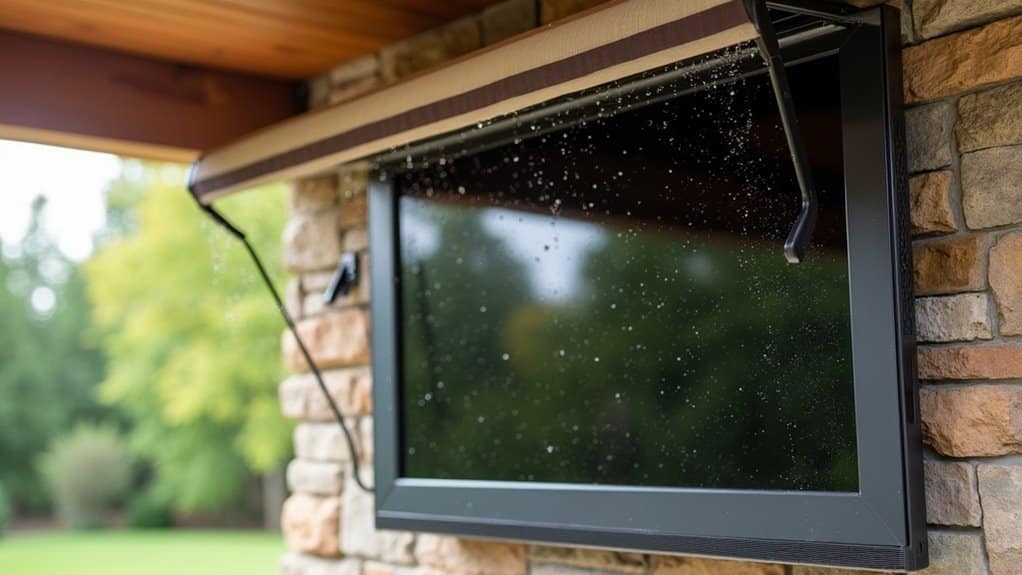
Understanding the potential weather hazards that can affect your outdoor TV setup is crucial for protecting your investment. Your TV’s internal components face significant risks from environmental factors, particularly moisture, temperature extremes, and direct sunlight.
When you expose an indoor TV outdoors without proper protection, you’re risking severe damage to its LCD or LED display. Cold temperatures can cause the screen to freeze and crack, while humidity and condensation may lead to electrical shorts in critical components. To weatherproof a TV effectively, you’ll need either a weatherproof TV cover or a specialized TV enclosure that shields against these elements. It is important to keep in mind that standard warranties typically won’t cover weather-related damage, making protection essential. Understanding these risks helps you make informed decisions about safeguarding your outdoor TV setup against nature’s challenges.
Essential Components of TV Weatherproofing
Now that you’re aware of the weather risks, implementing proper weatherproofing measures will determine your outdoor TV’s longevity. A comprehensive approach to protection requires multiple critical components working together to shield your entertainment system from environmental threats.
- Start with weatherproof enclosures made of stainless steel, aluminum, or heavy-duty plastics to create your initial line of defense against moisture, dust, and temperature variations.
- Apply proper sealing techniques using silicone sealants and polyurethane coatings, while insulating the unit to prevent condensation and protect sensitive electronic components from temperature fluctuations.
- Focus on the details by weatherproofing coaxial connections with self-amalgamating tape and installing corrosion-resistant mounting hardware. Position your TV strategically to minimize direct sunlight exposure, ensuring ideal viewing and extended equipment life.
Choosing the Right Protective Enclosure
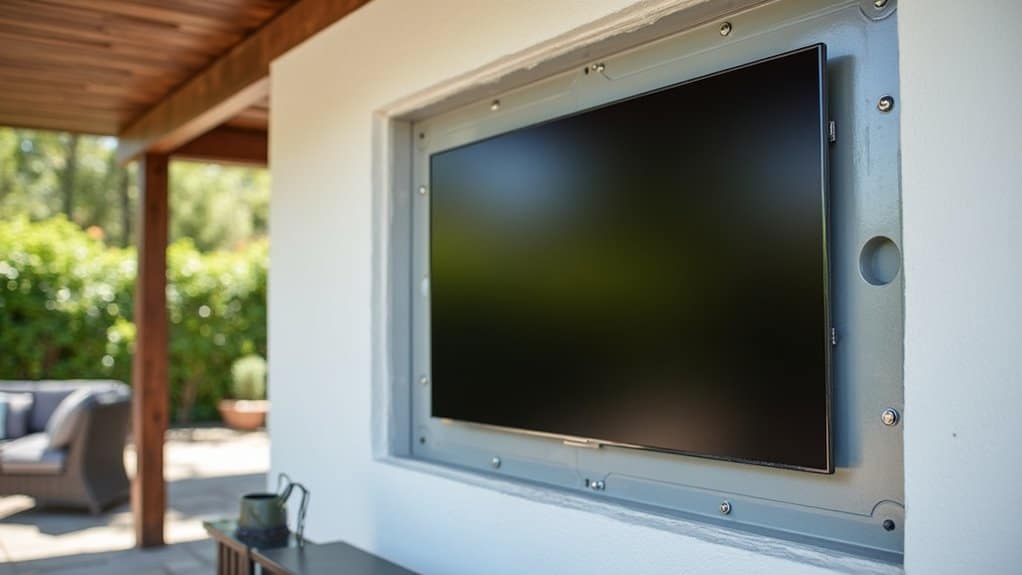
When selecting a protective enclosure for your outdoor TV, the material composition and design features play pivotal roles in safeguarding your investment. You’ll need to choose between weatherproof enclosures designed to withstand extreme conditions or weatherproof TV covers for basic protection.
| Feature | Full Enclosure | Basic Cover |
|---|---|---|
| Material | Stainless/Aluminum | Heavy Duty Plastic |
| Temperature Regulation | Built-in Controls | None |
| Protection Level | Complete Seal | Basic Shield |
For ideal outdoor use, consider enclosures with thermostatic controls and anti-reflective coatings. The ProofVision TV Pod Plus offers thorough protection against harsh elements. When installing your chosen enclosure, guarantee proper sealing to prevent water ingress. If you’re in a mild climate, a universal weatherproof cover might suffice, but areas with extreme weather conditions demand full enclosure systems.
Humidity Control and Moisture Prevention
The effective management of humidity poses a critical challenge for outdoor TV installations, as moisture can severely damage sensitive electronic components. To protect your investment, you’ll need to implement strategic measures that control condensation and prevent moisture buildup in your outdoor entertainment setup.
- Install properly ventilated enclosures that allow air circulation while maintaining protection from the elements, and place desiccant packets inside to absorb excess moisture.
- Monitor weather conditions and avoid operating your TV during periods of high humidity, particularly when temperatures fluctuate considerably, as this can lead to condensation formation.
- Perform regular inspections of your outdoor TV setup, checking for signs of moisture accumulation and guaranteeing that waterproof covers aren’t trapping humidity. When using protective covers, guarantee they’re properly fitted to allow adequate airflow while still protecting against wind-driven rain.
Temperature Management Solutions

Installing a dual-purpose climate control system in your outdoor TV enclosure will regulate both heating and cooling to maintain ideal operating temperatures year-round. You’ll want to reinforce your enclosure with weatherproof insulation materials, focusing on thermal barriers around cable entry points and seams to prevent temperature fluctuations. Integrate a digital temperature monitoring system with automated alerts to track conditions and respond quickly to extreme temperature changes that could damage your TV’s components.
Heating and Cooling Systems
Maintaining ideal temperature control represents a critical aspect of outdoor TV protection through integrated heating and cooling systems. To withstand harsh environments and prevent overheating, your outdoor TV enclosure needs sturdy temperature management features that can handle extreme temperature fluctuations throughout the year.
- Install a thermostatic control system that monitors temperature changes and automatically activates cooling fans or heating elements to maintain ideal operating conditions
- Utilize high-quality insulation materials like foam or bubble wrap to create a thermal barrier that stabilizes the internal temperature range
- Position ventilation fans strategically within the enclosure to guarantee proper air circulation and heat dissipation, while implementing built-in heaters for cold weather protection
Remember to place your TV away from direct sunlight to reduce the strain on cooling systems and enhance their efficiency.
Insulation Best Practices
Proper insulation strategies serve as your initial line of defense against temperature-related damage to outdoor TVs. Install high-density polyurethane foam insulation to shield your TV from extreme temperatures and protect sensitive internal components from damaging temperature fluctuations.
You’ll need to create effective barriers around ventilation openings to maintain suitable operating temperatures while preventing condensation buildup inside the unit. During colder months, wrap your TV in weatherproof insulation blankets to preserve battery performance and prevent screen damage. Complement these passive measures with thermostatically controlled fans or heaters within the TV enclosure for active temperature regulation.
Don’t forget to monitor your insulation system regularly and adjust as needed based on changing weather conditions throughout the year. This proactive approach guarantees consistent protection against environmental stressors.
Temperature Monitoring Solutions
How effectively you monitor and manage temperature can make or break your outdoor TV’s longevity. Advanced thermostat-controlled enclosures paired with remote monitoring systems offer ideal protection against temperature extremes. You’ll need a sturdy combination of ventilation, insulation, and temperature management to maintain excellent operating conditions.
- Install a thermostat-controlled enclosure with solar-powered fans to regulate airflow and prevent heat buildup during hot days
- Integrate remote temperature monitoring systems to track your TV’s environment in real-time and make necessary adjustments from your smartphone
- Combine heated elements for winter protection with proper insulation materials like foam or bubble wrap to maintain stable temperatures year-round
These temperature monitoring solutions work together to create a controlled environment that protects your outdoor TV investment while ensuring consistent performance regardless of weather conditions.
Professional Installation Best Practices
Expert installation practices serve as the foundation for any outdoor TV setup’s longevity and performance. To protect your TV, you’ll need to guarantee proper professional installation of your weatherproof TV system. Select a certified installer who understands outdoor entertainment specifications and safety requirements.
| Installation Step | Key Consideration | Safety Check |
|---|---|---|
| Wall Mount | Load capacity | Structural integrity |
| Cable Management | Waterproof conduits | Seal inspection |
| Power Setup | GFCI outlets | Circuit testing |
Don’t attempt DIY installation unless you’re qualified. Your installer should verify proper ventilation clearance, secure all mounting hardware to manufacturer specifications, and implement appropriate drainage solutions. They’ll also need to confirm all cables are properly weatherproofed and routed to prevent water intrusion. Remember, professional installation isn’t just about mounting – it’s about creating a complete weather-resistant system.
Seasonal Maintenance Guidelines
While your outdoor TV can withstand diverse weather conditions, regular seasonal maintenance remains crucial for ideal performance and durability. To safeguard your investment from harsh weather conditions and minimize wear and tear, follow these essential maintenance guidelines throughout the year.
- Inspect weatherproof seals quarterly, especially before rainy seasons, to prevent moisture infiltration. Replace deteriorated gaskets immediately and tighten any loose connections to avoid frequent repairs.
- Clean the TV screen and enclosure monthly using manufacturer-approved solutions. Remove dust, pollen, and salt deposits that can damage the protective coating and affect visibility.
- During extreme weather events, add supplementary covers or shields for extra protection. In winter, ensure proper ventilation to prevent condensation buildup, and in summer, check cooling systems are functioning excellently.
Cable and Connection Protection Methods
Protecting your outdoor TV’s cables and connections from weather exposure represents a critical aspect of maintaining system reliability and performance. You’ll need to choose a weatherproof solution for different types of cable connections to guarantee your TV can operate reliably in all conditions.
Start by applying self-amalgamating tape to create flexible, weatherproof seals around cable joints. Install coaxial splitters and adapters with right weatherproof housings to prevent moisture from disrupting your signal quality. Route all cables through protective conduits or raceways to shield them from direct exposure to rain, sun, and wind.
Don’t forget to properly ground your TV system and install surge protectors to guard against electrical damage. Regular inspection of all sealed connections will help maintain the integrity of your weather protection measures.
Smart Positioning and Mounting Strategies
Strategic placement and proper mounting form the foundation of a reliable outdoor TV setup. When installing your outdoor entertainment system, you’ll need to carefully consider both protection from weather damage and ideal viewing quality. Select a covered location that shields your TV from direct environmental exposure while maintaining proper airflow around the unit.
The key to outdoor TV longevity lies in strategic placement, protecting against weather while ensuring optimal viewing conditions and ventilation.
- Mount your TV at the perfect height and distance using corrosion-resistant brackets, ensuring it’s secure yet positioned for comfortable viewing without neck strain.
- Angle the screen to minimize glare from ambient light sources, taking advantage of natural shade features in your outdoor space.
- Install your TV in an area that offers protection from rain, sun, and wind, while maintaining enough ventilation to prevent moisture buildup and overheating issues.
This strategic positioning helps enhance your TV’s lifespan while ensuring the best possible viewing experience.
Weatherproof Accessories and Add-ons
You’ll need specialized weatherproof accessories to maintain your outdoor TV’s performance and longevity, including UV-resistant covers and stainless steel or aluminum enclosure systems that shield against moisture, dust, and temperature fluctuations. Consider installing dehumidifiers or silica gel packets within your TV enclosure to prevent condensation buildup and protect sensitive electronic components. Weatherproof remote control housings and sealed cable management solutions complete your outdoor TV protection system, ensuring all components remain safe from environmental damage.
Essential Weather-Resistant Covers
Regarding outdoor TV protection, weather-resistant covers serve as your primary line of defense against the elements. When selecting TV covers, opt for materials like polycarbonate or HMWPE that offer superior protection against rain, UV rays, and dust. Your outdoor TV enclosures should include ventilation systems and temperature regulation to maintain ideal performance.
- Choose universal or custom-fit weatherproof covers that match your TV’s dimensions precisely to guarantee complete protection and prevent any gaps where moisture could enter
- Install weatherproof mounts made from stainless steel or aluminum with protective coatings to provide stable support and resist corrosion
- Apply weatherproof sealants around cable entry points and connections to create a moisture-resistant barrier that preserves your setup’s integrity
These essential components work together to create a thorough weather protection system for your outdoor entertainment setup.
Protective TV Enclosure Systems
Professional-grade enclosure systems represent a thorough approach to protecting outdoor TVs beyond basic covers. High-quality weatherproof TV enclosures, typically constructed from stainless steel, aluminum, or heavy-duty plastics, offer comprehensive protection against environmental challenges. You’ll find these TV cabinets equipped with essential features like watertight seals and thermostatic controls to maintain ideal viewing conditions.
For enhanced outdoor living experiences, consider specialized solutions like the ProofVision TV Pod Plus, which combines superior weatherproofing with anti-reflective technology. When installing your TV cover or enclosure, guarantee proper mounting and seal integrity to prevent moisture infiltration. While protective covers can serve as a cost-effective solution, dedicated enclosure systems provide the most dependable defense against harsh weather conditions. These systems’ sturdy construction and advanced features deliver year-round protection for your outdoor entertainment investment.
Outdoor Remote Control Solutions
When enjoying your outdoor TV setup, weatherproof remote control solutions become essential for reliable operation in challenging environments. To safeguard your outdoor entertainment system’s functionality, you’ll need proper remote control protection that withstands moisture, dust, and impacts.
- Invest in a dedicated waterproof remote control designed specifically for outdoor TVs, offering universal compatibility with your devices while eliminating the need for line-of-sight operation.
- Use a weatherproof cover or TV Shield accessory for your existing remote, providing an additional layer of protection against rain, humidity, and accidental drops.
- Consider rechargeable weatherproof options that guarantee consistent performance during extended outdoor use, eliminating the need for frequent battery replacements.
These solutions help maintain seamless control of your outdoor entertainment system regardless of weather conditions or environmental challenges.
Frequently Asked Questions
How to Protect Outdoor TV From Weather?
You’ll need multiple weatherproofing strategies to protect your outdoor TV. Install a high-quality TV cover and guarantee proper ventilation considerations through moisture-resistant enclosures. To improve your outdoor entertainment setup, mount the TV under a covered area and add screen glare reduction films. Don’t forget lightning protection measures by using surge protectors and proper grounding. Position your TV away from direct water exposure and maintain clearance for air circulation.
Does an Outdoor TV Need to Be Covered?
Yes, you’ll need to cover your outdoor TV even though it has a weatherproof design. While these TVs feature built-in protection, a cover provides essential direct sunlight protection and safeguards the electrical grounding system. When using a cover, guarantee proper ventilation to prevent moisture buildup. You should invest in a waterproof enclosure or cover that fits snugly but allows air circulation. This extra layer of protection optimizes your TV’s lifespan and performance.
What Temperature Can a TV Withstand Outside?
Your standard TV can operate safely in temperatures between -20°C (-4°F) to 50°C (122°F). However, you’ll need proper weatherproof housing to maintain this temperature range outdoors. Guarantee adequate ventilation requirements are met to support heat dissipation strategies, particularly in summer. For cold weather protection, you’ll want to install your TV in an enclosure that prevents freezing and condensation. Consider a dedicated outdoor TV model that’s specifically engineered for extreme temperatures.
How to Protect a TV From High Humidity?
To protect your TV from high humidity, you’ll need a multi-layered approach to moisture control. Install a dehumidifier nearby and guarantee proper airflow management through ventilation solutions. Apply weatherproofing strategies like silica gel packets around the TV’s housing. Focus on temperature regulation by maintaining consistent room conditions. For humidity mitigation, you can use a protective enclosure with built-in moisture barriers, and don’t forget to regularly check for condensation buildup.