
The backyard upgrades that actually boost your home value start with professional landscaping, which can raise resale value by 15%, 20%. Hardscaping delivers strong returns of 100%, 200% in some markets, while well-landscaped homes show a 5.5%, 12.7% price advantage. Outdoor kitchens can lift your sale price by up to 2.2%. But not every upgrade pays off, decks recoup just 50%, and pergolas aren’t far behind. Knowing which choices fit your market makes all the difference.
Key Takeaways
- Hardscaping delivers strong returns of 100%, 200% in some markets, making it a top value-boosting upgrade.
- Professional landscaping can increase resale value by 15%, 20% and creates a 5.5%, 12.7% price advantage.
- Outdoor kitchens can help homes sell for up to 2.2% more than expected.
- Decks add at least $8,000 but typically recoup only about 50% of their cost.
- Low-cost care like fertilizer and weed control costs about $375 while adding roughly $1,000 in value.
Which Backyard Upgrades Boost Home Value
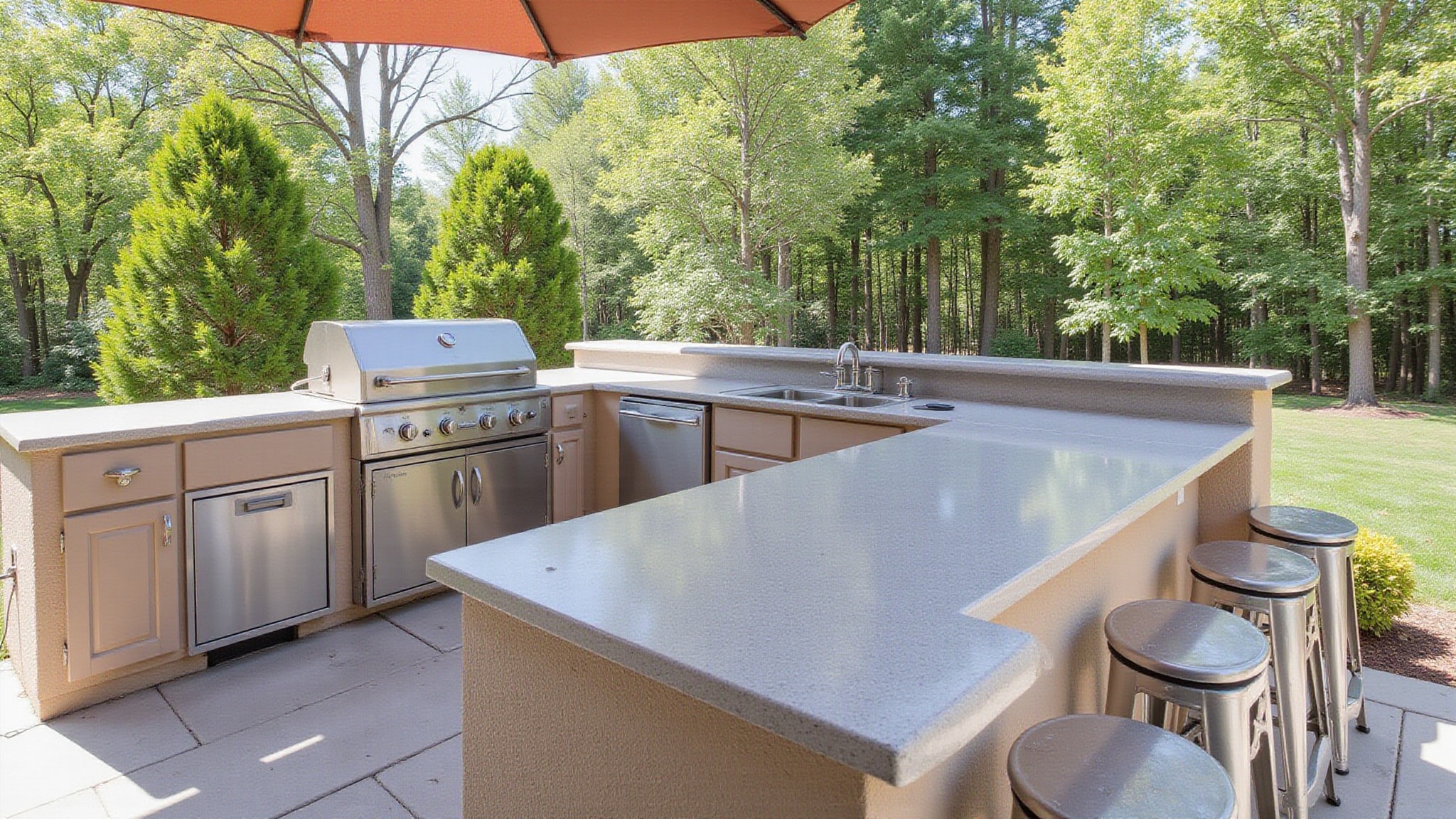
Backyard upgrades that boost home value include hardscaping, professional landscaping, decks, fire pits, and outdoor kitchens, but not all of them pay off equally. When you’re calculating backyard ROI, hardscaping stands out, with reported returns of 100%, 200% in some markets. Professional landscaping can boost resale value by 15%, 20%, and a well-landscaped home shows a 5.5%, 12.7% price advantage over one without landscaping.
For home value backyard decisions, consider a new deck, which adds at least $8,000 and recoups about 50% of its cost. Fire pits generate ROI up to 78% and gains of $3,000, $8,000, and outdoor kitchens help homes sell for up to 2.2% more.
The strongest backyard renovation value comes from combining high-visibility hardscaping with quality landscaping. Fertilizer and weed control cost roughly $375 yet add about $1,000 in value.
Why do backyard upgrades add home value
Backyard upgrades add home value primarily by expanding usable living space and improving perceived functionality. When you add a deck, patio, or outdoor kitchen, you create room for entertaining, hobbies, and daily use, features buyers actively pay for. Homes with outdoor kitchens sell for up to 2.2% more than expected, while a new deck can add at least $8,000.
Backyard improvements value also stems from curb appeal. Professional landscaping boosts resale by 15%, 20%, and well-landscaped homes show a 5.5%, 12.7% price advantage. Visible, finished-looking features like hardscaping signal quality, reaching 100%, 200% ROI. In other words, you’re selling both function and first impressions, and buyers reward both.
Which upgrades offer the best return on investment
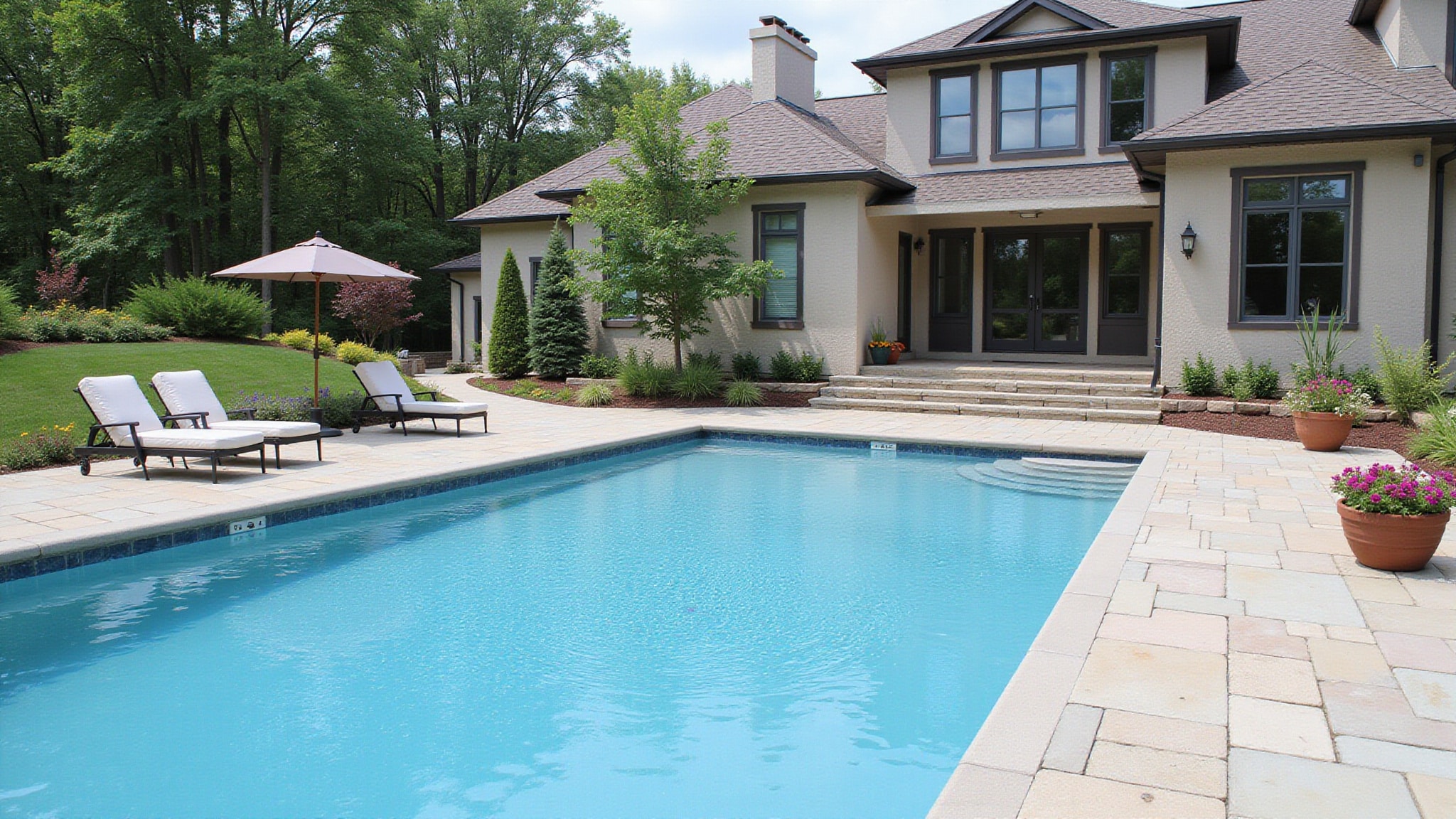
Hardscaping offers the best return on investment, delivering 100%, 200% ROI in some markets. Fire pits follow closely, generating up to 78% ROI and adding $3,000, $8,000 in resale value. Larger amenities like outdoor kitchens can push sale prices up to 2.2% higher, while decks recoup roughly 50% of their cost and add at least $8,000. Pergolas return 50%, 65%, and basic landscaping investments, like $375 in fertilizer and weed control, can add about $1,000 in value.
| Upgrade | Return on Investment |
|---|---|
| Hardscaping | 100%, 200% |
| Fire pit | Up to 78% |
| Pergola | 50%, 65% |
| Wooden deck | ~50% |
| Outdoor kitchen | Up to 2.2% higher sale |
Prioritize high-ROI features first, then layer in lower-cost improvements to maximize your total return.
What lower-cost upgrades still boost value
Several lower-cost upgrades still boost value. Fertilizer and weed control cost about $375 but add roughly $1,000 in property value. A fire pit ranks among the most affordable upgrades, generating resale gains of about $3,000 to $8,000 and an ROI of up to 78%. Routine yard care, mowing, fertilizing, pruning shrubs, and planting annuals, ranks among the best outdoor improvements per the National Association of Realtors. Pressure washing, edging flower beds, mulching, weeding, and trimming hedges preserve curb appeal at minimal cost. Low-voltage landscape lighting improves safety and nighttime appearance. Native, low-maintenance plantings reduce upkeep while boosting value. Well-landscaped homes show a 5.5%, 12.7% price advantage over homes with none, so even small, consistent efforts deliver returns.
What upgrades may not pay off
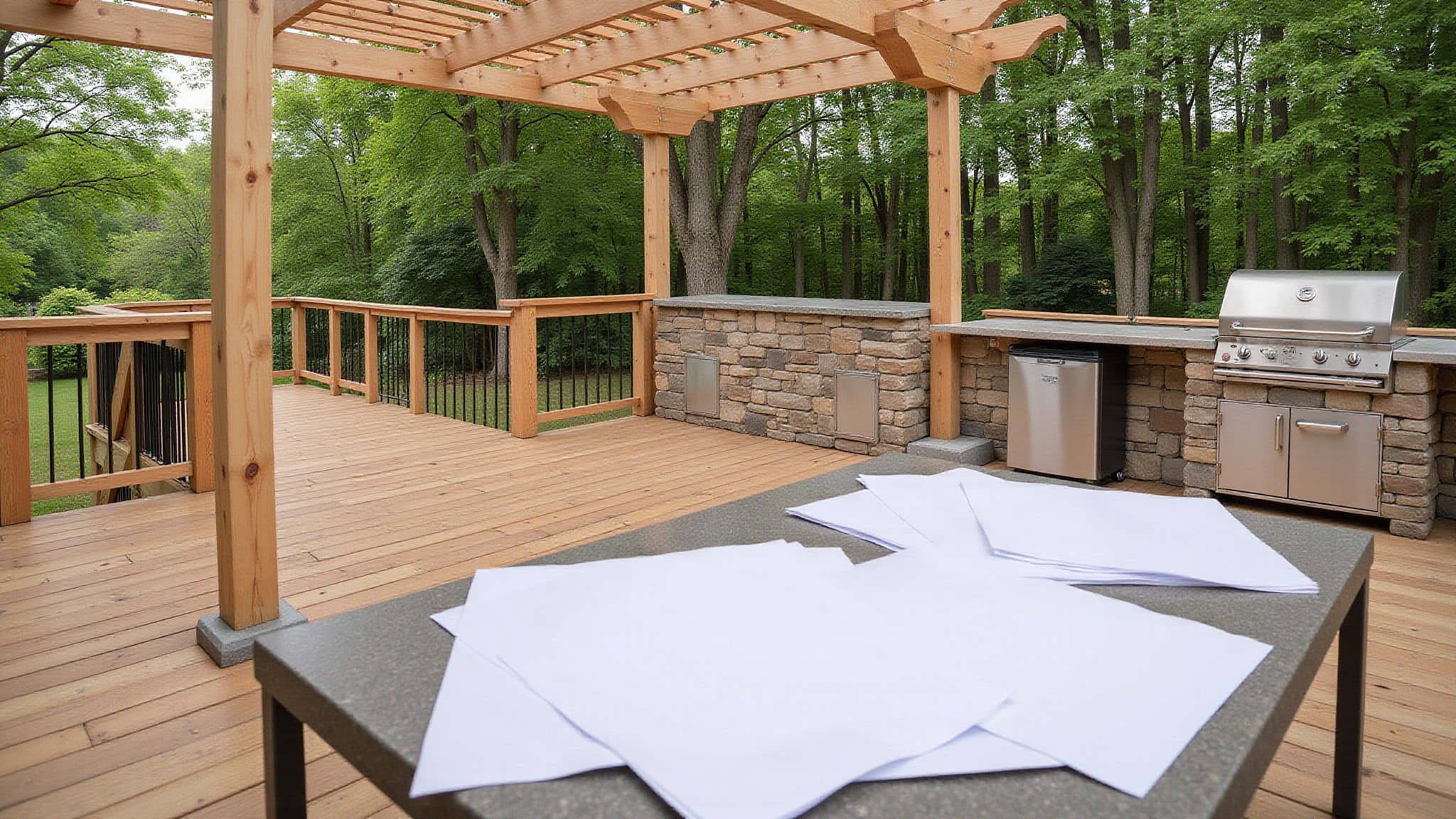
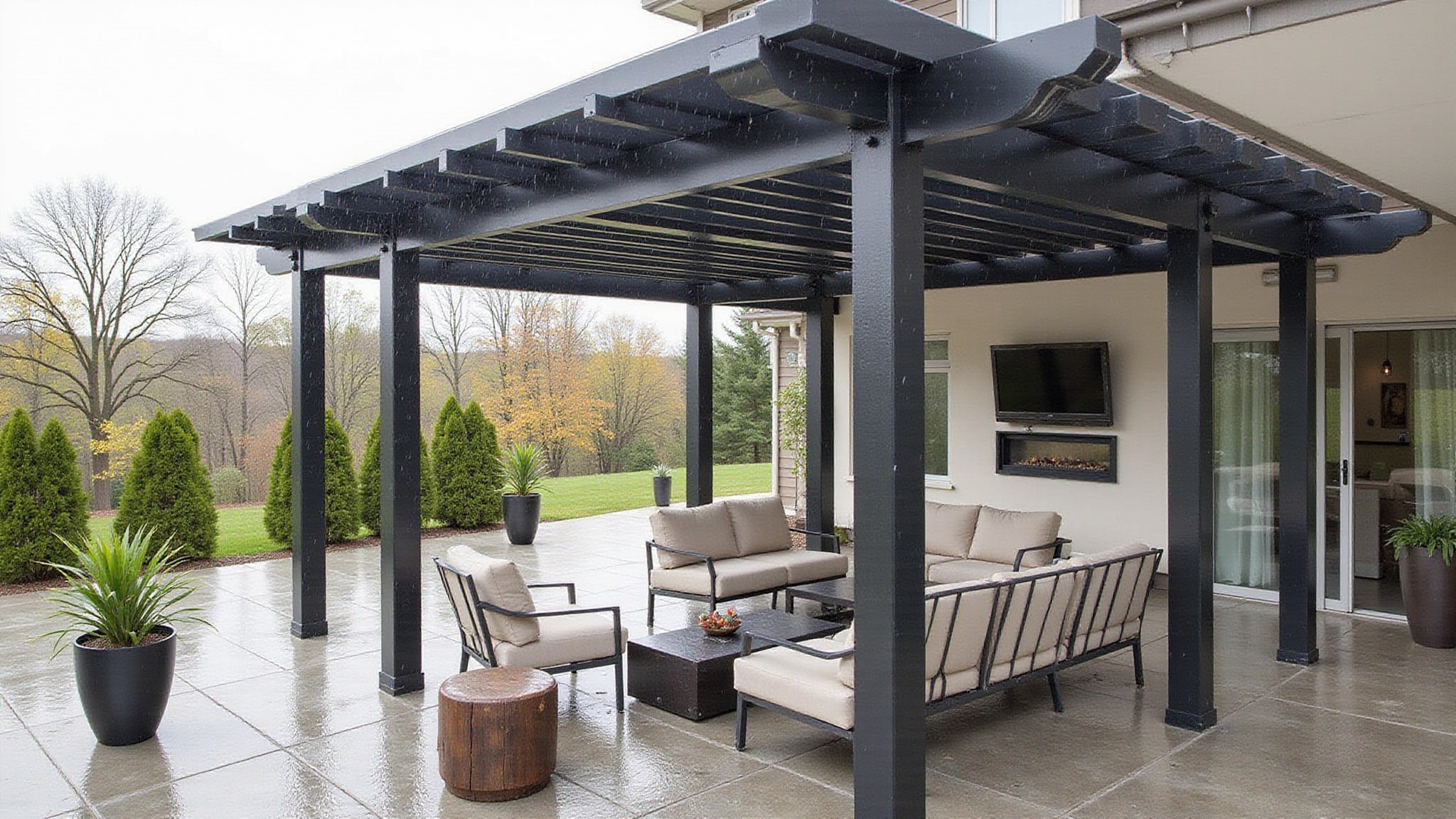
Some backyard upgrades may not pay off because they cost more than they recoup at resale. A wooden deck, for example, typically recoups only about 50% of its cost when you sell. Pergolas fall into a similar range, with reported ROI of just 50%, 65%, so you shouldn’t expect to break even on either.
Larger, personalized features carry the same risk. Outdoor kitchens can lift a sale price by up to 2.2%, but they don’t guarantee full cost recovery, and buyers may not value elaborate installations as much as you do. The lesson is straightforward: high price tags don’t automatically translate into proportional gains. Weigh each project’s expected return against its upfront cost and your local market’s preferences.
How do you choose the right upgrades for your home
Choose the right upgrades by starting with data. Routine yard care, mowing, fertilizing, pruning, and planting annuals, ranks among the best outdoor improvements, and fertilizer plus weed control costs roughly $375 while adding about $1,000 in value. From there, weigh ROI against cost. Hardscaping reports 100%, 200% ROI in some markets, and fire pits deliver up to 78% ROI with $3,000, $8,000 in resale gains. A wooden deck recoups about 50% of its cost, and pergolas return 50%, 65%. Match upgrades to your climate and property: attached decks with pergolas suit sunny regions, and retaining walls create usable space on hilly lots. Consider your buyers, too, privacy fencing appeals to families with children and pets. Prioritize visible, functional additions that finish your yard without overspending on features that won’t return value.
Conclusion
Not every backyard upgrade pays off equally; hardscaping, decks, and professional landscaping tend to return the most, while routine care protects the value already there. Knowing which projects boost resale, and which are simply nice to have, helps a homeowner spend where it counts. Innovative Outdoor Living designs and builds the high-return features that make a backyard both more enjoyable to live in and more valuable when it is time to sell.
Transform Your Backyard Into a Private Oasis
Every backyard renovation deserves a thoughtful plan, expert execution, and results that boost both lifestyle and home value. At Innovative Outdoor Living in Boca Raton, FL, our experienced team provides trusted Backyard Makeovers with expert craftsmanship and premium design. Call +1 (561) 594-1495 today and start your backyard transformation.
Frequently Asked Questions
How Long Do Most Backyard Upgrades Take to Complete?
Timelines come down to scope. Routine upkeep such as mowing, edging, mulching, and pressure washing goes quickly. Larger installations, decks, patios, retaining walls, or outdoor kitchens, take considerably longer because they are structural and often need permits and cure time. Matching the timeline to the complexity of each upgrade is the best way to set realistic expectations.
Do I Need Permits for Decks, Patios, or Fire Pits?
Often, yes, though requirements vary by location and project scope. Decks usually need permits, especially when attached to the home or above a certain height or size. Patios may require them depending on materials, drainage, and square footage. Fire pits frequently fall under local fire codes and setback rules. Checking with the local building department before starting avoids costly rework.
How Often Should Backyard Features Be Maintained After Installation?
Most features benefit from regular upkeep to protect their value. Mowing, edging, and weeding weekly during the growing season, with periodic fertilizer and weed control, is a modest investment (around $375) that can add roughly $1,000 in value. Shrubs and hedges do well with seasonal pruning, mulch once a year, and patios, decks, and pathways with an annual pressure wash. Wooden decks should be inspected and resealed every few years, since they recoup about 50 percent at resale.
Should I Hire a Professional or DIY These Upgrades?
It depends on the project’s complexity and return. Routine tasks like mowing, mulching, and weeding are easy to DIY, and fertilizer and weed control at about $375 can add roughly $1,000 in value. High-return, structural work is better left to professionals: hardscaping (100 to 200 percent ROI), decks (adding $8,000 or more), and retaining walls. Professional landscaping can lift resale value 15 to 20 percent, so complex or high-value features tend to justify the cost.
When Is the Best Season to Start Backyard Projects?
Early spring often gives the best results, when the soil is workable and planting conditions favour establishment, and it sets up landscaping, fertilizing, and hardscaping ahead of peak selling season. For structures like decks, patios, or fire pits, late spring through summer offers dry, stable conditions. Fall suits planting native, low-maintenance landscaping. Timing projects so the yard peaks when it is time to list makes the most of the investment.