
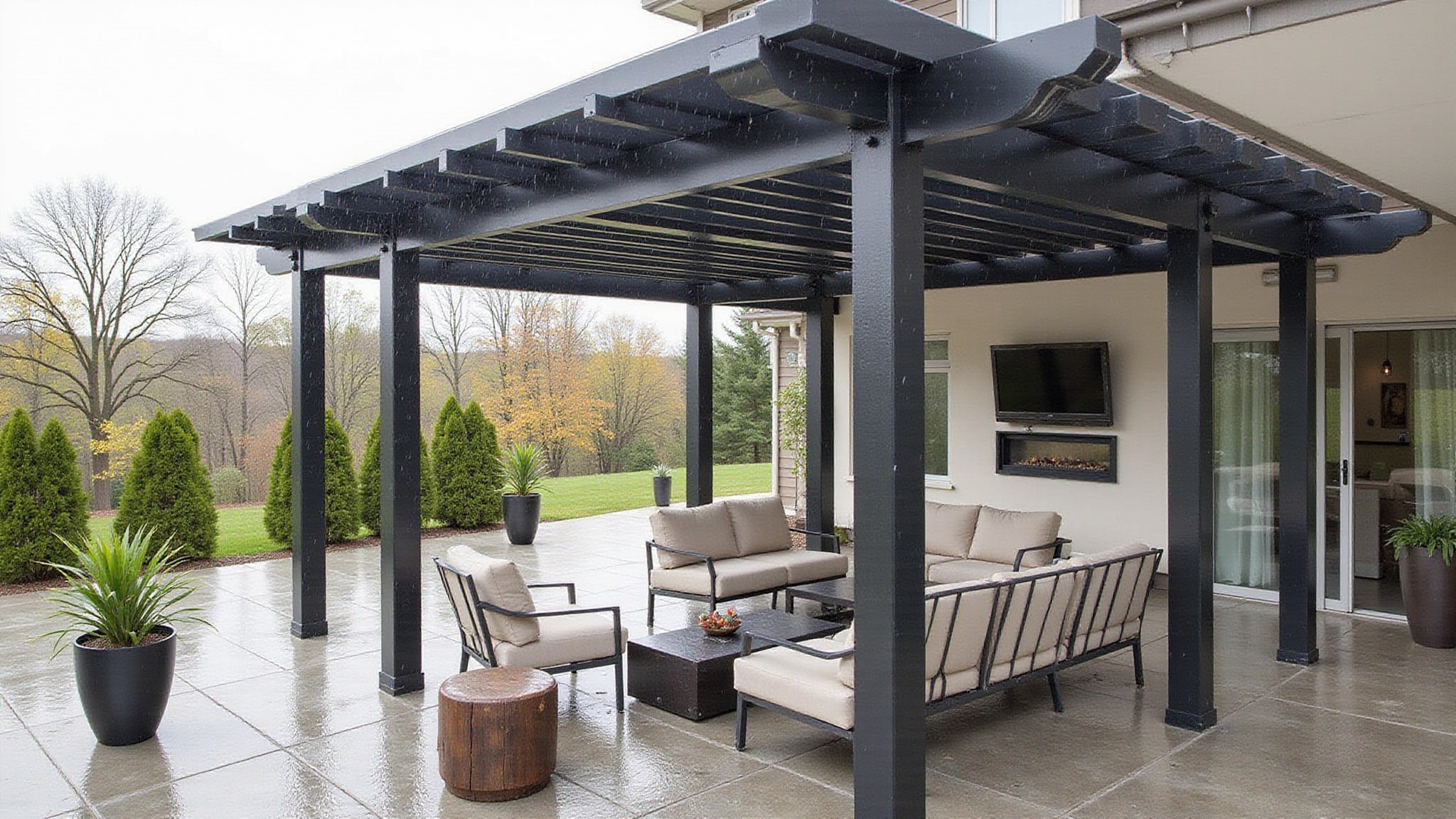

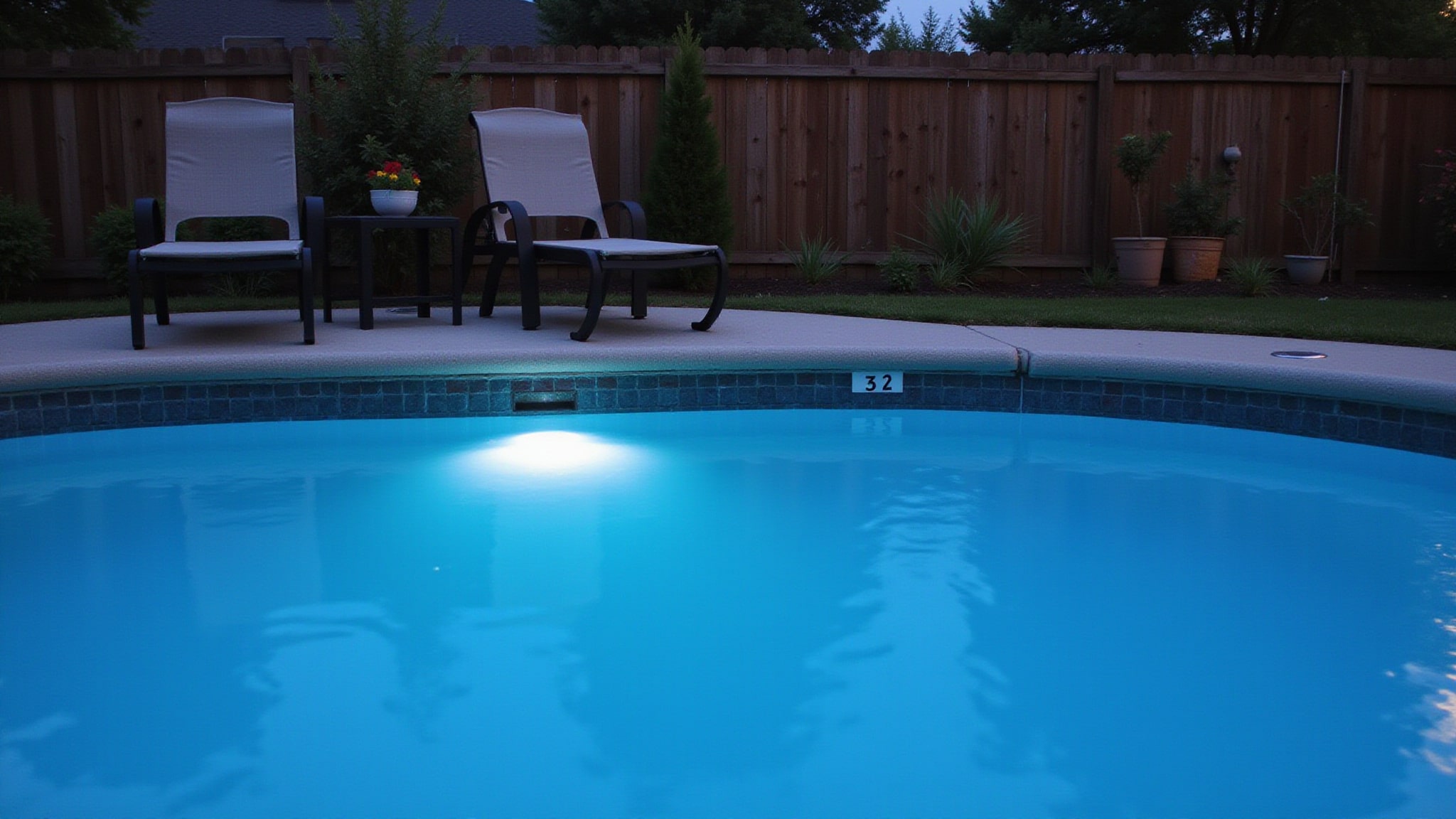

Design your dream patio by initially observing daily sun patterns and selecting an ideal location that balances privacy with accessibility. Choose the right size based on your entertainment needs from intimate 10×10 spaces to luxurious 20×20 layouts. Select weather-resistant materials like natural stone or composite decking for lasting durability, and incorporate a striking focal point like a fireplace or water feature. These foundational decisions will set the stage for your perfect outdoor sanctuary’s complete transformation.
Finding the Perfect Location for Your Patio Paradise
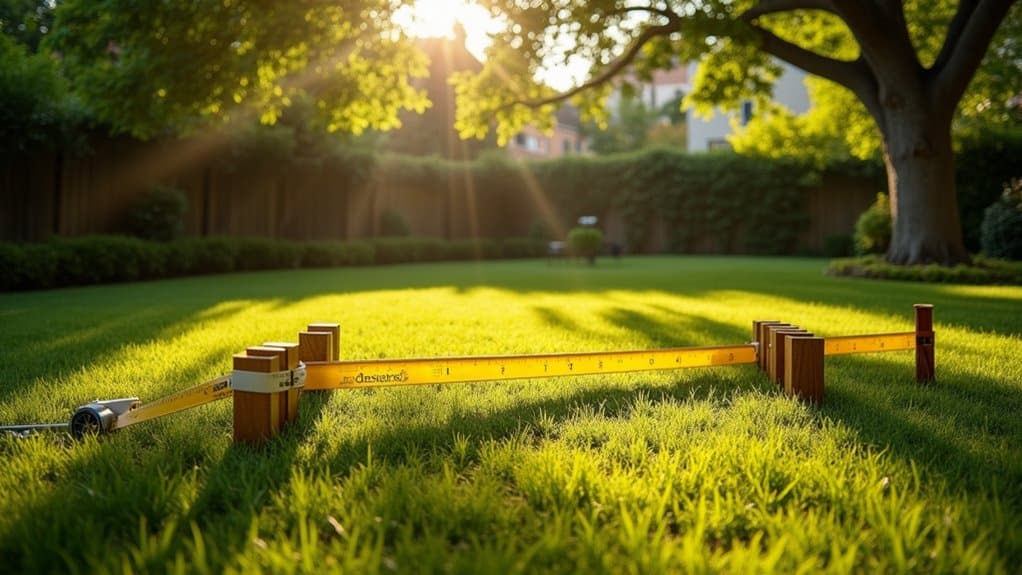
Where you position your patio can make or break your outdoor living experience. To create the ideal patio area, start by observing how sunlight and shadows move across your outdoor space throughout the day. Consider positioning your patio to capture morning sun or afternoon shade, depending on your local climate and soil conditions.
Your patio should complement your home’s architecture while integrating seamlessly with the broader scenery. Evaluate natural drainage patterns and guarantee proper water flow away from both your home and patio. Look for spots that offer privacy from neighbors while maintaining views of attractive landscaping or natural features. If possible, choose a location that’s easily accessible from your kitchen or living areas, making outdoor entertaining more convenient. Consider existing trees and vegetation that could provide natural shade or windbreaks.
Planning Your Patio’s Size and Layout
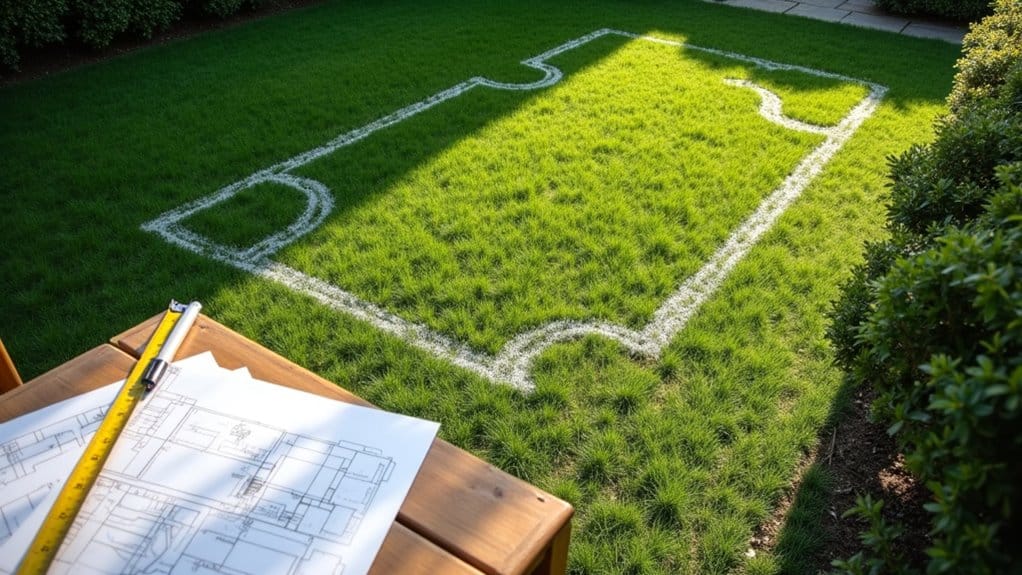
After selecting your ideal patio location, you’ll need to determine the right dimensions and configuration that optimize your outdoor space. Consider how you’ll use your patio and assess existing terrain elements to create a space that reflects your lifestyle.
| Usage Type | Recommended Size | Max Capacity |
|---|---|---|
| Intimate | 10×10 feet | 4 people |
| Standard | 12×12 feet | 6-8 people |
| Entertainment | 16×16 feet | 10-12 people |
| Luxury | 20×20 feet | 15+ people |
When planning your outdoor living space, establish a focal point such as a fireplace or water feature to anchor your design. Remember to allocate 3 feet of clearance around furniture for comfortable movement. This thoughtful approach guarantees your patio seamlessly integrates with your yard while providing the perfect balance of functionality and style.
Selecting Materials That Last a Lifetime
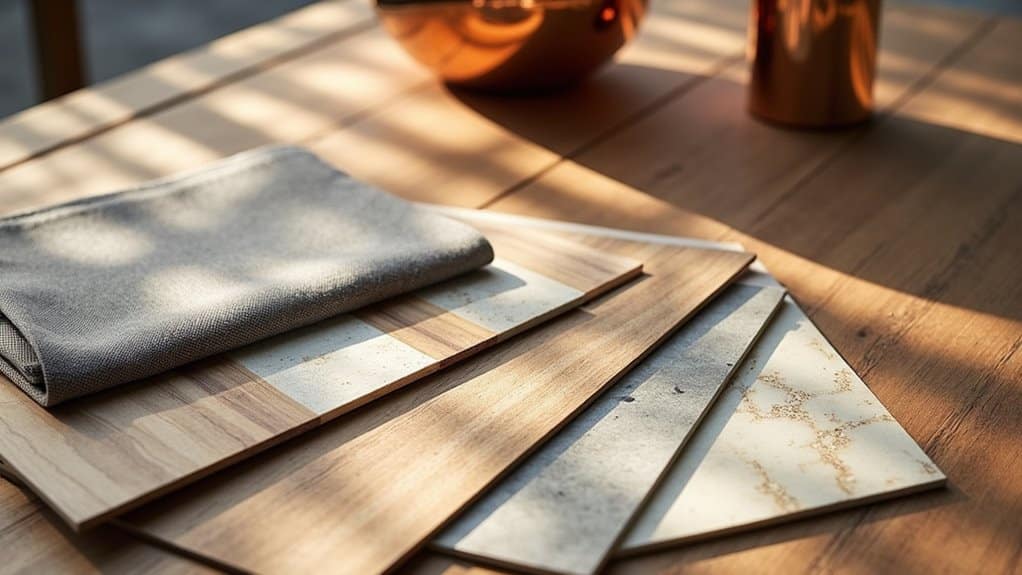
When comparing the costs of popular patio materials, you’ll find that natural stone and composite decking offer the highest long-term value despite their higher upfront costs, typically ranging from $15-30 per square foot installed. For superior weather resistance, consider porcelain tiles or stamped concrete, which can withstand extreme temperatures, UV exposure, and heavy rainfall while maintaining their original appearance for decades. Your maintenance requirements will vary greatly by material choice, with natural stone needing annual sealing and composite decking requiring only occasional cleaning, while concrete surfaces might need periodic resurfacing to prevent cracking.
Durable Material Cost Comparison
Choosing the right materials for your outdoor patio requires balancing upfront costs with long-term durability to optimize your investment. For budget-conscious homeowners, concrete offers excellent value at $6-$15 per square foot, delivering 30-50 years of low-maintenance performance.
While brick and interlocking pavers fall in the mid-range ($10-$30 and $10-$25 per square foot respectively), they provide different benefits. Brick offers classic appeal with 50+ years of durability, while pavers combine easy installation with 20-40 years of weather resistance. For a natural aesthetic, flagstone costs $15-$30 per square foot and provides decades of reliable service.
For maximum longevity, slate stands out at $20-$40 per square foot, potentially lasting up to a century with proper maintenance. This material comparison demonstrates how investing more upfront can notably reduce long-term replacement costs.
Weather-Resistant Surface Options
Since outdoor patios endure constant exposure to nature’s elements, selecting weather-resistant materials becomes essential for lasting performance. You’ll find exceptional durability in traditional options like brick, stone, and concrete, which require minimal upkeep while standing strong against harsh weather conditions.
For a modern approach, consider composite decking, which combines weather resistance with the aesthetic appeal of wood. If you’re seeking natural texture, flagstone and slate deliver slip-resistant surfaces that won’t deteriorate during freeze-thaw cycles. Porcelain tiles offer superior scratch resistance and color retention, making them ideal for high-traffic areas.
For an eco-friendly solution, install permeable pavers that effectively manage water drainage. These sustainable patio materials prevent puddle formation while contributing to groundwater recharge, proving that durable options can also benefit the environment.
Maintenance Requirements By Type
Before committing to your patio material, understanding the long-term maintenance requirements will help you make a cost-effective and sustainable choice. Each surface type demands different levels of care, from minimal upkeep to regular attention, which directly impacts your time and budget investment.
- Low-maintenance options include brick and permeable pavers, requiring only periodic cleaning and occasional sealing to maintain their integrity and appearance.
- Natural stone materials like flagstone and slate need minimal intervention, though you’ll want to plan for repointing mortar joints every few years to guarantee structural stability.
- Higher-maintenance choices include concrete, which may need resurfacing to address inevitable cracking, and wood decking materials that demand regular cleaning, staining, and sealing to prevent deterioration from weather exposure.
Incorporating a Stunning Focal Point
When planning your patio’s focal point, you’ll need to initially choose between timeless features like a stone fireplace, cascading water fountain, or fully equipped outdoor kitchen that best suits your lifestyle and space. Position your selected feature where it naturally draws the eye and creates an organic flow for furniture placement, considering factors like sun exposure, wind patterns, and viewing angles from both inside and outside your home. Your focal point should seamlessly integrate with your home’s existing architectural elements, whether that means matching materials, echoing design motifs, or complementing the overall aesthetic of your property.
Choose Your Feature Type
A stunning focal point serves as the heart of your outdoor patio design, anchoring the space and creating a natural gathering spot for family and friends. When selecting your feature type, consider how it’ll integrate with your existing outdoor area and provide a solid foundation for your overall layout.
- Fire pit or outdoor fireplace: Creates a cozy atmosphere, offers year-round functionality, and serves as a central gathering point for your outdoor furniture arrangement
- Water features: Incorporate eco-friendly fountains or cascading elements that provide soothing ambiance and natural cooling effects while complementing your outdoor lighting
- Outdoor kitchen: Optimize functionality with a well-designed cooking space that includes sustainable materials and energy-efficient appliances, perfect for entertaining and everyday use
Choose a feature that matches your lifestyle while considering the spatial requirements and visual equilibrium of your patio design.
Plan Feature Placement
Strategic placement of your chosen focal point transforms an ordinary patio into an alluring outdoor retreat. To create a space that flows naturally, position your feature where it’ll immediately catch the eye while maintaining proper scale with your patio’s dimensions. It’s one of the best ways to establish your desired aesthetic, whether you’re aiming for contemporary sophistication or rustic charm.
Consider sight lines from both inside your home and your place to relax outside when determining the ideal location. If you’re installing a fireplace or kitchen, guarantee it doesn’t block views or create awkward traffic patterns around patio furniture. Position water features where they’ll provide soothing ambiance throughout the space. Remember to align your focal point with your home’s architectural style while leaving enough room for comfortable seating and circulation.
Match Home’s Architecture
Creating harmony between your home’s architecture and patio focal point guarantees a seamless outdoor extension of your living space. To create a cohesive design that’ll work well throughout the year, make sure your chosen focal feature reflects your home’s existing style while serving as a functional centerpiece for Four Seasons enjoyment.
- Select materials and finishes that complement your home’s exterior elements, such as matching stone textures for a fireplace or choosing water features with similar architectural lines
- Incorporate your home’s color palette into the focal point design, using complementary hues in surrounding furniture and décor
- Echo your home’s geometric patterns and structural elements in your focal feature, whether it’s curved archways for a Mediterranean style or clean lines for modern architecture
Creating Comfortable Seating Zones
When designing your outdoor haven, comfortable seating zones serve as the heart of your patio’s functionality and appeal. Start by laying weather-resistant outdoor rugs to define each space and create distinct areas for different activities. Position durable furniture like wicker sets and Adirondack chairs strategically to optimize both conversation flow and scenic views while guaranteeing each seating area offers proper shade coverage.
Add layers of comfort and style with colorful, weather-resistant throw pillows that complement your outdoor furniture. Boost the ambiance of each zone with thoughtful lighting placement string lights can create an enchanting overhead canopy, while lanterns and path lighting safeguard navigation between spaces after dark. This multi-layered approach transforms your patio into a versatile outdoor retreat that’s perfect for both entertaining and relaxation.
Adding Protection From Sun and Elements
A well-protected patio space serves as your sanctuary throughout the changing seasons. By incorporating strategic shade elements and weather-resistant materials, you’ll create a comfortable outdoor living area that’s usable year-round. A thoughtfully designed combination of natural and artificial protection shields you from harsh sunlight while maintaining the outdoor atmosphere you love.
Transform your patio into a year-round oasis with thoughtful protection from the elements while preserving that cherished outdoor connection.
Transform your patio into a protected retreat with these essential elements:
- Install overhead structures like pergolas or trellises, complemented by leafy trees for natural, eco-friendly shade
- Layer your space with durable polypropylene outdoor rugs to create a comfortable, safe surface that protects feet from hot surfaces while adding style
- Set up strategic outdoor lighting to extend your patio’s usability after sunset, creating a warm, inviting ambiance perfect for evening entertainment
Installing Beautiful Outdoor Lighting
The right outdoor lighting transforms your patio from a daytime retreat into an enchanting evening haven. Consider adding energy-efficient LED lights strategically placed to highlight different elements of your space while maintaining an eco-friendly approach. These fixtures are easy to clean and weather-resistant, ensuring long-lasting performance.
| Lighting Options | Benefits | Placement |
|---|---|---|
| LED Path Lights | Energy-efficient | Along walkways |
| Tiki Torches | Add interest | Corner areas |
| Lanterns | Portable ambiance | Table tops |
To create a cohesive design, choose lighting that complements your patio’s style. Work with a professional lighting expert to develop an extensive plan that balances functionality and aesthetics. They’ll help you integrate multiple fixtures to create the perfect evening atmosphere while ensuring proper illumination for safety and enjoyment.
Frequently Asked Questions
How Do I Plan a Patio Layout?
Start by measuring patio dimensions based on your intended use and available space. You’ll want to determine patio materials that complement your home’s exterior and suit your climate. Next, integrate patio furniture while maintaining adequate walking paths, and consider patio lighting for evening enjoyment. Ultimately, incorporate patio features like a fire pit or water element as focal points. Remember to plan for sustainable drainage and eco-friendly material choices throughout your design.
How to Organize a Patio?
To organize your patio effectively, start by choosing patio furniture that fits your space while leaving ample walking paths. Create storage solutions using weather-resistant cabinets or benches with hidden compartments for cushions and tools. Incorporate lighting with solar-powered fixtures to illuminate key areas. Add decorative elements like potted plants and outdoor artwork to define zones. Ultimately, maintain cleanliness by implementing a regular sweeping schedule and protecting furniture from the elements.