
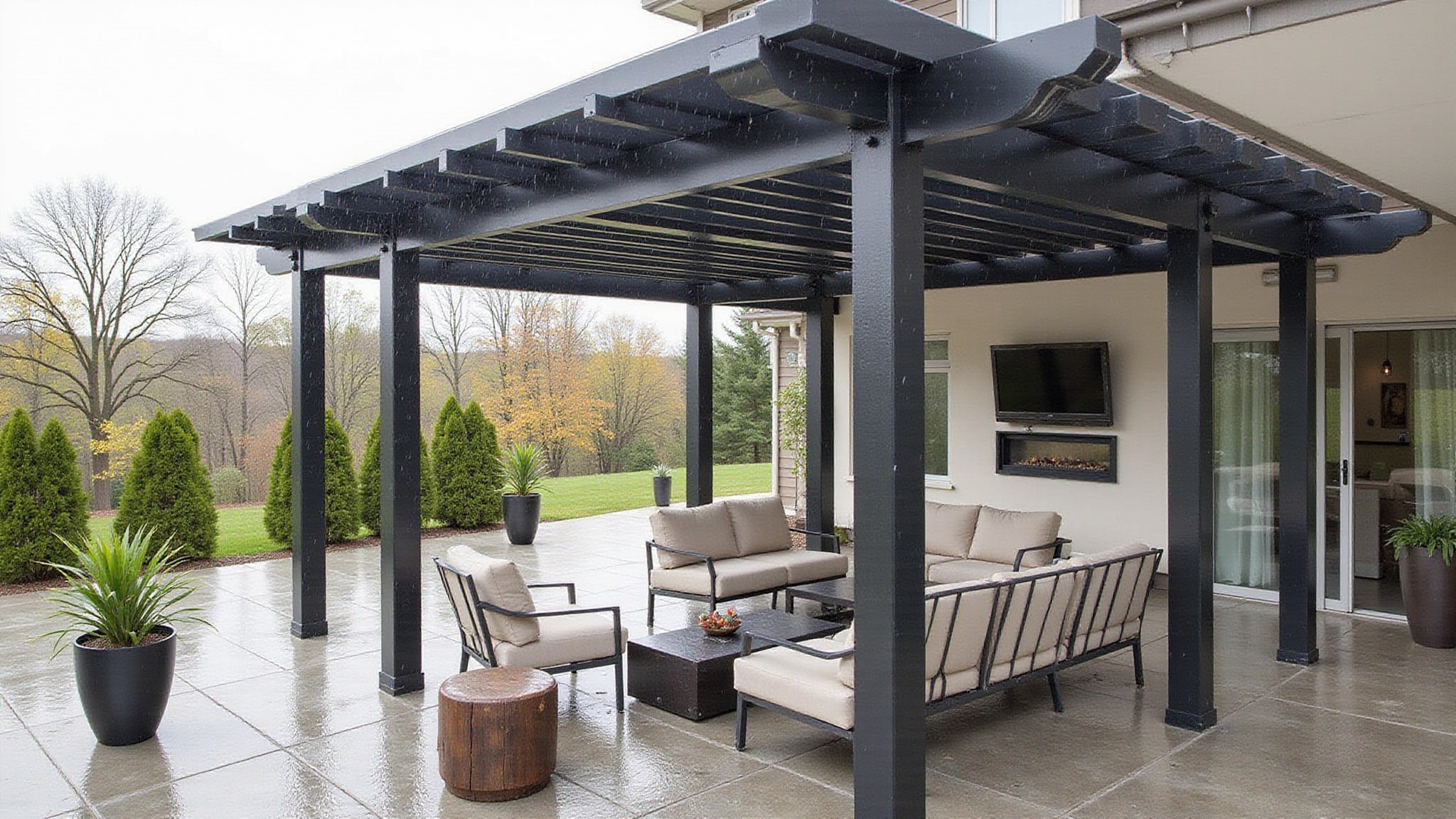

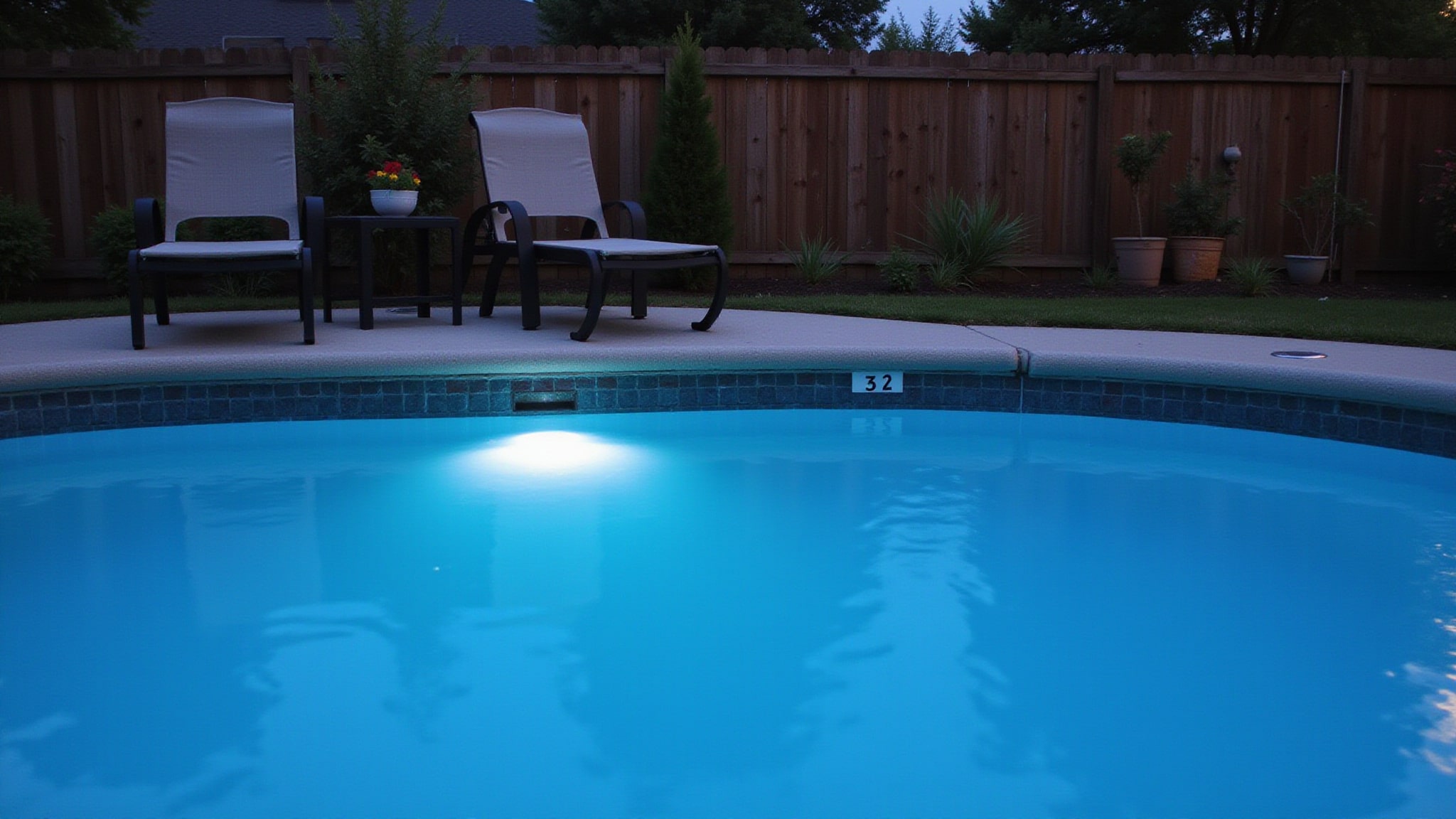

Transform your outdoor space by following seven essential steps: determine your living goals, analyze site conditions, create functional zones, select durable hardscape materials, choose climate-appropriate plants, plan strategic lighting, and add thoughtful furniture and decor. You’ll need to examine factors like sun exposure, wind patterns, and intended activities while ensuring your design harmonizes with the encompassing scenery. These fundamental principles will steer you in the direction of creating your ideal outdoor sanctuary.
Determine Your Outdoor Living Goals
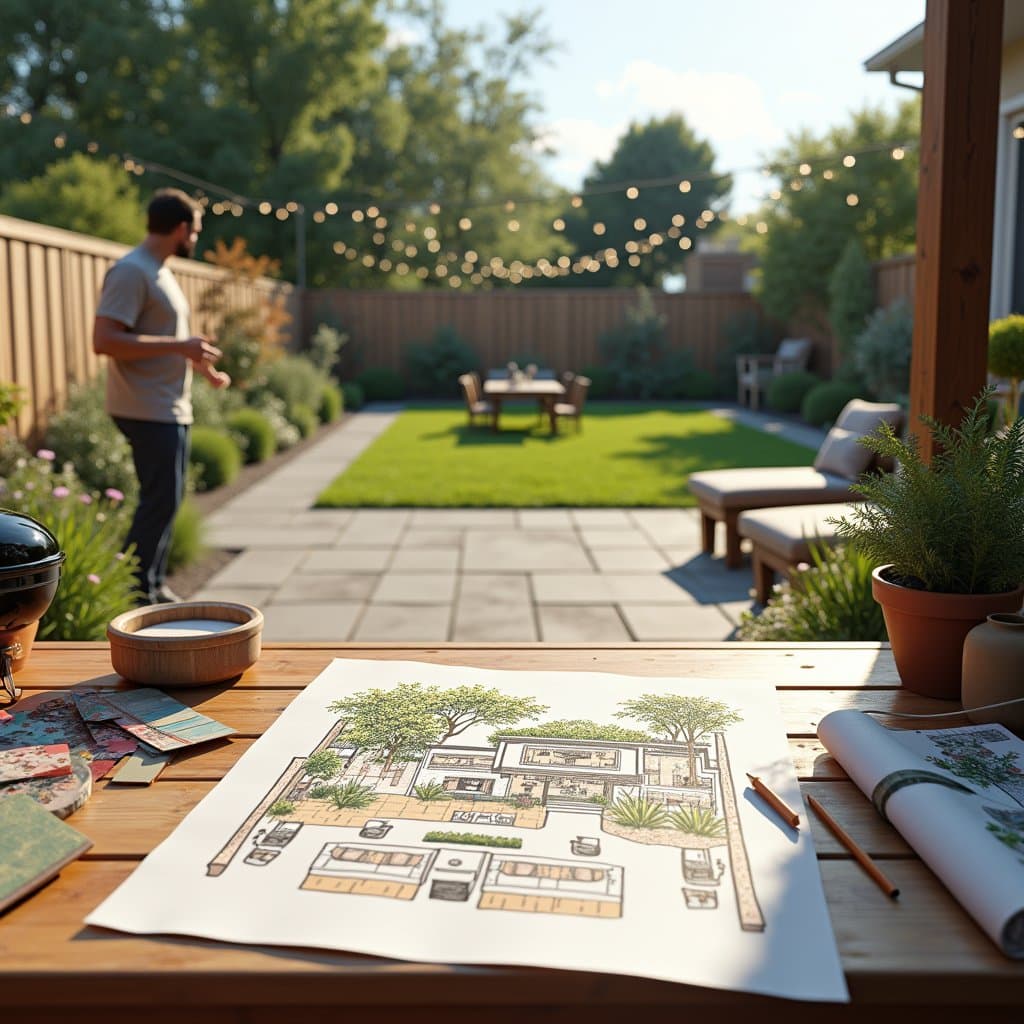
Every successful outdoor space begins with a clear vision of its intended purpose and functionality. To create an effective outdoor living space, you’ll need to carefully analyze how you plan to use your backyard area. Consider whether you’ll primarily host BBQ gatherings, organize intimate dinner parties, or simply want a tranquil garden retreat.
Assess your environment’s natural features and evaluate the number of guests you typically entertain to guarantee your design accommodates everyone comfortably. Take into account special requirements, such as child-friendly zones or pet-safe areas. Your outdoor living space should harmonize with the surrounding landscape while accounting for practical factors like wind patterns, sun exposure, and seasonal changes. By defining these objectives early, you’ll create a more purposeful and enjoyable outdoor area that serves your specific lifestyle needs.
Analyze Site Conditions and Layout
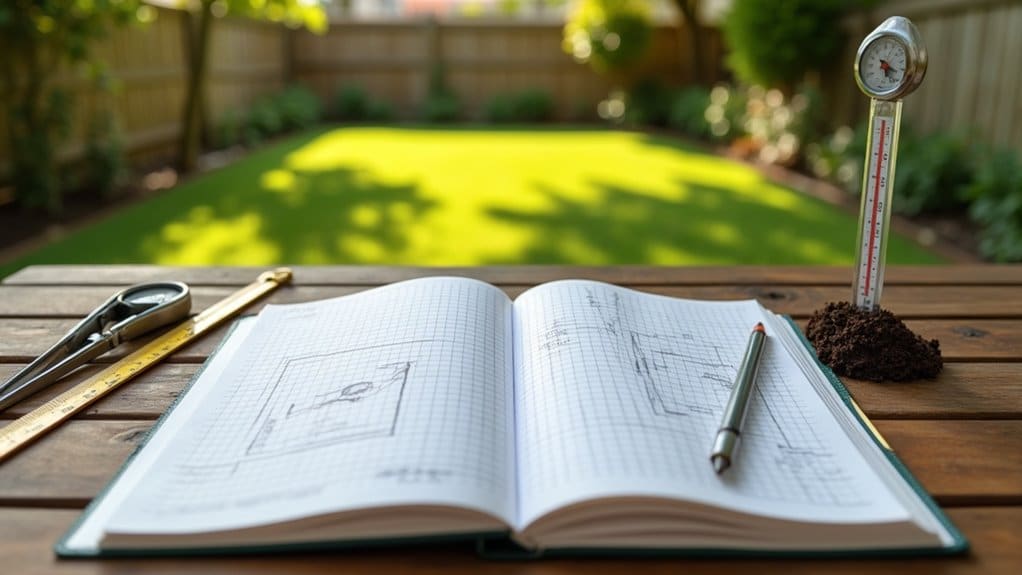
Before diving into design elements, a thorough analysis of your site’s conditions will determine the best layout for your outdoor space. You’ll need to evaluate views, wind patterns, and microclimates to create the most effective outdoor living areas that seamlessly connect with your home’s interior.
| Site Factor | Impact | Design Consideration |
|---|---|---|
| Sun Exposure | Comfort | Shade structures |
| Wind Patterns | Usability | Seating placement |
| Views | Aesthetics | Furniture orientation |
For ideal Home Design, observe how natural elements affect your backyard throughout the day. Consider consulting a landscape architect to help enhance your outdoor living room’s potential. They’ll assist in positioning outdoor furniture and creating functional zones that work with your property’s unique characteristics. Remember to place your outdoor living area near the kitchen for convenient access and establish logical traffic flow between spaces.
Create Functional Activity Zones
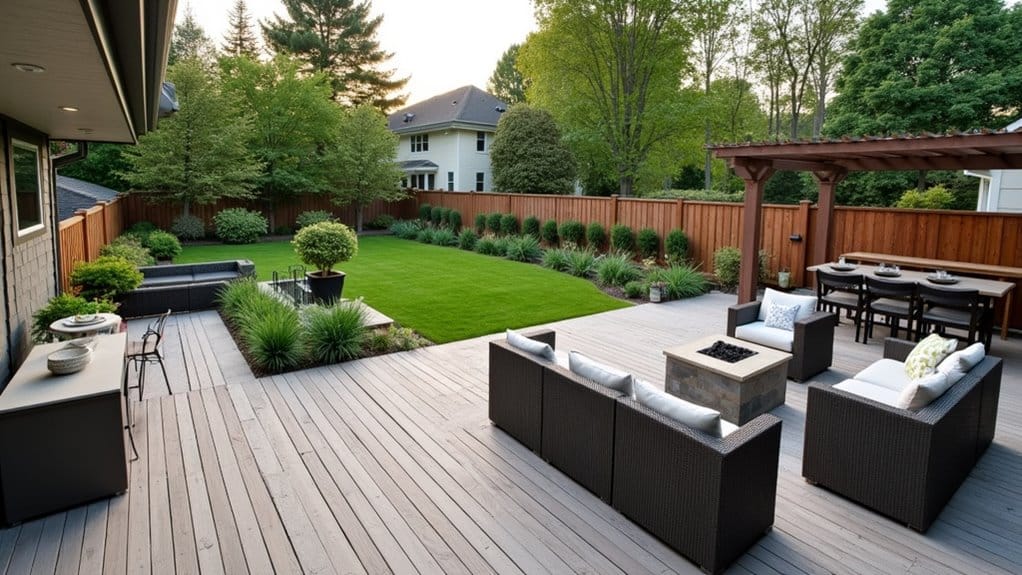
Building on your site analysis, successful outdoor spaces thrive when organized into distinct activity zones that serve specific purposes. When designing an outdoor space, establish dedicated areas for essential functions like an outdoor dining area, sitting area to enjoy quiet moments, and entertainment zones around a backyard fire pit.
Create seamless connections between your indoor and outdoor living spaces by strategically positioning high-traffic zones. Your outdoor kitchen should connect naturally to indoor cooking areas, while your backyard living space can extend from interior gathering spots. Design Ideas include incorporating multifunctional elements, such as convertible dining tables that double as game surfaces. When creating an outdoor living environment, guarantee each outdoor room has sufficient space for its intended use while maintaining clear pathways between zones for ideal flow and accessibility.
Select Hardscape Materials and Features
When designing your outdoor living space, selecting appropriate hardscape materials forms the essential foundation for long-term durability and visual appeal. Professional scenery designers recommend choosing weather-resistant elements that complement your home’s architecture while supporting your intended activities.
Consider these design elements for your outdoor transformation:
- Install permeable pavers for patios and walkways to manage water runoff while creating distinct gathering spaces
- Incorporate natural stone retaining walls that double as seating areas and define elevation changes
- Add water features like fountains or reflection pools to create tranquil focal points
A scenery architect can help you integrate these design ideas effectively, ensuring proper material selection and installation. They’ll consider factors like climate, maintenance requirements, and sustainability when helping you design a beautiful outdoor living space that meets your specific needs.
Choose Climate-Appropriate Plants
Selecting climate-appropriate plants sets you up for sustainable landscaping success while reducing maintenance and water consumption. Your landscape design should prioritize native and drought-tolerant plants that’ll thrive in your local conditions. When planning garden beds, consider incorporating both edible gardens and green walls to optimize space utilization.
| Plant Type | Best Uses |
|---|---|
| Perennials | Foundation plantings, borders |
| Annuals | Seasonal color, containers |
| Evergreens | Privacy screens, focal points |
| Drought-tolerant | Rock gardens, slopes |
Research your region’s soil composition, sun exposure patterns, and temperature ranges before making your plant selection. Group varieties with similar water requirements together to create efficient irrigation zones. Mix perennials, annuals, and evergreen plants strategically throughout your space to guarantee year-round visual interest and ecological benefits.
Plan Your Lighting Strategy
Effective outdoor lighting transforms your space from a daytime-only environment into a versatile, 24-hour living area. By incorporating energy-efficient LED solutions that work together, you’ll create depth and functionality while maintaining sustainability. String lights and pendant lights add decorative charm to areas that are open to the sky, while strategic uplighting makes your backyard look beautiful by highlighting architectural elements.
- Install dimmable task lighting near seating areas and pathways to provide safe navigation while maintaining ambiance
- Combine unique lighting techniques by positioning solar-powered accent lights to illuminate features that provide shade, such as pergolas or trees
- Layer ambient lighting through a mix of wall-mounted fixtures and ground-level options to create depth and visual interest
Choose fixtures that complement your design while prioritizing energy efficiency and ease of maintenance for a sustainable outdoor lighting strategy.
Add Finishing Touches With Furniture and Decor
Now that your lighting plan illuminates your outdoor sanctuary, the right furniture and decor selections will bring your vision to life. Design your outdoor rooms and dining areas with weather-resistant pieces like aluminum, wicker, or teak to guarantee longevity. When creating visual interest in your beautiful outdoor seating areas, incorporate unique materials through layered textures, throw pillows, and outdoor curtains.
To make your outdoor living space a focal point, consider including a water feature alongside functional elements like side tables and serving carts. Try adding cozy nooks and walls for privacy, complemented by strategically placed planters and lanterns. Keep in mind outdoor kitchens can transform your space, while accent pieces create a cohesive atmosphere. Whether you’re planning the fantastic inclusion of a swimming pool or a simple addition to your backyard space, focus on durability and style.
Frequently Asked Questions
How to Design a Backyard for Beginners?
Start by creating a functional layout plan that optimizes your space. Establish a cozy patio design with comfortable seating arrangements and versatile shade structures. Incorporate low-maintenance landscaping ideas, like drought-resistant plants and mulch. Design inviting garden pathways that connect different zones. Add eye-catching focal points and efficient storage solutions. Finish with personalized decor touches and harmonious color schemes that complement your home’s exterior. Don’t forget to examine sunlight patterns and natural traffic flow.
How Do You Create an Outdoor Living Space on a Budget?
You can create a budget-friendly outdoor living space by implementing cost-effective strategies. Start with affordable patio furniture from second-hand stores or end-of-season sales. Add budget conscious lighting options like solar-powered lanterns and string lights. Create small space garden designs using container plants and vertical gardening. Incorporate inexpensive DIY projects like pallet seating or concrete planters. Install budget friendly shade solutions such as shade sails, and consider affordable backyard makeovers using gravel or mulch for ground cover.
How Do I Style My Outdoor Area?
Start by creating cozy seating options with modern patio furniture arranged in conversation-friendly clusters. Add lush plant arrangements in varying heights and textures to establish eye-catching focal points. Install DIY shade structures like pergolas for comfort, and incorporate entertaining features such as a bar cart or outdoor kitchen. Optimize space with functional storage solutions, then layer in fanciful garden accessories and inviting lighting fixtures to improve your comfortable lounge areas after dark.
Do Outdoor Spaces Increase Home Value?
Yes, outdoor spaces dramatically increase your home’s value. You’ll see a 20% average surge in resale value through strategic landscaping and curb appeal improvements. Installing outdoor kitchens and patios can deliver a 100-200% ROI, while low-maintenance features like landscape lighting and shade structures add 3-7% value. Your backyard renovation investments, including water features and well-designed decks, typically yield a 5-12% higher selling price compared to homes without these amenities.