
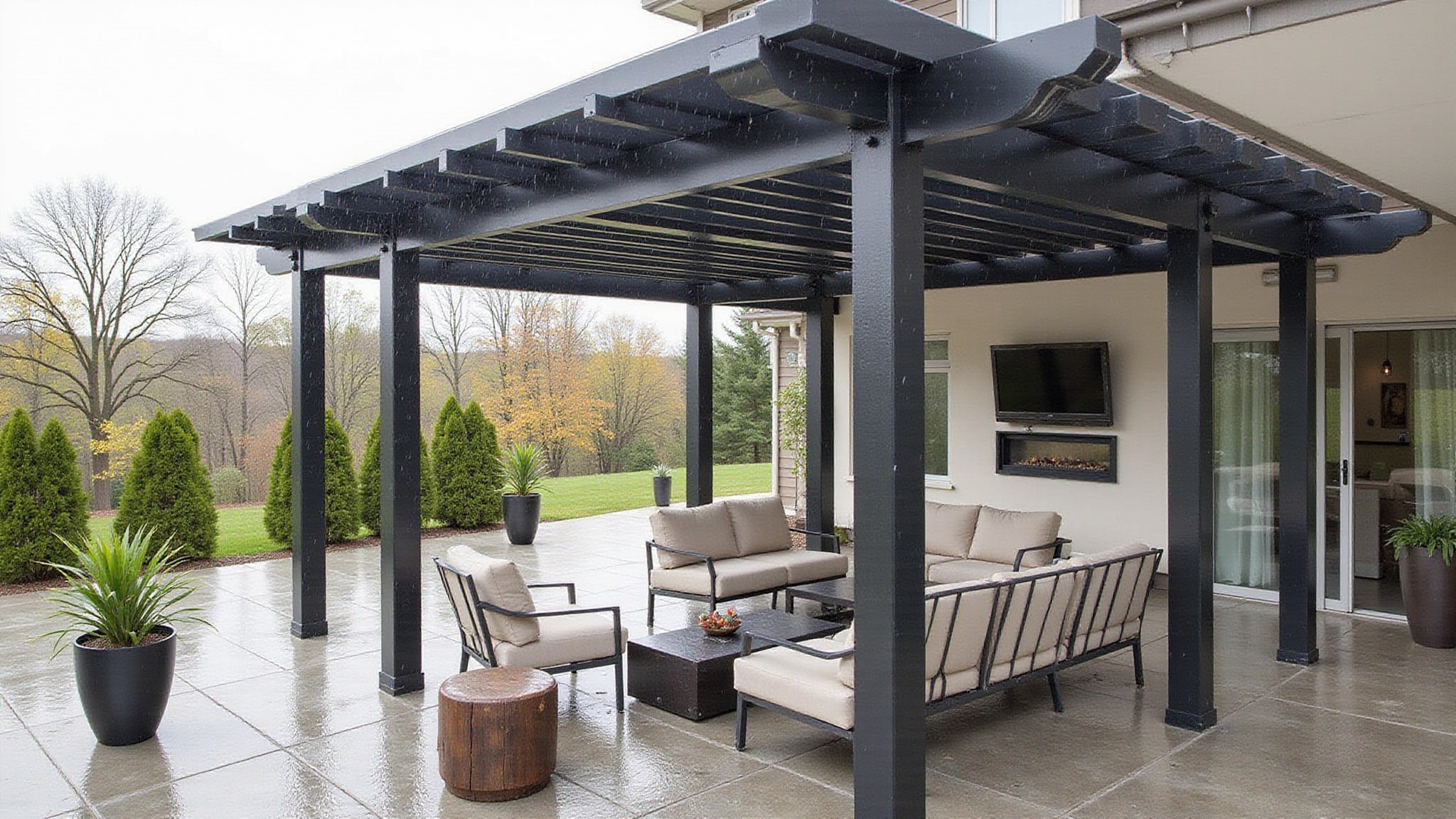

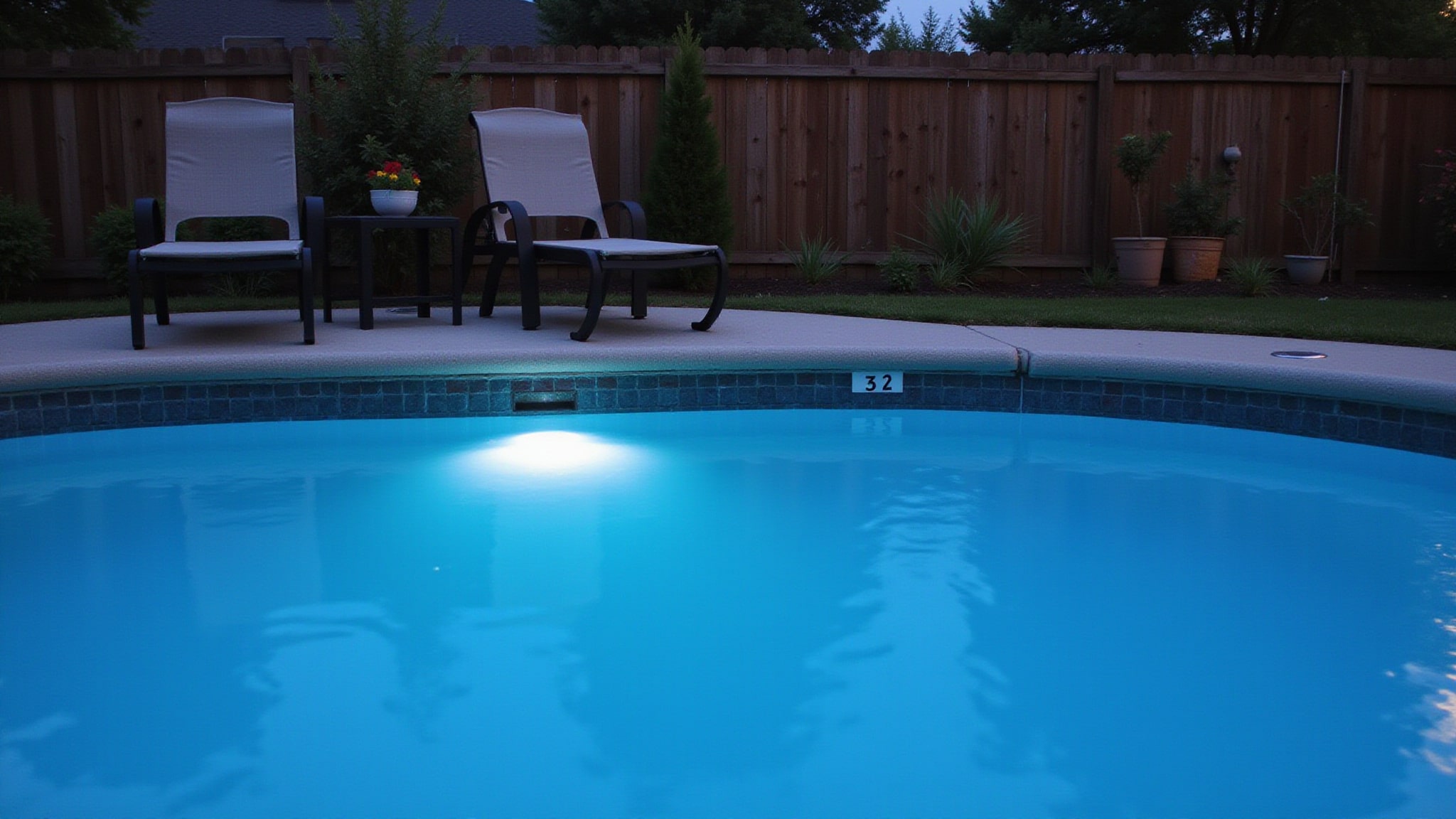

Start your outdoor design expedition by identifying your desired activities and lifestyle needs to create purposeful zones. You’ll want to strategically position key elements like patios and seating areas while accounting for local climate patterns and sun exposure. Select weather-resistant materials such as stainless steel furniture and pressure-treated wood structures, then improve with thoughtful lighting and native plants. Understanding these foundational principles will liberate your space’s full potential.
Essential Elements of Outdoor Space Planning
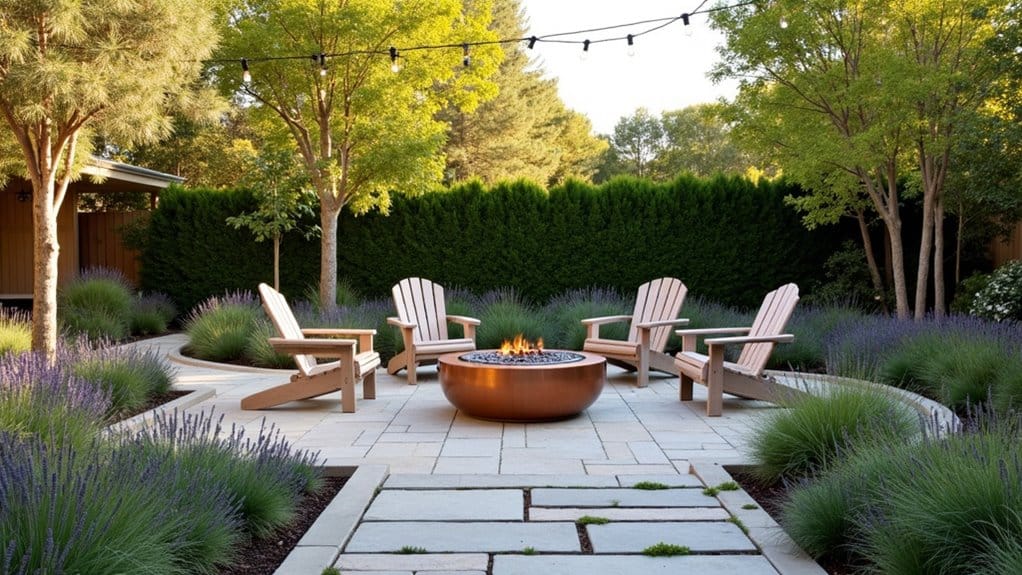
When planning your outdoor living space, a thoughtful and systematic approach guarantees excellent functionality and aesthetic appeal. Start by identifying your desired activities and lifestyle needs to create a sense of purpose for each area. Your landscape design should account for local climate patterns, sun exposure, and existing yard features.
In your landscaping project, strategically position key elements like patios and seating areas away from noise or wind exposure. Consider how green leaves and natural elements can enhance privacy while contributing to the space’s ambiance. Design ideas should prioritize sustainable materials and low-maintenance features that align with your long-term upkeep capabilities.
For optimal results, consult with landscape design professionals who can help transform your vision into a cohesive outdoor living space that maximizes both functionality and aesthetic value.
Creating Functional Activity Zones
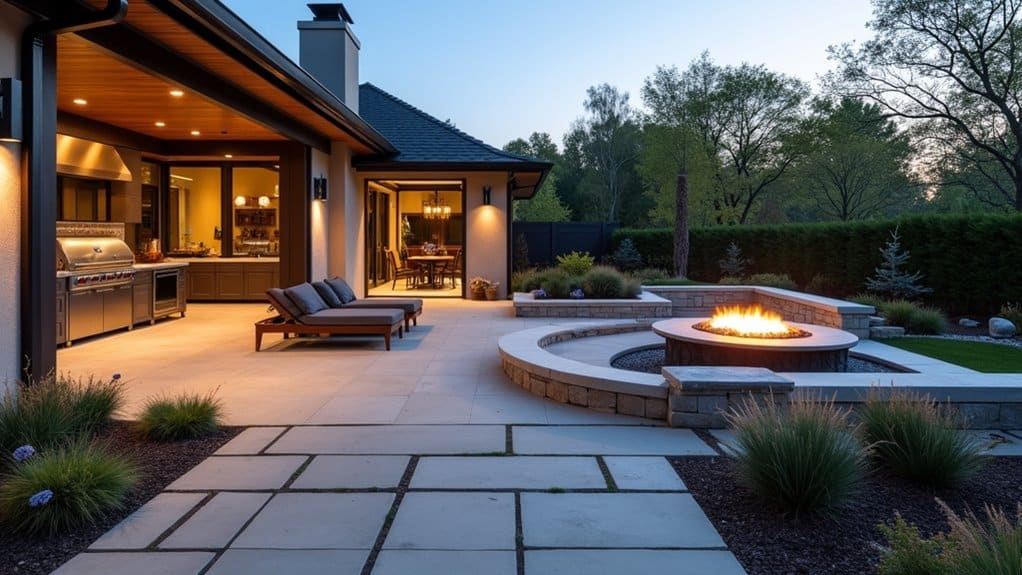
Building upon your space planning foundation, the creation of distinct activity zones transforms your outdoor area into a multi-functional living environment. When you design your outdoor area, strategically position each zone to maximize natural light, maintain privacy, and guarantee smooth traffic flow throughout your outdoor living spaces.
Start by establishing hardscaping elements that create clear boundaries between your dining, lounging, and play areas. You’ll want to incorporate varied seating arrangements that complement each zone’s purpose while maintaining design cohesion. To improve your garden’s functionality, integrate thoughtful landscaping elements like strategic plantings, water features, and ambient lighting around each activity area. This approach not only defines your spaces but also creates an immersive outdoor experience that seamlessly connects with your interior living areas.
Selecting Weather-Resistant Materials
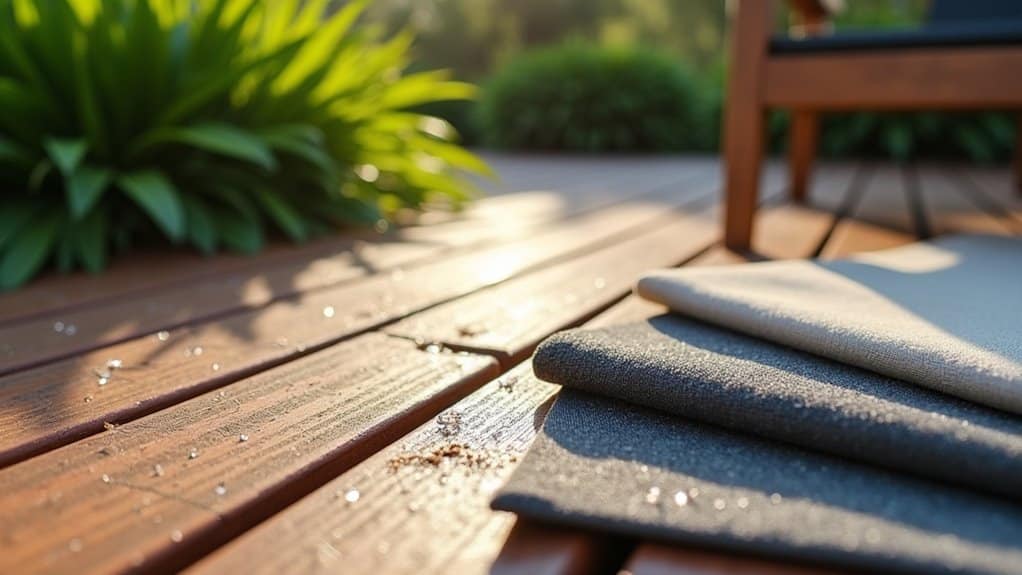
Selecting the right weather-resistant materials forms the cornerstone of a sustainable and long-lasting outdoor design. When planning your exterior space, you’ll need to examine durable solutions for every element, from furniture to hardscaping.
| Element | Material Options | Benefits |
|---|---|---|
| Furniture | Stainless Steel, Teak | Rust-resistant, Long-lasting |
| Fabrics | Solution-dyed Acrylic | UV-protected, Mildew-resistant |
| Structures | Pressure-treated Wood | Rot-resistant, Weather-proof |
| Hardscaping | Natural Stone, Pavers | Freeze-thaw resistant, Durable |
Focus on low-maintenance materials that’ll withstand your local climate conditions. Choose drought-tolerant plants for landscaping, and opt for powder-coated aluminum or UV-protected plastics for outdoor furniture. Your hardscaping should incorporate weather-resistant materials like stone or concrete pavers, while outdoor structures benefit from cedar or pressure-treated lumber’s natural durability.
Maximizing Natural Features and Views
Beyond selecting durable materials, the true artistry of outdoor design lies in harmonizing with nature’s existing canvas. Your outdoor space can become an extension of the natural surroundings when you make strategic choices to help showcase your Backyard’s inherent beauty.
- Position Living areas to frame scenic vistas, ensuring you’ll enjoy breathtaking views every time you step outside
- Install water features that complement existing terrain, creating a seamless flow between natural and designed elements
- Select native plants that thrive in your climate while supporting local biodiversity
- Implement targeted lighting to highlight natural textures after dark, extending your outdoor enjoyment
Use semi-transparent materials for hardscaping to maintain visual connectivity, allowing your design to blur the lines between built and natural environments. This approach creates a sustainable, harmonious outdoor space that celebrates its surroundings.
Lighting Strategies for Exterior Spaces
While natural daylight improves your outdoor spaces during the day, a well-planned lighting strategy transforms your exterior environment after sunset. Your Backyard Landscape’s focal points deserve strategic illumination, from your outdoor kitchen to the fire pit area. Consider these Landscaping Tips for effective lighting placement:
| Lighting Type | Best Application |
|---|---|
| Solar Lights | Pathways & Borders |
| String Lights | Entertainment Areas |
| Uplighting | Trees & Architecture |
| Spotlights | Water Features |
| Downlighting | Seating Zones |
You’ll want to incorporate eco-friendly solar-powered options where possible, particularly for high-traffic areas. Accentuate your water features with targeted illumination to create tranquil evening atmospheres. For beginners, start by identifying key activity zones, then layer your lighting accordingly. Keep in mind that proper placement not only enhances visibility but also creates depth and ambiance in your outdoor living space.
Incorporating Water and Fire Features
When you’re planning your outdoor living space, consider positioning water elements like cascading fountains or reflection pools near your seating areas to create a tranquil atmosphere while masking ambient noise. For fire features, you’ll want to strategically place a built-in fire pit at least 10 feet from structures and overhanging trees, incorporating weather-resistant materials like stone or concrete for safety and longevity. Both water and fire elements can work in harmony to define distinct zones in your surroundings, with the sound of flowing water providing a daytime focal point and the warmth of flames offering an inviting nighttime gathering space.
Soothing Poolside Water Elements
As homeowners seek to create immersive outdoor experiences, the strategic integration of water and fire features can transform an ordinary poolside into a sophisticated retreat. When you work together to create a harmonious design, cool colors from water elements and warm colors from fire features help you create a balanced atmosphere. Landscape designers understand how clean lines create visual flow between these elements.
Consider these key aspects for your poolside water features:
- Install solar-powered fountains to safeguard energy consumption
- Position water features strategically to mask ambient noise
- Incorporate LED lighting to elevate nighttime ambiance
- Select designs that complement your existing pool aesthetic
There’s no need for complex installations even simple water elements can dramatically improve your outdoor space while maintaining eco-friendly principles. Strategic placement guarantees these features work cohesively with your pool area.
Fire Pit Design Basics
Since outdoor living spaces continue to evolve, incorporating a well-designed fire pit can create a striking focal point that complements your poolside water features. When getting started, position your fire pit at least 10 feet from structures and trees, ensuring both safety and ideal spatial flow.
To make an impact, design an outdoor seating area that encourages conversation, using weather-resistant materials arranged in a circular or semi-circular pattern. You’ll spend more time enjoying the space when elements work together harmoniously consider how prevailing winds affect smoke direction and integrate built-in seating with proper drainage.
For outdoor dining integration, install a dual-purpose fire pit with a cooking surface or removable grill grate. Choose sustainable fuel options like natural gas or propane for consistent heat and reduced environmental impact, while maintaining proper ventilation and safety clearances.
Plant Selection and Garden Design
When you strategically incorporate native plants into your garden design, you’ll create a resilient ecosystem that supports local wildlife while requiring minimal intervention and resources. Your garden’s visual impact can be optimized by mapping out seasonal color shifts, ensuring continuous blooms from early spring through late fall. To minimize maintenance requirements, select drought-tolerant perennials and ground covers that naturally suppress weeds, making your outdoor space both sustainable and manageable.
Native Plant Benefits
Native plants represent a cornerstone of sustainable scenery design, offering distinct advantages that extend far beyond their aesthetic appeal. When planning your garden design, incorporating native plants transforms your outdoor space into an efficient, low-maintenance ecosystem that boosts curb appeal while supporting local wildlife.
- You’ll vastly reduce water consumption through native plants’ natural drought tolerance, eliminating the need for complex irrigation systems.
- Your green thumb efforts become more rewarding as these plants naturally adapt to local soil conditions and weather patterns.
- Flower gardens featuring native species create essential habitats for pollinators, contributing to a healthier local ecosystem.
- You can develop an edible environment that combines indigenous food-bearing plants with ornamental natives, maximizing your space’s functionality.
These adaptive plants help you achieve a sustainable, visually striking outdoor environment that thrives with minimal intervention.
Planning Seasonal Color
Building upon the resilience of native plants, strategic color planning guarantees your garden remains vibrant throughout the year. To save money and create excitement in your flower beds, you’ll want to understand how different plants peak during diverse seasons. Consider these basics of landscaping when designing your garden beds.
| Season | Dominant Colors | Key Plants | Height Variation | Bloom Duration |
|---|---|---|---|---|
| Spring | Pink/Yellow | Tulips | 6-12 inches | 3-4 weeks |
| Summer | Purple/Red | Lavender | 2-3 feet | 8-10 weeks |
| Fall | Orange/Bronze | Mums | 1-2 feet | 6-8 weeks |
| Winter | White/Green | Holly | 4-6 feet | Year-round |
| Early Spring | Blue/White | Crocus | 4-6 inches | 2-3 weeks |
Tips for Beginners: Layer your plantings with varying heights, combine early and late bloomers, and incorporate evergreens for year-round structure.
Low-Maintenance Garden Choices
Creating a low-maintenance garden starts with smart plant selection and thoughtful design principles. When you’re landscaping design, it is crucial to Prioritize that every plant choice will impact your workload in the long run. To help make your garden more manageable, even in a small space, group plants with similar water requirements together.
- Select native perennials like daylilies and coneflowers that naturally resist local pests
- Incorporate drought-tolerant options such as lavender and sage to minimize watering needs
- Use groundcover plants like clover and pachysandra to reduce mowing requirements
- Group plants strategically based on their maintenance needs
Keep in mind that while there are endless possibilities for your garden design, focusing on low-maintenance species will create a sustainable and beautiful outdoor space that thrives with minimal intervention.
Maintenance and Long-Term Care Solutions
While beautiful outdoor spaces can captivate visitors initially, their long-term appeal depends entirely on proper maintenance and care routines. To protect your time and money investment, it’s crucial to think about implementing systematic care solutions for every aspect of your landscape. Make sure you’re establishing consistent mowing and edging schedules that enhance your Home’s Curb appeal while considering how Backyard-Shade areas might require specialized attention.
You’ll need to develop an all-encompassing maintenance strategy that includes deep watering techniques, strategic mulching, and seasonal tasks like pruning and leaf removal. Think about how much effort you can dedicate to hardscape maintenance, such as pressure washing and sealing. By incorporating these essential care routines, you’ll preserve both the functionality and aesthetic appeal of your outdoor space while promoting sustainable landscape practices.
Frequently Asked Questions
How Do Local Wildlife Affect Outdoor Design Choices?
You’ll need to adapt your outdoor design to local wildlife patterns by selecting native flora that supports indigenous species while deterring invasive ones. Consider wildlife-friendly plants that provide food and shelter, but position water features away from high-traffic areas. Install motion-sensor lighting to minimize disruption to nocturnal creatures. Implement natural garden pest management strategies and create dedicated nesting habitats to maintain a balanced ecosystem in your outdoor space.
What Permits Are Typically Required for Outdoor Construction Projects?
You’ll need to obtain building permits before starting any major outdoor construction. Check your local zoning regulations, which govern setbacks, height restrictions, and land use. You must acquire utility locates to prevent damaging underground services. Environmental impact assessments may be required for sensitive areas, while drainage considerations often need municipal approval. Your site planning should include detailed material selection documentation. Most jurisdictions also require final inspections to confirm compliance with approved permits.
Can Outdoor Spaces Be Designed for Year-Round Use in Extreme Climates?
You can create functional year-round outdoor spaces even in extreme climates by implementing strategic design elements. Combat seasonal temperature variations with retractable insulated enclosures and adjustable wind protection methods. Install shaded lounge areas for summer comfort, while positioning fire pit placement for winter warmth. Consider weather-resistant water feature designs that won’t freeze or overheat. Incorporate sustainable materials and smart orientation to optimize natural protection from harsh elements.
How Do Property Setbacks and Easements Impact Outdoor Design Plans?
You’ll need to carefully consider property line placement and zoning regulations adherence when planning your outdoor space. Setbacks limit how close you can build to boundaries, while easements reserve access for utilities and drainage system design. These restrictions will affect your hardscape material selection, landscape accessibility, and outdoor lighting placement. It is crucial to verify these requirements with local authorities before starting any project to guarantee compliance and avoid costly modifications later.
What Are the Noise Reduction Options for Outdoor Living Spaces?
You’ll achieve effective noise reduction in your outdoor spaces by implementing multiple sound management strategies. Start with strategic landscaping using noise-cancelling vegetation like dense evergreens and tall grasses. Install acoustic fencing with sound-absorbing materials, and add vertical gardens for extra buffering. You can mask unwanted sounds with water features or ambient music systems. For versatile coverage, mount weather-resistant outdoor curtains that’ll absorb sound while creating private zones.