If you want brighter, weather-independent light, choose low-voltage: it steps household power down to roughly 12V through a transformer and buried cable, driving fixtures that often exceed 200 lumens year-round. If you’d rather skip trenching and wiring, go solar, each fixture charges a battery by day and runs an LED at night, though output typically falls between 2 and 100 lumens. Your ideal pick depends on details worth exploring below.
Key Takeaways
- Low-voltage lighting uses a transformer to step 120V down to 12V, routing power through buried cable to hardwired fixtures.
- Solar lighting is self-contained, using each fixture’s panel to charge a battery that powers an LED at night.
- Low-voltage delivers brighter, consistent output exceeding 200 lumens per fixture, unaffected by weather or season year-round.
- Solar offers lower upfront cost and wire-free installation but yields dimmer 2 to 100 lumen output that varies with sunlight.
- Choose low-voltage for reliable security and uplighting; choose solar for easy, remote placement with no electricity costs.
Low Voltage vs Solar Landscape Lighting
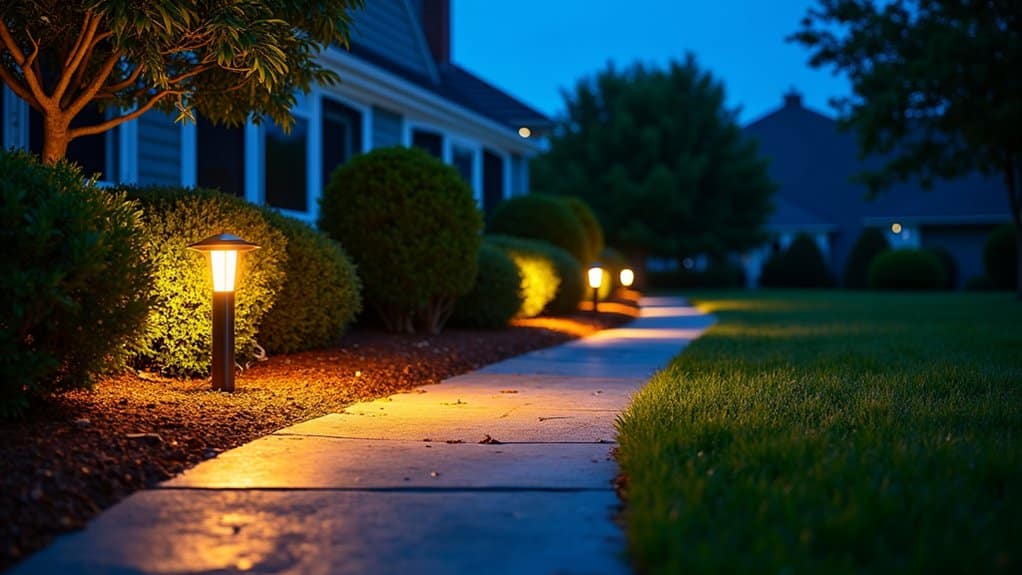
Low-voltage and solar landscape lighting differ fundamentally in their power architectures. Low voltage lighting uses a transformer to step household power from 120V down to about 12V, then routes that current through buried cable to hardwired fixtures. Solar landscape lighting works differently: each fixture carries its own photovoltaic panel that charges a rechargeable battery during the day and powers an LED at night. That distinction drives everything else. The low voltage vs solar landscape lighting debate comes down to wiring and power access versus wire-free convenience. With low-voltage, you’re committing to trenching, cable runs, and a central power source. With solar, you’re going self-contained, no wiring, no transformer, and complete independence from your home’s electrical system.
What is low voltage landscape lighting
Low-voltage landscape lighting is an outdoor lighting system that operates at roughly 12V rather than full household voltage, relying on a transformer to step 120V power down to a safer, lower current before routing it to your fixtures. Among landscape lighting types, this hardwired approach connects directly to your home’s electrical system, delivering consistent, professional-grade outdoor lighting year-round. Downlighting benefits in outdoor spaces can significantly enhance the ambiance and functionality of your yard. By strategically placing fixtures to illuminate pathways, patios, and gardens, you create a warm and inviting atmosphere for gatherings and leisure activities.
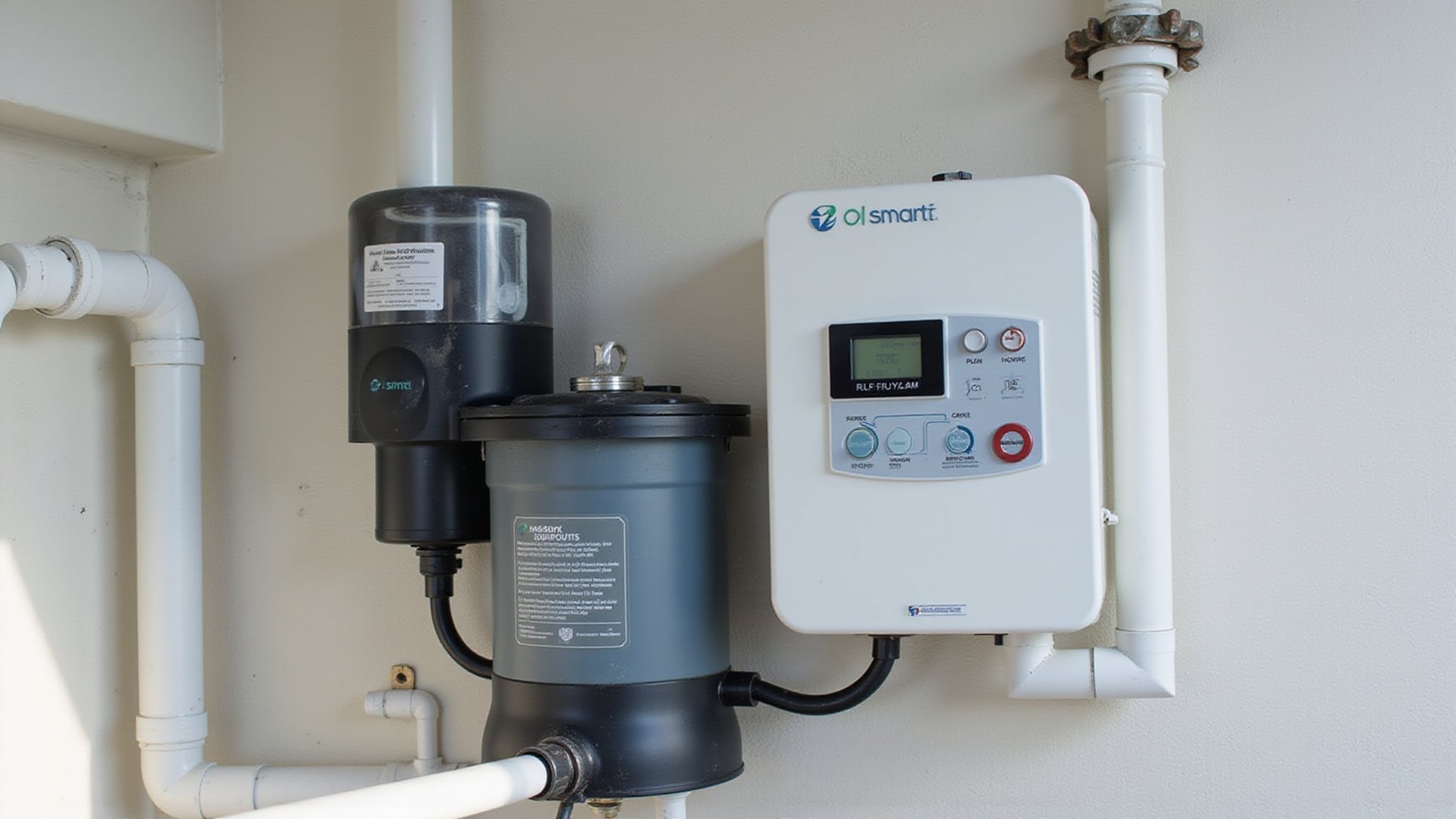
Low-voltage landscape lighting delivers safe, professional-grade outdoor illumination by stepping 120V down to roughly 12V through a dedicated transformer.
Here’s how the system works:
- A transformer steps household 120V down to about 12V.
- Buried or routed cable carries power to each fixture.
- Efficient LED fixtures often exceed 200 lumens each.
- Direct electrical supply ensures dependable, weather-independent brightness.
You’ll get superior output for security, driveway, tree uplighting, and feature illumination. Installation demands trenching and wiring, and you gain permanent, controllable lighting built for demanding, high-performance applications.
What is solar landscape lighting
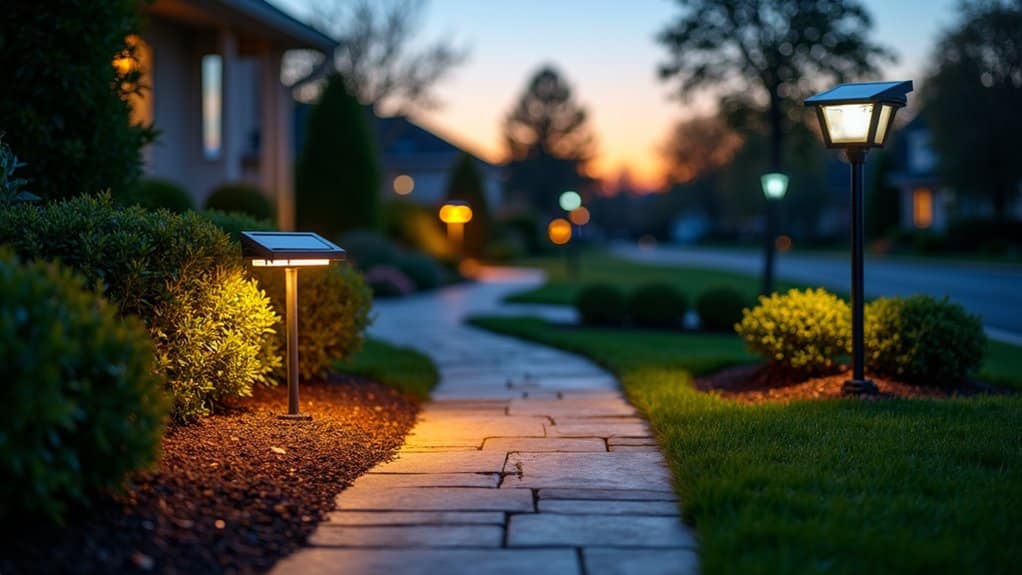
Solar landscape lighting is a self-contained outdoor lighting system that generates its own power at each fixture, eliminating the need for wiring to a central source. Each fixture uses a small photovoltaic panel to charge a rechargeable battery during the day, then runs an LED at night. You won’t trench cable or install a transformer, which makes solar the easiest option to set up and relocate. Choosing lumens for outdoor spaces is crucial to ensure proper visibility and ambiance. It’s important to consider factors such as the size of the area and the type of activities that will take place.
Because each unit depends on sunlight and battery storage, your performance varies with sun exposure, weather, and season. Overcast days, winter’s short daylight, or a degraded battery can reduce runtime and brightness. Output typically falls in the 2 to 100 lumen range, so you’ll find solar best suited for path markers, decorative accents, and remote spots where running power isn’t practical.
How do low voltage and solar compare on cost and performance
On cost, solar has the lowest upfront barrier because it skips trenching, cable, and transformer costs, and it draws no utility power during operation. On performance, low-voltage demands a higher initial investment for fixtures, transformer, and wiring, but it delivers brighter, more consistent output year-round.
| Factor | Solar | Low-Voltage |
|---|---|---|
| Upfront cost | Lowest | Higher |
| Brightness | 2 to 100 lumens | 200+ lumens |
| Reliability | Weather-dependent | Consistent |
Low-voltage wins on brightness, dependability, and control, making it stronger for security and feature lighting. Solar saves money on installation and electricity, but its output drops on overcast days and in winter. Over time, low-voltage typically offers stronger value.
What are the pros and cons of each option
Each option carries distinct tradeoffs you’ll weigh before choosing.
- Low-voltage pros: You get brighter, consistent output exceeding 200 lumens per fixture, dependable year-round operation, and precise control ideal for security, driveways, and tree uplighting.
- Low-voltage cons: You’ll face higher upfront costs, trenching, transformer installation, cable runs, and ongoing utility power draw.
- Solar pros: You install fixtures fast with no wiring, place them in remote spots, and pay nothing for electricity, perfect for tenants or budget setups.
- Solar cons: You’ll deal with dimmer output (often 2 to 100 lumens), variable performance on overcast days and in winter, plus battery degradation shortening runtime.
Your priorities determine the winner.
Which landscape lighting type is right for you
The right landscape lighting type depends on your property’s power access, brightness demands, and installation constraints. If you need security lighting, driveway illumination, or dramatic tree uplighting, choose low-voltage systems that deliver 200-plus lumens per fixture with consistent year-round output. You’ll invest in a transformer, cable runs, and trenching, but you’ll gain professional-grade brightness and reliable nightly operation regardless of weather.
If you’re a tenant, working on a temporary setup, or lighting remote areas where wiring is impractical, go solar. You’ll skip trenching and wiring entirely, and you’ll eliminate electricity costs. Accept dimmer output, typically 2 to 100 lumens, and variable runtime on overcast days or in winter.
Choose solar for wireless convenience and budget accents; choose low-voltage for permanent, high-performance, controlled illumination across larger layouts.
Conclusion
Low-voltage and solar landscape lighting each have their place: low-voltage delivers consistent, controllable, professional-grade brightness for the areas that matter most, while solar offers wire-free convenience for out-of-the-way, sun-exposed spots. For a yard that looks intentional and performs night after night, low-voltage usually leads, with solar filling the gaps. Innovative Outdoor Living designs and installs low-voltage lighting systems, and advises where solar makes sense, so a property is lit reliably and beautifully all year.
Call Today and Illuminate Your Outdoor Space
From uplighting to path lights to color-changing systems, expert installation brings your landscape to life after dark. At Innovative Outdoor Living in Jupiter Farms, FL, our skilled team delivers dependable Landscaping built around your outdoor style and lifestyle. Call +1 (561) 594-1495 today and start your lighting project.
Frequently Asked Questions
Can I Mix Low-Voltage and Solar Lights in One Yard?
Yes, the two systems combine well. Low-voltage fixtures work best where consistent, high-output illumination matters, driveways, security zones, and tree uplighting, since they are hardwired for dependable, year-round brightness. Solar lights suit remote, hard-to-wire spots or decorative path markers where trenching is impractical. This hybrid approach balances performance and convenience, matching each fixture type to its ideal location.
How Long Do Landscape Lighting Fixtures and Batteries Typically Last?
Low-voltage LED fixtures last longest, since they draw power directly from the transformer and rely on no batteries. Their durable construction supports permanent installations through years of nightly use. Solar fixtures depend on rechargeable batteries, which degrade over time and gradually lose runtime and brightness, typically needing battery replacement every year or two. The bulbs themselves in both are usually long-lived LEDs.
Are Low-Voltage or Solar Lights Safe Around Children and Pets?
Both are safe, for different reasons. Low-voltage systems step household power down to about 12V, so shock risk is minimal even if a cable is exposed or a fixture damaged. Solar fixtures are fully self-contained with no wiring to a central source, which removes trip hazards from buried cable. Small solar batteries are worth securing, though, since they can be an ingestion concern for young children or pets.
Do Landscape Lights Require Permits or Professional Electrician Installation?
Solar fixtures need neither, being self-contained with no connection to the home’s electrical system. Low-voltage systems are safer to install because the transformer steps 120V down to about 12V, but that transformer usually hardwires to household power. Depending on local codes, that connection may call for a licensed electrician or permit, so checking with the local building department before installing is the safe step.
How Do I Maintain and Clean Landscape Lighting Fixtures?
Wiping each fixture’s lens with a damp microfiber cloth clears the dirt, pollen, and debris that cut output. Solar units also need their photovoltaic panel cleaned regularly, since grime blocks charging. Inspecting low-voltage connections, cables, and the transformer for corrosion, trimming vegetation that blocks light or sun, tightening loose fittings, and replacing failed LEDs promptly all help. Checking solar batteries yearly and resetting any shifted stakes keeps the illumination even.