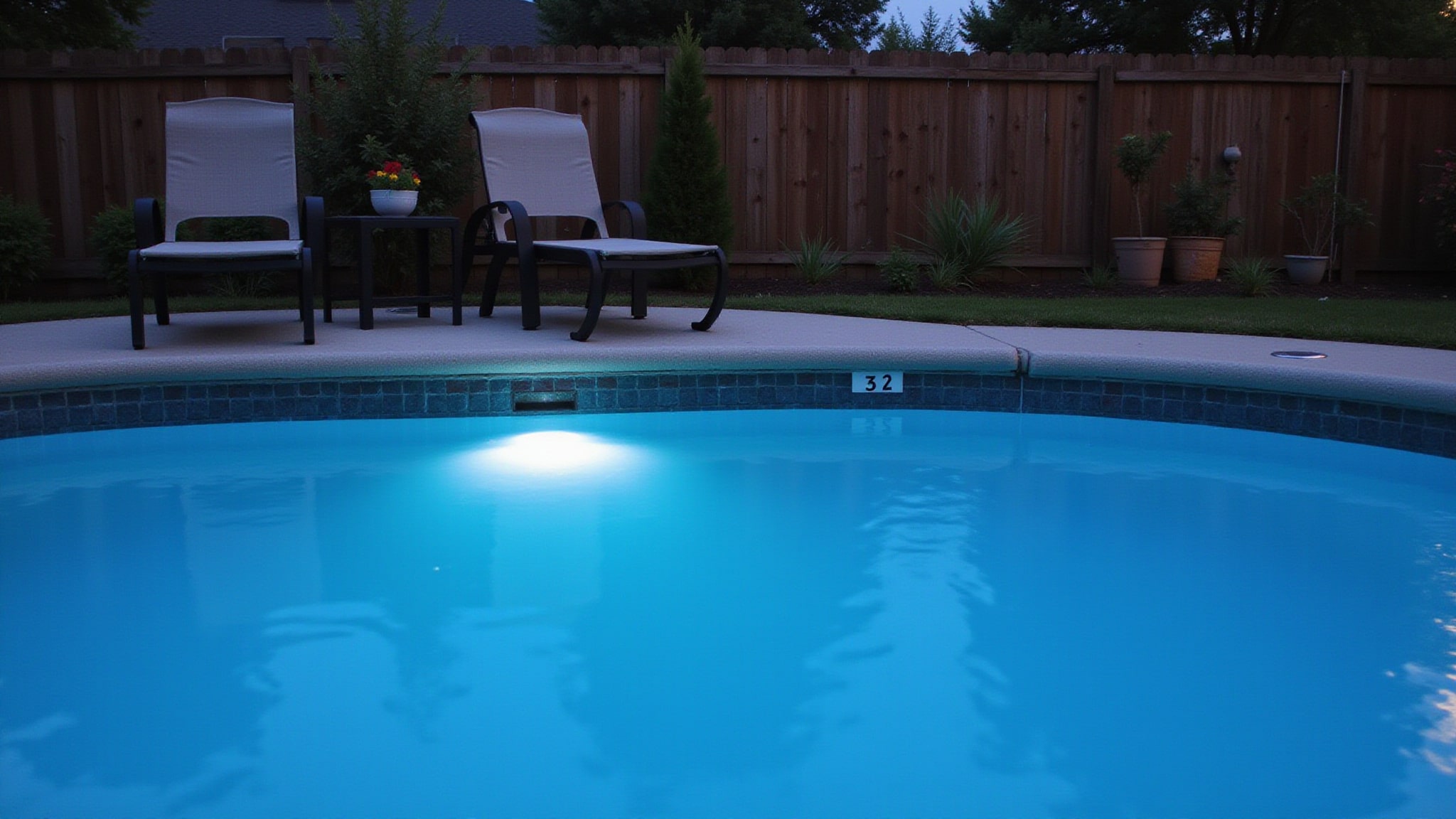

Your landscape lighting needs servicing when you notice flickering, dimming, or uneven brightness across your farthest fixtures, these signal failing bulbs, loose connections, or voltage imbalances. Sudden total blackouts point to transformer, timer, or breaker faults rather than individual fixtures. Watch for exposed wiring, misaligned fixtures, or repeated failures in one spot. Don’t delay; small faults escalate into costly damage and safety risks. Let’s break down exactly what to look for.
Key Takeaways
- Flickering, dimming, or intermittent output signals failing bulbs, loose connections, or wiring faults that need servicing.
- Sudden total blackout points to transformer, timer, or breaker problems rather than individual fixture failure.
- Uneven brightness in the farthest fixtures reveals voltage imbalance or connection issues requiring inspection.
- Exposed, frayed, or surfacing wiring from erosion, mower contact, or landscaping work demands professional repair.
- Repeated failures in the same fixture indicate a deeper component problem that needs expert attention.
When Landscape Lighting Needs Servicing

Landscape lighting needs servicing when it shows measurable changes in performance. Flickering or dimming output points to failing bulbs, LED diodes, loose connections, or wiring faults. Sudden illumination loss often traces back to the transformer, timer, breaker, or source power rather than the fixture itself. Uneven brightness, especially in the farthest fixtures, indicates voltage imbalance or connection issues, while repeated failures in one fixture reveal a deeper component problem. Most landscape lighting problems escalate if you delay landscape lighting servicing. Exposed, frayed, or damaged wiring demands immediate outdoor lighting repair, since it creates both performance degradation and safety risks. Inconsistent scheduling signals aging timers, sensors, or transformers, so test the power source, timer, and transformer to isolate the fault. Uplighting design techniques in landscaping can enhance the visual appeal of outdoor spaces, making features like trees and pathways stand out at night. Incorporating these techniques not only improves aesthetics but also increases safety by illuminating potential hazards.
What are the signs your landscape lighting needs service
The signs your landscape lighting needs service fall into distinct categories, each pointing to a specific fault you can diagnose. Flickering, dimming, or intermittent output signals failing bulbs, loose connections, or wiring faults. Uneven brightness across your farthest fixtures indicates voltage imbalance. Sudden total loss points to transformer, timer, or breaker problems rather than individual fixture failure.
Watch for these three warning signs during routine landscape lighting maintenance:
- Exposed or frayed wiring from erosion, mower contact, or cable surfacing above ground.
- Misaligned or obstructed fixtures from landscaping growth, soil shifts, or loose stakes.
- Inconsistent scheduling when timers, sensors, or controls fail after years of wear.
Prioritizing consistent lighting upkeep lets you catch these faults before they escalate into costly electrical damage.
What common problems affect landscape lighting
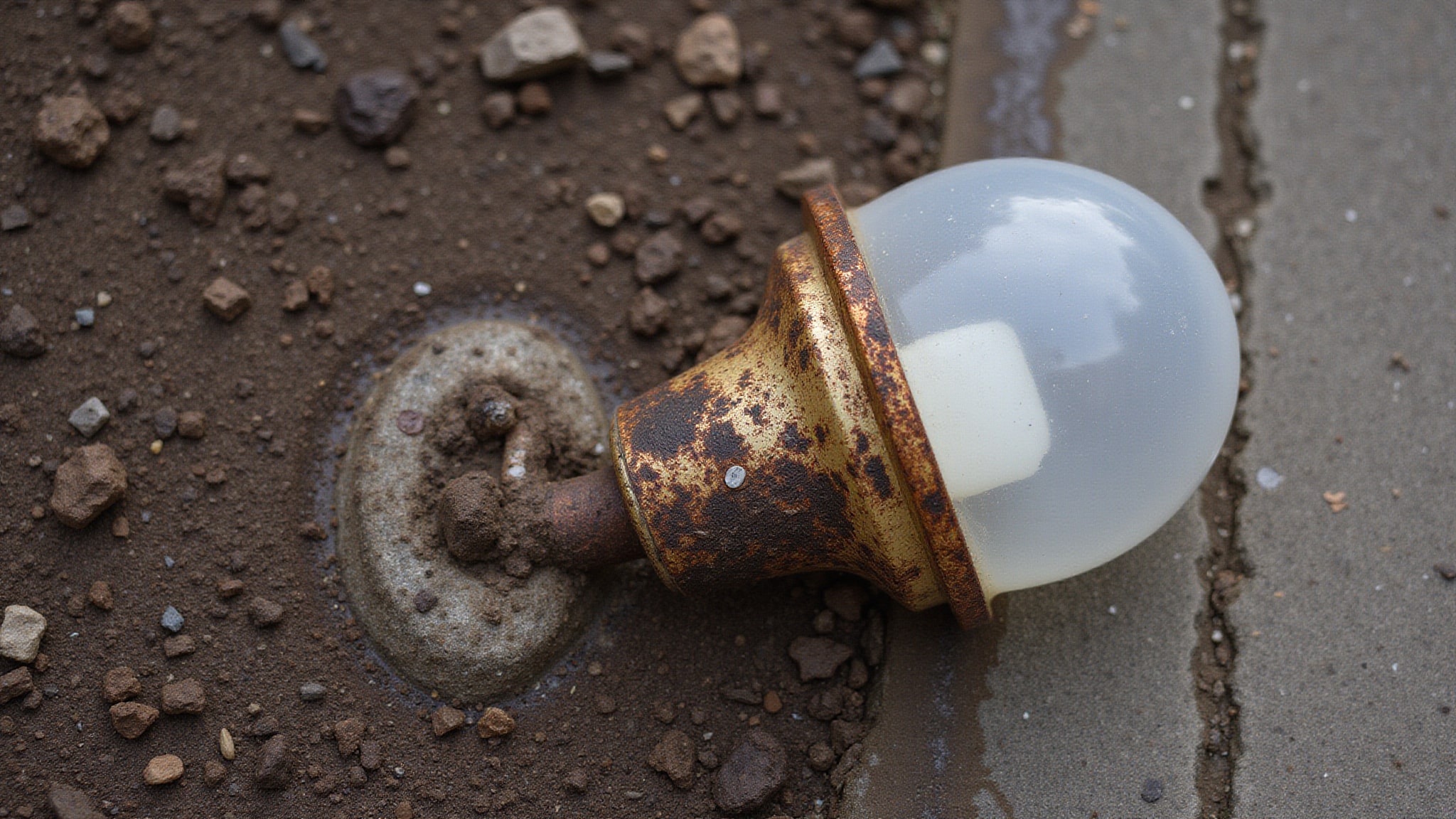
Landscape lighting problems cluster around four failure points: fixtures, wiring, power sources, and physical positioning, because outdoor systems endure constant exposure. The recommended wire depth for outdoor lighting is essential to ensure the integrity of your installations. Proper depth helps protect the wiring from environmental factors and reduces the risk of damage.
At the fixture level, you’ll see flickering, dimming, or burned-out bulbs and LED diodes, often from loose connections or accumulated dirt, pollen, and hard-water spots. Wiring problems include exposed, frayed, or surfacing low-voltage cable from erosion, mower contact, or landscaping work, each a safety risk. Power-source faults trace to transformers, timers, breakers, or sensors, showing up as inconsistent scheduling or sudden system-wide loss of illumination. Positioning failures develop when soil shifts, settling, or plant growth tilt fixtures, loosen stakes, or block beams.
Watch for uneven brightness across the system, especially in the farthest fixtures, which signals voltage imbalance or degrading connections rather than isolated fixture failure.
How often should landscape lighting be serviced
Landscape lighting should be serviced with preventive maintenance twice annually, typically in spring and late summer, to catch degrading connections, dirty lenses, and misaligned fixtures before they cascade into failures. Servicing frequency depends on your system’s size, age, and exposure, so adjust that baseline according to your property’s demands:
- Estates, large, or commercial systems: Schedule quarterly service to manage extended cable runs, higher fixture counts, and greater voltage-drop risk.
- Standard residential systems: Commit to at least one annual visit, though twice-yearly servicing extends component life.
- All systems: Perform monthly visual checks to identify loose wires, soiled fixtures, or burnt-out bulbs early.
After your system passes 15 years, or shows failing wire and fixtures, weigh replacement against repeated repairs, since aging components rarely justify continued servicing costs.
What does landscape lighting servicing involve
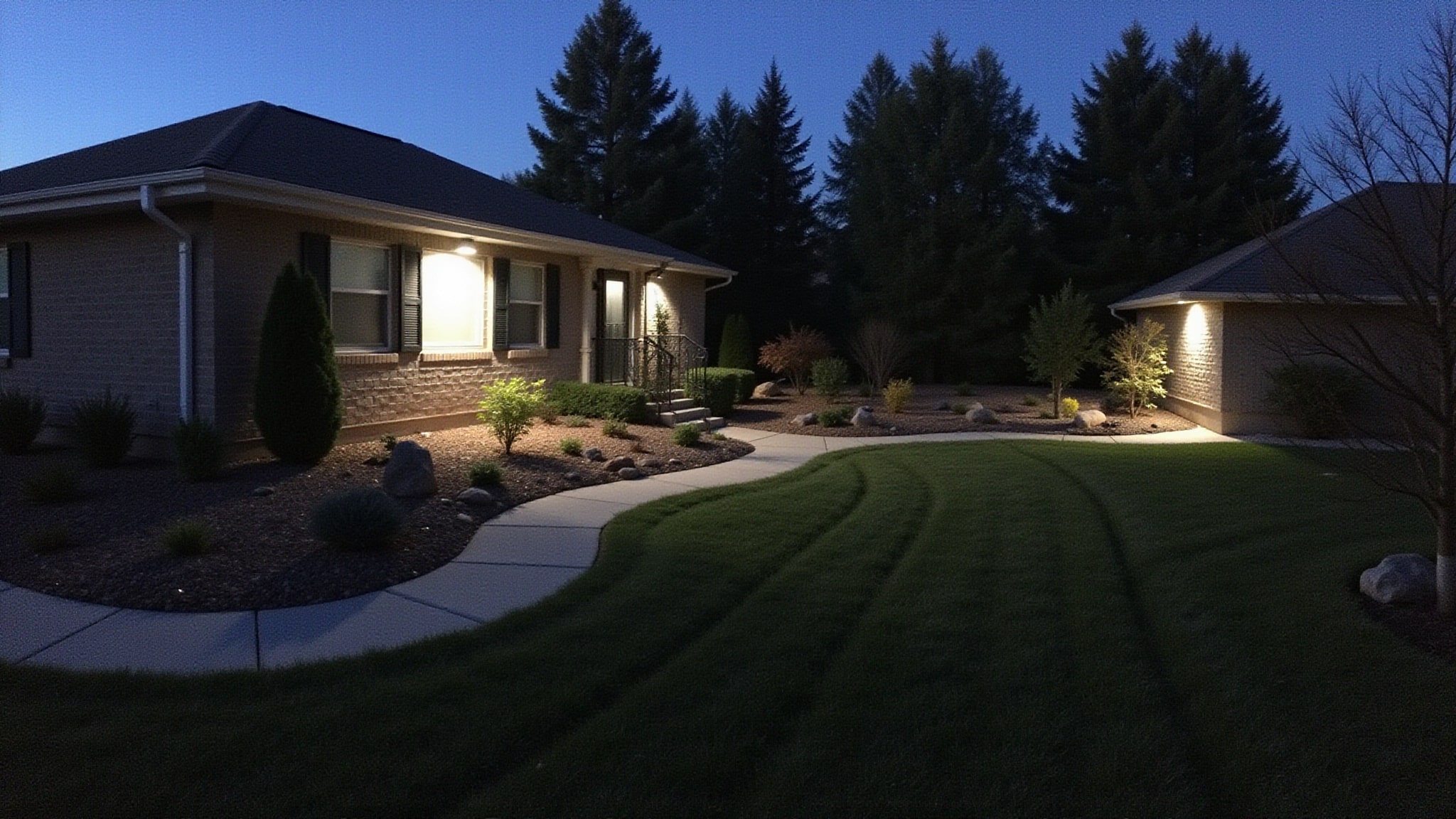
Landscape lighting servicing involves a technician working through several interlocking tasks that span electrical, optical, and mechanical systems. They’ll test source power, timers, and transformers, inspect every contact point from fuse box to socket, and check for voltage imbalance across your farthest fixtures. They’ll replace failing bulbs or LED diodes, clean lenses with mild soap and water, and realign fixtures displaced by soil shift or landscaping growth.
| Category | Task | Trigger |
|---|---|---|
| Electrical | Test transformer, timer | Inconsistent scheduling |
| Optical | Clean lenses, replace bulbs | Dim or flickering output |
| Mechanical | Realign, secure mounts | Tilted or wobbling stakes |
They’ll also examine wiring for fraying, corrosion, or surfacing cable, correcting connection issues before minor faults escalate into safety hazards.
Should you DIY or hire a professional
DIY the task when it involves basic tools and simple maintenance, and hire a professional when safety risks and electrical complexity exceed your knowledge. The line falls at the point where safety risks and electrical complexity exceed basic tools and knowledge. Some maintenance is straightforward, while other faults require professional diagnosis and repair.
You can typically handle these yourself:
- Cleaning fixtures with mild soap and water every 3 to 6 months to restore brightness.
- Realigning tilted fixtures or trimming landscaping that blocks beams.
- Replacing burned-out bulbs and tightening loose connectors.
Call a pro when problems point deeper: exposed or frayed wiring, transformer faults, timer failures that manual resets won’t fix, or repeated failures in the same fixture. These signal electrical issues where troubleshooting from fuse box to socket demands licensed expertise.
How do you maintain landscape lighting between services
Maintain landscape lighting between services with monthly visual checks that catch small problems before they escalate. Walk the system and inspect each fixture for loose wires, dirty lenses, and burnt-out bulbs. Clean fixtures every three to six months, or seasonally, using mild soap and water, never harsh chemicals that damage metal finishes. Remove pollen, leaves, storm debris, and hard-water spots that cut light output and cloud lens clarity. Watch for moisture, rust, or corrosion, which signals developing electrical damage. Trim landscaping that blocks beams or contacts fixtures, and realign any stakes that soil shifts or settling have tilted. Check that low-voltage cable stays buried; surfacing wire risks moisture and mower damage. Confirm timers and sensors trigger on schedule, and address exposed wiring immediately.
Conclusion
Landscape lighting quietly asks for attention long before it fails, dimming fixtures, flickering, corrosion, or misaligned beams are the early signs that servicing is due. Catching them early keeps a small cleaning or repair from turning into a full system replacement. Innovative Outdoor Living installs and services landscape lighting, keeping transformers, wiring, and fixtures in good order so a yard stays beautifully lit year after year.
Light Up Your Backyard Beautifully
Well-designed landscape lighting transforms any outdoor space into a stunning evening retreat, safely and efficiently. At Innovative Outdoor Living in Palm Beach Gardens, FL, our experienced team provides trusted Landscaping with expert lighting design and installation. Call +1 (561) 594-1495 today and see your backyard shine.
Frequently Asked Questions
How Much Does Professional Landscape Lighting Servicing Typically Cost?
Cost depends mostly on the scope of the work. Routine cleaning and bulb replacement run cheaper than transformer replacement, wiring repairs, or professional electrical troubleshooting. Frequency matters too, since twice-yearly preventive maintenance costs less over time than repeated emergency repairs. For a precise figure, a local lighting professional can quote based on the system’s size and condition.
Can I Upgrade My Halogen Fixtures to LED Bulbs?
Yes, though compatibility comes first. The LED replacements need to match the fixture’s socket type and voltage rating. Because LEDs draw far less power, the transformer and wiring should be checked to handle the reduced load without voltage imbalance across the system. In some cases the transformer may need adjusting, so a quick check before swapping avoids flickering or uneven brightness.
Does Weather Affect How Often Lighting Needs Servicing?
Yes, directly. Storms, pollen, and hard-water spots reduce brightness and lens clarity, so cleaning is needed more often, typically every 3 to 6 months or seasonally. Moisture, rust, or corrosion call for prompt attention before electrical damage develops, and soil shifts or settling can misalign fixtures. In a harsh climate, twice-yearly preventive service plus occasional visual checks catches problems early.
Are Landscape Lighting Repairs Covered Under Warranty?
It depends on the manufacturer and installer, since warranty terms vary. Coverage typically applies to component defects like transformers, fixtures, or LED diodes, while wear, weather damage, and improper maintenance are often excluded. Checking the specific product and installation warranty, and keeping proof of professional servicing, is the best way to know what is covered before paying for a repair.
What Is the Average Lifespan of Landscape Lighting Fixtures?
A transformer usually lasts 10 to 15 years before wear or electrical faults require replacement, while timers and sensors run around 5 to 10 years depending on quality. Once a system passes roughly 15 years, or starts showing failing wire and fixtures, replacement often makes more sense than funding repeated repairs. Twice-yearly preventive maintenance and periodic visual checks for loose wires, dirty fixtures, or burnt-out bulbs stretch the lifespan.